
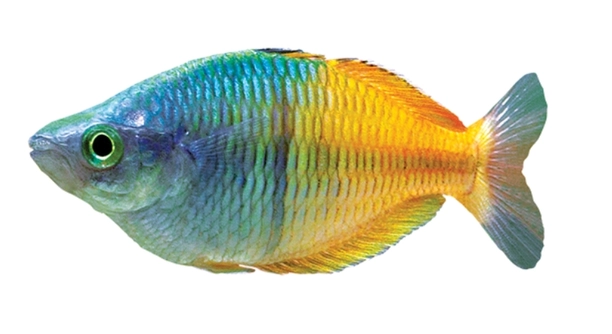
Rainbow fish are beautiful creatures that add color to any aquarium. However, they can be surprisingly sensitive to certain changes in their environment. Understanding what can startle them is essential for keeping them happy and healthy.
Rainbow fish can be easily shocked by sudden changes in water temperature, light intensity, or the presence of unfamiliar objects. These factors can stress them out, affecting their health and behavior. It’s important to maintain a stable environment for them.
Knowing what might stress out your rainbow fish can help you create a more peaceful and stable tank environment. By following simple guidelines, you can make sure they thrive in their aquatic home.
Sudden Water Temperature Changes
Rainbow fish are highly sensitive to temperature shifts. They thrive in stable water conditions, typically between 72°F and 79°F (22°C to 26°C). If the water temperature drops or rises too quickly, it can cause stress, affecting their immune system and overall health. Keeping a consistent temperature is key to ensuring their well-being.
A small heater or a thermometer can help monitor and control the tank’s temperature. It’s best to avoid placing the tank near windows or heaters that can cause rapid changes in the environment. This helps prevent any harmful fluctuations in the water temperature.
The impact of water temperature on rainbow fish is more than just discomfort. A sudden drop in temperature can slow down their metabolism, leading to lethargy or even illness. On the other hand, overheating can lead to oxygen depletion in the water. Both of these extremes can stress the fish and reduce their lifespan if not managed carefully. By maintaining a steady temperature, you’re ensuring your fish remain healthy and active, making their environment more enjoyable for them.
Bright or Sudden Lighting
Rainbow fish rely on natural light patterns to maintain a sense of security. Bright lights or sudden shifts in light intensity can startle them. It’s important to provide a light cycle that mimics their natural environment.
A gradual transition between day and night helps reduce stress for rainbow fish. Turning the lights on and off too quickly may cause confusion and discomfort. Using timers to control the lighting duration can give them a routine they can depend on.
Consistent lighting is essential for rainbow fish, as it helps regulate their circadian rhythm. Excessively bright lights can cause eye strain and stress, while a sudden reduction in light can create a feeling of insecurity. Avoiding harsh lighting will help your fish feel more comfortable and less prone to stress. For best results, choose lights that can mimic the soft glow of natural daylight. A little extra care with lighting can go a long way in creating a peaceful tank.
Quick Changes in Water Chemistry
Rainbow fish are sensitive to fluctuations in water chemistry, including pH levels, hardness, and ammonia levels. Even slight changes in these factors can cause stress. Regular water testing helps you maintain a balanced environment for your fish.
Ammonia and nitrite spikes can occur if the tank isn’t properly cycled or if water changes are neglected. Over time, these changes in water chemistry can weaken your rainbow fish’s immune system, making them more susceptible to disease. A consistent routine of water changes, combined with a filter, will keep the tank safe for your fish.
Maintaining stable pH and hardness levels is also crucial. While rainbow fish generally prefer a neutral pH of around 7.0, some species may require slightly acidic or alkaline conditions. By regularly testing and adjusting these parameters, you ensure your fish stay healthy and stress-free. Sudden changes in water chemistry can lead to erratic behavior, so a stable environment is essential for their comfort.
Unfamiliar Objects in the Tank
Introducing new objects into the tank can startle rainbow fish. Objects like decorations, rocks, or plants may disturb their sense of security. It’s best to introduce changes slowly to avoid causing unnecessary stress.
When new items are added to the tank, the fish may become suspicious and swim erratically. This behavior is a normal response to unfamiliar objects in their territory. Gradually adding new decorations or plants allows your fish time to adjust and reduces the shock. Keeping the tank layout stable will provide them with a sense of familiarity and security.
If you are re-arranging the tank, try not to move too many items at once. Sudden changes can make the fish feel threatened and may even lead to hiding for extended periods. The key to maintaining a peaceful aquarium is to keep changes minimal and consistent, allowing your rainbow fish to adapt without stress.
Loud Noises or Vibrations
Rainbow fish are sensitive to loud noises and vibrations in their environment. Sudden sounds or vibrations can make them feel uneasy, affecting their health and behavior. Keeping the tank away from noisy areas will help reduce stress.
Excessive noise can trigger a fight-or-flight response in fish. This means they may hide or swim erratically, which is not ideal for their well-being. Avoid placing the tank near speakers, television sets, or high-traffic areas to prevent unnecessary stress.
Aquarium fish are especially vulnerable to environmental disturbances. Keeping the tank in a quiet space will allow your rainbow fish to feel safer and more comfortable, promoting a calm and healthy aquarium environment.
Tank Mates That Are Too Aggressive
Aggressive tank mates can be a source of stress for rainbow fish. These fish might chase, nip, or bully them, making them feel threatened. Choose tank mates carefully to ensure a peaceful aquarium.
If your rainbow fish are constantly being chased or harassed, their stress levels will rise. This can lead to health problems like weakened immune systems or decreased appetite. A good rule of thumb is to pair rainbow fish with peaceful species that won’t cause them distress.
Incompatible tank mates can ruin the harmony of your aquarium. It’s essential to ensure the other fish share similar temperaments and won’t disrupt the calm nature of your rainbow fish. Make sure your fish are comfortable and not in danger of being bullied.
Overcrowding the Tank
Overcrowding can stress rainbow fish due to the limited space and resources. Too many fish in a small tank leads to higher competition for food and can reduce water quality quickly.
The stress caused by overcrowding can lead to diseases and a shortened lifespan. It’s essential to follow stocking guidelines based on the tank size to ensure your fish have enough space to swim and thrive. Regularly cleaning the tank and monitoring the number of fish can prevent overcrowding issues.
When you overcrowd the tank, oxygen levels can also drop, creating an unhealthy environment for all the fish. Ensuring there’s enough space will improve water quality and keep your rainbow fish healthy, reducing stress and aggression.
FAQ
How can I reduce stress in my rainbow fish?
To reduce stress in rainbow fish, maintain a consistent environment with stable water temperature, good water quality, and proper lighting. Avoid sudden changes in the tank and ensure that any new additions to the tank are introduced gradually. Also, keep aggressive tank mates away from your rainbow fish to avoid conflict. Regular maintenance and monitoring are key to creating a stress-free habitat for your fish.
Can rainbow fish tolerate temperature fluctuations?
Rainbow fish are very sensitive to temperature changes. Fluctuations in temperature, especially rapid ones, can cause them to become stressed and sick. It’s best to keep the water temperature stable within their preferred range of 72°F to 79°F (22°C to 26°C). Sudden temperature drops or increases can compromise their immune system, making them more vulnerable to disease. A reliable aquarium heater can help maintain a constant temperature, avoiding extreme shifts that could stress your fish.
What is the ideal water pH for rainbow fish?
Rainbow fish generally prefer a neutral to slightly acidic pH range of 6.5 to 7.5. While they can tolerate slight variations, sudden shifts in pH can cause stress. Regular water testing is essential to ensure that the pH stays within this range. If you need to adjust the pH, do it gradually to avoid shocking the fish.
Why do rainbow fish hide?
Rainbow fish may hide due to stress, illness, or discomfort in their environment. If there are aggressive tank mates, excessive noise, or sudden changes in the water parameters, they may retreat to a hiding spot for safety. If your rainbow fish are hiding frequently, check the tank conditions and make sure they are not being harassed or exposed to drastic changes in their environment. They may also hide to recover from any injuries or illness.
Can rainbow fish live with other species?
Yes, rainbow fish can live with other species, but it’s important to choose compatible tank mates. Peaceful species like tetras, corydoras catfish, and other non-aggressive fish work well with rainbow fish. Avoid pairing them with aggressive or territorial species that might cause stress or harm. Ensuring that your tank mates have similar care requirements (such as water temperature and pH) will help maintain a peaceful and healthy environment for all the fish.
What kind of diet do rainbow fish need?
Rainbow fish are omnivores and enjoy a varied diet. A mix of high-quality flakes, pellets, and occasional live or frozen foods like brine shrimp or daphnia is ideal. You can also offer them vegetables like spinach or zucchini. Ensure the food is small enough for the fish to eat easily. Overfeeding can lead to poor water quality and health problems, so feed them small amounts once or twice a day.
How often should I clean the rainbow fish tank?
Regular tank cleaning is necessary to maintain good water quality for your rainbow fish. Perform a partial water change of 25-30% every 1-2 weeks, depending on the size of the tank and the number of fish. Clean the substrate with a siphon to remove debris and waste, and check the filter to ensure it is functioning well. Avoid doing a complete water change, as it can disrupt the environment and stress the fish.
Can rainbow fish live in cold water?
Rainbow fish are tropical fish and need warm water to thrive. They cannot survive in cold water for long periods. Cold water can weaken their immune system and lead to illness. It is best to keep the water temperature between 72°F and 79°F (22°C to 26°C) to ensure your rainbow fish stay healthy and active. If the water is too cold, they may become lethargic and susceptible to diseases.
Do rainbow fish need a lot of space?
Rainbow fish enjoy swimming and need plenty of space to explore. They should be kept in a tank that offers enough room for them to move around freely. A 30-gallon tank is a good minimum size for a small group of rainbow fish. Overcrowding can cause stress and negatively affect their health. The larger the tank, the better, as it allows for stable water conditions and more swimming space.
What is the lifespan of rainbow fish?
Rainbow fish typically live for 5-8 years, depending on the species and their care conditions. Providing them with a stable, clean environment and a proper diet can help them live a long, healthy life. Regular tank maintenance and keeping stress levels low are key to ensuring that your rainbow fish reach their full potential lifespan. If their needs are met, they can thrive and provide colorful beauty to your aquarium for many years.
Final Thoughts
Caring for rainbow fish can be a rewarding experience, but it requires attention to their environment and well-being. These vibrant and peaceful creatures thrive in stable tanks with proper water conditions, minimal stress, and appropriate tank mates. By understanding their needs and responding to their sensitivities, you can help ensure they live long, healthy lives. Keeping their environment consistent is key, whether it’s maintaining a steady temperature or avoiding sudden changes in water chemistry.
One of the most important things to keep in mind is that rainbow fish are sensitive to disturbances. Simple things, like loud noises, sudden lighting changes, or overcrowded tanks, can lead to stress, which negatively impacts their health. Stress weakens their immune systems, making them more susceptible to disease. It’s important to observe your fish regularly and watch for signs of discomfort or stress, like hiding or erratic behavior. By paying attention to these small details, you can quickly address any issues before they become more serious problems.
Remember that rainbow fish are best kept in peaceful, well-maintained environments. Choosing the right tank mates and maintaining proper water quality are crucial steps to ensure they thrive. With careful planning, your rainbow fish will not only brighten up your tank but also live a happy, healthy life. Taking the time to understand their needs will result in a more enjoyable aquarium experience for both you and your fish. By keeping their environment stable and calm, your rainbow fish will be able to show off their full, beautiful colors and exhibit natural behaviors.

Hello,
If you enjoy the content that we create, please consider saying a "Thank You!" by leaving a tip.
Every little bit helps us continue crafting quality advice that supports the health, happiness, and well-being of pets around the world, for pets of all shapes, sizes, and species.
We really appreciate the kindness and support that you show us!