
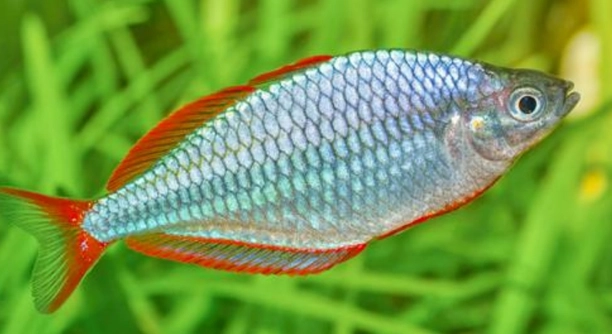
Rainbow fish are popular in aquariums due to their vibrant colors and lively nature. However, at times, these peaceful fish can become aggressive, which might confuse owners. Understanding the causes behind this aggression is important.
Aggression in rainbow fish can be triggered by various factors, including territorial disputes, overcrowding, competition for food, or stress from poor water quality. In some cases, incompatible tank mates can also contribute to this behavior. Proper care can minimize these issues.
By understanding the root causes, you can better manage your rainbow fish’s behavior. This will help ensure a peaceful and healthy aquarium environment for your aquatic pets.
Territorial Behavior
Rainbow fish are naturally territorial, especially males, which often display aggression when defending their space. This behavior is most common during breeding periods or when they feel their space is being invaded. In these situations, the fish might chase or nip at other tank mates to protect their territory. If there isn’t enough space in the tank, the aggression can become more frequent.
Creating a proper environment for rainbow fish is crucial. They need plenty of room to swim and explore. A tank size of at least 30 gallons is recommended for a small group. Adding hiding spots, such as plants or rocks, can also help reduce tension by giving fish areas to retreat to when they feel threatened. Regular water changes and maintaining stable water parameters also help reduce stress, which can lead to aggression.
When aggression arises from territoriality, it can often be minimized by adjusting the tank setup. Larger tanks, more hiding places, and keeping males and females in balanced ratios can help maintain peace. Monitoring behavior closely allows for early interventions if aggression escalates.
Overcrowding
Overcrowding can lead to aggressive behavior in rainbow fish. When there are too many fish in a tank, they compete for space and food, leading to stress.
Ensuring proper stocking levels in your aquarium will help maintain a peaceful environment. Overcrowding is a common issue that can be avoided by following tank size recommendations for each species. Keeping the number of fish appropriate for the tank size can significantly reduce aggression. Fish will have enough room to establish their own territories without fighting for space.
Competition for Food
Rainbow fish can become aggressive when they compete for food. If there isn’t enough food or if it’s not distributed evenly, fish may become more territorial and aggressive towards one another. Feeding them regularly in small amounts can help minimize these issues.
In a tank with multiple fish, it’s important to make sure that everyone gets enough food. To avoid competition, try spreading the food out across different areas of the tank. You can also use feeding rings or specialized feeders to ensure that all fish have equal access. Overfeeding can also lead to aggression, as fish may fight for excess food.
Regular feeding at consistent times is key to managing aggression related to food competition. If you notice aggressive behavior at feeding time, try adjusting the amount or frequency of feedings. Ensuring all fish are getting their share can help reduce tension in the tank.
Poor Water Quality
Poor water quality is a major stressor for rainbow fish. When the water parameters are off, it can lead to anxiety and aggression. Fish might become irritated and more prone to fighting with tank mates.
Maintaining clean and stable water conditions is crucial. Regular water changes and using a good filtration system can help keep the tank environment healthy. Ensure that temperature, pH levels, and ammonia/nitrite/nitrate levels are within the ideal range for rainbow fish. Stress caused by poor water quality often results in visible signs of aggression, which can be prevented by keeping the water in good condition.
If the water quality is poor, rainbow fish may display more aggression towards each other. They may also develop health problems. Regular testing of water parameters can help keep track of changes. Avoiding overcrowding, ensuring proper filtration, and keeping up with routine maintenance are essential for a stress-free tank environment.
Incompatible Tank Mates
Rainbow fish can be aggressive when housed with incompatible species. Some fish may provoke them or compete for space and resources, leading to increased stress and aggression. Choosing tank mates that share similar temperaments and environmental needs is essential to prevent this.
To avoid aggression, it’s crucial to research the temperament of potential tank mates. Rainbow fish are generally peaceful, but they may not get along with more aggressive or territorial species. Peaceful community fish, such as tetras or corydoras, are good choices. Ensure that tank mates won’t challenge the rainbow fish’s space or food resources.
Avoid adding overly aggressive fish or species that may nip at their fins. By maintaining compatible tankmates, you can help keep aggression to a minimum, promoting a peaceful environment for all.
Stress
Stress is one of the main causes of aggression in rainbow fish. Factors like changes in lighting, sudden temperature fluctuations, and frequent disturbances can cause stress. This leads to more defensive behavior and fights among the fish.
Keeping a stable environment can greatly reduce stress. Ensuring that the temperature remains consistent and the lighting is not too harsh will help your fish feel secure. Overcrowding and loud noises can also stress them out, making them more likely to show aggression.
A calm environment allows rainbow fish to thrive without feeling threatened, decreasing the chances of aggressive behavior. Maintaining a stress-free setting encourages peaceful interactions among your fish.
Breeding Behavior
During breeding, rainbow fish may become more territorial and aggressive. Males, in particular, may chase females or other males to establish dominance. This behavior is natural, but it can cause tension in the tank.
If breeding behavior becomes too disruptive, it may be helpful to separate aggressive males or provide additional hiding places for females. Some aquarium owners choose to move breeding pairs to a separate tank to reduce aggression and ensure a more peaceful environment for other fish. However, with proper management, breeding behavior can be controlled without causing significant harm to tank mates.
FAQ
Why are my rainbow fish aggressive?
Aggression in rainbow fish can stem from various factors, including territorial disputes, poor water quality, overcrowding, and competition for food. During breeding periods, males can also become more territorial and aggressive. Stress from environmental changes or incompatible tank mates can also lead to aggressive behavior.
How can I reduce aggression in my rainbow fish?
To reduce aggression, make sure your tank is appropriately stocked with enough space for each fish. A larger tank, more hiding spots, and proper water quality can help reduce stress. Avoid overcrowding and monitor feeding habits to ensure all fish have access to food. Additionally, providing compatible tank mates and ensuring a stable environment will help calm aggressive behaviors.
Do rainbow fish get along with other species?
Rainbow fish are generally peaceful and do well in community tanks with other non-aggressive species. However, they may not get along with fish that are overly territorial or aggressive. Choosing peaceful tank mates like tetras, corydoras, or other peaceful fish can reduce the chances of aggression. Avoid mixing them with fin-nipping species.
Can water quality affect aggression in rainbow fish?
Yes, poor water quality can increase stress, which leads to aggression in rainbow fish. Keeping the water clean by performing regular water changes, maintaining proper filtration, and monitoring water parameters such as temperature, pH, and ammonia levels can help reduce aggression. Good water quality is essential for maintaining peaceful behavior in your fish.
What size tank is best for rainbow fish?
Rainbow fish need enough space to swim and establish territories. A minimum of a 30-gallon tank is recommended for a small group of rainbow fish. Larger tanks can accommodate more fish and reduce the likelihood of territorial disputes. Providing enough space helps reduce stress and aggression by ensuring each fish has room to thrive.
Why is my male rainbow fish chasing the females?
During breeding seasons, male rainbow fish can become more territorial and chase females to establish dominance or encourage them to spawn. This is a natural behavior but can become aggressive if not properly managed. To reduce aggression, ensure there are enough hiding spots for females and consider separating males if needed.
How do I know if my rainbow fish are stressed?
Signs of stress in rainbow fish can include faded colors, erratic swimming, hiding more than usual, or aggression towards other fish. Stress can be caused by poor water quality, sudden changes in temperature, overcrowding, or aggressive tank mates. Monitoring the fish’s behavior and addressing these factors will help reduce stress.
Can I fix aggression caused by overcrowding?
Overcrowding is a common cause of aggression, and it can be fixed by reducing the number of fish in the tank. Make sure your tank is large enough for the number of fish you have. If necessary, relocate some fish to another tank to reduce stress and territorial disputes. Providing plenty of hiding places will also help alleviate overcrowding-related aggression.
Do rainbow fish fight with each other?
Yes, rainbow fish, especially males, can fight with each other over territory, dominance, or during the breeding season. Males may become aggressive towards each other, chasing and nipping. Providing ample space and hiding spots can help reduce these fights. Additionally, keeping a balanced male-to-female ratio can help manage aggression.
Can adding plants reduce aggression in rainbow fish?
Yes, adding plants and decorations can provide hiding places, which can help reduce aggression. Rainbow fish appreciate having areas to retreat to when they feel threatened. Live plants, rocks, and other decorations give them the opportunity to establish territories and reduce the likelihood of conflict. A well-planted tank mimics their natural habitat and can promote peaceful behavior.
What should I do if my rainbow fish are still aggressive?
If aggression persists despite taking preventive measures, you may need to separate the aggressive fish. Consider moving the fish to a different tank or rearranging the tank to break up established territories. Monitoring tank conditions and ensuring proper water quality is key to preventing further aggression. If aggression continues, you may need to consult an aquarium specialist for advice.
How long does aggression last in rainbow fish?
The duration of aggression depends on the cause. If the aggression is due to territorial disputes, it may last until the fish establish their territories. If it is caused by stress or poor water quality, it can persist until the environmental factors are addressed. Breeding-related aggression typically lasts for a short period and will subside once the breeding season is over.
Can rainbow fish live with other peaceful fish?
Rainbow fish are generally peaceful and can coexist with other non-aggressive species in a community tank. However, they may become stressed or aggressive if placed with overly territorial or aggressive fish. When selecting tank mates, ensure they are compatible in terms of temperament and water requirements. Peaceful fish like tetras, guppies, and corydoras can often be kept with rainbow fish without causing aggression.
Can rainbow fish be kept in a smaller tank?
While rainbow fish can survive in smaller tanks, a minimum of 30 gallons is recommended for a small group. A larger tank will provide them with enough space to swim and establish territories. Smaller tanks can lead to overcrowding, which increases stress and aggression. A larger tank also offers more room for decorations and hiding spots, which helps reduce conflict.
Final Thoughts
Rainbow fish are beautiful and peaceful creatures, but like any other species, they can exhibit aggression under certain conditions. Understanding the factors that contribute to their aggressive behavior is essential for providing a stable and calm environment for them. By addressing common causes of aggression, such as incompatible tank mates, stress, and overcrowding, you can reduce the chances of conflict among your fish.
Maintaining proper water quality, offering enough space, and selecting the right tank mates are crucial steps in keeping your rainbow fish calm. Stress, whether from environmental changes or poor water conditions, can lead to aggression. It’s important to keep the tank environment stable and ensure the fish have enough room to swim and establish territories. Overcrowding is one of the most common causes of aggression, so always be mindful of the number of fish in your tank.
Lastly, while aggression can be managed, it’s important to observe your fish regularly. Each rainbow fish is unique, and understanding their behavior will help you make informed decisions. By keeping their environment healthy and choosing compatible tank mates, you can enjoy the peaceful and colorful presence of your rainbow fish without the stress of aggression.

Hello,
If you enjoy the content that we create, please consider saying a "Thank You!" by leaving a tip.
Every little bit helps us continue crafting quality advice that supports the health, happiness, and well-being of pets around the world, for pets of all shapes, sizes, and species.
We really appreciate the kindness and support that you show us!