
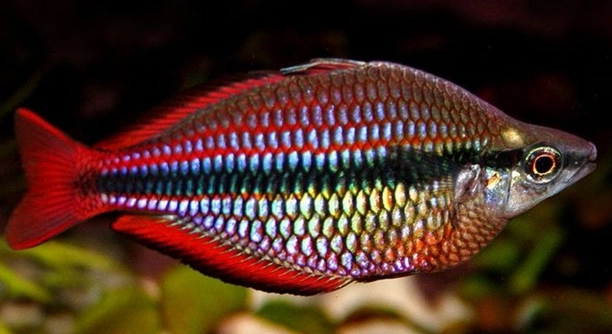
Rainbow fish are a popular addition to many aquariums. These vibrant creatures are known for their striking colors and active swimming. Aquarium owners often wonder if these fish can recognize changes in their environment, like tank adjustments or new decorations.
Rainbow fish can indeed recognize changes in their tank environment. They possess the ability to detect shifts in their surroundings, whether it be alterations in the tank’s layout or variations in water conditions. This awareness may influence their behavior and stress levels.
Understanding how rainbow fish respond to tank changes can help improve their well-being and aquarium setup.
How Rainbow Fish Detect Changes in Their Tank
Rainbow fish are highly perceptive creatures. Their senses help them notice slight differences in their environment. When a tank’s layout changes, they quickly adapt to the new setup. Their eyes, along with their sense of smell, play a role in detecting unfamiliar objects or alterations in water quality. When an object is added, they tend to explore it by swimming closer. Over time, they can become familiar with the tank’s layout, which may reduce their stress response.
Fish can also detect changes in light and sound. When the aquarium lighting is adjusted, rainbow fish may react by swimming to different parts of the tank. This sensitivity is not just limited to the layout; their environment’s stability is also key to their well-being. Frequent disturbances or rapid changes may cause anxiety, leading to erratic swimming or hiding behaviors.
Knowing how rainbow fish detect changes can help aquarium owners avoid unnecessary stress for their fish. Stable environments with gradual adjustments are essential to their health.
The Effect of Water Quality on Their Behavior
Changes in water conditions can also trigger responses in rainbow fish. Sudden shifts in temperature, pH, or salinity can cause them to feel stressed. Maintaining consistent water quality is essential to prevent these stress reactions.
These fish are particularly sensitive to water temperature fluctuations. Even slight changes can affect their swimming patterns and feeding habits. A stable water temperature helps reduce the likelihood of stress. Similarly, sudden changes in pH levels or water hardness can confuse their senses, leading to behavioral changes.
Understanding these water quality factors and their impact on rainbow fish can improve their living conditions and reduce unnecessary stress. By stabilizing water conditions, you ensure your fish remain active and healthy.
How Rainbow Fish Respond to Tank Decorations
Rainbow fish are naturally curious. When new decorations are added to the tank, they often investigate them right away. The presence of objects like rocks or plants triggers their instinct to explore, which can be a positive stimulus. However, if decorations are rearranged too often, it may cause confusion or stress.
It is important to allow the fish time to adjust to any changes in the tank. Placing new decorations gradually, rather than all at once, will reduce stress. If changes are made frequently, it can lead to the fish swimming aimlessly or hiding in corners. Stability within their environment is key to maintaining their comfort and health.
By carefully considering where to place decorations, tank owners can create a space that encourages exploration without overwhelming the fish. Keeping decorations in consistent locations will help the rainbow fish feel more secure, as they become familiar with their surroundings.
Tank Size and Its Impact on Behavior
The size of the tank plays a significant role in the well-being of rainbow fish. In smaller tanks, the fish can feel cramped and stressed, which affects their swimming patterns and feeding habits. A spacious environment allows for more natural movement, contributing to healthier and more active fish.
A tank that’s too small limits the fish’s ability to explore and establish territories. This can lead to aggressive behaviors, especially if there are multiple fish in the tank. It’s crucial to consider the size of the tank before introducing more fish, as overcrowding can cause both physical and emotional stress.
Providing an adequately sized tank with plenty of space for swimming ensures the fish remain active and calm. If space is too limited, it may negatively impact their behavior, leading to an unhealthy tank environment.
How Lighting Affects Rainbow Fish
Lighting plays a crucial role in how rainbow fish behave. Too much light can make them feel exposed or stressed, while too little light can hinder their natural activity patterns. Finding the right balance is key to keeping them comfortable and active in their environment.
Rainbow fish thrive in moderate light conditions. When their tank is too bright, they may retreat into darker corners or swim less. On the other hand, too little light can affect their feeding behavior and overall health. A consistent light cycle, similar to natural day and night patterns, is ideal for these fish.
A well-balanced light schedule can help maintain their health and encourage natural behaviors such as feeding and swimming. Proper lighting will also enhance the vibrant colors of rainbow fish, making them more enjoyable to observe.
Water Movement and Rainbow Fish
Water movement in a tank can affect how rainbow fish interact with their environment. Too much current can make it hard for them to swim, while too little may make the tank feel stagnant. Finding the right flow is essential to their comfort.
Rainbow fish prefer moderate water flow, which mimics their natural habitat. Too much movement can cause stress, especially for smaller or weaker fish. When the flow is just right, it encourages their natural swimming patterns, and they feel more at ease. Maintaining a steady, moderate current improves their quality of life.
The Role of Tank Mates
Tank mates can influence the behavior of rainbow fish. If the wrong species is introduced, it may cause aggression or stress. Choosing peaceful, non-competitive species is important for their well-being.
FAQ
Can rainbow fish recognize their owners?
Rainbow fish do not form bonds with their owners in the same way some other pets, like dogs, do. However, they can become familiar with the person who regularly feeds and interacts with them. Over time, they may associate a specific person with food, recognizing their presence. This recognition, though not as strong as that of more social pets, can influence how the fish behave during feeding times. They may become more active when they see the person approaching the tank, expecting food or attention.
How can I reduce stress for my rainbow fish?
To reduce stress in rainbow fish, maintain stable water conditions, including temperature, pH, and water hardness. Frequent changes in their environment, such as moving decorations or altering water parameters too drastically, can lead to stress. Keep the tank clean, avoid overcrowding, and provide hiding spots to help them feel secure. Maintaining a consistent feeding schedule will also make them feel more at ease. Additionally, ensure that the tank is large enough for the fish to swim freely.
What are the ideal tank conditions for rainbow fish?
Rainbow fish thrive in tanks with a water temperature between 72-79°F (22-26°C), a neutral pH around 7.0-7.5, and soft to moderately hard water. They require ample swimming space, so a tank of at least 30 gallons is recommended for a small group. Regular water changes, typically about 25% weekly, help maintain clean and healthy water conditions. The tank should be well-filtered, with moderate water flow, and contain plants or decorations that provide both beauty and hiding spots.
Do rainbow fish need tank mates?
Rainbow fish are generally peaceful and do well in community tanks with other non-aggressive species. While they don’t need tank mates to survive, keeping them with compatible fish can help reduce stress and encourage natural social behaviors. Avoid housing them with overly aggressive species, as this may lead to tension. Species such as tetras, guppies, and peaceful barbs make suitable companions. Ensure there is enough space in the tank to avoid overcrowding and give each fish room to establish its own space.
How often should I feed rainbow fish?
Rainbow fish should be fed small amounts two to three times per day. A varied diet is best, including high-quality flakes, pellets, and occasional live or frozen foods like brine shrimp or daphnia. Overfeeding can lead to water quality issues and obesity, so only provide enough food that the fish can consume within a few minutes. It is important to remove any uneaten food promptly to avoid it decomposing in the tank and affecting water quality.
Are rainbow fish good for beginners?
Rainbow fish are relatively hardy and adaptable, making them a good choice for beginner aquarium owners. However, they do require specific water conditions to thrive, so it’s essential to understand their needs before setting up a tank. Their peaceful nature also makes them suitable for community tanks, but beginners should still pay attention to water quality, tank size, and suitable tank mates. With proper care, rainbow fish can live for several years and provide a colorful, low-maintenance addition to the aquarium.
How can I tell if my rainbow fish are stressed?
Stressed rainbow fish may exhibit behaviors such as erratic swimming, hiding excessively, or rubbing against objects in the tank. They may also stop eating or display rapid gill movement, indicating a possible issue with water quality or temperature. If the fish are being harassed by tank mates, they may swim away quickly or show signs of fin damage. Stress can also lead to weakened immune systems, making the fish more susceptible to disease. Regularly checking water conditions and monitoring the fish’s behavior can help identify stress early.
What types of decorations do rainbow fish prefer?
Rainbow fish appreciate a tank with a variety of decorations, including plants, rocks, and driftwood. Plants, especially floating ones, provide hiding spaces and help reduce stress. However, avoid sharp objects that could damage their fins. It’s best to have a combination of open swimming space and areas where the fish can retreat if needed. Soft plants and smooth rocks are ideal. Additionally, providing some light coverage, such as floating plants or taller decorations, can mimic their natural environment, where they often seek shelter.
Do rainbow fish need a filter?
Yes, rainbow fish require a well-maintained filter to ensure clean water and proper oxygenation. A filter helps remove debris and toxins from the water, making it a vital component of a healthy tank environment. The filter should be appropriately sized for the tank and provide moderate water flow, as rainbow fish prefer calm to slightly moving water. Be sure to clean and maintain the filter regularly to avoid clogging and to ensure it operates efficiently.
Can rainbow fish live with other species?
Rainbow fish generally do well with other peaceful species. They are not territorial and often thrive in a community tank. However, it’s important to avoid tank mates that are too aggressive or overly territorial. Suitable companions for rainbow fish include species like tetras, barbs, and peaceful livebearers. Always ensure that the tank has enough space for all the fish to coexist peacefully and that the water conditions are compatible for the different species.
What are the common diseases that affect rainbow fish?
Like all fish, rainbow fish are susceptible to a variety of diseases, most of which are related to poor water quality. Common conditions include ich (white spots), fin rot, and velvet disease. Proper tank maintenance, such as regular water changes and keeping the tank clean, can help prevent many of these issues. Additionally, ensure the fish are not exposed to drastic temperature fluctuations, as this can weaken their immune systems and make them more prone to illness.
Final Thoughts
Rainbow fish can make an excellent addition to a well-maintained aquarium. Their vibrant colors and peaceful nature bring life to any tank. However, it’s essential to provide them with the proper care to ensure they remain healthy and thrive. The right environment is crucial to their well-being. This includes maintaining stable water conditions, offering adequate space for swimming, and ensuring that tank mates are compatible. When these basic needs are met, rainbow fish will flourish and live for several years, providing a stunning visual display for your aquarium.
Taking care of rainbow fish involves regular monitoring of water temperature, pH levels, and general cleanliness. Their tank should be large enough to accommodate a group, and they benefit from moderate water flow that mimics their natural habitat. Keeping their environment free of toxins and debris ensures they stay healthy. The addition of live plants, rocks, and other decorations helps recreate their natural setting, providing hiding spaces that reduce stress. Regular feeding and routine tank maintenance will also contribute to their longevity and well-being.
Understanding their behavior and needs can deepen the enjoyment of having them as pets. Rainbow fish may not form bonds with their owners as some pets do, but they can recognize their caregivers over time. Watching them swim gracefully through the tank is a rewarding experience. By offering the right conditions and care, you can ensure that your rainbow fish remain vibrant and active for many years, turning your aquarium into a lively and colorful aquatic environment.

Hello,
If you enjoy the content that we create, please consider saying a "Thank You!" by leaving a tip.
Every little bit helps us continue crafting quality advice that supports the health, happiness, and well-being of pets around the world, for pets of all shapes, sizes, and species.
We really appreciate the kindness and support that you show us!