
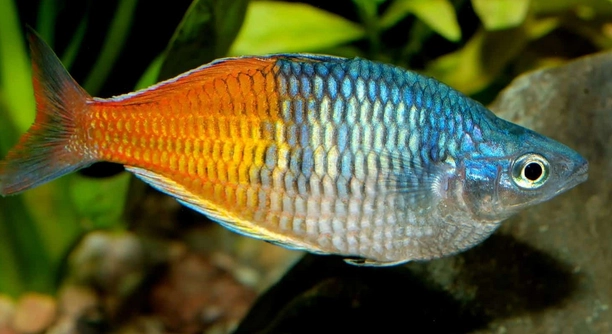
Rainbow fish are vibrant and captivating, making them a popular choice for aquarium enthusiasts. However, getting them to breed can sometimes be tricky. A few simple techniques can encourage their breeding behavior in a home aquarium.
Encouraging rainbow fish to breed involves maintaining the right water conditions, providing a suitable breeding environment, and ensuring the presence of healthy and compatible mates. Factors like temperature, water quality, and diet all play crucial roles in triggering their breeding instincts.
By following these tricks, you’ll have the knowledge to create the optimal conditions for your rainbow fish.
Proper Tank Setup
The setup of your tank plays a significant role in encouraging rainbow fish to breed. A spacious tank is crucial to give them the freedom to move around and feel secure. Make sure the tank has plenty of plants and hiding spots. Rainbow fish tend to breed in well-planted environments where they can lay their eggs discreetly. A substrate of fine gravel is ideal for egg-laying, and the addition of driftwood can enhance the natural feel of the habitat. It’s also vital to ensure that the tank is free from sudden changes in temperature or water conditions. Stability is key.
To keep your fish comfortable, avoid overcrowding. This reduces stress, which can disrupt their breeding process. Also, make sure your tank’s filtration system works efficiently. Clean water is essential for breeding success.
Proper lighting should be provided as well. A natural light cycle helps regulate their internal clocks, which can encourage breeding behavior. With the right conditions, your rainbow fish will feel at ease and more likely to breed.
Water Quality
Water quality directly impacts your rainbow fish’s health and their breeding behavior.
The pH level of the water should be between 7.0 and 8.0, with a temperature range of 75 to 80 degrees Fahrenheit. Regular water changes are essential for maintaining a clean environment and supporting the overall health of your fish. Use a reliable water testing kit to monitor the levels of ammonia, nitrites, and nitrates. Keep these values in check to prevent stress on the fish, which can halt breeding attempts. Soft, slightly acidic water may be ideal for some rainbow fish species, so it’s worth researching the specific needs of the species you’re breeding.
In addition to water changes, a strong filtration system will help maintain water quality. The filter should not create strong currents, as rainbow fish prefer calm waters. Regular maintenance of the filter ensures that it works effectively, which is key to maintaining a healthy breeding environment. Proper water quality is one of the first things to check if breeding issues arise.
Ideal Diet
Rainbow fish thrive on a varied and nutritious diet. Offer them a mix of high-quality flakes, pellets, and live or frozen foods such as brine shrimp and daphnia. A well-rounded diet will ensure they are healthy and ready to breed. Avoid overfeeding, as this can lead to poor water quality, which will discourage breeding.
To promote breeding, you should include protein-rich foods like bloodworms and brine shrimp. These foods can stimulate their natural reproductive instincts. Feeding a varied diet will also keep your fish in top physical condition, which is essential for breeding success. When you feed your rainbow fish properly, it supports their overall health and energy levels.
Make sure to adjust the portion size based on the number of fish in your tank. Remove any uneaten food to avoid water contamination. Maintaining a clean tank with proper nutrition sets the foundation for breeding.
Water Temperature
Temperature is one of the most critical factors in encouraging rainbow fish to breed. Keep the water temperature between 75 and 80°F. Any fluctuation in temperature can stress the fish and halt their breeding efforts.
During breeding, slightly raising the temperature by a few degrees can help trigger the spawning process. Rainbow fish are more likely to breed when they feel a change in their environment, simulating the natural seasonal shifts they experience in the wild. Be sure to maintain consistent warmth in the tank, as sudden drops or rises in temperature can prevent breeding. Regular monitoring of the tank’s temperature with a reliable thermometer is essential to ensure stability.
Tank Mates
Choosing the right tank mates is essential for breeding success. Avoid adding overly aggressive fish, as they can stress out the rainbow fish and disrupt the breeding process. Peaceful, non-competitive species work best. Keeping other fish that won’t crowd or compete for resources is ideal.
Rainbow fish tend to breed better in smaller, less crowded tanks. Keeping them with compatible species reduces territorial disputes, allowing them to feel secure. This reduces stress, which is crucial for encouraging breeding behavior. Make sure that the other tank mates do not outcompete the rainbow fish for food or space.
Water Hardness
Water hardness affects your rainbow fish’s ability to breed. The ideal hardness range for breeding is between 4 to 8 dGH (degrees of general hardness).
If your water is too soft, consider using a mineral supplement to increase the hardness slightly. Soft water can cause fish to feel stressed, leading to poor breeding attempts. Keep an eye on the hardness levels to ensure it’s in the optimal range.
FAQ
What size tank do I need for rainbow fish to breed?
Rainbow fish require ample space to feel comfortable and breed. A minimum of 30 gallons is ideal for a small group. The more space you can provide, the better, as it will reduce stress and allow them to move freely. Overcrowding can lead to aggression and poor breeding results, so it’s crucial to maintain a spacious environment. Additionally, larger tanks give you more flexibility when it comes to adding plants and decorations, which can further encourage breeding behavior.
How do I know if my rainbow fish are ready to breed?
Rainbow fish will often display brighter colors and more active behavior when they are ready to breed. The males typically become more vibrant, showing off their most striking features. You may also notice that the males start to chase the females and engage in more noticeable displays of courtship. If you observe these behaviors, it’s a sign that the fish are preparing to spawn. Pay attention to any changes in their activity levels, as this is an indicator of readiness.
Can I breed rainbow fish in a community tank?
Breeding rainbow fish in a community tank is possible, but it requires careful planning. You need to ensure that the other tank mates are compatible with the rainbow fish and not too aggressive. It’s best to keep them with peaceful species that won’t disrupt the breeding process. Additionally, providing plenty of hiding spots and plants in the tank can give the rainbow fish a safe space to spawn without interference from other fish. If you’re planning to breed them in a community tank, be sure to monitor the water conditions closely.
How often do rainbow fish breed?
Rainbow fish breed regularly, but not necessarily daily. Spawning occurs in cycles, typically every few days or weeks, depending on the conditions in the tank. Factors such as water temperature, quality, and diet play a significant role in the frequency of breeding. If the environment is ideal, the fish may breed more frequently. However, it’s important not to force the process. Ensure that the water conditions remain stable and that the fish are well-fed to encourage healthy, successful spawning.
Do rainbow fish need a male and female to breed?
Yes, you need both a male and a female for successful breeding. Male rainbow fish tend to display more vibrant colors and exhibit courtship behavior to attract females. In most cases, the males will chase the females and attempt to entice them into breeding. Having multiple males and females in the tank can also promote breeding, as the males often compete for the female’s attention, increasing the likelihood of successful spawning.
What should I feed rainbow fish to encourage breeding?
To encourage breeding, rainbow fish need a diet rich in protein and nutrients. Offer a variety of high-quality foods, including flakes, pellets, and live or frozen foods like brine shrimp, bloodworms, and daphnia. These protein-rich foods stimulate the natural reproductive instincts in rainbow fish. Ensure you feed them a balanced diet, as this supports their overall health and breeding readiness. Remember not to overfeed, as excess food can degrade water quality, which may disrupt the breeding process.
How long does it take for rainbow fish eggs to hatch?
The eggs of rainbow fish typically hatch within 5 to 10 days, depending on the water temperature and conditions. Warmer water temperatures can speed up the hatching process, while cooler temperatures may slow it down. After hatching, the fry will be quite small and fragile. Be sure to keep the water quality high and avoid disturbing the eggs during this delicate time. It’s important to maintain stable conditions to ensure a high survival rate for the fry once they hatch.
Should I remove the parents after they spawn?
It is generally a good idea to remove the adult rainbow fish after they have spawned. Rainbow fish are known to eat their own eggs, so once the female has laid her eggs and they are fertilized, removing the parents can help protect the eggs from being eaten. In some cases, the parents may not harm the eggs, but removing them can increase the chances of the eggs successfully hatching. If you plan to leave the parents in the tank, make sure to provide plenty of hiding places for the eggs to protect them from being eaten.
How do I raise rainbow fish fry?
Raising rainbow fish fry requires careful attention to their needs. Once the eggs hatch, the fry will need special care to ensure they survive and grow. Start by feeding them fine food such as infusoria or newly hatched brine shrimp. As they grow, you can gradually introduce larger foods like micro worms or baby brine shrimp. It’s crucial to maintain high water quality and avoid overcrowding, as the fry are very delicate. Monitor the water parameters closely and do regular water changes to ensure the fry have the best possible environment to thrive.
Can rainbow fish breed in freshwater tanks?
Yes, rainbow fish breed successfully in freshwater tanks. In fact, they are typically found in freshwater habitats in their natural environment, such as rivers and streams. However, it’s important to maintain stable water parameters to mimic their natural environment as closely as possible. Rainbow fish breed best when the water conditions are optimal, including a proper pH, hardness, and temperature range. With the right setup and care, rainbow fish can thrive and breed in a freshwater tank.
Final Thoughts
Breeding rainbow fish requires attention to their specific needs, but with the right environment and care, it can be a rewarding experience. Providing a balanced diet, maintaining stable water conditions, and ensuring a peaceful tank environment are essential steps in encouraging breeding. By paying close attention to these factors, you can create an environment where your rainbow fish feel safe and healthy, increasing the chances of successful breeding.
Water temperature, tank size, and compatible tank mates all play a role in the breeding process. It’s important to avoid overcrowding and to monitor the water conditions regularly. A larger tank provides the space needed for rainbow fish to thrive and breed without stress. The right temperature range also helps trigger breeding behavior, so keeping the water warm but stable is key. Additionally, choosing peaceful tank mates will help reduce stress and allow the rainbow fish to focus on breeding rather than defending territory.
While breeding rainbow fish can take time, with the right approach, you can expect success. Understanding their natural behavior and ensuring they have a healthy diet and ideal water conditions will set you on the right path. Keep the tank clean, avoid sudden changes, and be patient. Over time, you will likely see your rainbow fish breed, and it will be a satisfying experience that allows you to watch the growth of new generations.

Hello,
If you enjoy the content that we create, please consider saying a "Thank You!" by leaving a tip.
Every little bit helps us continue crafting quality advice that supports the health, happiness, and well-being of pets around the world, for pets of all shapes, sizes, and species.
We really appreciate the kindness and support that you show us!