
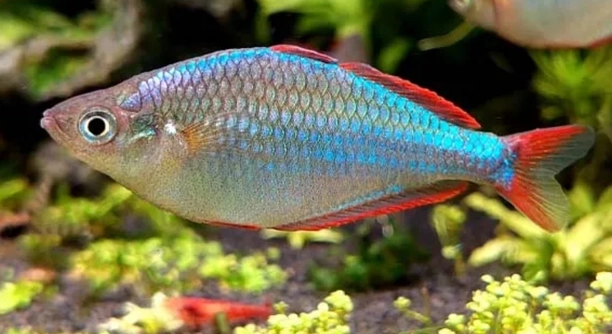
Rainbow fish are vibrant and popular aquarium fish, often admired for their colors and active nature. Many hobbyists wonder if these beautiful fish can be kept in outdoor ponds for a change of scenery.
Rainbow fish can be kept in outdoor ponds, but it depends on the climate. They thrive in temperate conditions with a stable water temperature, so they may be better suited for warmer regions with mild winters.
Caring for rainbow fish in an outdoor pond involves ensuring the right environment. Factors like pond size, water quality, and temperature stability are crucial for their well-being. Understanding these aspects will help you make the best decision for your fish.
Understanding Rainbow Fish
Rainbow fish are small, colorful fish that do well in aquariums. They are known for their striking colors and energetic movements. These fish naturally live in warm, freshwater environments, typically in streams and rivers in Australia and New Guinea. They are popular among pond owners for their appearance and behavior. However, when thinking of keeping them in an outdoor pond, it’s important to consider their environment. The temperature of the water is one of the most critical factors. Inconsistent or cold water could harm these sensitive fish.
Rainbow fish are adaptable, but they require specific conditions to thrive. It is essential to provide them with a stable and warm environment for their health. Keeping them outdoors in the right temperature range will help ensure they grow and flourish. When temperatures drop too low, rainbow fish can become stressed or even die. In warmer climates, rainbow fish do better outdoors, as long as their needs are met.
Outdoor ponds can provide a more natural habitat for rainbow fish, as they allow for more swimming space. This space is beneficial for their physical activity and overall well-being. The pond should have a good filtration system to maintain water quality. It is also essential to have plenty of plants, as rainbow fish like to hide and forage in natural vegetation. The larger the pond, the better it is for keeping a group of rainbow fish.
Temperature and Climate Considerations
The temperature of the pond is a key factor in keeping rainbow fish outdoors. These fish thrive in temperatures between 68-74°F (20-23°C). Anything cooler can lead to stress, which affects their health.
In areas with cold winters, it may be necessary to bring the fish indoors or use a pond heater to maintain a stable temperature. However, in warmer climates, rainbow fish can remain in the pond year-round. It’s vital to monitor the water temperature regularly, especially during seasonal changes.
In addition to temperature, rainbow fish need consistent water conditions to survive. If your area experiences sudden temperature fluctuations, it may not be suitable for keeping them outdoors. In such cases, creating a controlled indoor environment might be the best choice.
Pond Size and Depth
A proper pond size is crucial when keeping rainbow fish outdoors. They are active swimmers and need enough space to move around. A small pond may not offer the environment they need to thrive.
A pond that is at least 200 gallons provides enough space for a small group of rainbow fish. The pond should be deep enough, around 2-3 feet, to help maintain temperature stability and allow the fish to swim freely. A larger pond also helps in maintaining good water quality, which is important for their health.
A deeper pond will help buffer temperature fluctuations, especially during hot or cold seasons. Shallow ponds are more prone to rapid temperature changes, which can stress rainbow fish. Also, ensure the pond has an area for fish to hide and feel safe, as this will encourage their natural behavior.
Pond Filtration and Water Quality
Maintaining water quality is essential when keeping rainbow fish in a pond. They are sensitive to water changes, and poor water quality can lead to diseases or stress.
Investing in a high-quality filtration system is key. A good filter will help remove excess nutrients, waste, and debris from the water. This creates a cleaner environment for the fish. Regularly testing the water for ammonia, nitrites, and pH levels is also important to ensure the fish remain healthy.
Rainbow fish need clear, clean water to thrive. Without proper filtration, the pond water could become murky, which might negatively affect the fish. Consistent maintenance of both the filter and water quality will reduce stress and help prevent common pond diseases.
Feeding Rainbow Fish in Outdoor Ponds
Rainbow fish are omnivores and need a balanced diet to stay healthy. In a pond, they can forage for insects, algae, and small plants. However, supplemental feeding is still required to ensure they get all the nutrients they need.
Offering a variety of high-quality flakes, pellets, and frozen foods can help meet their dietary needs. Make sure to feed them only what they can eat in a few minutes to prevent water contamination. Overfeeding can lead to poor water quality, which may stress the fish. It’s best to feed them twice a day.
Pond Plants and Hiding Spots
Adding plants to your pond will benefit rainbow fish by providing them with shelter and hiding spots. Plants help create a natural environment, reducing stress and allowing them to feel secure.
Plants also improve water quality by absorbing excess nutrients and producing oxygen, which benefits the fish. Choose a mix of floating, submerged, and marginal plants to offer variety and provide both shade and cover. Plants like water lilies and hornwort are great choices for this type of habitat. They also encourage natural behaviors like foraging and hiding.
Seasonal Considerations
During colder months, rainbow fish will need extra care. In regions with freezing temperatures, it’s important to either bring the fish indoors or use a pond heater. They cannot survive in freezing water, and prolonged cold exposure can lead to death.
In warmer months, the fish will do well in the pond as long as the water temperature is stable. Seasonal changes affect pond water quality, so keep an eye on filtration and water conditions. Regular water checks during the transition seasons can prevent issues and help your fish stay healthy.
FAQ
Can rainbow fish live with other pond fish?
Yes, rainbow fish can live with other peaceful pond fish. They are generally social and do well in community setups. Make sure to avoid aggressive species that may stress them. Good tankmates include other peaceful species such as guppies, tetras, and small catfish. Just ensure that the other fish share similar water and temperature requirements.
What is the best water temperature for rainbow fish?
Rainbow fish thrive in water temperatures between 68-74°F (20-23°C). They are sensitive to temperature changes, so it’s important to keep the pond within this range, especially during seasonal transitions. If the water gets too cold or too hot, rainbow fish may become stressed and susceptible to illness.
How do I prevent disease in my rainbow fish?
To prevent diseases, it’s important to maintain a clean pond with stable water conditions. Regularly check the water parameters, such as pH, ammonia, and nitrites. Ensure the pond has proper filtration and avoid overfeeding, as excess food can contribute to poor water quality. Additionally, observe your fish for signs of stress or illness and remove any affected fish promptly.
Do rainbow fish need a filter in their outdoor pond?
Yes, a filter is essential for rainbow fish in outdoor ponds. It helps keep the water clean by removing waste, debris, and excess nutrients. A good filtration system helps maintain a stable environment and reduces the risk of diseases. Without proper filtration, the water quality can quickly deteriorate, affecting the health of the fish.
How often should I feed my rainbow fish in an outdoor pond?
Feed rainbow fish twice a day, offering only what they can consume in a few minutes. In an outdoor pond, they may also forage for natural food sources, so be mindful not to overfeed. Overfeeding can cause water contamination, which will stress the fish. Monitor their behavior to determine if they need more or less food.
Can rainbow fish survive the winter in an outdoor pond?
Rainbow fish are not cold-hardy and may struggle or die in freezing temperatures. If you live in an area with cold winters, you’ll need to either bring them indoors or use a pond heater to maintain a stable water temperature. Without proper warmth, rainbow fish cannot survive in frozen ponds. In mild climates, they may be fine outdoors, as long as the temperature remains within their preferred range.
What plants should I add to my pond for rainbow fish?
Rainbow fish appreciate plants in their pond for both shelter and food. Submerged plants like hornwort or java moss are excellent choices, providing hiding spots and surface area for the fish to explore. Floating plants, such as water lettuce, can also offer shade and reduce direct sunlight. Marginal plants like water lilies are also a good option, adding beauty to the pond while creating additional hiding spaces.
Can I keep rainbow fish in a small pond?
Rainbow fish need space to swim, so a small pond may not be the best option. It’s recommended to have a pond that is at least 200 gallons for a small group of rainbow fish. A larger pond gives them more room to swim and ensures better water quality. Small ponds may also have trouble maintaining a consistent temperature, which can stress the fish.
How can I maintain good water quality in a pond with rainbow fish?
Good water quality is crucial for the health of rainbow fish. Ensure your pond has proper filtration, and regularly test the water for ammonia, nitrites, and pH. Perform water changes as needed, removing any excess debris or waste. Avoid overfeeding, as this can negatively impact water quality. Having plants in the pond also helps absorb excess nutrients and keeps the water oxygenated.
Do rainbow fish need to be in schools?
Rainbow fish are social and enjoy being in groups, though they don’t require large schools to thrive. Keeping them in small groups of at least 4-5 fish will allow them to feel more comfortable and exhibit natural behaviors. A larger group can be beneficial, but it’s not necessary for their well-being. As long as they are in a small group, they will be happier and less stressed.
Are rainbow fish easy to breed in a pond?
Breeding rainbow fish in a pond can be possible but requires specific conditions. They prefer slightly warmer water temperatures and plenty of plants to lay eggs on. Providing plants like java moss or spawning mats will encourage them to breed. Once the eggs are laid, you’ll need to protect them from other fish, as they may eat them. With the right environment, rainbow fish can successfully breed in a pond.
Final Thoughts
Rainbow fish can make a vibrant and lively addition to your outdoor pond, provided the conditions are right. They are colorful and active, and their presence can bring a touch of beauty to your pond environment. However, keeping them in an outdoor pond requires careful consideration of temperature, pond size, and water quality. They thrive best in stable conditions, so monitoring these factors is key to ensuring their well-being. In warmer climates, rainbow fish can remain outdoors year-round, but in cooler areas, you may need to take extra steps to protect them during the colder months.
Maintaining a healthy pond environment is crucial for rainbow fish. Good filtration, regular water testing, and appropriate feeding habits will help prevent many common issues. Rainbow fish are sensitive to poor water quality, so it’s important to avoid overfeeding and ensure the pond is clean. If you’re planning to add them to your pond, be prepared to keep an eye on the water’s condition and make adjustments as needed. Also, remember that while rainbow fish are social, they also need enough space to swim freely. A pond that’s at least 200 gallons in size with a proper filtration system is ideal.
In the end, with the right care and attention, rainbow fish can thrive in outdoor ponds. They are relatively low-maintenance as long as their environmental needs are met. Whether you choose to keep them with other peaceful pond fish or allow them to enjoy the space on their own, rainbow fish can add movement and color to your pond. Just ensure that the pond provides the necessary warmth, space, and clean water to help them live a long and healthy life.

Hello,
If you enjoy the content that we create, please consider saying a "Thank You!" by leaving a tip.
Every little bit helps us continue crafting quality advice that supports the health, happiness, and well-being of pets around the world, for pets of all shapes, sizes, and species.
We really appreciate the kindness and support that you show us!