
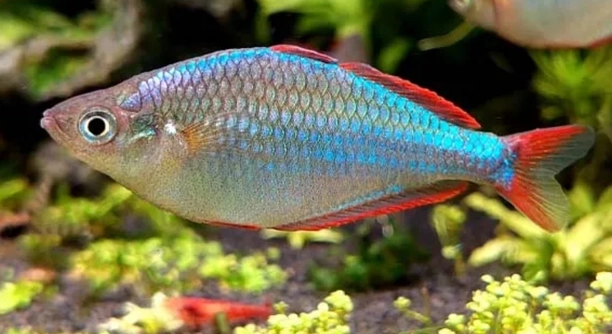
Are your rainbow fish showing signs of breeding and you’re suddenly unsure what to do with their delicate eggs? Understanding how to care for fish eggs can feel overwhelming, especially if it’s your first time.
Rainbow fish eggs are small, adhesive, and usually laid among plants or spawning mops. They require a clean, stable environment with gentle filtration and careful handling to prevent fungus and ensure successful hatching.
Knowing what to expect can make caring for the eggs easier and more rewarding. These tips and facts can help you feel more confident as a fish parent.
What Rainbow Fish Eggs Look Like
Rainbow fish eggs are very small, round, and clear with a slight yellowish tint. They often stick to plants, fine-leaved decorations, or specially placed spawning mops. You might need to look closely to see them. The eggs are usually about 1 millimeter in size and are laid singly, not in clusters. A healthy egg will appear slightly firm with a smooth surface, while a dead one may turn white or cloudy. Most species of rainbow fish lay eggs over the course of several days rather than all at once. If you’re breeding them intentionally, placing a spawning mop in the tank can make it easier to collect the eggs for separate care. This reduces the risk of adults eating them, which can happen if eggs are left in the main tank. Once collected, eggs can be transferred to a clean container with gentle aeration and stable water conditions.
Look for small, sticky dots on plants or artificial mops during the morning hours.
Each egg typically hatches within 7 to 10 days, depending on the water temperature and species. Keep the tank temperature steady—usually around 75°F—to ensure proper development. Remove any white or fuzzy eggs as they may affect healthy ones nearby.
How to Care for Rainbow Fish Eggs
Separate the eggs from adult fish to prevent them from being eaten.
When caring for rainbow fish eggs, gentle handling and clean conditions are key. Use a soft net or your fingers to move the eggs to a separate hatching tank or container filled with water from the original tank. Keep the temperature steady, between 74°F and 78°F, and add an air stone to promote oxygen flow without creating strong currents. It’s a good idea to add a few drops of methylene blue to prevent fungal growth, especially if you notice any eggs turning white or developing a fuzzy coating. Remove dead eggs daily to protect the rest. Avoid using filters with strong suction, as they may pull in eggs or fry once they hatch. Instead, go with sponge filters or none at all until the fry are swimming freely. Within a week, the eggs should begin to hatch, and you’ll see tiny fry start to move. Make sure the water remains clean by doing gentle water changes every few days.
What to Feed the Fry
Once the eggs hatch, the fry won’t eat right away. They live off their yolk sacs for the first few days. After that, they’ll need tiny, nutritious food that’s easy to digest and won’t foul the water quickly.
Infusoria is one of the best first foods for rainbow fish fry. It’s small enough for their tiny mouths and easy to culture at home using lettuce or a piece of vegetable in a jar of tank water. After about a week, you can start introducing freshly hatched baby brine shrimp or microworms. These foods help them grow quickly and stay healthy. Feed small amounts several times a day and clean the tank regularly to keep the water quality high. Avoid overfeeding, as uneaten food can cause problems in such a delicate environment. Keeping a steady feeding routine will support their steady development during the early stages.
As the fry grow larger, you can slowly introduce crushed flake food or powdered fry food. Do this gradually so their digestive systems adjust without issues. Always check that the fry are actively eating and remove uneaten food right after each feeding. Consistent, balanced feeding during this stage supports strong development and increases survival rates. Keep observing their growth and adjust their food accordingly.
Common Problems With Rainbow Fish Eggs
Fungus is a common issue, especially if the water isn’t clean or if dead eggs aren’t removed quickly. Dead or infected eggs can spread fungus to the healthy ones nearby. Temperature swings also reduce hatch success.
Water quality problems can harm both eggs and fry. High ammonia, dirty tanks, or uncycled water can lead to failed hatches or slow development. Always keep the water clean and stable—test for ammonia, nitrites, and nitrates. Use a sponge filter to prevent eggs from being sucked in while still keeping the water clear. Eggs turning white or developing fuzz are signs of fungus. Treat early with methylene blue and remove infected eggs daily. Another problem is parents eating the eggs. This is why separating the eggs into a breeding or hatching tank is so important. Even gentle fish like rainbows may snack on their own eggs if given the chance. Keeping an eye on the tank and acting quickly makes all the difference.
How Long to Wait for Eggs to Hatch
Most rainbow fish eggs hatch within 7 to 10 days if the water temperature stays between 74°F and 78°F. Cooler water slows down development, while warmer temperatures speed it up slightly but can also raise risks.
Check on the eggs daily and look for tiny movements inside the eggs around day 5 or 6. Remove any dead ones to protect the healthy ones and maintain water quality.
Do Rainbow Fish Eat Their Own Eggs?
Yes, adult rainbow fish often eat their own eggs if given the chance. They don’t provide care after spawning, so it’s best to separate the eggs quickly. Using a spawning mop helps collect eggs easily for transfer to a safer tank or container.
When to Start Feeding the Fry
Begin feeding once the yolk sacs are gone, usually around day 3 after hatching. Start with infusoria, then move to baby brine shrimp.
FAQ
What temperature do rainbow fish eggs need to hatch?
Rainbow fish eggs typically hatch best at a water temperature between 74°F and 78°F. Lower temperatures will slow down the hatching process, while higher temperatures may speed things up but can also lead to increased risks, like fungal growth. Maintaining a stable temperature is key to successful hatching.
How do I know if the eggs are fertilized?
Fertilized rainbow fish eggs are clear with a slight yellowish tint. If the eggs are clear and show movement inside after a few days, they are most likely fertilized. Unfertilized eggs will usually appear cloudy or white and should be removed quickly to avoid contamination of healthy eggs.
Can rainbow fish eggs be left with the parents?
It’s not recommended to leave rainbow fish eggs with the parents. In many cases, the adults may eat the eggs, especially if they are hungry or stressed. Moving the eggs to a separate tank or breeding container helps ensure better survival rates and reduces the risk of them being eaten.
How can I prevent fungus on the eggs?
Fungus is a common issue with fish eggs. To prevent it, maintain clean water conditions, remove dead eggs daily, and add methylene blue to the water, which can help prevent fungal growth. Be sure to also avoid overfeeding, as leftover food can contaminate the water and lead to fungus.
What happens if the eggs don’t hatch?
If the eggs don’t hatch within the expected time frame, it may be due to poor water quality, incorrect temperature, or fungal infection. If the eggs look cloudy or fuzzy, they’re likely dead. It’s best to remove these to keep the healthy ones from being affected. If the eggs are still clear but haven’t hatched, check your water temperature and quality. Sometimes, adding a small amount of aquarium salt can help stimulate the hatching process.
How can I collect the eggs without disturbing the tank too much?
To collect rainbow fish eggs, use a spawning mop or fine-leaved plants in the tank. These provide the eggs with a place to attach. After the eggs are laid, gently remove the spawning mop or plants and place them in a separate hatching tank with water from the original tank. This will avoid disturbing the fish and reduce the chance of them eating the eggs.
How often should I change the water for the fry?
For fry, water changes should be done regularly but gently to avoid stressing them. It’s recommended to change 10-20% of the water every few days. Be sure to use a fine mesh net to avoid sucking up the tiny fry. Always make sure the new water matches the temperature and pH of the original tank to avoid shocking the fry.
What should I do if the fry aren’t eating?
If your fry aren’t eating, check if the food is small enough for them to consume. Infusoria or freshly hatched baby brine shrimp is the best food for the tiny fry initially. If they still won’t eat, check the water quality and make sure the tank is clean. Also, make sure they have enough space and hiding spots to feel secure, as stress can cause them to stop feeding.
Can I raise rainbow fish fry with other species?
It’s not recommended to raise rainbow fish fry with other species, especially if they are small and delicate. Other fish might eat the fry, or they could introduce diseases or parasites. Keeping the fry in a separate tank with clean, stable conditions will give them the best chance to grow strong and healthy.
How long do rainbow fish fry take to grow?
Rainbow fish fry grow relatively quickly, but the process varies depending on species and conditions. Typically, fry reach a noticeable size after 4-6 weeks, with the adults becoming visible after around 3-4 months. The fry’s growth rate is influenced by water quality, food availability, and temperature. Keeping the environment stable and providing high-quality nutrition will help speed up the growth process.
Are rainbow fish eggs affected by light?
Rainbow fish eggs are not directly affected by light, but it’s best to keep them in a tank with dim or moderate lighting. Bright lights may stress the eggs or cause algae growth in the tank, which could affect water quality. A consistent day-night cycle with some dim lighting will help mimic their natural environment and promote healthy development.
Can rainbow fish breed in a community tank?
Rainbow fish can breed in a community tank, but there are challenges. Other fish may eat the eggs, and the water conditions might not be ideal for spawning. If you want to breed rainbow fish in a community setup, provide plenty of plants or a spawning mop to give the eggs a safe space. You may need to remove the eggs shortly after they’re laid to protect them from being eaten.
How long can rainbow fish eggs survive without hatching?
Rainbow fish eggs can survive for a while without hatching, but they shouldn’t be left too long. If the eggs are kept in stable conditions, they can last up to two weeks before hatching. However, if they don’t hatch within the expected timeframe, it’s best to check the temperature and water quality, as these factors influence hatch rates. Dead eggs should be removed immediately to prevent contamination.
Final Thoughts
Caring for rainbow fish eggs can feel like a challenging task, but with the right approach, it becomes much easier. Keeping the eggs in a separate tank or container after they are laid ensures a safer environment where they can develop without the risk of being eaten by adult fish. Maintaining stable water temperature and high water quality is essential to ensure successful hatching. If you follow these basic steps, the chances of your eggs hatching and your fry growing into healthy fish are much higher.
It’s also important to be patient and observant during the hatching process. Rainbow fish eggs can take a week or more to hatch, and during that time, you need to make sure the water stays clean and free from harmful chemicals or bacteria. If you notice any eggs turning white or fuzzy, they should be removed immediately to prevent the spread of fungus. Always check the eggs daily to ensure they are developing well and that no dead eggs are contaminating the rest.
Finally, once the fry are hatched, they will need extra care. Offering small, nutritious food such as infusoria or baby brine shrimp is essential in the first stages of life. As the fry grow, you can gradually introduce larger foods like powdered flake food. Don’t forget to keep the fry tank clean and ensure that the water temperature is suitable for growth. By taking the right steps and paying attention to the needs of your rainbow fish eggs and fry, you’ll be able to raise them successfully.

Hello,
If you enjoy the content that we create, please consider saying a "Thank You!" by leaving a tip.
Every little bit helps us continue crafting quality advice that supports the health, happiness, and well-being of pets around the world, for pets of all shapes, sizes, and species.
We really appreciate the kindness and support that you show us!