
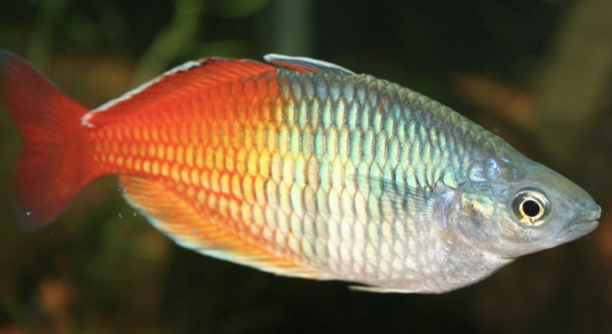
Have you ever brought home a single rainbow fish and wondered if it could truly thrive without companions in its tank?
Rainbow fish are generally considered schooling fish and thrive best when kept in groups of six or more. Keeping just one may lead to stress, reduced activity, and shortened lifespan, as social interaction is essential for their well-being.
While one rainbow fish might seem manageable, learning how group dynamics affect behavior and health can guide you toward better aquarium care.
Why Rainbow Fish Need Companionship
Rainbow fish are active, social swimmers that do best when kept in groups. In the wild, they form schools for safety, comfort, and interaction. When kept alone, they often become shy, withdrawn, and less colorful. Their natural behavior includes chasing and displaying among others of their kind, which cannot happen in isolation. Without this stimulation, their quality of life is reduced, and they may hide more or stop eating as much. If you only have space for a small tank, consider smaller schooling species instead. Keeping rainbow fish happy means offering enough space for a group of six or more. This not only helps them thrive but also makes them more engaging to watch. The interactions between group members can be both calming and enjoyable to observe. Their colors also tend to appear more vivid when they are surrounded by other rainbow fish.
One rainbow fish in a tank may survive, but it likely won’t thrive. These fish depend on social structure.
You may not notice the signs right away, but a single rainbow fish often becomes inactive or nervous over time. They may hover in one corner, lose their appetite, or stop displaying their natural color. In contrast, a group setting encourages natural activity like swimming, foraging, and occasional light chasing. These behaviors reflect better mental stimulation and overall well-being. It’s not about keeping a school just for looks—it’s about supporting their health and behavior. Even in smaller home aquariums, there are ways to make a group setup work. Narrow tanks with plenty of horizontal swimming space help mimic their natural environment. Adding plants and hiding spots also allows them to feel secure while still being part of a group. Making this effort leads to a livelier and more content tank overall.
Common Mistakes When Housing Rainbow Fish Alone
Many people assume that one rainbow fish will be easier to care for, especially in smaller tanks or beginner setups.
Unfortunately, keeping a single rainbow fish often leads to behavior issues or long-term stress. These fish are wired for social interaction, and without that, they tend to become nervous or withdrawn. Some fishkeepers mistake this for shyness or an illness when it’s really a lack of stimulation. Adding tank mates from different species doesn’t always help either—rainbow fish prefer their own kind for proper schooling behavior. Instead of placing one in a small setup, it’s better to either commit to a group with adequate space or choose a smaller schooling fish that matches your tank size. Rainbow fish also prefer swimming in open areas, so tanks that are too crowded or lack structure can add to their discomfort. Watching a group of healthy rainbow fish move together is rewarding and shows just how important their social needs really are.
Behavioral Changes in Isolated Rainbow Fish
A rainbow fish kept alone often becomes dull in color and inactive. Without others to interact with, they may stay hidden or swim less. This change can affect both their physical health and emotional state over time.
In a group, rainbow fish interact through mild chasing, displaying their fins, and schooling together. These behaviors stimulate their natural instincts and help reduce stress. When isolated, they lose this stimulation and may become anxious. You might notice them avoiding food or retreating to a corner of the tank. Over time, this can impact their immune system and make them more prone to illness. A lack of social engagement also limits their movement, which affects their physical condition. While other fish may share the tank, they don’t replace the specific social structure rainbow fish need with their own kind. Proper group dynamics help these fish feel more secure and active.
Color is another area where changes are easy to see. Rainbow fish are known for their vibrant hues, but stress from isolation can cause these colors to fade. This is not just cosmetic—it signals their reduced well-being. Their appetite may also decrease when they feel unsafe or alone. Keeping them in a group encourages more natural feeding behaviors. It’s common to see a rainbow fish in a school eagerly chasing food and swimming with energy. If yours seems disinterested or sluggish, social isolation might be the cause. Long-term stress can even shorten their lifespan. Providing companionship helps maintain both their appearance and their internal health, making a group setup the better option.
Creating a Healthy Group Environment
Rainbow fish need space to school comfortably. A tank of at least 30 gallons is recommended for a small group of six. Avoid over-decorating the tank, as they prefer open areas for swimming and clear lines of sight.
Besides tank size, water quality and layout affect their behavior. Keep the water clean, with stable temperature and pH levels suited to their species. Arrange decorations around the edges, allowing open space through the center for movement. Live plants help reduce stress and create hiding spots without blocking swim paths. A tight-fitting lid is also useful, as rainbow fish can jump when startled. Feeding a balanced diet keeps them active, and using high-quality flakes or pellets with the occasional live treat works well. Introduce group members at the same time to reduce territorial behavior. When the tank environment matches their needs, rainbow fish show their best colors and stay healthier overall.
Tank Mates That Don’t Replace Their Own Kind
Some fishkeepers add different species to provide company, but this doesn’t solve the problem. Rainbow fish rely on specific social behaviors that only occur with their own kind, not with tetras or bottom dwellers.
Even peaceful tank mates won’t fulfill the same role. Without other rainbow fish, the isolated fish remains under-stimulated and stressed. Watching them may seem calm, but it’s often a sign of discomfort, not contentment.
When Keeping One Rainbow Fish Might Be Acceptable
In rare cases, keeping one rainbow fish is manageable if the fish is elderly, injured, or recovering from stress. A calm environment with no competition or chasing may support healing. Even then, it’s a temporary solution. Long-term, this setup doesn’t meet their natural needs. If space limits the setup, consider a smaller group-oriented species that requires less room. Rainbow fish are best appreciated when they have space and companionship to display their full behavior and color. For those serious about their care, planning for a proper group is worth the effort and improves both health and appearance.
What to Remember Before Choosing One
Keeping just one rainbow fish can work in limited cases, but it’s not ideal for their health or behavior long-term.
FAQ
Can a single rainbow fish live a full life alone?
A single rainbow fish may survive alone, but it won’t thrive. These fish are naturally social and rely on group interaction for stimulation and stress relief. Without companions, they often become inactive, lose color, and show signs of anxiety. Over time, this can impact their overall health and shorten their lifespan. While some individuals may adapt to solitude if raised that way from a young age, it’s not a recommended setup for long-term well-being. If you can’t provide a group, choosing another species better suited to solitary life may be more appropriate.
How many rainbow fish should be kept together?
Rainbow fish do best in groups of six or more. This number allows them to school naturally, establish a social hierarchy, and feel secure in their environment. Keeping fewer than six can lead to aggression or anxiety, especially if one fish becomes dominant. A proper group helps distribute attention and activity, allowing each fish to express normal behaviors. If tank size is a concern, consider smaller rainbow species like dwarf neon rainbows. Always aim to match species and size when forming a group, as mixing incompatible types can lead to stress or injury.
Can rainbow fish get along with other species?
Yes, rainbow fish are generally peaceful and can live with other community fish. Good tank mates include tetras, rasboras, danios, and peaceful bottom dwellers like corydoras. However, they still need others of their kind for social interaction. Tank mates don’t replace the need for a rainbow school. Also, avoid aggressive or very slow-moving fish, as rainbow fish are active swimmers. Mixing species is fine for variety, but always prioritize their need to socialize with their own. Monitor interactions closely when introducing new fish to make sure the environment stays balanced.
What tank size do I need for a group of rainbow fish?
A 30-gallon tank is the minimum for a small group of six dwarf rainbow fish. Larger species will need 40 to 55 gallons or more, depending on the number. Rainbow fish are active swimmers, so horizontal space is more important than height. Open swimming areas are essential. Decorations should be placed around the edges to leave room in the middle. Overcrowding leads to water quality issues and stress. Always plan based on the adult size of the fish, not their juvenile form. A bigger tank supports better group behavior and makes maintenance easier.
Why is my rainbow fish hiding or not eating?
Hiding or refusing food can be signs of stress, illness, or loneliness. A rainbow fish kept alone often exhibits these behaviors due to lack of stimulation or comfort. Sudden changes in water conditions, aggressive tank mates, or poor lighting can also cause this. Always check water parameters first, then observe social interactions. If the fish is isolated, consider introducing others of its species. Group dynamics often help them feel safe and more interested in food. If symptoms continue, check for illness or injury and treat accordingly.
Do male and female rainbow fish need to be kept together?
It’s recommended to keep a balanced group of males and females if possible. Males tend to be more colorful and display more when females are present, especially during breeding seasons. However, too many males and not enough females can lead to aggression or stress. A good ratio is about two females for every male, though this depends on the species. If breeding is not your goal, an all-male group can still work, but the tank must be spacious with plenty of hiding spots. Monitor behavior to ensure no fish becomes dominant or aggressive.
What signs show a rainbow fish is happy?
A happy rainbow fish is active, swims freely, eats regularly, and displays vibrant color. You’ll see them interacting with others in the group, chasing gently, or schooling together. They respond to feeding time with excitement and move confidently throughout the tank. Dull colors, hiding, or staying still are signs of stress or illness. Clean water, a stable environment, and companionship keep them in good condition. The more natural their surroundings feel, the better they behave. Their energy and color are strong indicators of well-being.
Can rainbow fish become aggressive when kept alone?
Aggression isn’t common in isolated rainbow fish, but they can become territorial or nippy if kept in cramped or stressful conditions. More often, they show signs of withdrawal, hiding, or decreased activity. Aggression is more likely when the tank is too small or when new fish are introduced suddenly. Isolation may not trigger aggression, but it can lead to erratic behavior if the fish feels unsafe. Keeping them in a well-planned group setup helps balance behavior. Rainbow fish generally do better when they have enough space and social structure.
Final Thoughts
Keeping just one rainbow fish might seem like a simple option, especially if you’re working with limited space or new to fish care. However, rainbow fish are not solitary by nature. They prefer the company of their own kind and tend to stay healthier, more active, and more colorful in a group. While one fish can survive alone, it may not show the same bright colors or active swimming behavior that makes this species enjoyable to watch. Over time, isolation can affect their mood and well-being, leading to stress-related issues or a shorter lifespan.
If you’re considering rainbow fish for your tank, it’s best to plan for at least six of the same species. This allows them to interact normally, feel secure, and express natural schooling behavior. When they live in groups, rainbow fish show their best personalities—playful, curious, and peaceful. A proper tank setup, consistent water conditions, and a calm environment all play a role in keeping them healthy. While they can share a tank with other peaceful fish, that does not replace the need for a group of their own species. The balance of a proper group setup is important to their long-term success.
Rainbow fish are beautiful, active additions to a community aquarium when kept in the right conditions. Choosing to keep only one should not be a long-term decision unless there is no other option. If space is a concern, consider smaller rainbow fish species or rethink your fish choice entirely to match your setup. Their care requires commitment, but the result is a tank full of life, movement, and color. Giving your rainbow fish companions, room to swim, and a healthy environment makes a noticeable difference. A single fish may seem easier, but a small school brings out the full beauty and behavior of the species.

Hello,
If you enjoy the content that we create, please consider saying a "Thank You!" by leaving a tip.
Every little bit helps us continue crafting quality advice that supports the health, happiness, and well-being of pets around the world, for pets of all shapes, sizes, and species.
We really appreciate the kindness and support that you show us!