
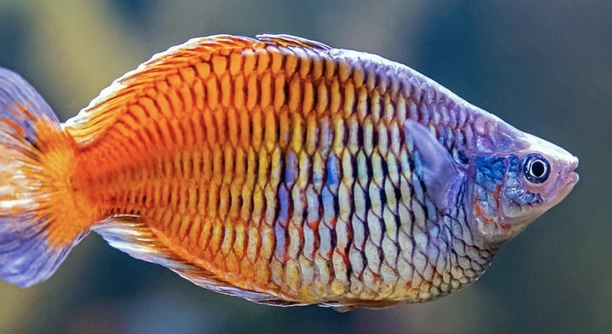
Rainbow fish are a popular choice for aquariums due to their vibrant colors and peaceful nature. However, their sensitivity to water conditions, including temperature changes, raises concerns about their ability to thrive in fluctuating environments.
Rainbow fish are sensitive to temperature changes, and sudden shifts can stress them. They are best suited for stable water temperatures between 72°F and 79°F. Rapid fluctuations can affect their health, behavior, and overall well-being.
Managing water temperatures is essential for maintaining the health of rainbow fish. Ensuring stability can prevent stress and improve their chances of thriving in a home aquarium.
How Temperature Fluctuations Affect Rainbow Fish
Rainbow fish, like many aquatic species, are sensitive to changes in water temperature. When the temperature fluctuates rapidly, it can cause stress and discomfort. This stress weakens their immune system, making them more susceptible to diseases and parasites. Prolonged exposure to unstable conditions can even lead to long-term health issues, such as stunted growth or reduced lifespan.
Maintaining a steady temperature range in your tank is critical for keeping your rainbow fish healthy. Keeping the water temperature consistent will reduce the stress caused by sudden changes, helping them thrive.
In a home aquarium, the temperature should remain stable between 72°F and 79°F. Regularly checking the temperature using a reliable thermometer is important. A tank heater can help regulate the water temperature, especially in colder environments. This will ensure your rainbow fish remain comfortable, reducing the risk of stress and health problems. Proper filtration also plays a role in maintaining the overall water quality, which can impact their ability to adjust to slight temperature changes.
Tips for Maintaining Stable Water Temperature
To ensure a steady environment for your rainbow fish, investing in a quality tank heater is essential. Regularly monitoring the water temperature will help prevent rapid fluctuations that may lead to stress.
A tank heater, combined with an aquarium thermometer, provides the best way to control the water temperature. Placing the heater near the filter intake allows for even heat distribution throughout the tank. It’s also crucial to avoid placing the tank in areas with temperature extremes, such as near windows or air conditioners, where environmental changes may affect the water temperature. Additionally, consider using a tank cover to minimize heat loss from evaporation, particularly in colder climates. Regular water changes will also keep the overall tank environment fresh and more stable.
The Role of Water Quality in Temperature Regulation
Water quality directly impacts how rainbow fish react to temperature changes. Poor water quality can stress the fish, making it harder for them to adjust to temperature shifts. Ammonia, nitrites, and high nitrate levels can cause irritation, weakening the fish’s immune system.
Maintaining high water quality is essential for the overall health of rainbow fish. Regular water changes help to keep harmful toxins at bay. It’s also important to use an effective filtration system to remove debris and waste. Water conditioners can further help in balancing parameters such as pH and hardness, ensuring the water stays suitable for the fish. Consistent water quality makes it easier for your fish to adapt to minor temperature changes.
Having an efficient filtration system prevents the buildup of harmful substances like ammonia and nitrites. The filter should be cleaned regularly, ensuring optimal performance. Additionally, test the water weekly for common parameters such as pH, ammonia, nitrites, and nitrates. This will help you monitor the water’s suitability for your rainbow fish. By maintaining stable water quality, you make it easier for your fish to cope with slight temperature fluctuations without stressing them.
The Impact of Tank Size on Temperature Stability
The size of your tank plays a crucial role in how easily temperature changes are managed. A larger tank provides more water volume, which helps maintain a consistent temperature, as larger bodies of water are less prone to rapid fluctuations.
In smaller tanks, the water temperature can change quickly due to external factors such as lighting, air conditioning, or even the temperature of the room. To avoid this, place your tank in a stable area with minimal exposure to these influences. For smaller tanks, a quality heater and thermometer are essential to regulate the temperature effectively.
Investing in a larger tank may help maintain a more stable environment for your rainbow fish, especially in homes with fluctuating room temperatures. A larger volume of water has greater thermal mass, meaning it’s less likely to change quickly. A well-maintained filtration system will further help with stabilizing both temperature and water quality. The size of your tank, along with other environmental factors, plays a vital role in the overall health of your fish.
The Benefits of Tank Heaters for Temperature Control
A tank heater helps maintain a stable temperature in your aquarium. It ensures the water stays within a comfortable range for rainbow fish, preventing fluctuations that could cause stress or illness.
Heaters with built-in thermostats are ideal for maintaining consistency. They automatically adjust the temperature, reducing the risk of overheating or underheating. Regularly check the heater’s functionality to avoid sudden temperature drops. Also, ensure the heater is appropriately sized for your tank to achieve optimal results.
Monitoring Temperature Changes
Temperature fluctuations can happen due to various factors like external weather or power outages. Monitoring temperature changes regularly ensures you catch any sudden drops or increases early.
Using a digital thermometer is an easy way to track any shifts in temperature. It’s best to place the thermometer away from the heater to get an accurate reading.
FAQ
How can I prevent temperature fluctuations in my tank?
The best way to prevent temperature fluctuations is by using a reliable tank heater with an automatic thermostat. Regularly monitor the temperature with a thermometer, and make sure your aquarium is in a room with stable environmental conditions. Avoid placing the tank near windows, heaters, or air conditioners, as these can cause temperature spikes. Using an aquarium cover also helps reduce heat loss through evaporation.
What happens if the water temperature drops too low for rainbow fish?
If the water temperature drops below the ideal range of 72°F to 79°F, rainbow fish may become stressed and inactive. A sudden drop can cause them to stop feeding and reduce their overall immune response. Prolonged exposure to cold water can lead to diseases and, in severe cases, death. To prevent this, keep your heater in good working condition and ensure the room temperature remains stable.
Can rainbow fish tolerate slightly colder water?
Rainbow fish can tolerate short periods of slightly cooler water, but extended exposure can cause stress and weaken their immune system. If the temperature falls below 70°F for a prolonged period, it may negatively impact their health. It’s best to keep the water temperature within the recommended range to ensure their well-being.
Is it safe to place rainbow fish in a tank with fluctuating temperatures?
Placing rainbow fish in a tank with fluctuating temperatures is not ideal. These fish prefer consistent conditions, and sudden changes can lead to stress, illness, or even death. If the temperature fluctuates frequently in your aquarium, consider investing in a more reliable heating system, and make adjustments to minimize temperature swings.
How do I know if the water temperature is too high for my rainbow fish?
If the water temperature rises above the recommended range, rainbow fish may show signs of distress such as rapid breathing, decreased activity, or erratic swimming patterns. The fish may also seek cooler areas of the tank. If temperatures exceed 82°F for extended periods, the fish may be at risk of overheating, which can lead to stress and death. Ensure you monitor the temperature and adjust the heater if necessary.
What is the best way to warm up the water if it gets too cold?
If the water temperature drops too low, you can gradually warm it up by adjusting the aquarium heater. Avoid raising the temperature too quickly, as rapid changes can cause stress. If the heater is malfunctioning or you need to warm the water faster, you can add warm water in small increments, being careful not to cause temperature shock.
Can rainbow fish adapt to warmer water?
Rainbow fish can tolerate warmer water up to a certain point, usually around 82°F. However, sustained high temperatures can cause stress and may lead to a decrease in their lifespan. The fish may become less active and have difficulty breathing if the temperature is too high. It’s important to monitor the temperature and avoid extremes to keep them healthy.
Do I need a separate heater for each tank?
If you have multiple tanks, it’s generally recommended to use a separate heater for each one. Heaters are designed to regulate the temperature for a specific tank size. Using the right-sized heater ensures that the water temperature remains stable. Sharing heaters between tanks can lead to uneven heating and temperature instability, which may affect your fish’s health.
How often should I check the water temperature in my aquarium?
It’s important to check the water temperature at least once a day, especially if you’re using a tank heater. This will help you detect any fluctuations early and prevent any potential issues. In addition, check the temperature during water changes, as adding new water can alter the tank’s overall temperature.
What temperature should the water be for breeding rainbow fish?
For breeding rainbow fish, the water temperature should be kept between 78°F and 80°F. Slightly warmer water encourages breeding behaviors, but avoid going above 82°F, as higher temperatures can stress the fish. Maintaining consistent temperature and water quality will increase the chances of successful breeding.
How do I regulate water temperature during water changes?
When performing water changes, ensure that the new water is at a similar temperature to the tank’s existing water to prevent shock. Using a thermometer to match the temperatures is crucial. If the new water is too cold or too hot, let it adjust before adding it to the tank.
Can I use a thermometer to monitor temperature fluctuations?
Yes, using a thermometer is essential for monitoring temperature fluctuations in your aquarium. Digital thermometers are precise and easy to read, while stick-on thermometers are affordable and simple to use. Regular temperature checks will help you catch any sudden changes and allow you to adjust the heater accordingly.
What should I do if the temperature fluctuates due to power outages?
If a power outage causes the temperature to fluctuate, check the water temperature as soon as possible. If it drops below the safe range, use a battery-powered heater or add warm water gradually. If the temperature increases, turn off the heater and let the water cool down naturally. Always aim for gradual changes to minimize stress.
How do I prevent excessive evaporation that causes temperature fluctuations?
To reduce evaporation, keep your tank covered with a suitable aquarium lid. This will help keep the water from evaporating too quickly and maintain a consistent temperature. Also, ensure that the tank is not in direct sunlight or near a heat source, as these can accelerate evaporation.
Can water temperature fluctuations affect the lifespan of rainbow fish?
Yes, prolonged exposure to fluctuating water temperatures can shorten the lifespan of rainbow fish. Constant stress from temperature changes weakens their immune system, making them more susceptible to diseases. Maintaining a stable temperature range within 72°F to 79°F helps promote longer, healthier lives for your fish.
Final Thoughts
Rainbow fish thrive in stable environments, and maintaining a consistent water temperature is crucial to their health and well-being. Fluctuating temperatures can cause stress and reduce their immune system’s effectiveness, making them more vulnerable to diseases. A reliable tank heater with a built-in thermostat is one of the best tools to ensure that your aquarium maintains the right temperature range. It’s also important to monitor the water temperature regularly with a thermometer to spot any changes quickly. Consistency is key to creating an environment where your rainbow fish can thrive.
Managing temperature fluctuations can be challenging, especially in tanks that are exposed to varying room temperatures or where there are power outages. In these cases, it’s helpful to have backup heating methods available. A battery-powered heater can temporarily address any drops in temperature during power failures. Additionally, placing your tank in a location where the temperature remains more constant, away from windows or air conditioning units, can help reduce the impact of external factors. Even small adjustments, such as using a tank cover to reduce evaporation, can make a difference in stabilizing the water temperature.
Keeping rainbow fish healthy requires attention to detail, and water temperature is one of the most important factors to consider. By providing a stable, comfortable environment with the right water temperature, you help ensure that your fish can grow, breed, and live a long, healthy life. With the right equipment and consistent care, you can create an ideal home for your rainbow fish, allowing them to flourish without the stress caused by temperature fluctuations.

Hello,
If you enjoy the content that we create, please consider saying a "Thank You!" by leaving a tip.
Every little bit helps us continue crafting quality advice that supports the health, happiness, and well-being of pets around the world, for pets of all shapes, sizes, and species.
We really appreciate the kindness and support that you show us!