
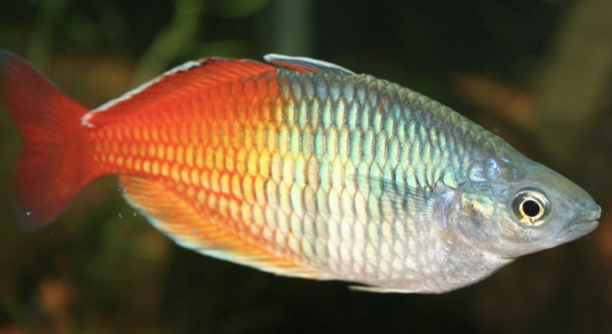
Many fish owners wonder how to reduce stress in their rainbow fish, which can be a challenge. Stress in fish can lead to health issues and even death if not addressed properly. Understanding how to reduce stress is key to maintaining a happy and healthy tank.
The best way to reduce stress in rainbow fish is to maintain stable water parameters, provide hiding spots, and ensure a peaceful tank environment. Proper diet and minimal handling also contribute to reducing stress and improving their overall well-being.
By focusing on their tank environment and care, your rainbow fish can thrive without the constant stress. This article will guide you through the top strategies for reducing stress and improving their quality of life.
1. Maintaining Stable Water Conditions
Rainbow fish are sensitive to changes in water temperature, pH, and hardness. Keeping these parameters consistent is essential for their health. A sudden shift in water conditions can cause them stress, leading to weakened immune systems and poor overall health. You should regularly check the water temperature, ideally between 72°F and 82°F, and make sure the pH is stable at 6.5 to 7.5. A water hardness of 5-15 dGH is suitable for rainbow fish.
To maintain stable water conditions, invest in a reliable water testing kit. Regular water changes, approximately 25% every two weeks, will help keep the environment clean and balanced. Avoid placing the tank in areas with direct sunlight or fluctuating temperatures, such as near windows or air conditioners. Monitoring these conditions will ensure your fish feel comfortable and secure.
Water conditioners can also help stabilize the environment, especially if you’re dealing with tap water that has irregular pH levels. A filter will help keep the water clean, but make sure it’s not too powerful, as strong currents can cause additional stress. A consistent, clean environment is one of the easiest ways to reduce stress in rainbow fish.
2. Providing Hiding Spots and Shelter
Rainbow fish feel more secure when they have areas to hide or retreat. Adding plants, rocks, or driftwood to the tank can create safe spaces where your fish can rest.
A tank filled with plants and decorations offers not only visual beauty but also the security your fish need. Rainbow fish, though generally peaceful, may feel threatened by tank mates or sudden movements. By providing them with areas to hide, like dense plants or caves, you give them a place to retreat and relax. This is especially important in a community tank.
The key is to ensure these hiding spots are spread throughout the tank so all fish have access to them. Avoid overcrowding the tank with too many decorations, as this could cause territorial issues or limit swimming space. By carefully designing the tank layout, you help minimize stress and allow your fish to thrive. Remember, a little privacy goes a long way for the well-being of your rainbow fish.
3. Avoiding Overcrowding in the Tank
Overcrowding can lead to stress and territorial issues for rainbow fish. They need enough space to swim and feel secure.
Rainbow fish thrive in tanks with adequate space, which helps reduce stress and aggression. A tank of at least 30 gallons is recommended for a small group of rainbow fish. Crowding them into a smaller space will lead to competition for resources, including food and shelter. It can also create a tense environment where fish feel threatened, leading to unhealthy behavior.
Providing enough room allows each fish to establish its own territory, reducing stress and fostering a more peaceful environment. A properly sized tank makes it easier for the fish to swim freely, stay active, and engage in their natural behaviors. Avoid stocking the tank with too many other species to minimize conflict.
4. Offering a Balanced Diet
A healthy, balanced diet plays a major role in the well-being of rainbow fish. Providing the right nutrients helps maintain their health and reduce stress.
Rainbow fish are omnivores, so offering a mix of high-quality flakes, pellets, and occasional live or frozen food like brine shrimp or bloodworms is important. A varied diet helps ensure they get all the essential vitamins and minerals. Overfeeding, however, can lead to poor water quality and stress. Make sure to feed only what they can eat in a few minutes, removing any uneaten food promptly.
Consider incorporating vegetable matter into their diet as well. Offer blanched spinach, zucchini, or spirulina flakes for added variety. This helps mimic their natural diet in the wild and keeps them well-nourished. Always aim for a balance between protein and plant-based foods for optimal health. Proper feeding habits support the immune system and overall vitality of your rainbow fish.
5. Minimizing Loud Noises and Vibrations
Rainbow fish are sensitive to loud noises and vibrations, which can make them feel anxious and stressed.
Try to place the tank in a quiet area of your home, away from loud sounds like heavy foot traffic or music. Vibrations from nearby machinery or appliances can also stress the fish. Keep the tank stable and free from sudden disturbances, allowing the fish to remain calm.
Using a soft filter can help reduce noise levels in the tank. In addition, avoid tapping the glass, as sudden movements can also cause them stress. Ensuring a quiet environment is key for keeping your rainbow fish comfortable and healthy.
6. Selecting Compatible Tank Mates
Choosing peaceful tank mates can help reduce stress. Avoid aggressive species that might threaten your rainbow fish.
Rainbow fish generally do well in community tanks, but certain species can cause unnecessary stress. Avoid keeping them with overly aggressive or territorial fish, as these behaviors can lead to constant stress and even injury. Peaceful species, such as tetras or catfish, are ideal companions. Keeping compatible tank mates will help ensure a harmonious environment.
7. Keeping Lighting Consistent
Rainbow fish thrive under stable lighting conditions, and sudden changes in light can stress them out.
Maintaining a consistent light schedule, with around 10-12 hours of light per day, is essential. Use a timer to keep the lighting on a regular cycle, mimicking their natural day-night rhythm. This stability helps the fish feel more secure and less anxious.
FAQ
What are the signs that my rainbow fish are stressed?
Rainbow fish show signs of stress in various ways, including changes in behavior, physical appearance, and overall health. Look for symptoms like hiding more than usual, erratic swimming, loss of color, or faded markings. You may also notice them becoming less active or not eating as much. These signs could indicate stress caused by poor water quality, overcrowding, or incompatible tank mates.
How often should I clean my rainbow fish tank?
Regular maintenance is crucial to keep your rainbow fish healthy. Perform partial water changes about 25% of the tank’s volume every two weeks to keep water clean and remove waste. Also, clean the filter and check for debris every month. Over-cleaning can stress your fish, so avoid frequent deep cleans unless necessary. A balanced approach to tank maintenance is key.
Can rainbow fish live with other species?
Yes, rainbow fish are generally peaceful and can live with many other species. They are social creatures, so they do well in community tanks with similarly peaceful fish. Tetras, guppies, and catfish make excellent companions. However, avoid keeping them with aggressive fish like cichlids or larger, more territorial species, as this can lead to stress and conflict.
How do I know if my rainbow fish is eating enough?
If your rainbow fish are eating enough, they will actively swim to the food and consume it within a few minutes. A healthy rainbow fish should not have a noticeably sunken belly or appear underweight. Keep an eye on your fish’s body condition and behavior during feeding times. If food is left uneaten, you might be overfeeding or providing the wrong type of food.
Can I keep rainbow fish in a tank with a filter that has strong currents?
Rainbow fish prefer calm water, so a strong current can be stressful for them. Although some species of rainbow fish are more tolerant of current, most need relatively still water to feel comfortable. If your filter causes strong currents, try using a filter with an adjustable flow rate or add baffles to reduce the flow in certain areas of the tank.
Do rainbow fish need a lot of light?
Rainbow fish benefit from a stable lighting schedule. They don’t require excessive light, but having around 10-12 hours of light each day is ideal. Too much light can stress them out, leading to algae growth and erratic behavior. Use a timer for the lights to maintain consistency, and ensure that there are areas in the tank where the fish can retreat to if they prefer darker spots.
What’s the best water temperature for rainbow fish?
Rainbow fish thrive in a water temperature range of 72°F to 82°F (22°C to 28°C). Keeping the water within this range helps prevent stress and ensures the fish are in their optimal environment. Sudden temperature changes can cause shock, so it’s important to maintain a stable temperature with a reliable heater if needed.
How do I prevent stress during water changes?
To prevent stressing your rainbow fish during water changes, always ensure that the new water matches the temperature and pH of the tank. Use a water conditioner to neutralize chlorine and chloramine in tap water. Avoid large, sudden changes in water volume, as this can shock your fish. Aim for regular, smaller water changes to keep the environment stable.
Can I add live plants to my rainbow fish tank?
Yes, live plants are beneficial for rainbow fish as they provide hiding spots and contribute to a more natural, comfortable environment. Plants also help improve water quality by absorbing excess nutrients and offering oxygen to the tank. Choose plants that are easy to care for and ensure they don’t take up too much swimming space.
How can I make my rainbow fish tank more peaceful?
Creating a peaceful tank for rainbow fish involves providing plenty of space, reducing aggressive tank mates, and offering hiding spots. Consider adding plants, rocks, or driftwood to create territories and break line of sight, allowing the fish to retreat when needed. Keeping the water quality stable and minimizing sudden disturbances will also help maintain a calm atmosphere.
Can rainbow fish tolerate cold water?
Rainbow fish are tropical fish and require warm water. They are not suited for cold water tanks and can become stressed or ill if exposed to temperatures below their preferred range of 72°F to 82°F. If the water gets too cold, it can weaken their immune system and make them more susceptible to diseases. Always keep their tank within the recommended temperature range.
How can I reduce aggression among rainbow fish?
To reduce aggression, avoid keeping too many males in a small tank. Male rainbow fish can become territorial, especially when competing for mates. Providing enough hiding spots, plants, and decorations will give the fish a sense of security and reduce potential conflicts. Additionally, maintaining a calm, stress-free environment through good water quality and proper tank setup will help ease aggression.
What should I do if my rainbow fish is not eating?
If your rainbow fish isn’t eating, check the water quality first. Poor water conditions can cause a loss of appetite. Ensure that the tank temperature, pH, and hardness are stable. If the water quality is fine and the fish still won’t eat, consider adjusting the type of food you’re offering or check for signs of illness. If the problem persists, consult a veterinarian who specializes in fish care.
Final Thoughts
Caring for rainbow fish involves creating a stable and peaceful environment where they can thrive. Stress is a common issue for these fish, but by following a few key guidelines, you can help reduce it and improve their overall well-being. Maintaining stable water conditions, ensuring the right temperature, and offering a balanced diet are essential to keeping your rainbow fish healthy. It’s also important to avoid overcrowding the tank and provide hiding spots to give them a sense of security.
Rainbow fish are relatively easy to care for, but their sensitivity to water quality and stress makes it necessary to pay close attention to their needs. By choosing compatible tank mates, minimizing loud noises, and keeping a consistent light schedule, you can create an environment that supports their natural behaviors. Taking small but meaningful steps can help reduce stress and make sure your rainbow fish live long and healthy lives. It’s all about balance—making sure the tank setup suits the needs of the fish while also keeping their environment stable and calm.
Remember that a little extra care goes a long way with rainbow fish. They are vibrant, peaceful creatures that bring beauty to any tank, and their well-being is largely in your hands. Paying attention to their diet, tank conditions, and overall stress levels will ensure they flourish. Taking the time to meet their basic needs and understanding what stresses them will not only improve their health but also create a more enjoyable experience for both you and your fish.

Hello,
If you enjoy the content that we create, please consider saying a "Thank You!" by leaving a tip.
Every little bit helps us continue crafting quality advice that supports the health, happiness, and well-being of pets around the world, for pets of all shapes, sizes, and species.
We really appreciate the kindness and support that you show us!