
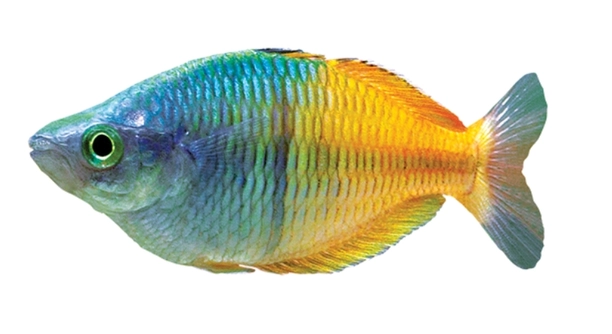
Rainbow fish are a colorful and lively addition to any aquarium, but sometimes they don’t thrive as expected. If you’re struggling with keeping your rainbow fish healthy, you’re not alone. This article highlights some common reasons for their decline.
The most common reasons for rainbow fish dying include poor water quality, improper tank conditions, inadequate diet, and stress. Overcrowding, improper tank mates, and disease also contribute significantly to their health issues.
By understanding these factors, you can better care for your rainbow fish and keep them happy and healthy. Let’s explore how to prevent these problems from happening.
Poor Water Quality
Rainbow fish are highly sensitive to water conditions. If the water is not clean, it can cause stress, illness, and even death. The most important factors to monitor are ammonia, nitrites, and nitrates. If these levels get too high, your fish won’t be able to survive long.
Water changes are a vital part of tank maintenance. Regular water changes and using a good filtration system can make a huge difference. Testing the water weekly helps keep track of any changes that could harm your fish.
In addition to ammonia and nitrites, pay attention to water hardness and pH levels. Rainbow fish thrive in slightly alkaline water, with a pH between 7.0 and 8.0. Water temperature should also be kept steady, between 72°F and 79°F (22°C to 26°C). If the water temperature fluctuates too much, it can stress the fish, making them more vulnerable to disease. Make sure the tank is always stable, clean, and properly filtered to avoid these issues.
Incorrect Tank Setup
Rainbow fish need plenty of space to swim and explore. A cramped tank can cause stress, making them more susceptible to disease. Your tank should be at least 20 gallons to give them room to thrive.
The type of tank decorations and layout also matters. Avoid sharp or rough decorations that could injure the fish. Live plants, smooth rocks, and soft substrates can create a more natural environment that promotes their well-being. Keep the tank clean and organized to reduce stress.
Improper Diet
Rainbow fish require a balanced diet to stay healthy. Without the right nutrients, their immune system weakens, and they become more vulnerable to illness. Offering a variety of foods like flakes, pellets, and frozen or live food ensures they get all the necessary nutrients.
A good mix of protein, fiber, and vitamins is essential. They enjoy both plant-based and protein-rich foods, so feed them a variety of high-quality fish food. Overfeeding is just as harmful as underfeeding, as it can lead to poor water quality. Only feed as much as they can consume in a few minutes.
To help maintain their health, it’s important to vary their diet and offer them foods like daphnia, brine shrimp, and bloodworms. This variety provides the essential vitamins and proteins that support their immune system. Always remove any uneaten food from the tank to prevent it from degrading water quality.
Stress and Overcrowding
Stress is one of the most common reasons for rainbow fish health problems. It can result from many factors, including too many fish in the tank. When tanks are overcrowded, there isn’t enough space for each fish, which can lead to fights and stress.
Overcrowding can also result in poor water quality. More fish produce more waste, which can overwhelm the filtration system. When fish are stressed, they become more prone to disease and can die unexpectedly. Make sure your tank size is adequate for the number of fish you have.
To avoid overcrowding, a general rule is 1 inch of fish per gallon of water. Keep an eye on their behavior. If they start acting aggressively or staying in one area, it could be a sign that the tank is too small. Consider adding more plants and hiding spots to reduce stress.
Incompatible Tank Mates
Not all fish get along well with rainbow fish. Aggressive or territorial species can harm or stress them. It’s important to choose peaceful tank mates that won’t bully or fight.
Rainbow fish thrive with other non-aggressive fish like tetras, gouramis, or peaceful catfish. Avoid fish like cichlids or large predatory species. Tank mates should be similar in size and temperament to prevent conflicts.
When selecting tank mates, make sure to research the compatibility of each species. Creating a peaceful, harmonious tank environment will help your rainbow fish thrive and reduce the likelihood of stress or injury.
Poor Lighting Conditions
Rainbow fish prefer bright lighting, which helps them maintain their natural color and behavior. Too little light can make them stressed and cause them to lose their vibrant colors.
Proper lighting also supports the growth of plants, which provides hiding spots and enhances the overall tank environment. Invest in a good quality aquarium light to keep the tank well-lit for 10 to 12 hours a day. Overexposure can lead to algae growth, so balance the light duration carefully.
Disease and Parasites
Rainbow fish are prone to several diseases and parasites, especially if their environment is not properly maintained. Regularly check for any signs of illness, such as changes in behavior, discoloration, or abnormal swimming patterns.
Keeping your tank clean and ensuring that the water parameters are stable can help prevent diseases. If you notice sick fish, it’s important to isolate them immediately to avoid spreading illness. Treatment options depend on the disease, but always follow instructions for medication carefully to avoid harming the healthy fish.
FAQ
What is the ideal water temperature for rainbow fish?
Rainbow fish thrive in a water temperature between 72°F and 79°F (22°C to 26°C). Consistent water temperature is crucial for their health. Fluctuations can stress them out and weaken their immune system, making them more susceptible to diseases. A reliable aquarium heater helps maintain this temperature range, especially if your home has temperature fluctuations. Using a thermometer in the tank to monitor the water temperature can help ensure it stays within this ideal range.
How often should I feed my rainbow fish?
Rainbow fish should be fed once or twice a day. It’s important to give them only what they can eat in a few minutes to avoid overfeeding. Uneaten food can lead to water quality problems and can cause illness. A varied diet is best. Offering a combination of high-quality flakes, pellets, and occasional live or frozen foods like brine shrimp or bloodworms ensures they get the necessary nutrients.
Can rainbow fish live with bettas?
Rainbow fish can sometimes live with bettas, but it depends on the specific species. Bettas are known to be aggressive, especially toward fish with long, flowing fins. Rainbow fish, on the other hand, are peaceful but active swimmers. If a betta becomes territorial, it may attack the rainbow fish, especially in smaller tanks. If you want to keep both species, ensure the tank is large enough and has plenty of hiding spots to reduce potential conflicts.
How do I know if my rainbow fish are stressed?
Stressed rainbow fish may display several signs, such as swimming erratically, hiding in corners, or rubbing against tank decorations. They may also lose their bright colors or appear lethargic. Stress can be caused by poor water quality, overcrowding, improper tank mates, or even drastic changes in their environment. If you notice these signs, it’s important to check the water quality and ensure the tank setup is suitable. Adding plants and hiding spots can also help reduce stress levels.
How do I treat a sick rainbow fish?
If you notice a sick rainbow fish, isolate it immediately in a quarantine tank to prevent the spread of disease. The first step is to identify the symptoms, such as loss of color, abnormal swimming, or lesions. Once you know the issue, research the condition to determine the proper treatment. Many fish diseases can be treated with medications available at pet stores. Follow the instructions carefully and make sure the water quality is optimal. A salt bath is sometimes used for certain types of infections or external parasites, but it’s essential to know what’s best for your specific situation.
Why are my rainbow fish losing their color?
If your rainbow fish are losing their color, it could be due to stress, poor water quality, or an unbalanced diet. Rainbow fish are known for their vibrant colors, which are a sign of good health. Stress, such as from tank mates, overcrowding, or fluctuating water parameters, can cause them to fade. Ensure their environment is stable, and they have enough space and hiding spots. A varied, nutritious diet with plenty of protein and vitamins will help them maintain their color.
Can I keep rainbow fish in a tank with plants?
Yes, rainbow fish actually benefit from being kept in a tank with plants. Plants provide hiding spots and mimic the fish’s natural environment, helping to reduce stress. They also help maintain water quality by absorbing excess nutrients and providing oxygen. Choose soft plants that won’t harm the fish. Floating plants, such as duckweed, can also help create a more natural and comfortable environment. However, make sure the plants don’t take up all the swimming space.
Do rainbow fish need a filter?
Yes, rainbow fish need a good filtration system to keep the water clean and healthy. A filter helps remove waste, excess food, and harmful toxins like ammonia, nitrites, and nitrates. Without proper filtration, the water quality can quickly deteriorate, leading to health problems for your fish. Make sure the filter is appropriately sized for your tank, and clean it regularly to ensure it works effectively. Regular water changes will also help maintain water quality, but a filter is essential for long-term success.
What size tank do rainbow fish need?
Rainbow fish require a minimum tank size of 20 gallons. While smaller tanks are fine for small groups of fish, the more space you can provide, the better. Larger tanks reduce the likelihood of overcrowding, stress, and poor water quality. A bigger tank also allows for more plants and decorations, which improve the overall environment. For a small group of rainbow fish, a 30-gallon tank is ideal. More fish means you’ll need an even larger tank to ensure they have enough space to swim and thrive.
Are rainbow fish easy to breed?
Breeding rainbow fish is possible in a home aquarium, but it requires the right conditions. You’ll need a separate breeding tank, ideally a well-planted one, and slightly higher water temperatures to encourage spawning. Rainbow fish generally lay their eggs on plants or other surfaces, and the eggs will hatch in a few days. After hatching, the fry should be fed with finely crushed food or live baby brine shrimp. Keep the water clean, as rainbow fish fry are sensitive to poor water conditions. It can take some time and patience, but with the right environment, you can successfully breed rainbow fish.
Final Thoughts
Rainbow fish are beautiful and vibrant additions to any aquarium, but they require careful attention to thrive. Ensuring that their tank conditions are ideal—such as maintaining proper water quality, temperature, and pH—is essential for their well-being. By paying attention to their needs, such as providing a varied diet and proper tank mates, you can significantly reduce the risks of health problems. Many common issues that cause rainbow fish to die are preventable with the right care and a bit of knowledge about their specific needs.
The health of your rainbow fish also depends on the environment you create for them. A tank that is too small, overcrowded, or filled with aggressive fish can cause stress and lead to disease. Rainbow fish prefer plenty of swimming space and a peaceful environment, so it’s important to monitor the size of your tank and avoid adding too many fish. Additionally, maintaining a clean and properly filtered tank ensures that your rainbow fish have the best chance to stay healthy and vibrant. Regular water changes and careful monitoring of water parameters will go a long way in preventing any issues.
By addressing factors like water quality, diet, and stress, you can create a thriving, colorful aquarium with rainbow fish. While these fish are hardy, they are not invincible, and even small mistakes can lead to significant health problems. Taking time to understand their needs and creating the right environment will help keep your rainbow fish healthy for a long time. Regular maintenance, such as checking water conditions and ensuring they are getting the proper nutrition, will lead to happier fish and a healthier aquarium. With a little effort and knowledge, you can enjoy the beauty of rainbow fish in your aquarium for years to come.

Hello,
If you enjoy the content that we create, please consider saying a "Thank You!" by leaving a tip.
Every little bit helps us continue crafting quality advice that supports the health, happiness, and well-being of pets around the world, for pets of all shapes, sizes, and species.
We really appreciate the kindness and support that you show us!