
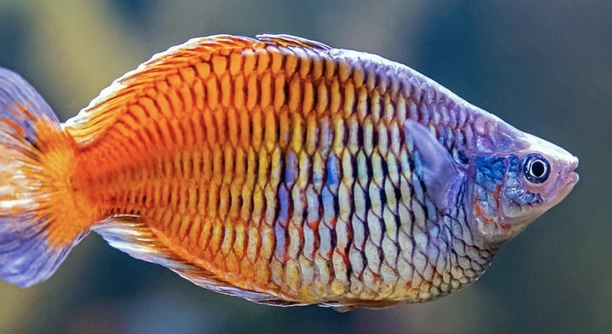
Rainbow fish are popular in the aquarium hobby due to their vibrant colors and active nature. Many fishkeepers wonder if they can live in a community tank with other species. It is important to consider their compatibility.
Rainbow fish can live in a community tank as long as their tank mates are peaceful and have similar water requirements. They thrive in groups and prefer spacious environments. Providing adequate space, proper filtration, and suitable water parameters ensures their well-being.
Maintaining a harmonious tank environment is crucial for the health of all species.
Can Rainbow Fish Coexist with Other Fish?
Rainbow fish are known for their peaceful and calm temperament, making them suitable for many community tanks. They do well with other non-aggressive species that share similar water preferences. However, ensuring that all tank mates are compatible is key. When selecting fish to house with rainbow fish, consider species that thrive in similar conditions—temperatures between 72°F and 79°F, with a pH of 6.5 to 7.5. Additionally, rainbow fish prefer well-planted tanks with ample swimming space. Introducing compatible species will allow the rainbow fish to flourish without the risk of aggression or stress.
It’s also essential to provide plenty of hiding spaces. Adding plants and decorations will offer safety for more timid tank mates, helping them feel secure. This setup allows everyone to coexist peacefully while maintaining a balanced environment.
In a properly maintained tank with a range of compatible species, rainbow fish add both beauty and movement. Their social nature benefits from being in groups, and when combined with other peaceful fish, they thrive, enhancing the tank’s overall dynamic.
What Tank Size Do Rainbow Fish Need?
A spacious tank is important for rainbow fish. They should be kept in a tank of at least 30 gallons to accommodate their active nature.
Rainbow fish need ample space to swim and explore. A larger tank will prevent overcrowding and allow the fish to exhibit natural behavior. Tanks that are too small can lead to stress, which affects their health. Adding plants and rocks will also encourage natural behavior and give the fish places to hide and feel secure. When planning your tank, remember that the bigger the space, the more fish you can comfortably house.
Proper tank size also supports the delicate balance of water parameters. Keeping the water clean and stable becomes easier with more space, as larger volumes dilute any harmful substances, leading to a healthier environment for all your fish.
Water Conditions for Rainbow Fish
Rainbow fish thrive in clean, stable water with specific parameters. They prefer water temperatures ranging from 72°F to 79°F and a pH level of 6.5 to 7.5. Regular water changes and proper filtration are crucial for maintaining these conditions.
Keeping the water clean is essential for the health of your rainbow fish. Ammonia and nitrites should always be kept at zero, while nitrates must stay below 20 ppm. Regular testing of water parameters ensures that the environment remains ideal for your fish. Filtration systems should be efficient, ensuring proper oxygenation and water movement, which rainbow fish enjoy. A good filter will also help maintain clear water and prevent harmful bacteria buildup.
Additionally, adding aquarium salt can be beneficial in small amounts. It helps with overall health and can prevent common illnesses. However, make sure to monitor salinity levels carefully, as excessive salt can harm plants and invertebrates in the tank.
Feeding Rainbow Fish
Rainbow fish are omnivores and require a balanced diet to stay healthy. Their diet should consist of high-quality flakes or pellets, supplemented with live or frozen foods.
Rainbow fish enjoy a variety of food options, so it’s essential to provide a diverse diet. Offer a combination of high-protein options like brine shrimp and bloodworms, along with plant-based foods such as algae wafers and spirulina. This ensures they receive all the necessary nutrients to maintain their vibrant colors and energy. Feeding them a mix of different food types will also reduce the chances of them becoming picky eaters. It’s best to feed small amounts several times a day rather than one large feeding, as this mimics their natural feeding habits.
Avoid overfeeding, as excess food can pollute the water. Keep an eye on how much your fish eat during each feeding to avoid waste. Excessive food will decompose, affecting water quality and causing health issues for all tank inhabitants.
Tank Mates for Rainbow Fish
Rainbow fish do well in community tanks with other peaceful species. They are social creatures and enjoy the company of others. However, make sure that potential tank mates share similar water requirements.
It’s important to avoid aggressive species. Fish like tetras, guppies, and corydoras make great companions. These fish have similar temperaments and will not cause stress for the rainbow fish. Larger or more aggressive species could intimidate the rainbow fish, leading to poor health and even injury.
Lighting Needs for Rainbow Fish
Rainbow fish require moderate lighting in their tanks. Too much light can stress them out, while too little can affect their color vibrancy. They thrive under a balanced light cycle of 10 to 12 hours a day.
Ensure your tank is properly lit to highlight the rainbow fish’s colors. A low-maintenance LED light setup is often best, as it provides enough light without stressing out the fish. Dim lighting can help replicate their natural habitat, which is often shaded with plant cover. Keep in mind that too much direct light can lead to algae blooms, which may negatively affect water quality.
Rainbow Fish Lifespan
Rainbow fish can live for around 5 to 8 years, depending on the conditions of the tank and how well they are cared for. Providing them with stable water conditions and a healthy diet will help them live longer.
Maintaining a consistent environment will contribute to their long life. They are sensitive to drastic changes in water temperature or quality, which can shorten their lifespan. Regular tank maintenance, including water changes and proper filtration, will keep your rainbow fish healthy and happy for years. Ensuring they are housed in a well-maintained tank will help you enjoy their vibrant colors for many years.
FAQ
Can rainbow fish live with bettas?
Rainbow fish and bettas generally don’t make the best tank mates. Bettas can be territorial and aggressive, especially towards other males. While rainbow fish are peaceful, they are active and may provoke the betta. If kept together, the betta could become stressed, leading to health issues. It’s best to house bettas separately or with species that have slower, more passive behavior.
Are rainbow fish easy to care for?
Rainbow fish are relatively easy to care for, but they do require stable water conditions. They need a well-maintained tank with proper filtration, regular water changes, and balanced water parameters. Feeding them a varied diet of flakes, pellets, and live or frozen foods will keep them healthy. Regular monitoring of water quality ensures that the fish thrive.
How many rainbow fish should be kept together?
Rainbow fish are social creatures and should be kept in groups of at least six or more. This group dynamic helps reduce stress and allows them to display natural social behaviors. A larger group also makes them feel secure, leading to healthier and more active fish. Providing enough space in the tank will ensure all the fish have room to swim freely.
Do rainbow fish need a heater?
Yes, rainbow fish require a heater to maintain a consistent water temperature. These fish thrive in tropical conditions, with water temperatures between 72°F and 79°F. Without a heater, it can be difficult to keep the water stable, especially in colder environments. A reliable aquarium heater helps regulate the temperature, keeping the fish comfortable.
Can rainbow fish live in cold water?
Rainbow fish are not suited for cold water environments. They are tropical fish that need warm water to stay healthy. Cold water can lead to stress, weaken their immune systems, and cause other health issues. To keep rainbow fish thriving, the water temperature should always remain between 72°F and 79°F.
Do rainbow fish need a lot of space?
Rainbow fish are active swimmers and need plenty of space to feel comfortable. A minimum of 30 gallons is recommended for a small group. A larger tank provides better space for the fish to swim freely and explore. Crowding can lead to stress and aggression, which can affect their health.
What is the best tank size for rainbow fish?
The best tank size for rainbow fish is at least 30 gallons. A larger tank provides more swimming space and helps maintain stable water conditions. If you plan to house multiple rainbow fish or other tank mates, a larger tank is preferable to ensure enough room for everyone. A spacious tank also helps prevent water quality issues caused by overcrowding.
Can rainbow fish live with goldfish?
Rainbow fish and goldfish are not compatible tank mates. Goldfish prefer colder water, while rainbow fish need warmer temperatures. Goldfish also tend to produce more waste, which can affect water quality and stress the rainbow fish. It’s best to keep these two species in separate tanks with their specific environmental needs.
How often should I feed my rainbow fish?
Rainbow fish should be fed small amounts 2 to 3 times a day. They are omnivores, so offering a variety of foods, such as flakes, pellets, and frozen or live foods, ensures they get a balanced diet. Be cautious not to overfeed, as excess food can pollute the tank and lead to water quality issues.
What is the lifespan of a rainbow fish?
Rainbow fish typically live for 5 to 8 years, depending on their care and tank conditions. Providing stable water parameters, a good diet, and maintaining a clean tank can help them live to their full potential. Regular monitoring and proper maintenance are key to their longevity.
Do rainbow fish need a filter?
Yes, a filter is essential for maintaining a healthy environment for rainbow fish. Filters help keep the water clean by removing debris and toxins. A good filter also provides proper water circulation, which is beneficial for the fish. Ensure that the filter is appropriately sized for the tank to avoid causing too much current, which could stress the fish.
Can rainbow fish jump out of the tank?
Rainbow fish are known to jump, especially if they feel threatened or the tank water is not suitable. It’s important to have a lid or cover on the tank to prevent them from jumping out. Keeping the water parameters stable and ensuring the fish feel secure can help reduce the likelihood of jumping.
Are rainbow fish compatible with shrimp?
Rainbow fish can live with shrimp, but it depends on the species of shrimp and the size of the rainbow fish. Smaller shrimp may become prey for larger rainbow fish, especially if they are hungry. It’s best to house smaller shrimp species like cherry shrimp with rainbow fish in tanks with plenty of hiding spots for the shrimp to stay safe.
Do rainbow fish need a lot of light?
Rainbow fish do not require intense lighting, but they do benefit from moderate lighting to help highlight their vibrant colors. A standard aquarium light with a 10 to 12-hour light cycle works well. Too much light can stress them out, and too little can make their colors less vivid.
How do I know if my rainbow fish are stressed?
Stressed rainbow fish may exhibit behaviors such as rapid swimming, hiding, or changes in color. They may also lose their appetite or become more aggressive. Stress can be caused by poor water quality, overcrowding, or incompatible tank mates. Monitoring their behavior closely and adjusting the environment can help alleviate stress.
Can rainbow fish live in brackish water?
Rainbow fish are generally freshwater fish and should not be kept in brackish water. Some species may tolerate slightly brackish conditions, but most rainbow fish thrive in freshwater tanks with stable water parameters. Keep their tank clean and ensure proper water quality to maintain their health.
What should I do if my rainbow fish are sick?
If your rainbow fish show signs of illness, such as faded colors, abnormal swimming, or lesions, it’s important to isolate them in a quarantine tank. Check water parameters and ensure they are within the ideal range. You may need to treat the fish with medication or adjust the tank environment to help them recover.
Can rainbow fish breed in a community tank?
Rainbow fish can breed in a community tank, but success may depend on the species and tank conditions. They usually require slightly acidic to neutral water and plenty of plant cover to lay eggs. If you want to breed them, consider setting up a breeding tank with ideal conditions for spawning.
Are rainbow fish good for beginners?
Rainbow fish can be a good choice for beginners, as long as their water conditions and tank mates are properly managed. They are hardy fish, but maintaining stable water quality and providing a balanced diet is essential. With the right care, they can thrive in a variety of community tanks.
Final Thoughts
Rainbow fish are an excellent choice for community tanks, thanks to their peaceful nature and vibrant colors. They are hardy and can adapt well to a variety of tank conditions, as long as their basic needs are met. Providing a stable environment with proper filtration, regular water changes, and a well-balanced diet will help these fish thrive. Their social behavior and active swimming habits make them an enjoyable addition to any aquarium, especially when housed with other peaceful species. Keeping them in a group allows them to feel more secure and reduces stress, promoting their overall well-being.
However, there are a few things to consider before introducing rainbow fish into your tank. First, ensure that the tank is large enough to accommodate them comfortably. They need space to swim and interact with each other, so a tank of at least 30 gallons is recommended. Additionally, it’s important to keep their water conditions stable. Rainbow fish prefer a warm, tropical environment with temperatures between 72°F and 79°F, so a heater and proper monitoring of water quality are necessary. Be cautious when selecting tank mates, as some species may not be compatible with the peaceful nature of rainbow fish.
Overall, rainbow fish are a rewarding species to care for, offering beauty and personality to any aquarium. They are generally low-maintenance, but like all fish, they require regular attention to their environment and health. By keeping their tank clean, offering a varied diet, and ensuring suitable tank mates, you can enjoy their colorful presence for many years. With proper care and attention, rainbow fish can live long, happy lives, bringing color and life to your aquarium.

Hello,
If you enjoy the content that we create, please consider saying a "Thank You!" by leaving a tip.
Every little bit helps us continue crafting quality advice that supports the health, happiness, and well-being of pets around the world, for pets of all shapes, sizes, and species.
We really appreciate the kindness and support that you show us!