
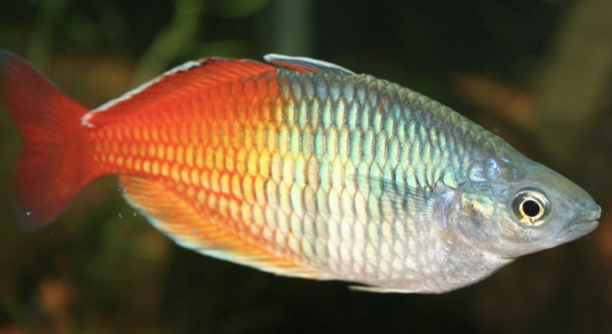
A healthy rainbow fish should have vibrant colors, a shiny, smooth body, and active behavior. These fish are known for their beauty and are a popular choice for aquariums. Ensuring they thrive requires understanding their health signs.
A healthy rainbow fish will have bright, uniform coloring, a smooth and clean appearance, and show no signs of injury or disease. It will swim actively, displaying balanced movement and responsiveness. Healthy fins should be intact, with no fraying.
Maintaining a healthy rainbow fish involves understanding its needs and watching for any signs of poor health. Knowing what to look for can help prevent problems and ensure its well-being.
Signs of a Healthy Rainbow Fish
A healthy rainbow fish will exhibit smooth scales, clear eyes, and a well-maintained shape. Their fins should be intact and free from any signs of disease or damage. They tend to be active swimmers, moving gracefully through the water. The color should be vibrant and evenly distributed across their body, as dullness can indicate stress, malnutrition, or poor health. If you observe them closely, they should react quickly to movement, indicating alertness. A healthy rainbow fish will avoid hiding and swim freely, showing no sign of lethargy or abnormal behavior.
When observing your rainbow fish, it’s important to focus on its overall appearance and behavior. A lack of interest in food or excessive hiding may indicate underlying issues, such as poor water quality or disease. Regular monitoring will help detect any health problems early on.
A balanced diet, clean water, and proper tank conditions are essential for the fish’s health. Keeping the tank environment stable will help your rainbow fish maintain its natural beauty and vibrant colors.
Maintaining Vibrant Colors
The vibrancy of a rainbow fish’s colors is influenced by several factors. Water conditions, diet, and overall health all play crucial roles. If these fish experience stress or poor living conditions, their colors may become dull, losing their characteristic brightness.
Proper tank maintenance, including regular water changes and ensuring the water is free from toxins, will support the health of your fish. Offering a varied diet, with both plant and animal-based foods, is also essential for maintaining color and overall health. Avoid overfeeding, as this can lead to poor water quality and health issues.
Rainbow fish are sensitive to water temperature and pH, so keeping the tank within the recommended range will ensure they remain healthy and colorful. Pay attention to their behavior, as it will help you detect any problems before they become serious.
Common Health Problems in Rainbow Fish
Rainbow fish are prone to a few health issues. Common problems include fungal infections, fin rot, and parasites. If you notice lesions, excessive rubbing against objects, or unusual swimming patterns, these could be signs of a health issue. Early detection is key to successful treatment.
Fungal infections often appear as white or cotton-like growths on the fish’s skin or fins. Fin rot shows up as fraying or discolored fins, often due to poor water quality or injury. Parasites can cause rapid breathing or scratching, leading to stress.
Treating these issues typically involves quarantining the affected fish and using appropriate medications. Adjusting the water quality and providing proper nutrition will help prevent these problems in the future. Regularly checking water parameters can catch issues before they escalate.
How to Keep Your Rainbow Fish Active
Rainbow fish need space and stimulation to stay active. A tank that is too small or lacks hiding spots can cause stress, making them sluggish. Providing plants, rocks, and decorations gives them places to explore and hide, mimicking their natural habitat.
The tank should be at least 20 gallons for a small group, as crowding can lead to poor health and inactivity. Rainbow fish thrive in schools, so it’s best to have several of them together. A well-balanced diet, consisting of high-quality flakes, pellets, and occasional live or frozen food, will also help keep them active.
Regular tank maintenance is crucial for a healthy, stimulating environment. Ensure the water is properly filtered, and that the fish have enough space to swim freely. Keeping the tank clean and adding enrichment items will reduce stress and encourage healthy activity levels.
Best Tank Conditions for Rainbow Fish
Rainbow fish thrive in well-maintained tanks with stable water conditions. They prefer a temperature range of 72–78°F and a slightly acidic to neutral pH. Ensuring these conditions will help your fish stay healthy and active. A filtration system is essential to maintain water quality.
The tank should have gentle water flow, as rainbow fish prefer calmer waters. It’s important to avoid sudden temperature or pH fluctuations, which can stress the fish. Regular water changes, about 20-25% per week, will help keep the environment clean and safe for your fish.
Adding live plants and decorations creates a more natural habitat, providing hiding spots and encouraging the fish to swim actively. Ensure the water is free of chlorine and ammonia, as these chemicals can harm rainbow fish.
Feeding Rainbow Fish
Feeding rainbow fish properly is essential for their health and vibrant colors. They are omnivores, so their diet should consist of a variety of foods like flakes, pellets, and occasional live or frozen options. Overfeeding should be avoided to prevent poor water quality.
A balanced diet ensures your fish remain active and colorful. Protein-rich foods like brine shrimp or daphnia can be offered a few times a week, while vegetable-based foods like spirulina are important for their digestive health. Variety is key to keeping them healthy.
Avoid feeding them too much, as uneaten food can pollute the water. It’s also helpful to feed smaller amounts several times a day instead of a large single feeding.
Tank Mates for Rainbow Fish
Rainbow fish are peaceful and social, making them great tank mates for a variety of species. They get along well with other non-aggressive fish, such as tetras, rasboras, and catfish. Avoid keeping them with aggressive species.
When choosing tank mates, consider their size and temperament. Larger, more aggressive fish may harm rainbow fish, especially if they feel threatened. Rainbow fish thrive in groups, so ensure they have company of their own species. This helps reduce stress and keeps them active.
A diverse, peaceful community tank will create a balanced environment, benefiting all species.
FAQ
How often should I feed my rainbow fish?
Rainbow fish should be fed small amounts 2-3 times a day. Overfeeding can lead to poor water quality, so it’s better to feed them in smaller portions, ensuring all food is eaten within a few minutes. A varied diet of flakes, pellets, and live or frozen foods keeps them healthy and vibrant.
Can rainbow fish live with other species?
Rainbow fish are peaceful and can live with many other species as long as they are non-aggressive. Species like tetras, rasboras, and peaceful catfish are good tank mates. Avoid aggressive fish that may stress or harm your rainbow fish. A peaceful, mixed-species tank will benefit everyone.
What is the ideal tank size for rainbow fish?
The minimum tank size for rainbow fish is 20 gallons for a small group. The larger the tank, the better, as it provides more space for swimming and reduces stress. Rainbow fish thrive in schools, so a bigger tank is important to accommodate several fish comfortably.
What temperature should the water be for rainbow fish?
Rainbow fish prefer water temperatures between 72–78°F (22–25°C). Keeping the water within this range ensures their comfort and health. Sudden temperature fluctuations can stress them, leading to illness. A reliable aquarium heater is important to maintain a stable temperature for your fish.
Do rainbow fish require a filter?
Yes, rainbow fish need a filter to keep the water clean and well-oxygenated. A filtration system helps remove toxins, waste, and debris, which can otherwise harm your fish. Be sure to clean the filter regularly and check the water parameters to ensure the system is working properly.
How can I tell if my rainbow fish is sick?
Signs of illness in rainbow fish include dull or faded colors, loss of appetite, abnormal swimming behavior, or visible sores and lesions. If your fish is swimming erratically or rubbing against objects, this could indicate a parasite or skin infection. Acting quickly can help prevent further problems.
Can rainbow fish be kept in a freshwater aquarium?
Yes, rainbow fish are freshwater fish and should be kept in a well-maintained freshwater tank. Ensure the water is free of harmful chemicals like chlorine and ammonia. Proper filtration, water changes, and maintaining a stable environment are key to their health.
Do rainbow fish need live plants in their tank?
While live plants are not essential, they are highly beneficial. Rainbow fish enjoy swimming around plants and can use them as hiding spots, which reduces stress. Live plants also help improve water quality by absorbing nitrates and providing oxygen, creating a more natural environment.
Are rainbow fish easy to care for?
Rainbow fish are relatively easy to care for, as long as their basic needs are met. They require clean water, stable temperatures, and a balanced diet. Regular maintenance, like water changes and checking water quality, is necessary to keep them healthy. They are hardy, but still need attention.
Why is my rainbow fish’s color fading?
If your rainbow fish’s color is fading, it could be due to stress, poor water quality, or a lack of proper nutrition. Ensure the tank is large enough, the water parameters are stable, and they are getting a balanced diet. Overcrowding or bullying from other fish can also lead to color loss.
How long do rainbow fish live?
Rainbow fish typically live 3-5 years, though some can live longer if provided with ideal tank conditions and proper care. Regular monitoring of their health, diet, and environment will help extend their lifespan. Ensuring a stress-free habitat is key to their longevity.
Do rainbow fish need a lot of attention?
Rainbow fish don’t require constant attention, but they do need regular maintenance and monitoring. A consistent feeding schedule, stable water conditions, and tank cleaning are important. As long as their environment is maintained properly, they will thrive with minimal effort.
Can rainbow fish breed in a home aquarium?
Yes, rainbow fish can breed in home aquariums if the conditions are right. They prefer slightly acidic to neutral water and a well-maintained tank. Breeding is more successful when a group of fish is kept together, with males competing for the attention of females. Spawning usually happens in the early morning hours.
What should I do if my rainbow fish is not eating?
If your rainbow fish isn’t eating, check the water quality first. Poor water conditions can lead to loss of appetite. Make sure the food being offered is varied and fresh. Stress, illness, or changes in their environment may also cause them to refuse food.
What can I do to help my rainbow fish stay active?
To keep your rainbow fish active, provide enough swimming space and avoid overcrowding. They enjoy a tank with plants, rocks, and decorations for exploration. Make sure the water flow is gentle and that the tank is large enough for them to move freely.
Are rainbow fish good for beginners?
Rainbow fish are great for beginners because they are hardy and not very demanding. As long as their basic needs—such as clean water, proper tank size, and a balanced diet—are met, they are relatively easy to care for. They also have a peaceful temperament, making them a good choice for a community tank.
Final Thoughts
Rainbow fish are a wonderful addition to any aquarium. Their vibrant colors and peaceful nature make them an appealing choice for both beginner and experienced fish keepers. With the right tank setup, these fish can thrive for years, providing beauty and activity to your aquatic space. Keeping them in schools of at least five fish is recommended, as this helps reduce stress and promotes healthy social behavior. These fish are active and enjoy swimming, making them a lively presence in the tank.
To ensure your rainbow fish remain healthy, it’s essential to monitor their environment closely. Consistent water quality, the right temperature, and proper feeding are the key factors that will help them live a long, healthy life. Regular water changes, testing the water for ammonia, nitrite, and nitrate levels, and ensuring a good filtration system will keep their habitat safe. Rainbow fish are sensitive to sudden changes, so try to avoid fluctuations in temperature or pH. A stable, well-maintained tank will help prevent health issues and encourage their natural beauty to shine.
While rainbow fish are generally low-maintenance, attention to their specific needs will go a long way. Offering them a varied diet, keeping the tank clean, and providing a peaceful, spacious environment will ensure they remain active and vibrant. These fish do well in community tanks with other non-aggressive species, and they get along well with similar-sized, peaceful fish. With a little effort, rainbow fish can be an enjoyable, colorful presence in your aquarium for many years.

Hello,
If you enjoy the content that we create, please consider saying a "Thank You!" by leaving a tip.
Every little bit helps us continue crafting quality advice that supports the health, happiness, and well-being of pets around the world, for pets of all shapes, sizes, and species.
We really appreciate the kindness and support that you show us!