
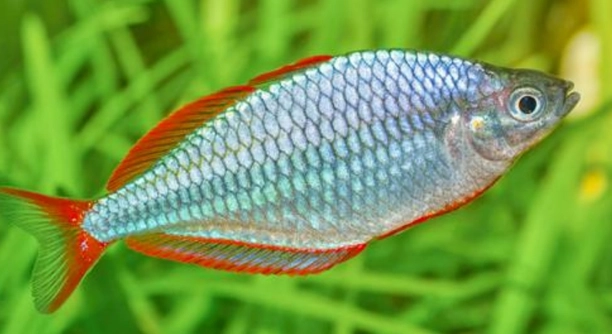
Rainbow fish are known for their vibrant colors and lively nature. Understanding their environment is key to keeping them happy and healthy. Light can play a significant role in their overall well-being and behavior.
Rainbow fish are generally attracted to light, as it mimics their natural habitat conditions. Proper lighting in an aquarium can encourage their natural activity patterns and promote their colors. However, too much light can cause stress or disrupt their routine.
Proper lighting is essential for maintaining a healthy environment for your rainbow fish. Balancing the light exposure will help keep them active and colorful while avoiding potential stress.
Why Light is Important for Rainbow Fish
Rainbow fish thrive in an environment that mimics their natural habitat. In the wild, they are often found in clear, brightly lit waters. They tend to be more active and vibrant under natural light. However, aquarium lighting should be controlled to ensure that it replicates these conditions without overwhelming them. Inconsistent or harsh lighting can cause stress and lead to changes in behavior, such as hiding or reduced activity. It’s essential to monitor light duration and intensity to keep the fish comfortable and healthy.
Light can also influence the color of your rainbow fish. Their stunning colors are most vibrant when they experience the right amount of light exposure. Too much light can cause algae growth in the tank, which may lead to poor water quality and unhealthy fish. On the other hand, inadequate light may result in dull colors and a less active fish. Balancing the light and darkness in the tank is vital for their overall well-being.
To maintain the right light conditions, aim for 10-12 hours of light per day. Use aquarium lights with a timer to prevent light from being on too long. Monitor water temperature and check for algae build-up regularly. Creating a stable and consistent environment helps rainbow fish flourish.
The Role of Natural vs. Artificial Light
Natural light provides a gentle, consistent glow that benefits rainbow fish. However, it’s not always available, especially if your tank is indoors or lacks access to direct sunlight.
Artificial lighting can mimic natural light but requires careful monitoring. Invest in quality aquarium lighting designed for fish tanks to provide the right spectrum. These lights help simulate natural daylight, making your fish feel more at home. Over time, this can enhance their activity level, color vibrancy, and overall health.
Effects of Overexposure to Light
Too much light can stress out rainbow fish, leading to behaviors like hiding or reduced activity. Prolonged exposure can also cause discomfort, making them less likely to show their full color potential. It’s crucial to regulate the amount of time the lights are on to avoid these issues.
Excessive lighting can encourage algae growth, which, in turn, may lower water quality. If the water becomes murky or oxygen levels drop, your rainbow fish may experience poor health. To avoid this, monitor the light cycle closely. Try to limit light exposure to 10-12 hours a day and use a timer for consistency.
Overexposure can also affect the fish’s circadian rhythms, leading to irregular sleeping and feeding patterns. This disruption in their natural cycle can lead to long-term stress. Keeping light levels moderate is one of the best ways to ensure your rainbow fish remain happy and active.
Benefits of Dim Lighting
Dim lighting can be just as important for your rainbow fish as bright lighting. It gives them a break from the constant brightness, allowing them to rest. This balance helps them feel secure, reducing stress.
Dim lighting also creates a more natural environment, reflecting the changes of day and night. It’s essential to use dim lighting during the night cycle to mimic their natural habitat. While rainbow fish enjoy bright light during the day, they still need the calming influence of lower light levels during the night to maintain a balanced routine.
Lighting Options for Your Tank
There are various lighting options available for aquarium owners. LED lights are popular because they’re energy-efficient and can provide a broad spectrum of light. Fluorescent lights also work well but consume more energy. The right lighting depends on the size of the tank and the specific needs of your fish.
You’ll also want to consider light intensity. Dimmer lighting may be suitable for smaller tanks or for creating a calm environment. Stronger lighting can be used for larger aquariums or tanks that house plants alongside your rainbow fish. Find a balance that works for both.
Maintaining Consistent Lighting
Consistency is key when it comes to lighting your tank. Rainbow fish thrive on a regular day-night cycle. Too much fluctuation in light intensity or timing can cause stress. Set up a timer for your lights to ensure they’re on for 10-12 hours each day, and adjust based on your tank’s needs.
It’s also important to monitor the lights over time. If you notice the water temperature rising or any algae growth, you may need to adjust the lighting. Keeping a close eye on the environment will help ensure that your rainbow fish stay happy and healthy.
Adjusting Light Based on Seasons
As the seasons change, the natural light exposure in your home will shift. This can impact your fish tank’s lighting. During the summer months, natural sunlight may be stronger, so you might want to reduce artificial light to prevent overexposure.
In the winter, you may need to increase artificial light to compensate for the lack of sunlight. However, remember that rainbow fish still need rest, so be mindful not to keep the lights on too long. Adjusting your lighting to fit the seasons will help create a comfortable environment for your fish year-round.
FAQ
Do rainbow fish need a lot of light?
Rainbow fish benefit from moderate to bright light, as it mimics their natural habitat. Too much light, however, can stress them out. They thrive with about 10-12 hours of light per day. You should adjust the light based on your tank size and the behavior of your fish.
What type of light is best for rainbow fish?
LED lighting is often the best option. It’s energy-efficient, long-lasting, and provides a full spectrum of light that promotes the health of your rainbow fish. Fluorescent lights are also acceptable, though they use more energy and may need more maintenance.
Can rainbow fish live in low light?
Rainbow fish can live in low light, but their colors may not be as vibrant, and they may not be as active. Dim lighting can cause them stress, as it doesn’t replicate the conditions they’re used to in the wild. If possible, provide some light during the day for optimal health.
How can I control the light for my rainbow fish tank?
To control the light, you can use a timer to ensure the light is on for a consistent period each day. This helps mimic the natural day-night cycle, which is important for your fish’s well-being. Be mindful of the tank’s temperature, too, as lighting can affect it.
How do I know if my rainbow fish are stressed from the lighting?
If your rainbow fish seem stressed, they may hide more often, swim erratically, or appear dull in color. Stress caused by lighting can result from too much exposure or sudden changes in light. Monitor their behavior and adjust the light accordingly if you notice these signs.
Can I leave the lights on all day for rainbow fish?
Leaving the lights on all day is not recommended. Rainbow fish, like most fish, need a period of darkness to rest. Prolonged exposure to light can lead to stress, poor health, and disrupted sleep patterns. A light cycle of 10-12 hours is ideal.
Should I use a dim light at night for rainbow fish?
Yes, providing a dim light at night can help your rainbow fish feel secure while also allowing them to rest. It mimics the gradual transition from day to night in their natural habitat. Just avoid bright lights at night, as this can disrupt their sleep cycle.
How can I prevent algae growth from aquarium lights?
Algae thrive under bright light, especially if the tank receives too many hours of light each day. To prevent algae, limit the lighting to 10-12 hours daily, use a timer, and regularly clean the tank. You can also add algae-eating fish to help control algae growth.
Is it okay to use natural sunlight for my rainbow fish tank?
Natural sunlight can be beneficial but should be used carefully. Too much direct sunlight can overheat the water and encourage algae growth. It’s better to place the tank in a location where it receives indirect sunlight, and you can still control the light intensity with artificial lighting.
Can I use colored lighting for rainbow fish?
Colored lighting, like blue or red lights, can make your rainbow fish look more dramatic, but it isn’t the best for their overall health. Fish prefer natural light conditions, and using colored lighting for long periods can cause stress. If you want to use colored lighting for aesthetic purposes, do so in moderation.
How often should I change the aquarium lights?
Over time, aquarium lights lose their intensity. To keep your tank well-lit, replace the bulbs every 6-12 months, depending on the type of light you use. Regularly check your lights for any dimming, as insufficient light can negatively affect your rainbow fish and plants.
Can rainbow fish adapt to different light environments?
Rainbow fish are fairly adaptable and can adjust to various light levels, but they do best in conditions similar to their natural habitat. Gradual changes in light intensity are okay, but sudden shifts may cause stress. It’s essential to provide a consistent light schedule for their comfort.
How can I ensure my rainbow fish’s health with lighting?
Maintaining the right lighting for your rainbow fish involves monitoring light intensity, duration, and the health of the tank. Use a timer to keep the lighting cycle consistent, and check the water temperature and clarity. Keeping the light exposure balanced will help promote vibrant colors and a healthy, active fish.
Final Thoughts
Proper lighting plays a key role in the well-being of rainbow fish. They thrive in moderate to bright light, but it’s essential not to overdo it. Too much light can cause stress, disrupt their sleep patterns, and even promote algae growth in the tank. By maintaining a consistent light cycle of 10-12 hours a day, you can provide an environment that mimics their natural habitat and helps your fish stay healthy. Overexposure to light can lead to poor health and dull colors, while dim lighting can affect their behavior, so it’s important to find a balance.
In addition to light intensity, it’s crucial to consider the type of lighting you use. LED lights are a good option because they’re energy-efficient and long-lasting, while also providing a full spectrum of light that supports the health of both your fish and any plants in the tank. Fluorescent lights can also work but may need more maintenance and use more energy. Whatever light you choose, make sure it’s appropriate for the size of your tank and the needs of your fish. Too little light can make your rainbow fish feel insecure, while too much light can stress them out.
Ultimately, keeping a close eye on your fish and their environment is the best way to ensure they stay healthy and vibrant. Regularly monitor the light levels, adjust them if needed, and make sure your rainbow fish have time to rest during the night cycle. By paying attention to these small details, you can create an ideal environment that supports the well-being of your fish and enhances the beauty of your aquarium.

Hello,
If you enjoy the content that we create, please consider saying a "Thank You!" by leaving a tip.
Every little bit helps us continue crafting quality advice that supports the health, happiness, and well-being of pets around the world, for pets of all shapes, sizes, and species.
We really appreciate the kindness and support that you show us!