
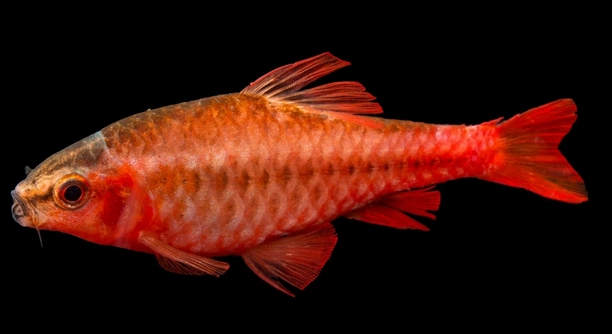
Do your cherry barbs rush to eat and then suddenly vanish from sight, leaving you puzzled about their behavior afterward?
Cherry barbs often hide right after eating due to natural instincts related to stress, digestion, and predator avoidance. In the wild, staying out in the open after feeding could make them vulnerable, so hiding helps them feel secure.
This behavior is influenced by several factors like tank environment, social dynamics, and feeding habits, which all play a role in their comfort and routine.
What Makes Cherry Barbs Hide After Eating
Cherry barbs are naturally shy fish, and their instinct to hide after feeding is deeply rooted in their behavior. In the wild, fish are vulnerable right after they eat, as they become slower and easier targets for predators. Hiding allows them to feel protected while they digest. In home aquariums, this instinct remains even without predators around. If your tank has bright lights, sudden movements, or active tank mates, your cherry barbs may retreat to a safe space right after a meal. They’re simply following a pattern that helps them feel calm and safe in their environment.
They may also associate feeding time with other events, like people approaching the tank or changes in lighting, which can raise their stress levels.
It’s also important to note that digestion is a sensitive process for fish. After eating, they may feel more comfortable resting in a spot that feels secure, away from disturbances.
How Tank Setup and Behavior Are Connected
Stress plays a big role in how your cherry barbs behave after meals. If their tank setup is too open, they will hide more.
Dense plants, shaded areas, and hiding spots like caves or driftwood give cherry barbs places to feel safe. When these options are available, they will be less anxious after feeding and more confident exploring. Overcrowding or strong currents can also influence their decision to hide. Too much activity in the tank can overwhelm them, especially after a meal. It’s helpful to feed them during calm moments when tank mates are less active. Keeping the lights dim during and after feeding can also ease their stress. If your cherry barbs are hiding often after meals, it’s worth reviewing their environment. Even minor changes like adjusting the flow of the filter or adding a few extra plants can help. A well-planned tank encourages natural behavior and gives your fish a space where they feel at ease.
Why Feeding Time Triggers Their Instincts
Cherry barbs see feeding as more than just a way to eat. It’s also a moment that triggers their natural instincts. In the wild, feeding can draw attention, so hiding after eating helps them avoid danger. This behavior still shows up in aquariums.
Right after eating, cherry barbs often slow down and become less alert. This change makes them feel exposed. Even in a tank without threats, they act like they’re still in the wild. Their instincts tell them to find shelter until they feel normal again. If the tank environment is quiet and peaceful, they may hide for less time. However, sudden movement near the tank or loud noise can make them stay hidden longer. This reaction is not random—it’s part of how they’ve survived for years. Understanding this can help you better support your fish and their daily rhythm.
The way food is delivered can also affect how safe they feel. Fast, chaotic feeding sessions can cause excitement and stress. When food is scattered or dropped in large amounts, it may confuse or startle them. Offering food in smaller portions and keeping the area calm helps ease the process. It makes them feel less pressure and more secure afterward.
Tips to Help Reduce Hiding Behavior
If you want your cherry barbs to stay out longer after meals, small changes can make a big difference. Try dimming the lights during feeding and add more plants or hiding spots to help them feel safe.
Feeding cherry barbs in a predictable, gentle way helps lower their stress levels. Use slow, quiet motions around the tank, and offer food in smaller amounts. Spread the food out so they don’t feel crowded or rushed. It’s also helpful to feed other tank mates first if they tend to be more aggressive or active. This keeps the barbs calm while they eat. Monitor your tank for anything that causes sudden changes, like sharp lighting or strong water currents. These small adjustments create a routine your fish can get used to. With time, they’ll become more relaxed and spend less time hiding after meals, making your tank feel more peaceful overall.
When Hiding Becomes a Concern
If your cherry barbs hide all the time, not just after eating, it could point to a deeper issue in the tank. Constant stress, illness, or poor water quality may be affecting their comfort and behavior.
Look for other signs like loss of color, clamped fins, or changes in appetite. These can help you spot problems early and make adjustments before they worsen.
Observing Behavior for Clues
Watching your cherry barbs closely gives you insight into their needs. If they always return to the same hiding spots or only hide after certain foods, it may be worth changing your feeding routine. Pay attention to patterns in how they swim, eat, and react to others. This helps you spot issues early and adjust things like tank layout or lighting. Simple changes like spreading out feeding areas or reducing loud sounds can make a big difference. The more time you spend observing, the easier it gets to notice what keeps them calm and comfortable.
How Other Fish Influence Them
Active or aggressive tank mates can cause your cherry barbs to hide more than usual. A peaceful community tank helps them feel secure.
FAQ
Why do cherry barbs hide immediately after eating?
Cherry barbs hide after eating due to their natural instincts. In the wild, they are vulnerable right after feeding, so they instinctively seek shelter to avoid potential predators. Even in the safety of a home aquarium, this behavior remains. The hiding allows them to digest in peace without feeling exposed. Tank conditions, such as the presence of other fish, lighting, and movement near the tank, can affect how long they stay hidden. A calm and secure environment helps them feel safer and come out of hiding sooner.
Do cherry barbs hide more if the water quality is poor?
Yes, poor water quality can stress cherry barbs and cause them to hide more frequently. Fish are highly sensitive to water conditions. If the water temperature, pH, or ammonia levels are off, they may become stressed and seek out hiding spots for protection. It’s important to regularly check water parameters to ensure they stay within the ideal range for cherry barbs. Clean water and proper filtration are essential for keeping them healthy and reducing unnecessary hiding behavior.
How can I reduce the amount of time my cherry barbs hide?
To help your cherry barbs hide less, create a more comfortable and predictable environment. Avoid sudden movements around the tank or loud noises, as these can cause stress. Provide more hiding spots, but not too many, so they have safe places without feeling the need to stay hidden all the time. Try feeding them in a calm and quiet way, without abrupt actions. Keeping the water quality high and maintaining a peaceful tank environment will also make your cherry barbs feel more secure and less likely to hide after meals.
Is it normal for cherry barbs to hide all day?
While cherry barbs can sometimes hide for extended periods, it’s not entirely normal for them to stay hidden all day. If they are hiding consistently, it could indicate stress, illness, or a poor tank environment. Observing their behavior and checking for signs of sickness, like lethargy or changes in appearance, is important. A peaceful tank with good water conditions is key to helping them feel safe enough to come out of hiding. If the behavior persists, it may be worth investigating further.
Can cherry barbs hide because of their tank mates?
Yes, tank mates can influence how often cherry barbs hide. If they are housed with more aggressive or larger fish, they may feel threatened and retreat to hiding spots. In a community tank, it’s crucial to ensure that all fish are compatible in terms of size and temperament. Peaceful tank mates will allow cherry barbs to feel safer and reduce the need to hide. Observing interactions between your fish can help determine if certain combinations are causing stress.
How often should I feed cherry barbs?
Cherry barbs should be fed once or twice a day. Overfeeding can lead to stress, poor water quality, and digestive issues, while underfeeding may cause them to feel insecure or weak. A consistent feeding schedule, with a balanced amount of food, helps reduce stress and keeps them healthy. Make sure to offer food that is appropriate for their size and type. If they are hiding too much after eating, you may want to try offering smaller portions more often to avoid overwhelming them.
Can cherry barbs hide when they’re sick?
Yes, cherry barbs may hide if they are not feeling well. Hiding is a common behavior in sick or stressed fish, as they instinctively seek refuge to avoid further stress. If your cherry barbs are hiding more than usual and show other signs of illness—like abnormal swimming, loss of appetite, or discoloration—it’s important to assess their health. Check the water quality and examine them for physical symptoms of disease. If needed, quarantine the sick fish and consult an aquarium expert or vet for treatment.
How can I tell if my cherry barbs are stressed?
Stressed cherry barbs often display certain behaviors. They may hide more often, swim erratically, or become less active. Their fins may appear clamped, and their color may become dull. Stress can result from poor water quality, aggressive tank mates, or environmental factors like lighting and temperature fluctuations. Monitoring their behavior and the tank environment can help you pinpoint stressors. Ensuring a peaceful, well-maintained aquarium will reduce stress and promote overall health.
Do cherry barbs prefer dim or bright lighting?
Cherry barbs generally prefer dim lighting, as it makes them feel safer. Bright lighting can make them feel exposed and more stressed, leading them to hide. It’s a good idea to offer them shaded areas and plants to provide a more comfortable environment. If you notice them hiding often under bright lights, consider dimming the lights during certain parts of the day to see if they come out more often.
Should I separate hiding cherry barbs from the rest of the tank?
If your cherry barbs are hiding due to stress or illness, it’s a good idea to separate them temporarily to give them a quieter, more secure environment. However, if they are simply following natural behavior, there’s no need to remove them. Sometimes fish prefer solitude to feel comfortable. If other tank mates are contributing to stress, adjusting their environment or moving the more aggressive fish might help. Keep an eye on the overall dynamics to ensure everyone is peaceful.
Final Thoughts
Cherry barbs are naturally shy and peaceful fish, and their instinct to hide after eating is just part of their behavior. In the wild, they are vulnerable after feeding, so hiding helps them feel safe while they digest. In an aquarium, this instinct remains, even though there may not be any real threats. The hiding is a way for them to recover from feeding and feel secure again. With the right environment and care, cherry barbs will often come out of hiding sooner and be more active, but they may still retreat to a safe spot occasionally.
It’s important to create an aquarium environment that supports your cherry barbs’ natural behavior. This includes ensuring good water quality, having plenty of hiding places, and keeping other tank mates calm and non-aggressive. A peaceful and stable environment reduces stress, which helps your cherry barbs feel more comfortable and secure. Stress can cause them to hide more often or even affect their health, so it’s best to monitor their tank carefully and make adjustments if needed. Simple changes like dimming the lights or adjusting feeding times can also have a big impact.
Understanding why cherry barbs hide after eating helps you respond to their needs in the best way possible. While hiding is a normal behavior, it’s also important to be aware of other factors like illness, stress, or poor water conditions that might cause them to hide more than usual. By paying attention to their behavior and maintaining a healthy tank, you can help your cherry barbs thrive and feel comfortable in their home. With time and proper care, they will be more likely to spend less time hiding and more time swimming and interacting with their environment.

Hello,
If you enjoy the content that we create, please consider saying a "Thank You!" by leaving a tip.
Every little bit helps us continue crafting quality advice that supports the health, happiness, and well-being of pets around the world, for pets of all shapes, sizes, and species.
We really appreciate the kindness and support that you show us!