
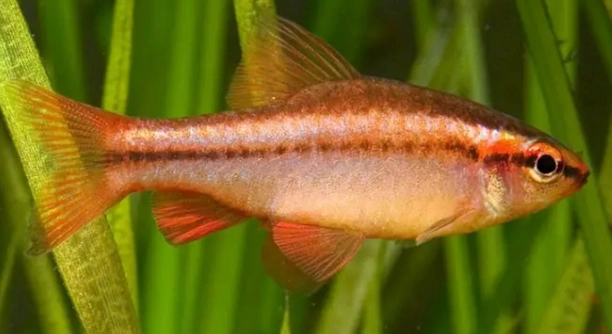
Cherry barbs are a popular fish for freshwater aquariums, known for their colorful and active nature. However, moving them into a new tank can be stressful for these delicate creatures. Ensuring a smooth transition is key to their well-being.
To help cherry barbs settle into a new tank, it’s important to minimize stress and provide a stable environment. Gradually acclimating them to the new water conditions, keeping the tank properly heated, and offering plenty of hiding spots can support their adjustment.
By following a few simple steps, you can ensure your cherry barbs settle in comfortably. Keep reading to find out how to make their transition as smooth as possible.
Acclimate Cherry Barbs Slowly to New Water
When moving cherry barbs to a new tank, acclimation is crucial. Rapid changes in water temperature, pH, or salinity can shock their system. To prevent this, float the bag with the fish in the new tank for about 15-20 minutes, allowing the temperature to equalize. Afterward, begin adding small amounts of tank water into the bag every 5 minutes, giving the fish time to adjust to the new water conditions. This slow acclimation reduces the risk of stress and helps them adjust gradually. Always monitor the water parameters carefully.
Once acclimated, gently release the cherry barbs into their new environment. Avoid sudden movements or loud noises to keep them calm. It’s essential to be patient during this process to avoid overwhelming them with too many changes at once.
Proper acclimation plays a key role in the fish’s long-term health. Without this process, they may face stress, weakening their immune system and increasing the chances of illness. Be sure to take your time for the best results.
Create a Comfortable Tank Environment
A well-designed tank is essential for the cherry barbs to feel safe. Ensure the tank is equipped with plenty of hiding spots, like plants or decorations. This allows them to retreat if they feel threatened. The more they feel secure, the quicker they will adjust. A calm environment reduces their stress levels, helping them settle in faster.
The water quality in the tank should also be ideal for cherry barbs. These fish thrive in slightly acidic to neutral water, with temperatures between 72 and 79°F. Additionally, maintaining a regular cleaning schedule will prevent harmful toxins from building up, keeping the water fresh. Regular water changes also ensure the fish are swimming in a healthy, comfortable environment.
A stable and clean tank is key for the cherry barbs to thrive. With the right conditions, they will gradually feel more at ease and begin showing their natural behavior. Be consistent with your care routine to keep them healthy and happy in their new home.
Maintain Stable Water Temperature
Consistent water temperature is vital for cherry barbs. Sudden changes can cause stress and health problems. Use a reliable aquarium heater to maintain a steady temperature between 72-79°F. Check the temperature daily to ensure it stays within this range. A stable environment helps them settle in comfortably and reduces the risk of illness.
In addition to keeping the water warm, avoid placing the tank in drafty areas or near windows where temperature fluctuations may occur. Even small changes in temperature can be stressful for cherry barbs. Using a thermometer inside the tank allows you to keep a close eye on water conditions. Proper monitoring ensures that the fish won’t experience any shock due to temperature shifts.
Maintaining a consistent temperature is one of the simplest yet most effective ways to help cherry barbs feel at ease in their new home. It also prevents potential stress-related diseases, which can arise from fluctuating water conditions. A stable tank environment makes for happier, healthier fish.
Provide Proper Lighting
Cherry barbs enjoy moderate lighting, so be mindful of their tank’s lighting conditions. Too bright of a light can make them feel exposed and anxious. Use a dim, soft light that mimics natural daylight. It’s essential to provide them with periods of darkness to help them rest properly.
The light cycle should be around 10-12 hours of light followed by 12-14 hours of darkness. Consistent lighting routines will help maintain their natural circadian rhythms. Placing plants or decorations in the tank can also create shaded areas where the barbs can retreat if they want to escape the light.
Creating a well-lit tank without overwhelming your cherry barbs will help them feel more secure and comfortable. The right lighting can even encourage their natural colors to show, making your tank more vibrant and lively. Always keep the balance in mind to avoid unnecessary stress for your fish.
Monitor Tank Water Parameters
Regularly checking the water’s pH, ammonia, nitrite, and nitrate levels is crucial. These parameters can directly impact the health of your cherry barbs. Consistent testing ensures that the water remains safe and stable, helping to reduce stress and prevent potential health problems for your fish.
Maintaining proper water parameters involves frequent water changes and using a high-quality filtration system. A good filter helps maintain clean water and removes harmful toxins. Be sure to test the water weekly to make adjustments as needed. Clean, balanced water is key to a smooth transition for cherry barbs.
Water parameters are vital for the health of your fish. Keeping an eye on ammonia and nitrite levels, which can spike in a new tank, is especially important. Regular testing allows you to make adjustments before problems arise, helping your cherry barbs adjust without additional stress.
Offer a Balanced Diet
Feeding your cherry barbs a variety of foods helps them settle into their new tank. Offer them high-quality flakes, pellets, and live or frozen foods like daphnia or brine shrimp. A balanced diet encourages good health and bright colors.
Overfeeding can cause water quality issues, so it’s important to feed small amounts once or twice daily. Remove any uneaten food after a few minutes to prevent decay and ammonia buildup. A proper feeding routine helps maintain both the fish’s health and the tank’s stability, making the transition easier for your cherry barbs.
Proper nutrition also strengthens their immune system, reducing their vulnerability to stress and disease. By offering a variety of foods, you ensure that your cherry barbs stay active and healthy in their new environment. A well-fed fish is a happy fish, especially in the early stages of settling in.
FAQ
How long does it take for cherry barbs to adjust to a new tank?
Cherry barbs typically need around 1 to 2 weeks to fully adjust to a new tank. However, the time can vary depending on the water conditions, the size of the tank, and how well they’re acclimated. During this period, you should closely monitor their behavior. They may be shy or hide more than usual at first, which is completely normal. Over time, as they get used to their new environment, they will become more active and confident.
Do cherry barbs need a filter in their tank?
Yes, cherry barbs do require a filter in their tank. A good filtration system helps maintain water quality by removing waste and toxins like ammonia and nitrites. This is especially important in a new tank, where water parameters can fluctuate significantly. A filter helps create a stable environment, ensuring your cherry barbs stay healthy. Be sure to clean the filter regularly to avoid any blockages or buildup.
Can cherry barbs live with other fish?
Cherry barbs are peaceful fish and can live with many other species, especially those that are similarly calm. They do well in community tanks with other non-aggressive fish. Avoid placing them with large, aggressive species that may stress them out. It’s always a good idea to research the compatibility of the fish you want to keep together. Adding other small, peaceful fish, like tetras or rasboras, can create a harmonious aquarium environment.
What temperature is best for cherry barbs?
Cherry barbs thrive in temperatures ranging from 72°F to 79°F (22°C to 26°C). Maintaining a consistent temperature within this range helps them feel comfortable and reduces stress. Fluctuating temperatures can weaken their immune system and make them more susceptible to illness. Using a quality heater and thermometer ensures that the water remains within the ideal range.
How can I tell if my cherry barbs are stressed?
Stressed cherry barbs may exhibit unusual behavior, such as hiding constantly, becoming lethargic, or swimming erratically. They may also lose their bright coloration, turning dull or pale. Stress can be caused by factors like poor water quality, aggressive tankmates, or sudden changes in the environment. It’s important to monitor them closely and address any underlying issues, such as adjusting water parameters or improving the tank setup.
Do cherry barbs prefer planted tanks?
Yes, cherry barbs do well in planted tanks. They appreciate having plants for hiding spots and to feel more secure. Plants also help maintain stable water conditions by absorbing excess nutrients and providing oxygen. A well-planted tank mimics their natural habitat, where they swim through dense vegetation. Adding plants also improves the overall aesthetic of your aquarium.
Can cherry barbs survive in freshwater tanks only?
Cherry barbs are strictly freshwater fish and should not be kept in brackish or saltwater tanks. They are native to Southeast Asia’s freshwater environments, where the water is typically soft and slightly acidic. Keeping them in freshwater conditions will help them thrive and live a healthy life. Always ensure that the water parameters are appropriate for freshwater species.
How often should I feed my cherry barbs?
Feed your cherry barbs once or twice a day, offering small amounts of food they can consume in 2-3 minutes. Overfeeding can lead to poor water quality and obesity, so it’s important to remove any uneaten food. A balanced diet of high-quality flakes, pellets, and occasional live or frozen foods will keep them healthy. It’s best to establish a routine feeding schedule.
Are cherry barbs easy to breed in a home aquarium?
Cherry barbs are relatively easy to breed in a home aquarium if the right conditions are provided. The water should be soft and slightly acidic, with a temperature between 75°F and 79°F (24°C to 26°C). To encourage breeding, provide plenty of plants where the female can lay her eggs. After spawning, remove the adults to prevent them from eating the eggs. The eggs will hatch in about 2-3 days, and the fry can be fed small, powdered foods until they are large enough for regular fish food.
What size tank do cherry barbs need?
For a small group of cherry barbs, a 20-gallon tank is the minimum size. A larger tank allows them to swim freely and reduces stress. Cherry barbs enjoy swimming in groups, so a larger tank with plenty of space for them to move around and hide is ideal. Be sure to maintain proper filtration and water parameters, especially in smaller tanks.
Do cherry barbs need a special light for their tank?
While cherry barbs don’t require special lighting, they do prefer moderate lighting that isn’t too harsh. Bright lights can stress them out, so it’s best to provide a soft, natural-looking light. A standard aquarium light with a 10-12 hour cycle works well. Additionally, dimmer lighting can help plants grow better, which benefits the cherry barbs by offering them more hiding spots.
Can cherry barbs jump out of the tank?
Cherry barbs are not known for jumping, but it’s still a good idea to have a tank cover or lid. They can occasionally make a leap, especially if they feel threatened or startled. A tank cover also prevents other tank inhabitants from escaping and helps maintain water temperature. It’s a simple precaution to keep your fish safe.
How do I know if my cherry barbs are sick?
Sick cherry barbs may display signs such as faded colors, loss of appetite, erratic swimming, or visible sores and lesions on their bodies. If you notice any of these symptoms, check the water quality first. Poor water conditions are often the cause of illness. If the problem persists, it’s best to isolate the affected fish in a quarantine tank and consult an aquarium specialist for treatment.
Final Thoughts
Caring for cherry barbs in a new tank can seem overwhelming at first, but with the right approach, it becomes much easier. The key is to focus on creating a stable environment that minimizes stress for the fish. Gradually acclimating them to the new water, maintaining the right temperature, and offering a variety of foods all help ease the transition. Cherry barbs are hardy and adaptable fish, so once they get used to their surroundings, they’ll thrive and bring color to your tank.
A proper tank setup is essential for their well-being. Providing hiding spots with plants or decorations and maintaining good water quality through filtration and regular water changes can go a long way in keeping your cherry barbs happy. Additionally, be mindful of the lighting and avoid any sudden changes. Cherry barbs prefer moderate lighting, which mimics their natural habitat, and will feel more secure in a calm environment. Ensuring that the tank conditions are consistent is vital for their overall health.
Cherry barbs are wonderful additions to any freshwater aquarium, and with a little care, they can adjust to a new home quickly. Monitoring their behavior and the tank’s conditions regularly will help you spot any issues early. Once settled, these fish are peaceful and will interact well with other species. By following the tips mentioned, you can create a comfortable and healthy environment for your cherry barbs, allowing them to flourish and enjoy their new home.

Hello,
If you enjoy the content that we create, please consider saying a "Thank You!" by leaving a tip.
Every little bit helps us continue crafting quality advice that supports the health, happiness, and well-being of pets around the world, for pets of all shapes, sizes, and species.
We really appreciate the kindness and support that you show us!