
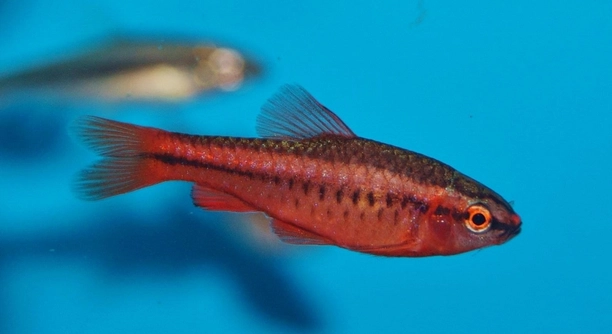
Cherry Barbs are popular among aquarium enthusiasts, known for their vibrant colors and peaceful nature. If you’re setting up a tank, you may be wondering how they handle different tank setups, especially one with no substrate.
Cherry Barbs can adapt to a bare-bottom tank, though it may not be the ideal environment for them. These fish prefer a tank with some substrate to mimic their natural habitat. A bare-bottom tank can cause stress over time, affecting their well-being.
Creating a suitable environment for Cherry Barbs goes beyond just filling the tank with water. Understanding their needs is key to keeping them healthy and happy in a bare-bottom tank.
Understanding Cherry Barbs’ Tank Preferences
Cherry Barbs thrive in environments that reflect their natural habitat, which includes having a suitable substrate. While they can survive in a bare-bottom tank, it’s not the best setup for their overall health. In the wild, they’re often found in slow-moving waters with plants and a soft substrate that provides shelter and a place to forage. A bare-bottom tank removes these natural features, which can lead to stress for the fish. Without the cover of substrate, Cherry Barbs might feel exposed, especially when they need a place to hide.
A bare-bottom tank may also limit the biological filtration that substrate provides, which can impact water quality. This can make it harder to maintain a stable environment for Cherry Barbs. Stress and poor water conditions can lead to weakened immune systems and potentially shorten their lifespan.
Considering these factors is essential in providing a healthy environment. If you choose a bare-bottom tank, additional care in maintaining water quality and offering hiding spots can help reduce the negative impacts.
The Role of Tank Maintenance
Proper maintenance is critical for Cherry Barbs in a bare-bottom tank. Without substrate, waste can accumulate quickly, requiring frequent cleaning.
When tank maintenance is consistent, it helps keep the water parameters stable. Regular water changes and monitoring for ammonia spikes are necessary to prevent stress on the fish. Adding aquarium plants or decorations for hiding spots can also improve their comfort.
Benefits of Bare-Bottom Tanks for Cherry Barbs
A bare-bottom tank can make cleaning easier. Without substrate, debris and waste settle at the bottom, making it easier to vacuum up. This can improve overall water quality and reduce the chances of harmful bacteria building up in the tank.
The ease of cleaning allows for a more manageable tank environment, which can be important if you’re new to fishkeeping or prefer a low-maintenance setup. Since waste removal is simplified, water changes can be done more efficiently, keeping the tank cleaner. However, the lack of substrate means that water flow can be more direct, which may not always be ideal for Cherry Barbs who prefer calmer waters.
Despite the cleaning advantages, the lack of substrate may make the tank feel sterile and less natural for your Cherry Barbs. Without hiding spots or a surface for foraging, they might feel exposed, especially when stressed. Over time, the absence of these elements can affect their overall well-being.
Creating a Balanced Environment for Cherry Barbs
To improve the bare-bottom tank setup for Cherry Barbs, adding decorations or plants is essential. Cherry Barbs enjoy environments that mimic natural conditions, which can include plants like Java Moss or Anubias. These plants offer hiding places and additional surfaces for grazing, helping your fish feel more secure.
In addition, keeping the water parameters stable is crucial. Without substrate, there’s less filtration, so regular water changes are necessary to maintain the water quality. Monitoring the water for any signs of ammonia or nitrite buildup is important to prevent stress on the fish. Regular maintenance and the addition of plants can help create a more balanced environment.
While Cherry Barbs can adapt to a bare-bottom tank, their comfort and health are improved by incorporating elements that allow for natural behavior. With a bit of care and attention, you can create a more enriching environment for your fish, even in a bare-bottom setup.
Water Quality and Cherry Barbs
Maintaining water quality is vital for Cherry Barbs, especially in a bare-bottom tank. The absence of substrate means waste can accumulate quickly, so regular cleaning and water changes are essential. Poor water quality can lead to stress, illness, and shorter lifespans for your fish.
By monitoring ammonia, nitrite, and nitrate levels, you ensure the water remains safe for your Cherry Barbs. Investing in a good filtration system can help manage water parameters more efficiently. This is especially important in a bare-bottom tank, as the filtration system has to work harder to keep the environment stable.
The Importance of Hiding Spots
Cherry Barbs are naturally shy and prefer environments where they can seek shelter. In a bare-bottom tank, hiding spots are even more important. Adding rocks, driftwood, or plants can give them a sense of security.
These hiding spots allow your Cherry Barbs to escape from the flow of water when they need to rest or feel threatened. Ensuring they have a space to retreat to will reduce stress and promote their well-being in a bare-bottom tank setup.
Tankmates for Cherry Barbs
Choosing the right tankmates is key to keeping your Cherry Barbs happy. Avoid aggressive species, as these fish are peaceful by nature. A community tank with similar temperament fish, like tetras or rasboras, works best.
This peaceful environment reduces stress and helps your Cherry Barbs thrive.
FAQ
Can Cherry Barbs live in a tank without substrate?
Yes, Cherry Barbs can live in a bare-bottom tank. However, they may not thrive as well in this setup compared to one with substrate. While they can adapt, the absence of substrate removes essential elements like hiding spots and surfaces for foraging. They may experience stress over time without these natural features. Adding decorations or plants can help alleviate some of these concerns and improve their comfort.
Do Cherry Barbs need a lot of space?
Cherry Barbs are small and don’t require excessive space, but they do benefit from a tank that offers room to swim. A tank size of at least 20 gallons is recommended for a small group. Larger tanks allow for better water quality and provide the necessary swimming space for the fish to feel comfortable. Overcrowding can lead to stress and aggression, so it’s important to maintain appropriate tank size for the number of fish.
What water temperature is best for Cherry Barbs?
Cherry Barbs prefer warmer water, with an ideal temperature range between 72°F and 78°F (22°C to 26°C). Keeping the water within this range ensures they stay active and healthy. Water temperature that’s too high or too low can lead to stress, weakened immunity, and other health issues. A reliable heater is essential for maintaining consistent temperatures.
Are Cherry Barbs easy to care for?
Yes, Cherry Barbs are relatively easy to care for, making them a great choice for beginners. They are hardy fish that can tolerate a range of water conditions. However, maintaining stable water quality, feeding them appropriately, and providing a suitable environment with hiding places are essential for keeping them healthy. Regular tank maintenance will help keep your Cherry Barbs happy and active.
Do Cherry Barbs prefer a planted tank?
Yes, Cherry Barbs do better in a planted tank. They appreciate the cover that plants provide, as they are naturally shy and enjoy hiding when they feel threatened. Plants also help maintain water quality by absorbing excess nutrients and providing oxygen. Adding plants like Java Fern or Anubias will create a more comfortable environment for your Cherry Barbs.
What kind of food should I feed my Cherry Barbs?
Cherry Barbs are omnivorous and enjoy a varied diet. They will happily eat high-quality flake food, but it’s important to supplement their diet with frozen or live foods like brine shrimp, bloodworms, and daphnia. Vegetables like blanched spinach or zucchini can also be offered. Providing a mix of protein and plant-based foods helps them stay healthy and active.
How often should I feed my Cherry Barbs?
Feed your Cherry Barbs small amounts twice a day. Overfeeding can lead to water quality issues, so it’s best to provide only what they can eat in a few minutes. If you’re feeding live or frozen foods, you may want to offer them once or twice a week to supplement their regular flake food diet.
Can Cherry Barbs live with other fish?
Cherry Barbs are peaceful and get along well with most community fish, especially those of similar size and temperament. They do well with species like tetras, rasboras, and small catfish. Avoid aggressive or territorial fish, as this can cause stress and may lead to aggression towards the Cherry Barbs.
How can I tell if my Cherry Barb is sick?
Signs of illness in Cherry Barbs include faded colors, loss of appetite, abnormal swimming behavior, or clamped fins. If you notice these symptoms, it’s important to check water quality immediately and remove any potential stressors from the tank. If symptoms persist, quarantining the fish and consulting a veterinarian may be necessary.
Do Cherry Barbs breed easily?
Cherry Barbs are relatively easy to breed, though they do require specific conditions. To encourage breeding, you’ll need a separate breeding tank with soft, slightly acidic water and lots of plants. Cherry Barbs will lay their eggs among the plants, and the eggs will hatch in about 2-3 days. It’s important to remove the adult fish after breeding to prevent them from eating the eggs.
How long do Cherry Barbs live?
Cherry Barbs typically live for around 3 to 5 years when kept in optimal conditions. Factors like water quality, diet, and tank environment can affect their lifespan. With proper care, including regular maintenance and appropriate tankmates, Cherry Barbs can enjoy a long, healthy life.
Are Cherry Barbs active swimmers?
Yes, Cherry Barbs are relatively active swimmers, especially in groups. They are peaceful and will often swim together in small schools. Providing enough space and maintaining good water flow will help them stay active and healthy. A well-maintained tank encourages natural swimming behaviors and reduces stress.
Can Cherry Barbs tolerate low light?
Cherry Barbs do fine in low to moderate light, but they do better with natural lighting or a gentle aquarium light. Too much light can encourage algae growth, which may affect water quality. A well-balanced light cycle will help keep both your Cherry Barbs and plants healthy.
Do Cherry Barbs require aeration?
Aeration can be beneficial but is not always necessary for Cherry Barbs, especially if your tank has good surface movement from a filter. They do best in well-oxygenated water, so if your filter isn’t providing enough aeration, adding an air stone can help improve oxygen levels in the tank.
What are the signs of stress in Cherry Barbs?
Stress in Cherry Barbs can manifest in several ways. Symptoms include faded colors, erratic swimming, hiding more than usual, or being more reclusive than normal. Stress can be caused by poor water quality, incompatible tankmates, or a lack of hiding spots. Addressing these issues can help reduce stress levels.
Final Thoughts
Cherry Barbs are relatively easy to care for and adapt well to different tank setups. While they can live in a bare-bottom tank, it’s important to consider their need for hiding spots and stable water quality. Without substrate, waste can accumulate more quickly, which means regular maintenance becomes even more crucial. Ensuring proper filtration and keeping the water clean will help keep your Cherry Barbs healthy and active. Adding plants, rocks, or decorations to the tank will also provide them with the necessary cover to feel secure.
The most important factors to consider are water quality, tankmates, and diet. A well-maintained tank with stable water parameters will reduce the risk of stress and illness in your Cherry Barbs. When it comes to tankmates, they do best with peaceful, similar-sized species. Avoid adding aggressive fish that could cause unnecessary stress. By providing a balanced diet of high-quality flake food, supplemented with live or frozen foods, you can ensure that your Cherry Barbs remain healthy and vibrant.
Cherry Barbs can live for several years when cared for properly. They’re small, colorful, and active fish that can thrive in a well-maintained aquarium. While they can adapt to a bare-bottom tank, it’s important to remember that adding plants and decorations can enhance their environment and overall well-being. Keeping a close eye on water quality and offering a varied diet will help them stay healthy for years to come. By meeting their basic needs and providing the right tank conditions, Cherry Barbs can make a wonderful addition to any aquarium.

Hello,
If you enjoy the content that we create, please consider saying a "Thank You!" by leaving a tip.
Every little bit helps us continue crafting quality advice that supports the health, happiness, and well-being of pets around the world, for pets of all shapes, sizes, and species.
We really appreciate the kindness and support that you show us!