
Cherry barbs are a popular freshwater fish species, and many aquarists are drawn to their vibrant colors and easy care. While these fish are relatively simple to care for, it’s important to understand their differences, especially between males and females.
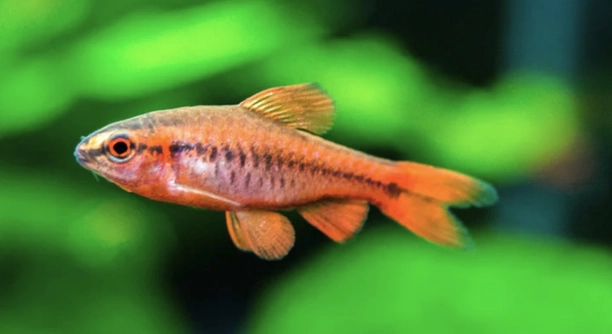
Male cherry barbs are smaller and display brighter colors, particularly during the breeding season. Females are larger, more rounded, and lack the vivid color of males, making them more subtle in appearance. These differences are crucial for identification.
Knowing these distinctions can help with tank management and breeding decisions. Understanding the differences between males and females enhances the experience of keeping cherry barbs.
Identifying Male Cherry Barbs
Male cherry barbs stand out due to their vivid red coloring, especially during the breeding season. This bright color helps attract females. The males are generally smaller, with a slimmer body compared to females. Their fins are more pointed, which also sets them apart. During the breeding season, males will often display their brightest hues to compete for the attention of a female. These visual cues are essential for recognizing the gender of these fish, making it easier for aquarists to manage their tanks or plan breeding efforts. The color intensity and size differences are key indicators.
The males’ vibrant coloration is a sign of health and a tool for mating success. The bright red often fades if the fish are stressed or unwell, which can indicate that the environment may need adjusting.
In a community tank, the presence of male cherry barbs adds a striking visual appeal. They are often seen swimming in short bursts, chasing each other or displaying for females. Understanding their behavior and coloration can make it easier to spot when they are ready to breed, helping with overall tank maintenance and fish care.
Female Cherry Barbs
Female cherry barbs are larger than their male counterparts and have a more subtle appearance. They do not display the bright red color typical of males and are usually a duller brown or tan color, though they can sometimes have a slight reddish tint.
The size difference between males and females is more noticeable when they are side by side. While males focus on attracting mates with their vibrant coloring, females focus on choosing the healthiest males for reproduction. The females’ lack of color does not reduce their importance in the breeding process. They play a critical role in maintaining the species by choosing strong mates. The behavior of females also differs, as they tend to be more passive and spend more time near the bottom of the tank, seeking shelter or food.
As females are more subdued, their presence balances the tank’s overall aesthetic. They also help control the population, as their breeding choices influence the next generation’s traits.
Behavior Differences Between Male and Female Cherry Barbs
Male cherry barbs tend to be more active, particularly during the breeding season. They often swim quickly and chase each other, displaying their colors to attract females. Males will also create a visible territory, especially if there are multiple males in the tank.
The males’ behavior focuses on competition and courtship. They will frequently perform short bursts of rapid swimming to display their colors and impress the females. In contrast, females tend to be more passive. They swim slowly, often staying near the bottom of the tank, where they seek shelter and food.
These behavior differences are important for tank management. Males can sometimes become territorial, especially when breeding is involved. It’s important to monitor their behavior closely to prevent aggressive interactions. The females, on the other hand, prefer calm areas with plenty of hiding spots, where they can feel secure.
Breeding Behavior of Male and Female Cherry Barbs
Male cherry barbs will often engage in courtship displays to attract a female. They perform rapid movements and intensify their colors to catch the female’s attention. During the breeding season, this behavior becomes more pronounced as the males try to outshine each other.
Females are more selective during the breeding process. They will often wait to observe the males’ displays and choose the one they find most attractive. Once a female is ready to breed, she will allow the male to swim alongside her, where the actual spawning will take place. After fertilization, females will lay their eggs, typically in hidden spots to avoid predation.
Breeding between males and females involves a series of rituals. Males constantly swim alongside females, signaling their readiness. Females will respond by laying eggs in substrate or plant areas. This process is influenced by water conditions, such as temperature and pH, ensuring the eggs are properly fertilized.
Tank Setup for Male and Female Cherry Barbs
Male and female cherry barbs both thrive in a well-planted tank with plenty of open space for swimming. A balanced environment with hiding spots is crucial for females, who prefer calmer areas. Males need open space to display and compete for attention.
While both sexes enjoy clean water and moderate temperature, the males particularly benefit from having room to swim freely and show off. The females prefer areas where they can rest or hide. Including plants, rocks, and other decorations ensures a comfortable environment for both. Proper filtration and water maintenance are essential for keeping the fish healthy and active.
A tank with a mix of open spaces and sheltered areas will encourage natural behavior from both males and females. Providing plenty of hiding spots for the females and wide areas for the males to display will help reduce stress and allow both sexes to thrive in a balanced, healthy environment.
Male Cherry Barb Feeding
Male cherry barbs are typically more active during feeding times. Their vibrant energy makes them eager to compete for food, particularly if there are multiple males in the tank. They are quick eaters and will swim energetically to grab food.
Their diet should consist of high-quality flakes, pellets, and occasional live or frozen food, such as brine shrimp. These fish enjoy variety, and offering a mix of nutrients ensures they stay healthy. However, it’s essential to monitor their feeding, as the males can sometimes overeat when competing for food. Smaller portions and frequent feeding sessions can prevent this.
Female Cherry Barb Feeding
Female cherry barbs tend to be less aggressive at feeding times. They are generally slower and more methodical in eating, focusing on picking up food near the bottom of the tank. Though not as competitive as males, they still enjoy a varied diet.
Providing a balanced diet is crucial to support their overall health. A combination of high-quality pellets, flake food, and live or frozen treats like daphnia or bloodworms will ensure the females get the nutrients they need. Their slower feeding behavior means they are more likely to consume food that sinks, so it’s important to adjust feeding to suit this tendency.
FAQ
What is the best way to differentiate between male and female cherry barbs?
Male cherry barbs are smaller and have bright red coloring, especially during the breeding season. Females are larger, more rounded, and have a duller, brownish appearance. The size difference is noticeable, and males’ brighter colors help attract females during mating periods. Males also have slightly more pointed fins compared to females. During breeding, the males will showcase their vivid colors to stand out. This difference makes it relatively easy to distinguish between the two once you observe them closely in a tank.
Do male and female cherry barbs have different temperaments?
Yes, male cherry barbs are generally more active, particularly during the breeding season. They swim rapidly and often chase each other, displaying their vibrant colors. Males tend to be more aggressive toward one another as they compete for the attention of females. On the other hand, females are usually calmer, swimming more slowly and spending time near the bottom of the tank. They also prefer hiding spots and are less likely to engage in the intense swimming displays that males do.
How often should I feed my cherry barbs?
Cherry barbs should be fed twice a day with small portions to avoid overfeeding. It’s important to offer a variety of foods to ensure they receive a balanced diet. High-quality flakes, pellets, and occasional live or frozen foods such as brine shrimp or bloodworms are ideal. Males, being more active, may eat more quickly than females, so it’s a good idea to monitor the feeding habits of each fish. Avoid overfeeding, as uneaten food can pollute the tank.
Can I keep male and female cherry barbs together?
Yes, male and female cherry barbs can be kept together. In fact, having both males and females in a tank encourages natural behavior and breeding. However, it’s important to ensure a balanced number of both sexes. Too many males can lead to aggressive behavior as they compete for the females’ attention. Keeping a ratio of about two or three females per male can help maintain a peaceful environment and reduce stress in the tank.
Do cherry barbs need a specific water temperature?
Cherry barbs thrive in water temperatures ranging from 72 to 79°F (22 to 26°C). Maintaining a consistent temperature within this range is essential for their health and activity. If the water is too cold, they may become lethargic, and if it’s too warm, it could lead to stress or faster disease development. A reliable aquarium heater and thermometer are helpful tools to maintain the proper temperature and keep your cherry barbs active and healthy.
Are cherry barbs suitable for a community tank?
Yes, cherry barbs are peaceful and make excellent additions to a community tank. They are small, non-aggressive fish and typically get along with other peaceful species. However, it’s essential to avoid aggressive fish, as they may stress out the cherry barbs. The tank should have plenty of hiding spots for the females and enough swimming space for the males. When placed in a suitable environment, cherry barbs can coexist harmoniously with other tank mates, such as tetras, guppies, and rasboras.
Do male cherry barbs show different behaviors during the breeding season?
Yes, during the breeding season, male cherry barbs become much more active. They will display their brightest colors and perform rapid swimming motions to attract females. Males may chase each other around the tank as they compete for a female’s attention. These behaviors are common during the breeding season, which typically occurs in slightly warmer water conditions. The males’ energetic behavior helps signal their readiness to breed and establishes their dominance within the group.
What should I do if my male cherry barb’s color starts to fade?
If the color of a male cherry barb fades, it may indicate stress, poor water conditions, or an illness. Changes in their environment, such as drastic shifts in water temperature or pH, can cause the vibrant red color to dull. It’s essential to test the water parameters and make adjustments to keep the environment stable. Additionally, check for signs of disease, such as lethargy or abnormal swimming behavior. If the issue persists, it might be a good idea to consult an aquarium specialist for advice.
How can I encourage breeding in my cherry barbs?
To encourage breeding, ensure that the water temperature is slightly warmer, between 75 to 79°F (24 to 26°C), and provide plenty of hiding spots with plants. When males display their colors and start performing courtship behaviors, it is a sign they are ready to breed. Keeping a good balance between males and females is crucial, as stress from excessive male competition can prevent breeding. If breeding does occur, the female will lay eggs in plants, where they will hatch in a few days. It’s a good idea to remove any adult fish after spawning to prevent them from eating the eggs.
How can I tell if my cherry barbs are healthy?
Healthy cherry barbs are active, with vibrant coloring. Males should display bright red hues, especially during the breeding season, and swim energetically. Females should be slightly larger, with a more subdued coloration. Check for signs of illness, such as lethargy, fading colors, or unusual swimming patterns. Also, observe their feeding habits; a healthy fish will eagerly consume food without hesitation. A well-maintained tank with proper water conditions plays a big part in ensuring their health. Regular water changes, proper filtration, and monitoring tank parameters are key to keeping cherry barbs healthy.
Can cherry barbs live with other fish species?
Yes, cherry barbs can coexist with various peaceful fish species in a community tank. They are not aggressive and tend to get along well with tetras, rasboras, and other non-aggressive species. However, it’s essential to avoid pairing them with more territorial or aggressive fish, as these can stress the cherry barbs. A peaceful, well-maintained tank with plenty of hiding spots will ensure a harmonious environment for all species involved.
Final Thoughts
Male and female cherry barbs are both enjoyable and easy to care for in a home aquarium. They are peaceful fish that add vibrant color and activity to the tank. The males stand out with their bright red hues, especially during breeding periods, while the females are larger and more subdued in color. Both sexes thrive in similar environments, preferring well-planted tanks with plenty of swimming space. Ensuring clean water, proper temperature, and a varied diet will help keep them healthy and active.
When keeping cherry barbs together, it’s important to maintain a balanced ratio of males and females. Too many males can cause competition and stress, while having more females helps reduce aggression. A good ratio ensures that the tank remains peaceful, with the males displaying their bright colors to attract the females. This setup encourages natural behavior and promotes a harmonious environment for all fish. It’s also crucial to provide enough hiding spots for the females, as they tend to prefer calmer areas of the tank.
Overall, cherry barbs are suitable for both beginners and experienced aquarium enthusiasts. Their care requirements are simple, and they are compatible with many other peaceful fish. With proper attention to their tank setup, diet, and water quality, these fish will thrive. Whether you’re looking for an active display of color from the males or a calming presence from the females, cherry barbs can be a wonderful addition to your aquarium. They are low-maintenance and will bring life to your tank for years to come.

Hello,
If you enjoy the content that we create, please consider saying a "Thank You!" by leaving a tip.
Every little bit helps us continue crafting quality advice that supports the health, happiness, and well-being of pets around the world, for pets of all shapes, sizes, and species.
We really appreciate the kindness and support that you show us!