
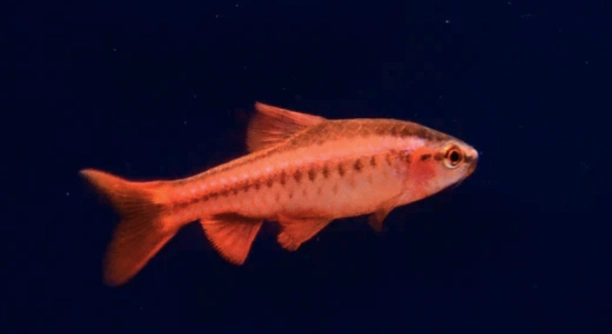
Adding cherry barbs to your aquarium can bring a burst of color and life, but it’s not always the right time. Some factors need to be considered to ensure a healthy and harmonious tank environment for everyone involved.
Before introducing cherry barbs to your tank, it’s important to consider water conditions, tank mates, and the overall tank setup. Adding them prematurely can cause stress for both the new fish and the existing residents.
Understanding when to add these vibrant fish will help you create a balanced and thriving aquatic environment. Let’s look at the key factors to keep in mind.
Tank Size and Space
Before adding cherry barbs to your tank, it’s essential to ensure that your aquarium is large enough. These fish can grow up to 2 inches long, and they thrive in schools of at least six individuals. A small tank with limited space may lead to stress and aggressive behavior. Cherry barbs are peaceful by nature, but cramped conditions can cause territorial disputes with other tank mates. A minimum of 20 gallons is recommended for a small school, but larger tanks are always better.
A crowded tank can affect the health of both your cherry barbs and other fish. Overcrowding increases waste, leading to poor water quality, which can quickly harm sensitive fish.
To provide a comfortable environment, consider upgrading your tank size or removing excess fish. This helps ensure there is enough room for everyone, promoting a more peaceful and healthier atmosphere for all your aquatic inhabitants.
Water Parameters
Cherry barbs thrive in stable water conditions. If your tank’s water temperature or pH fluctuates too much, it may stress the fish, leaving them more vulnerable to disease.
Before introducing cherry barbs, ensure the water is within the optimal range: a temperature of 72–80°F, and a pH of 6.5–7.5. Regular testing is key to maintaining stability. If the water parameters are not ideal, it’s best to wait until conditions improve.
Rapid changes in water conditions can negatively impact the well-being of any fish. Even a small variation in temperature or pH can stress out cherry barbs, leading to health issues. It’s worth investing in reliable testing equipment and adjusting water conditions gradually to ensure a stable environment.
Ensure that both your tank’s water quality and temperature are in check before making any additions. This way, your cherry barbs will have a much better chance at thriving without the stress of unstable conditions.
Tank Mates
Choosing the right tank mates for your cherry barbs is essential. These fish are peaceful but can be stressed by aggressive companions. Avoid placing them with overly territorial or larger fish. Instead, opt for calm species that won’t compete aggressively for food or space.
When selecting tank mates, consider species that match the cherry barb’s temperament. Peaceful fish like tetras, rasboras, or smaller catfish are excellent choices. Avoid placing cherry barbs with fin-nipping species like certain cichlids or aggressive predators. The key is creating a stress-free environment where your cherry barbs can feel secure.
The addition of other peaceful fish can help create a balanced community, but it’s essential to monitor behavior regularly. If you notice aggression, it’s best to separate them to reduce stress and prevent potential harm to the cherry barbs. Ensuring your tank mates are compatible is crucial to fostering a harmonious atmosphere.
Health and Disease Prevention
It’s important to make sure your cherry barbs are healthy before introducing them to your tank. A weak or sick fish can spread diseases to other tank residents. Quarantining new fish for at least two weeks helps ensure they are disease-free.
A quarantine tank allows you to observe new fish for signs of illness without risking the health of your existing fish. It’s always better to be safe than sorry when it comes to introducing new members into your tank. Keeping the quarantine period long enough gives you time to treat any potential health issues.
During this period, carefully monitor the fish for signs of illness, such as faded colors, loss of appetite, or abnormal swimming behavior. Treat any problems before introducing the fish to your main tank. Taking these steps not only protects your cherry barbs but also ensures the well-being of all your aquarium inhabitants.
Tank Setup
Before adding cherry barbs, ensure your tank is well-established with proper filtration and decorations. Cherry barbs like plants, hiding spots, and swimming space. A tank with good flow and natural hiding places will help them feel more secure.
Adding decorations like rocks or plants mimics their natural environment, reducing stress. Cherry barbs are active swimmers but enjoy areas where they can retreat when needed. Make sure there’s plenty of room for them to swim in a relaxed manner.
Proper filtration is also crucial. A clean tank with consistent water quality supports the health of your cherry barbs, as well as any other fish in the tank. The setup should be peaceful and functional, encouraging healthy behavior.
Water Chemistry
Cherry barbs are sensitive to sudden changes in water chemistry. Regular monitoring of nitrate, nitrite, and ammonia levels will help maintain a stable environment for them.
Maintaining stable water chemistry ensures your cherry barbs can thrive. Water that is too acidic or alkaline can stress them out, leading to health problems. Consistently testing and adjusting the levels will prevent unnecessary complications.
Regular maintenance of water chemistry should be part of your routine care to keep your tank’s environment optimal for all its inhabitants. This consistency reduces the risk of introducing stressors that could harm your fish.
Feeding and Nutrition
Proper nutrition is key to a cherry barb’s health. Ensure they are fed a varied diet, including high-quality flakes or pellets, as well as occasional live or frozen foods.
Feeding them correctly supports their vibrant colors and overall well-being. Cherry barbs will also enjoy algae and vegetable matter in their diet. Providing a range of foods ensures they receive all necessary nutrients for growth and energy.
FAQ
When is the best time to add cherry barbs to my tank?
It’s best to wait until your aquarium has fully cycled, which usually takes around 4-6 weeks. This gives the tank time to establish stable water parameters. Adding cherry barbs too early can expose them to harmful ammonia and nitrites, which could harm their health. The tank should also have enough space, proper filtration, and established water chemistry before adding new fish.
Can cherry barbs live with other species?
Yes, cherry barbs can live peacefully with other non-aggressive species. They tend to do well with small tetras, rasboras, and peaceful catfish. However, avoid pairing them with aggressive fish or large species that might intimidate them. Cherry barbs thrive in a peaceful, well-balanced community tank.
How many cherry barbs should I add at once?
Cherry barbs prefer to be kept in groups of at least six. They feel safer and more secure in a school. Adding them in a larger group helps prevent stress and allows for more natural behavior. Smaller groups may lead to nervous or solitary fish that are not as active.
Are cherry barbs easy to care for?
Yes, cherry barbs are relatively low-maintenance. They don’t require special care or complicated water conditions. As long as their basic needs are met—stable water, good tank mates, and a varied diet—they can thrive in most home aquariums. However, keeping their environment balanced and healthy is essential to ensuring their well-being.
What is the ideal tank size for cherry barbs?
The ideal tank size for cherry barbs is at least 20 gallons for a small school of six or more fish. A larger tank gives them more space to swim and helps prevent territorial behavior. Smaller tanks can lead to stress and health issues for cherry barbs, so always opt for a tank that provides enough space for them to move freely.
Do cherry barbs need a heater?
Yes, cherry barbs prefer warmer water temperatures between 72°F and 80°F (22°C – 27°C). If your tank is in a cooler room or experiences temperature fluctuations, you should use a heater to maintain a consistent environment. A heater helps avoid temperature stress, ensuring the cherry barbs remain comfortable and healthy.
What do cherry barbs eat?
Cherry barbs are omnivores, meaning they eat a variety of foods. Their diet can include high-quality flakes, pellets, live foods like brine shrimp, and vegetables such as spinach or zucchini. Offering a balanced diet helps maintain their health and vibrant coloration. Make sure to feed them small amounts multiple times a day to avoid overfeeding.
Can cherry barbs live in low-light tanks?
Yes, cherry barbs can live in low-light tanks, but they will thrive best in tanks with moderate lighting. Moderate lighting helps simulate their natural environment, where they enjoy swimming among plants and hiding spots. Too much light can encourage algae growth, which could affect the water quality. Ensure your tank has a balance of lighting that supports both your plants and fish.
How can I tell if my cherry barbs are stressed?
Signs of stress in cherry barbs include faded coloration, lack of appetite, and unusual swimming behavior. If they are staying at the bottom of the tank or hiding excessively, it may indicate stress. Other signs to look out for include darting around the tank, gasping for air at the surface, or frequent scratching against objects. Stress can be caused by poor water quality, aggressive tank mates, or a sudden change in their environment.
Do cherry barbs breed easily in captivity?
Cherry barbs can breed in captivity, but it is not always straightforward. They typically need slightly acidic to neutral water conditions for breeding. Providing dense plant cover, a quiet environment, and ensuring the fish are well-fed can help encourage breeding. After mating, the female will lay eggs on plants, and the male fertilizes them. However, the eggs may not always hatch, so it’s important to monitor closely.
How long do cherry barbs live?
Cherry barbs typically live for around 3-5 years in a well-maintained tank. Their lifespan depends on their environment, diet, and overall care. A stable tank with good water conditions and minimal stress will contribute to a longer, healthier life for your cherry barbs.
Final Thoughts
Cherry barbs can be a great addition to your aquarium if the conditions are right. They’re peaceful, colorful fish that thrive in a well-maintained environment. However, adding them to your tank too soon or without proper preparation can cause unnecessary stress. Taking the time to ensure your tank is stable, with the right water parameters and tank mates, will make a big difference in their well-being. A properly cared-for tank will give your cherry barbs the best chance to live a healthy and happy life.
While cherry barbs are relatively low-maintenance, they do have some specific needs that should be met to keep them thriving. This includes providing them with a suitable tank size, balanced water chemistry, and enough space to swim freely. They also enjoy a varied diet and benefit from a peaceful tank environment with compatible tank mates. Ensuring that your aquarium setup is suitable for these fish will not only improve their quality of life but also the overall harmony in your tank.
Patience is key when introducing new fish like cherry barbs to your aquarium. It’s important to wait for the tank to fully cycle, monitor water conditions regularly, and avoid overcrowding. With the right care, cherry barbs can be a delightful addition to your aquarium, offering beautiful color and lively activity. Keep an eye on their behavior and overall health to ensure they are thriving, and don’t hesitate to make adjustments if necessary. By paying attention to their needs, you’ll be able to enjoy these vibrant fish for years to come.

Hello,
If you enjoy the content that we create, please consider saying a "Thank You!" by leaving a tip.
Every little bit helps us continue crafting quality advice that supports the health, happiness, and well-being of pets around the world, for pets of all shapes, sizes, and species.
We really appreciate the kindness and support that you show us!