
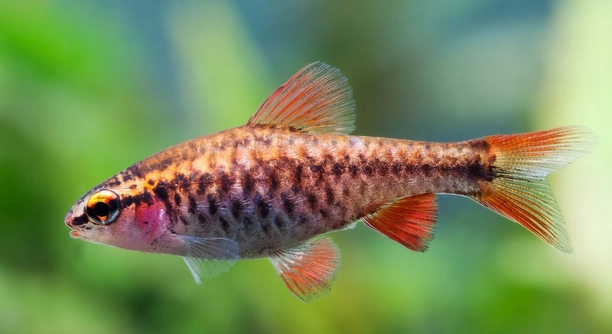
Cherry barbs are a popular fish species, and if you’re a fishkeeper, you might have experienced difficulty getting their eggs to hatch. Understanding the factors that can prevent successful hatching can help address the issue.
Several factors could be preventing your cherry barb eggs from hatching, including water quality, temperature, or even the presence of harmful bacteria. Inadequate conditions can lead to infertility or egg damage, resulting in poor hatching success.
Knowing the reasons behind failed hatching can help you troubleshoot and improve the chances of future success. Understanding these factors will also guide you in ensuring healthy conditions for your cherry barbs.
Poor Water Quality
Water quality is essential for the survival of cherry barb eggs. If the water is too dirty, it can cause harmful bacteria to grow, which will harm the eggs. Ammonia and nitrite levels can also cause stress, preventing successful hatching. Without proper filtration, toxins can build up and negatively impact egg development.
Maintaining good water quality is one of the most important factors for egg survival. Regular water changes and keeping the tank clean will help ensure the eggs are in a healthy environment.
It is recommended to test water parameters like pH, hardness, and temperature regularly. Cherry barbs prefer a slightly acidic pH range between 6.0 and 7.0. Keeping the tank clean and filtered will not only help the eggs but also improve the overall health of your fish. Using a reliable water testing kit will make it easier to spot any issues before they affect the eggs.
Incorrect Temperature
Temperature plays a key role in the development of cherry barb eggs. If the water is too cold, the eggs might not develop properly or even hatch at all. Cherry barbs thrive in temperatures between 75°F to 80°F (24°C to 27°C). Anything lower can slow down the hatching process or stop it completely.
It’s essential to keep the water temperature within this range to ensure that the eggs can mature properly. Fluctuations in temperature can cause stress and lead to poor hatching rates. A stable aquarium heater will help maintain the right temperature consistently, reducing the risk of temperature-related issues. Additionally, sudden drops in temperature can be harmful to the developing eggs, so keeping the tank in a well-controlled environment is vital for hatching success.
Presence of Harmful Bacteria
Harmful bacteria can destroy cherry barb eggs before they even have a chance to develop. These bacteria can infect the eggs, causing them to spoil. To prevent this, maintaining a clean tank and using anti-bacterial treatments is important.
Using a proper filtration system can help reduce the growth of harmful bacteria. Additionally, make sure the tank is not overcrowded and avoid overfeeding. Both can contribute to increased waste and bacteria growth. If you suspect bacteria are affecting your eggs, you may want to consider using an antibacterial solution or removing any affected eggs immediately to prevent further spread.
Treating the tank with antibacterial products designed for aquariums can help eliminate harmful bacteria without harming the fish or their eggs. Adding a small amount of aquarium salt can also act as a mild disinfectant, which may prevent bacterial growth. Always follow the product’s instructions to avoid any negative impact on water quality or the eggs.
Inadequate Oxygen Supply
Proper oxygen levels are crucial for the survival of cherry barb eggs. If the water does not have enough oxygen, the eggs will not develop correctly. Adding an air pump can improve the oxygen supply and help promote healthy egg growth.
Insufficient oxygen can lead to the eggs becoming suffocated, which prevents them from hatching. To ensure there is enough oxygen, use an aquarium air pump or aeration system. This will help improve the water circulation, promoting better oxygenation throughout the tank. A well-oxygenated environment helps not only the eggs but also the fish.
It’s also important to monitor the water’s surface for any buildup of debris or algae that might block oxygen exchange. Regular water changes and ensuring that the tank’s filtration system is working well will help maintain the necessary oxygen levels. This will reduce the chances of egg suffocation and improve the chances of a successful hatch.
Overcrowded Tank
Overcrowding the tank can lead to a stressful environment for both the fish and the eggs. Too many fish can disrupt the water quality, leading to higher levels of waste and harmful substances that can prevent the eggs from hatching.
Maintaining a balanced number of fish in your tank ensures a stable environment for your cherry barbs. If the tank is too crowded, the eggs might not develop properly due to poor water circulation and high levels of waste. Keeping the fish population within the tank’s capacity is essential for optimal egg hatching conditions.
Poor Water Circulation
Proper water circulation is necessary to ensure that the eggs receive enough oxygen and nutrients. Stagnant water can lead to poor oxygen levels and make it harder for the eggs to develop. Good circulation helps promote a healthy environment for hatching.
To improve water circulation, consider adjusting the filter’s flow rate or adding additional filtration equipment. This will help keep the water moving and ensure that oxygen is evenly distributed throughout the tank. Proper water flow will also help keep the tank clean by preventing debris from settling on the bottom, reducing the risk of bacteria growth. The more circulation you have, the better the environment will be for your cherry barb eggs.
Incorrect Lighting
Lighting plays a role in the health of the eggs. If the lighting is too harsh or too dim, it can affect the growth and development of the eggs. Cherry barbs need a consistent light cycle for optimal breeding conditions.
Maintaining a steady day-night cycle will help regulate the conditions needed for hatching. The ideal lighting for cherry barbs is moderate, with a light intensity that mimics natural daylight. Too much light can stress the fish, while too little light can prevent the eggs from developing properly. Using a timer to maintain a consistent lighting schedule is a good way to manage the tank’s light cycle.
FAQ
Why aren’t my cherry barb eggs hatching?
There can be several reasons why your cherry barb eggs are not hatching. It could be due to poor water quality, incorrect temperature, bacterial infections, insufficient oxygen, or overcrowding in the tank. All of these factors can disrupt the conditions needed for successful hatching. Ensuring proper water parameters, maintaining a clean tank, and providing adequate space for your fish will improve the chances of eggs hatching.
What temperature should I keep the water at for cherry barb eggs?
Cherry barb eggs hatch best in water temperatures between 75°F to 80°F (24°C to 27°C). Keeping the water within this range ensures optimal development of the eggs. If the temperature is too low, the eggs may not develop properly or may fail to hatch. It’s important to monitor the temperature regularly to prevent any sudden changes that could stress the eggs.
How can I improve oxygen levels for my cherry barb eggs?
To improve oxygen levels, consider using an aquarium air pump or aeration system. These will help circulate the water and increase oxygen flow, which is essential for the survival and development of the eggs. Additionally, ensure your filtration system is functioning well and that the water is not stagnant. Good oxygenation can make a significant difference in whether or not the eggs hatch.
What should I do if the eggs have fungus on them?
Fungus on cherry barb eggs is a common issue that can prevent them from hatching. If you notice white, cotton-like growth on the eggs, it’s likely fungal contamination. Remove the affected eggs as soon as possible to prevent the fungus from spreading to other eggs. You can treat the tank with antifungal medication designed for aquariums to help prevent further outbreaks. Additionally, ensure your water quality is good to avoid creating an environment where fungus can thrive.
Can overcrowding in the tank affect egg hatching?
Yes, overcrowding can negatively affect the eggs. When there are too many fish in the tank, the water quality can decline rapidly, leading to an environment that’s not suitable for egg development. Overcrowding can cause stress among the fish, increase waste levels, and decrease oxygen in the water. Keeping your tank properly stocked will help create a better environment for your cherry barbs and their eggs.
What is the best way to prevent bacteria from damaging my cherry barb eggs?
To prevent bacterial damage, maintain good water quality by performing regular water changes and ensuring your filtration system is working properly. Keep the tank clean and remove any uneaten food or debris promptly. You can also use antibacterial products specifically designed for aquariums. Additionally, it’s a good idea to ensure the eggs are not left in stagnant water, as this promotes the growth of harmful bacteria.
How can I tell if my cherry barb eggs are fertilized?
Fertilized eggs are typically clear or slightly opaque, while unfertilized eggs will usually appear white or cloudy. If the eggs are fertilized, you should start seeing small, developing embryos within 24-48 hours after laying. It’s important to keep monitoring the eggs over time to see if they are progressing. If the eggs don’t show any development after a few days, they might be unfertilized.
Should I remove the adult cherry barbs from the tank after they lay eggs?
It’s generally a good idea to remove the adult cherry barbs after they have laid eggs. If left in the tank, the adults may eat the eggs or disturb them. By removing them, you can create a safer environment for the eggs and reduce the risk of damage. However, if you want to leave them in the tank, consider adding a spawning mop or placing the eggs in a separate breeding tank to protect them.
How often should I change the water in the tank during the egg incubation process?
You should change the water regularly during the egg incubation period, but avoid large, drastic changes that might stress the eggs. A 10-15% water change every few days is ideal. Be sure to use water that is the same temperature as the tank water to avoid shocking the eggs. Keeping the water clean will help maintain good conditions for the developing eggs.
Is it necessary to use a separate breeding tank for cherry barb eggs?
Using a separate breeding tank is not always necessary but can be beneficial in certain situations. A breeding tank provides a controlled environment where you can manage water quality, temperature, and oxygen levels more easily. If you’re concerned about the adults eating the eggs or disturbing them, a separate tank can help protect the eggs. However, if you have a well-maintained community tank with minimal disturbance, you can leave the eggs in the main tank.
How long does it take for cherry barb eggs to hatch?
Cherry barb eggs typically take between 24 and 48 hours to hatch, depending on the water temperature. Warmer temperatures speed up the incubation process, while cooler temperatures can slow it down. Be sure to monitor the tank closely during this period to ensure the eggs are developing properly. Once they hatch, the baby fish, or fry, will start swimming freely within a few days.
Final Thoughts
Understanding the factors that affect the hatching of cherry barb eggs can help you create a better environment for successful breeding. By maintaining proper water quality, temperature, and oxygen levels, you ensure the eggs have the best chance of developing into healthy fry. It’s important to keep the tank clean, avoid overcrowding, and manage the lighting and circulation to promote a stable environment. Small adjustments can make a big difference in the outcome of your breeding attempts.
Dealing with issues like fungus, bacterial infections, and stress from overcrowding can be challenging, but with the right care, you can overcome these problems. Taking the time to monitor the tank conditions and make necessary changes can prevent these issues from affecting the eggs. Using separate breeding tanks, if possible, can give the eggs a safer and more controlled environment, reducing the risk of predation by the adult fish and promoting better development. It’s about creating the right balance and consistency in the care you provide.
In conclusion, patience and attention to detail are key when trying to hatch cherry barb eggs. By addressing the various factors that influence egg hatching, you can improve your chances of success. While there may be setbacks along the way, taking the necessary steps to optimize the environment for the eggs and the fish will lead to better results in the long term. With the right knowledge and care, you can enjoy watching your cherry barbs successfully breed and raise their fry.

Hello,
If you enjoy the content that we create, please consider saying a "Thank You!" by leaving a tip.
Every little bit helps us continue crafting quality advice that supports the health, happiness, and well-being of pets around the world, for pets of all shapes, sizes, and species.
We really appreciate the kindness and support that you show us!