
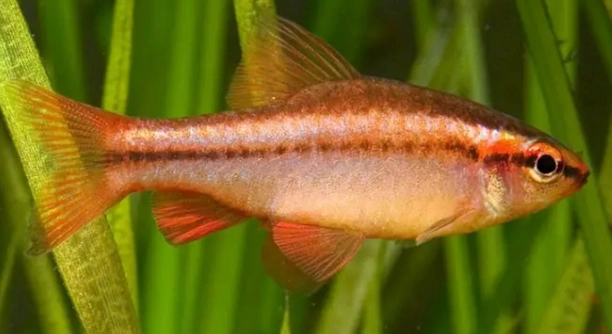
Cherry Barbs are popular freshwater fish in many aquariums. They are known for their vibrant colors and peaceful nature. However, proper care is essential to ensure their health and well-being in a home tank environment.
Cherry Barbs do not require frequent water testing unless there are visible issues with water quality. Regular maintenance, like water changes and observing fish behavior, is usually enough. However, testing is necessary if problems such as algae blooms or illness arise.
Maintaining a stable environment for your Cherry Barbs will help ensure their longevity. Proper water management, combined with consistent observation, can prevent unnecessary issues in the aquarium.
How Often Should You Test the Water for Cherry Barbs?
Testing the water in your tank is important for maintaining healthy fish. However, Cherry Barbs don’t require constant testing if your water conditions are stable. Regular testing is best when you first set up your tank or if you notice any unusual behavior from the fish. A good rule is to test every two weeks under normal circumstances. This helps ensure your water remains within safe parameters, such as the right pH, ammonia, nitrite, and nitrate levels. If something seems off, like cloudy water or stressed fish, it’s time to test.
Water changes are an essential part of aquarium care. Regularly changing 10-20% of the water every week is ideal. This helps prevent the buildup of toxins that can harm your fish. Over time, you’ll notice patterns in your water chemistry, making it easier to detect problems early.
In addition to water testing, observe your Cherry Barbs. If they’re swimming actively, eating well, and showing normal behavior, your water is likely in good condition. Fish that are lethargic or showing signs of distress might need closer attention. Regular observation, combined with periodic testing, will keep your Cherry Barbs happy and healthy.
Common Water Issues Affecting Cherry Barbs
While water testing isn’t needed constantly, certain issues can arise. High levels of ammonia or nitrites are harmful to fish. These can develop in tanks with poor filtration or too many fish. Additionally, fluctuations in water temperature or pH can stress Cherry Barbs, leading to illness.
Monitoring your tank’s water parameters regularly and staying consistent with maintenance can prevent such issues. Fish tanks with weak filtration systems or overcrowding may experience spikes in dangerous substances. It’s also important to avoid sudden changes in water temperature, as this can shock the fish and cause health problems. Using a reliable thermometer and keeping your tank at a steady temperature will help reduce stress.
Lastly, algae blooms are common in aquariums with excess nutrients. Regular water changes and proper filtration will prevent these from becoming an issue. Healthy water quality promotes the overall well-being of your Cherry Barbs and helps them thrive in a stable environment. By keeping an eye on water quality and maintaining a clean tank, you can enjoy a long-lasting aquarium.
Best Water Parameters for Cherry Barbs
The ideal water parameters for Cherry Barbs include a temperature of 72-80°F, a pH range of 6.5-7.5, and soft to moderately hard water. Maintaining these conditions will ensure the fish stay healthy and vibrant. Regular monitoring of these values helps prevent issues caused by imbalanced water chemistry.
Cherry Barbs are sensitive to large fluctuations in temperature or pH. Sudden changes can cause stress, making them more susceptible to disease. A stable environment is key to their well-being, so investing in a reliable heater and pH buffer can be helpful. It’s important to avoid extreme water conditions for optimal growth and color.
The hardness of the water should be moderate, with a range of 5-12 dGH. This will mimic their natural habitat and help keep them comfortable. Be sure to check your water’s hardness using a reliable test kit. Adjustments can be made using specific products that help soften or harden the water as needed.
How to Handle Ammonia and Nitrite Spikes
Ammonia and nitrites are toxic to Cherry Barbs, and even small increases in their levels can cause health issues. If you notice these substances in your water, it’s important to take immediate action. Regular water changes and increasing filtration can help control levels.
To address ammonia or nitrite spikes, perform a 25-50% water change. This will help dilute these harmful chemicals and improve the water quality. Additionally, check your filter to ensure it’s functioning properly. A clogged filter may not be adequately removing waste, which can lead to higher toxin levels. Maintaining a clean filter is essential for keeping ammonia and nitrite levels in check.
If your tank is cycling and new, consider adding beneficial bacteria. These bacteria break down harmful substances and help maintain a safe environment for your Cherry Barbs. Adding plants to the tank can also assist in removing excess nitrates, helping to stabilize the water chemistry.
Importance of Proper Filtration for Cherry Barbs
A good filtration system is essential to keep your tank clean and your Cherry Barbs healthy. Filtration helps remove excess waste, uneaten food, and harmful substances from the water. Without it, toxins can build up quickly and affect the fish’s health.
Ensure your filter is suitable for the size of your tank. A filter that is too weak won’t effectively remove debris or maintain proper water conditions. On the other hand, a filter that’s too strong can create too much water flow, which may stress out your Cherry Barbs. Adjust the flow to suit their needs.
Regularly clean your filter and replace the media as needed. Clogged filters won’t work efficiently, so it’s important to maintain them for optimal water quality. With proper filtration, you’ll reduce the risk of ammonia, nitrites, and other water quality issues.
The Role of Water Changes in Cherry Barb Care
Water changes are a key part of keeping your aquarium balanced. They help remove toxins and replenish essential minerals that Cherry Barbs need to thrive. Regular water changes reduce the buildup of harmful substances like nitrates and phosphates.
A 10-20% water change every week is typically enough. When performing the water change, make sure to use a water conditioner to remove chlorine or chloramine from tap water. These chemicals are harmful to fish and need to be neutralized before adding fresh water to the tank.
It’s also a good time to check your water parameters, ensuring that the temperature, pH, and hardness are still within the proper ranges. This simple maintenance step keeps your Cherry Barbs in a stable and healthy environment.
Why Testing for Nitrates Matters
Nitrates, though less harmful than ammonia and nitrites, can still affect the health of your Cherry Barbs if they accumulate to high levels. Regular testing for nitrates helps ensure the water remains safe.
High nitrate levels can lead to algae growth and water cloudiness, affecting both the fish and the aesthetic of your tank. Keeping nitrates in check can be done by performing regular water changes and adding live plants that naturally absorb excess nutrients from the water.
FAQ
Do Cherry Barbs need a filter?
Yes, Cherry Barbs benefit greatly from having a filter in their tank. A filter helps maintain clean water by removing debris, uneaten food, and harmful substances like ammonia and nitrites. A good filtration system also helps oxygenate the water, which is important for the fish’s overall health. Without a filter, the water can quickly become polluted, leading to poor water quality and stressing your fish.
What water temperature do Cherry Barbs prefer?
Cherry Barbs prefer a water temperature range of 72-80°F (22-27°C). Keeping the water within this range mimics their natural habitat and helps maintain their health and vibrant colors. Extreme temperatures can cause stress and may even lead to illness. A reliable heater can help keep the tank at a stable temperature, especially in colder environments.
Can Cherry Barbs live with other fish?
Yes, Cherry Barbs are peaceful and do well with other calm, community fish. They typically get along with species like tetras, rasboras, and guppies. Avoid keeping them with aggressive or overly territorial fish, as they might stress the Cherry Barbs. When choosing tank mates, make sure the fish have similar water and temperature requirements to ensure harmony in the tank.
How often should I feed my Cherry Barbs?
Feed your Cherry Barbs once or twice a day. Offer them small amounts of food that they can consume in a few minutes. Overfeeding can lead to water quality issues, as uneaten food will decompose and pollute the water. A balanced diet of high-quality flakes, pellets, and occasional live or frozen foods will keep them healthy and active.
Do Cherry Barbs need special water conditions?
Cherry Barbs prefer slightly acidic to neutral water with a pH of 6.5-7.5. They also do well in soft to moderately hard water. While they aren’t overly demanding, it’s important to regularly monitor the water parameters to ensure they stay within the ideal range. Keeping the water clean and stable is the key to their well-being.
How long do Cherry Barbs live?
With proper care, Cherry Barbs can live for about 3-5 years. Factors such as water quality, tank conditions, diet, and stress levels play a significant role in their lifespan. Regular maintenance and attention to their needs will help them live a long, healthy life.
Can Cherry Barbs breed in a tank?
Yes, Cherry Barbs can breed in a well-maintained tank. To encourage breeding, provide a breeding environment with plants or spawning mops where the female can lay eggs. It’s important to separate the adults from the eggs after spawning, as they may eat them. The eggs typically hatch in 2-3 days, and the fry will require special care until they are large enough to join the rest of the tank.
What is the ideal tank size for Cherry Barbs?
A 20-gallon tank is ideal for a small group of Cherry Barbs. They are relatively small fish, but they still need space to swim and explore. A larger tank will help maintain better water quality, especially if you plan to keep multiple fish or other species. Ensure the tank has sufficient filtration and plenty of hiding spots for the fish to feel secure.
Do Cherry Barbs need to be in groups?
Yes, Cherry Barbs are social fish and should be kept in groups of at least 4-6 individuals. Keeping them in groups helps reduce stress, as they feel safer and more comfortable. In smaller numbers, they can become skittish or aggressive towards each other, which can lead to health problems.
Why is my Cherry Barb not eating?
If your Cherry Barb isn’t eating, it could be due to several factors. Poor water quality, stress from new tank mates, or illness can affect their appetite. Make sure your water parameters are in check and that the tank is stable. If the problem persists, it’s best to observe the fish for any signs of illness or consult with an aquarium professional.
How can I tell if my Cherry Barbs are stressed?
Stressed Cherry Barbs may show signs such as erratic swimming, loss of color, hiding, or refusal to eat. Stress can be caused by poor water quality, aggressive tank mates, or sudden changes in the environment. To reduce stress, maintain a stable tank environment, provide appropriate tank mates, and avoid overfeeding. If the stress continues, check your water parameters and make necessary adjustments.
Do Cherry Barbs jump out of the tank?
While Cherry Barbs are not known for jumping frequently, they can still attempt to leap out of the tank if they are startled or stressed. To prevent this, ensure your tank has a secure lid or cover to keep your fish safe. Providing plenty of hiding places and reducing tank disturbances can also help minimize stress and prevent jumping.
Are Cherry Barbs sensitive to water changes?
Cherry Barbs can be sensitive to sudden changes in water conditions, including temperature, pH, and hardness. Rapid water changes can cause stress and may even lead to illness. To avoid shocking your fish, change the water gradually, and ensure that the new water is similar in temperature and quality to the tank water. Regular, smaller water changes are better for keeping the fish comfortable.
Can Cherry Barbs live in brackish water?
Cherry Barbs are not suited for brackish water. They are freshwater fish and do best in soft to moderately hard freshwater with a neutral pH. Exposing them to brackish water can cause health issues and shorten their lifespan. It’s important to maintain a freshwater environment to ensure their well-being.
What are the signs of a healthy Cherry Barb?
A healthy Cherry Barb will have vibrant colors, swim actively, and show curiosity toward its environment. It should eat well and interact with its tank mates without signs of aggression. Clear, bright eyes and smooth, undamaged scales are also indicators of a healthy fish. Regular water testing and proper care will help maintain your Cherry Barb’s health.
Can Cherry Barbs tolerate low oxygen levels?
Cherry Barbs can tolerate low oxygen levels for short periods, but it’s not ideal. They prefer well-oxygenated water, which can be achieved through proper filtration and water movement. Low oxygen levels may stress your fish and make them more prone to illness. Ensure your tank has adequate surface agitation to allow oxygen exchange.
Final Thoughts
Maintaining a healthy environment for your Cherry Barbs requires regular monitoring and care. While these fish are relatively low-maintenance, they still rely on proper water quality, suitable tank mates, and consistent feeding to thrive. Ensuring that the water is clean, the temperature is stable, and the tank is free of excess waste will go a long way in keeping your fish happy. Additionally, proper filtration and regular water changes are key aspects of maintaining a balanced tank environment.
Cherry Barbs are peaceful and social fish that can live harmoniously with other community species. They do best in groups and benefit from the companionship of other Cherry Barbs. This not only reduces stress but also brings out their natural behaviors, enhancing their overall well-being. It’s also important to keep an eye on their diet, ensuring they receive a balanced mix of high-quality foods to support their growth and health. Avoid overfeeding, as uneaten food can quickly deteriorate water quality.
In conclusion, while Cherry Barbs don’t require excessive attention, a stable and well-maintained environment is crucial to their health and longevity. By regularly testing the water, monitoring the tank’s temperature, and ensuring that they have appropriate tank mates, you can help your Cherry Barbs live a long and healthy life. With a little effort, these colorful and peaceful fish can thrive in your aquarium, adding beauty and activity to your aquatic setup.

Hello,
If you enjoy the content that we create, please consider saying a "Thank You!" by leaving a tip.
Every little bit helps us continue crafting quality advice that supports the health, happiness, and well-being of pets around the world, for pets of all shapes, sizes, and species.
We really appreciate the kindness and support that you show us!