
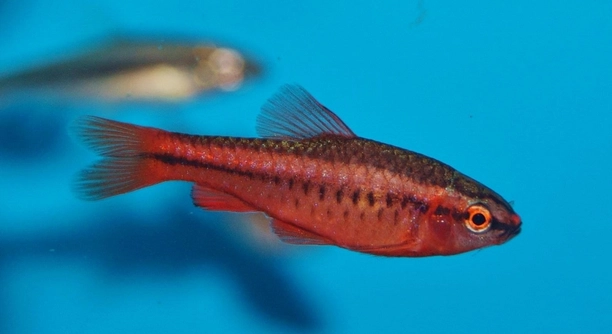
Cherry Barbs are known for their active and playful nature, so noticing a sudden halt in movement can be concerning. This behavior could stem from several possible factors affecting your fish’s health or environment.
The most likely cause for your Cherry Barb’s sudden inactivity is stress or poor water quality. Factors such as high ammonia levels, fluctuating temperatures, or insufficient oxygen can cause your fish to become lethargic and unresponsive.
Identifying the specific cause can help you restore a healthy environment and ensure your Cherry Barb thrives again. Understanding the right conditions will prevent further issues and help you keep your fish happy and active.
Potential Causes for a Cherry Barb’s Inactivity
When Cherry Barbs stop moving, several factors might be at play. One common issue is poor water quality. If the ammonia or nitrate levels are too high, fish will struggle to breathe and may become lethargic. Testing your aquarium water regularly will help identify these issues quickly. Temperature fluctuations are another concern. Cherry Barbs thrive in temperatures between 74°F and 80°F (23°C to 27°C), so any changes outside of this range can cause stress. Additionally, sudden changes in light or the presence of aggressive tank mates can cause discomfort, leading to immobility. Stress from poor tank conditions can weaken your fish, making it more susceptible to illness.
Testing water quality is essential for monitoring and preventing health issues in your fish. When water conditions are balanced, Cherry Barbs tend to be active and healthy. Ensuring proper filtration and cleaning can help maintain optimal water conditions.
If your Cherry Barb remains inactive even after adjusting the water, check for physical injuries. Fish sometimes stop moving due to wounds or parasites. It’s important to inspect the body carefully for signs of injury or disease. A fish’s immune system can often handle minor wounds, but untreated injuries could lead to more serious problems. Keeping your tank clean and free from sharp objects is a good way to reduce the risk of cuts.
How to Improve Your Cherry Barb’s Environment
Keeping Cherry Barbs healthy requires constant attention to their environment. Consistent water changes, ideally once a week, are necessary to maintain proper water quality. In addition to this, ensure your tank is properly filtered to remove toxins. Temperature stability is also crucial. Invest in a reliable aquarium heater to maintain a constant temperature. The addition of live plants can help create a more natural habitat, reducing stress for your fish. The ideal tank setup should offer hiding spots and open swimming space to make your Cherry Barb feel safe. With these improvements, your fish should begin to feel more at ease and resume its active behavior.
Regular monitoring of water parameters and routine maintenance are key. Keeping your Cherry Barb’s environment stable will promote its long-term health. This allows it to recover from stress and enjoy its home again, showing off the playful nature you’re used to.
Water Quality and Cherry Barb Health
Poor water quality is one of the main reasons for a Cherry Barb’s sudden inactivity. Ammonia, nitrates, and nitrites can build up in the water if it isn’t changed regularly, leading to stress and illness. A proper filtration system can help keep these toxins at bay. It’s also important to test the water frequently, ensuring the pH and hardness levels are in the right range.
Cherry Barbs thrive in water with a neutral pH between 6.5 and 7.5. If the water is too acidic or alkaline, it can cause stress, leading to inactivity. Regular water changes will prevent the buildup of harmful substances, keeping your fish healthy. An efficient filtration system also helps maintain stable conditions. If you notice a sudden change in behavior, checking the water parameters is the first step toward identifying the issue.
You should also monitor the water temperature, as fluctuations can cause Cherry Barbs to stop moving. These fish prefer water temperatures between 74°F and 80°F (23°C to 27°C). A heater can help maintain consistent warmth, providing your Cherry Barb with an environment where it feels comfortable and safe.
Tankmates and Stress
Aggressive or incompatible tankmates can create stress for your Cherry Barb, leading it to remain motionless. Fish like cichlids or large species may see smaller fish like Cherry Barbs as prey, causing constant fear. These stressful conditions can significantly impact their behavior.
To prevent this, choose peaceful tankmates that share similar water and habitat preferences. Avoid keeping Cherry Barbs with overly aggressive fish that might harass them. Providing plenty of hiding spots and plants can also offer your fish a sense of security, reducing stress and allowing it to feel safe enough to move freely again.
Adding a few tankmates that complement your Cherry Barb’s temperament can bring balance to the tank. Fish like tetras or rasboras are great companions for Cherry Barbs, as they share similar behavior patterns. Make sure to always observe interactions between fish closely, especially when introducing new species. If your Cherry Barb shows signs of stress, consider separating the aggressive tankmate to prevent further harm.
Temperature Fluctuations
Temperature changes can cause significant stress for Cherry Barbs, leading them to stop moving. If the water becomes too cold or hot, your fish might not feel comfortable enough to swim. Keeping the temperature stable is essential for maintaining their health.
A heater with a thermometer ensures the temperature remains consistent within the optimal range of 74°F to 80°F (23°C to 27°C). Avoid placing the tank near windows or in direct sunlight, as these can cause the temperature to fluctuate unexpectedly. Regularly monitor the tank temperature to ensure it doesn’t stray too far from the desired range.
Tank Maintenance
Maintaining a clean and healthy tank is key to your Cherry Barb’s well-being. Regular water changes, proper filtration, and keeping the tank free of debris will reduce stress and keep your fish active. A clean tank ensures a safe environment for all inhabitants.
A good filtration system helps maintain water quality, removing waste and toxins. It’s essential to vacuum the substrate regularly to prevent debris buildup. If your tank is overcrowded or there’s excess food in the water, harmful bacteria can thrive, leading to poor water conditions that may affect your fish’s behavior.
Potential Illnesses
Fish can become lethargic if they are sick, and Cherry Barbs are no exception. Common diseases like swim bladder disorder or parasites can affect movement. Early detection is important to prevent further health issues.
Inspecting your Cherry Barb for physical symptoms such as swelling, discolored spots, or unusual swimming behavior can help identify any illnesses. Proper treatment, such as medicated food or water additives, can treat minor issues before they become more serious. Make sure your fish is separated from others to prevent the spread of any disease.
FAQ
Why did my Cherry Barb suddenly stop swimming?
A sudden stop in movement from a Cherry Barb could be due to poor water quality, improper tank conditions, or stress. Water parameters such as pH, ammonia, nitrate levels, and temperature should be checked. Stress caused by aggressive tankmates or sudden environmental changes can also cause them to become inactive. Additionally, illness or injury could be the culprit. Regular water tests and maintaining a stable environment are key to preventing these issues.
How can I tell if my Cherry Barb is stressed?
Signs of stress in Cherry Barbs include hiding, staying near the bottom of the tank, and an unwillingness to interact with other fish. If the fish seems lethargic, or is swimming erratically, it’s a sign something might be wrong. Stress can be triggered by water quality issues, aggressive tankmates, or temperature fluctuations. By keeping the environment stable and monitoring the fish closely, stress can often be minimized or avoided.
What are the best water conditions for a Cherry Barb?
Cherry Barbs thrive in water with a pH of 6.5 to 7.5, and a temperature range between 74°F to 80°F (23°C to 27°C). The water should also have low to moderate hardness. Regular water changes are important to maintain the quality, as is ensuring the ammonia, nitrite, and nitrate levels stay within acceptable ranges. You can test the water regularly to ensure it remains safe for your fish.
Can Cherry Barbs tolerate colder water?
Cherry Barbs are tropical fish and prefer warmer water, usually between 74°F and 80°F (23°C to 27°C). While they can tolerate short periods of cooler water, long-term exposure to temperatures below 70°F (21°C) can lead to stress and health issues. Keeping the water temperature stable within their ideal range ensures that they stay active and healthy.
What can cause Cherry Barbs to become lethargic?
Lethargy in Cherry Barbs can be caused by several factors. Poor water quality is one of the most common reasons, so always check for elevated ammonia, nitrates, or nitrites. Temperature changes, overcrowding, or aggressive tankmates can also stress the fish, making them less active. Additionally, Cherry Barbs may become lethargic if they are suffering from illness or injury. Identifying and correcting the root cause of lethargy will help restore their usual behavior.
How can I improve my Cherry Barb’s tank environment?
To improve the environment for your Cherry Barb, maintain a consistent water temperature between 74°F and 80°F (23°C to 27°C), and ensure the pH stays between 6.5 and 7.5. A good filtration system will help keep the water clean by removing waste and toxins. Adding live plants provides hiding spots, which helps reduce stress. Avoid overcrowding the tank and choose peaceful tankmates to prevent aggression.
How often should I clean my Cherry Barb’s tank?
Cherry Barb tanks should be cleaned regularly, with a 25-30% water change every week. Vacuuming the substrate to remove debris will help keep the water clean. Check the filter every few weeks to ensure it is working properly, and replace filter media as needed. It’s also a good idea to wipe down the tank glass to prevent algae buildup. Regular maintenance ensures a clean and healthy environment for your fish.
What are common health issues for Cherry Barbs?
Common health issues for Cherry Barbs include swim bladder disorder, which causes buoyancy problems, and external parasites like ich, which can lead to white spots on the fish’s body. Other issues may include fungal infections, fin rot, and bacterial infections. Regularly inspecting your Cherry Barb for signs of illness, such as unusual swimming behavior or physical changes, will help catch these problems early. Proper water quality and a stress-free environment can help prevent many health problems.
Can Cherry Barbs live with other fish?
Yes, Cherry Barbs are peaceful fish that do well in community tanks. They get along with many other species, especially those that are non-aggressive and share similar water requirements. Good tankmates for Cherry Barbs include tetras, rasboras, and other small, peaceful species. Avoid keeping them with aggressive fish like cichlids or larger species that might intimidate or harm them.
Why does my Cherry Barb swim erratically?
Erratic swimming in Cherry Barbs is often a sign of stress or health issues. Stress can be caused by poor water conditions, sudden temperature changes, or aggressive tankmates. If the fish is also exhibiting other symptoms like loss of appetite or physical abnormalities, it could be a sign of illness. Inspecting the tank and treating any water quality issues or illnesses is the first step in addressing erratic swimming.
What should I do if my Cherry Barb is sick?
If your Cherry Barb appears sick, isolate it in a quarantine tank to prevent the spread of illness to other fish. Inspect it for signs of disease, such as spots, swelling, or abnormal swimming. Treat the illness with appropriate medications, such as anti-parasitic or anti-bacterial treatments, based on the symptoms. Ensuring proper water quality and keeping stress levels low will also aid in recovery.
How can I tell if my Cherry Barb is happy?
A happy Cherry Barb will be active, swimming freely and exploring its environment. They enjoy interacting with other peaceful fish, so a lack of aggression or hiding is a positive sign. Healthy Cherry Barbs will eat well and display vibrant colors. If your Cherry Barb is actively swimming, interacting with tankmates, and showing bright colors, it’s a good indication that it’s content in its environment.
Are Cherry Barbs easy to care for?
Cherry Barbs are relatively easy to care for as long as their basic needs are met. They are hardy fish that can adapt to a variety of water conditions, though they thrive in stable, clean environments. Regular water changes, a consistent temperature, and peaceful tankmates are key to keeping them healthy. With proper care, Cherry Barbs can live for several years and remain active and vibrant.
Final Thoughts
Cherry Barbs are generally easy to care for and make great additions to peaceful community tanks. They are active and colorful fish that thrive in stable environments. However, when they suddenly stop moving, it can be concerning. There are several potential causes for this behavior, including poor water quality, incorrect temperature, stress, or illness. Identifying the root cause is important to restore their health and prevent future issues.
Maintaining a clean tank with stable water conditions is essential for the well-being of your Cherry Barb. Regular water tests for pH, ammonia, nitrates, and nitrites will help ensure that the water remains safe. It’s also important to avoid temperature fluctuations and overcrowding. Stress can easily build up in an unstable environment, leading to inactivity or illness. Therefore, paying attention to the small details, such as water changes and proper filtration, is key to keeping your fish healthy and active.
If your Cherry Barb does become inactive, early intervention is vital. Observing your fish closely for other signs of illness or stress will help determine the next steps. Whether it’s adjusting the tank’s conditions or seeking treatment for a potential illness, prompt action can often resolve the issue. Cherry Barbs are resilient, but they require a consistent, peaceful environment to thrive. By monitoring their condition and making adjustments when necessary, you can help your Cherry Barb stay healthy and continue to enjoy its vibrant presence in your tank.

Hello,
If you enjoy the content that we create, please consider saying a "Thank You!" by leaving a tip.
Every little bit helps us continue crafting quality advice that supports the health, happiness, and well-being of pets around the world, for pets of all shapes, sizes, and species.
We really appreciate the kindness and support that you show us!