
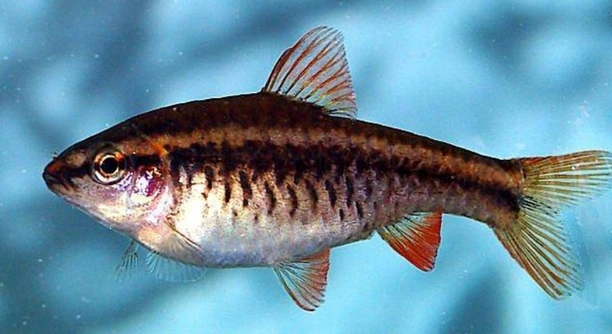
Cherry barbs and loaches are both popular choices for aquarium enthusiasts. When considering tank mates, it’s important to think about their compatibility in terms of behavior, water conditions, and space. Their peaceful nature makes them potentially suitable for cohabitation.
Cherry barbs and loaches can coexist peacefully under the right conditions. Both species thrive in a similar environment with stable water parameters and plenty of hiding spots. However, it is crucial to monitor their interactions, as some loach species may be more aggressive.
Maintaining a balanced tank environment is essential for both species. Proper research on their specific needs will help ensure a harmonious aquatic home.
Cherry Barbs: The Peaceful Tank Mates
Cherry barbs are known for their peaceful and social nature, making them great additions to community tanks. They are small, colorful fish that do well in schools of at least five or six. These fish prefer calm waters and are relatively easy to care for, which makes them a popular choice for aquarium setups. When housing them with other species, it’s essential to ensure that tank mates are equally peaceful to avoid any stress or aggression. They are also adaptable to different water conditions, which adds to their appeal.
Their small size and mild temperament make them ideal for tanks with other non-aggressive species. Cherry barbs enjoy plants and hiding spaces within the tank, and they do well with species that don’t outcompete them for food. While they are generally peaceful, they may display some territorial behavior during breeding seasons. Understanding these dynamics will help in managing any potential issues that arise.
Providing a well-maintained environment for cherry barbs, with plenty of hiding spaces and stable water conditions, is crucial. They thrive in tanks with soft to slightly hard water and moderate temperatures. Regular water changes and proper filtration are essential to keeping them healthy. Adding live plants will also improve their overall wellbeing.
Loaches: Active and Curious Tank Mates
Loaches are active fish that often enjoy exploring their environment. Many species of loaches are bottom-dwellers, making them excellent for scavenging leftover food. Their playful nature brings movement to any tank. However, some species can be a bit more active than others.
Loaches tend to be peaceful, but certain species can be more assertive. They may not always get along well with timid fish. Their need for space and hiding spots is essential, as they can become stressed if their environment feels too crowded. Loaches are best kept with species that are similarly active.
Loaches are also known for their unique behavior, such as “playing” with tank decorations or other fish. They thrive in a tank with plants, rocks, and hiding places. Some loach species, like the clown loach, can grow fairly large, so it’s essential to provide enough space to accommodate their needs. Keeping them with species like cherry barbs, which enjoy similar environments, can be a great choice, as long as there’s plenty of space and hiding areas for everyone.
Tank Size and Space Considerations
Both cherry barbs and loaches need adequate space to thrive. The right tank size ensures that both species have enough room to move freely and maintain peaceful interactions. Overcrowding can lead to stress and aggression.
Cherry barbs do well in tanks that are at least 20 gallons, but larger tanks are always better. With loaches, the tank size requirement can vary depending on the species. Larger species, such as the clown loach, need a bigger space, ideally around 50 gallons or more. Providing plenty of room will help avoid territorial disputes. Additionally, maintaining a spacious tank encourages natural behaviors and ensures that fish remain active and healthy.
When choosing a tank, keep in mind the need for swimming space and hiding spots. Both species enjoy plants and decorations for shelter. A tank with a combination of open swimming areas and dense plant growth offers a balanced environment for both cherry barbs and loaches. Ensure the setup accommodates the fish’s needs to reduce stress and create a more harmonious living space.
Water Conditions and Compatibility
Cherry barbs and loaches have similar water preferences, making them suitable for sharing a tank. Both species thrive in water temperatures ranging from 75°F to 80°F, with a pH level between 6.5 and 7.5.
While they share similar water requirements, monitoring the water quality is crucial. Regular water changes and proper filtration ensure that both species stay healthy. Loaches tend to be more sensitive to poor water conditions than cherry barbs, so keeping the water clean is essential for their wellbeing. Adding plants and using a gentle filter can also help maintain water clarity.
In terms of water hardness, both species tolerate soft to moderately hard water. Be cautious about drastic fluctuations in water parameters, as these can lead to stress. Stable water conditions create a better environment for cherry barbs and loaches to thrive, encouraging healthy growth and peaceful cohabitation.
Feeding and Diet
Both cherry barbs and loaches are omnivores, meaning they eat a variety of foods. A balanced diet is key to maintaining their health and color. Both species benefit from high-quality flakes, pellets, and occasional live or frozen foods.
While both species eat similar foods, there are some differences in feeding habits. Cherry barbs are more likely to eat foods that float on the surface, while loaches are bottom feeders. To ensure both get their fair share, feed them at different levels in the tank. Offering a variety of foods will keep both species active and healthy.
Proper nutrition supports the immune system and vibrant colors of both species. Providing sinking pellets for loaches and surface food for cherry barbs ensures that both species are satisfied. Supplementing with live or frozen foods, like bloodworms or brine shrimp, will encourage natural feeding behaviors and help keep them healthy.
Temperament and Behavior
Cherry barbs are peaceful and tend to get along with other species. However, they can become more territorial when breeding, so offering hiding spaces is important to avoid stress.
Loaches are curious and active, often scavenging the bottom of the tank. While they are typically peaceful, some species may display more aggression if they feel crowded. Providing plenty of hiding spaces and enough room for both species will ensure smooth coexistence.
FAQ
Can cherry barbs live with other species besides loaches?
Yes, cherry barbs are peaceful and social fish that can live with many other species. They tend to get along with other peaceful community fish, such as tetras, gouramis, and rasboras. However, avoid pairing them with aggressive or overly territorial species, as they may become stressed or injured.
Are loaches aggressive towards cherry barbs?
Loaches are generally not aggressive, but some species can show territorial behavior, especially if space is limited. Most loaches, like the clown loach, tend to get along well with peaceful tank mates, including cherry barbs. It’s important to monitor interactions, especially during feeding or when there is limited space.
What is the best tank size for cherry barbs and loaches?
A tank size of at least 20 gallons is recommended for cherry barbs, as they prefer to be in groups of at least five. For loaches, the size of the tank depends on the species. A 50-gallon tank is ideal for larger species like clown loaches. Adequate space helps prevent stress and aggression.
How often should I feed cherry barbs and loaches?
Both cherry barbs and loaches should be fed once or twice a day. It’s important to avoid overfeeding, as excess food can lead to poor water quality. Offering a variety of foods, such as high-quality flakes, pellets, and occasional live or frozen foods, ensures a balanced diet.
Do cherry barbs and loaches need the same water conditions?
Yes, both species prefer slightly acidic to neutral water with a temperature range of 75°F to 80°F. Cherry barbs and loaches can thrive in similar water conditions, which makes them good tank mates. Regular water changes and proper filtration are essential to maintaining a healthy environment.
Can cherry barbs and loaches tolerate hard water?
Both cherry barbs and loaches can tolerate slightly hard water, but they prefer soft to moderately hard water. Keeping the water soft to medium hardness helps ensure their long-term health. Monitoring water parameters and performing regular water changes will help maintain the ideal environment for both species.
What type of substrate is best for cherry barbs and loaches?
For cherry barbs, a fine-gravel or soft-sand substrate is ideal, as it mimics their natural environment and is gentle on their fins. Loaches, especially bottom-dwelling species, prefer soft sand or smooth gravel to prevent injury. A mix of plants and decorations will also provide hiding spaces for both species.
How can I reduce stress for cherry barbs and loaches in the tank?
To minimize stress, ensure both species have enough space to swim freely. Add plenty of plants, rocks, and decorations to provide hiding spots and create a natural environment. Maintaining stable water parameters and avoiding sudden changes in temperature or pH will help keep the fish comfortable.
Are loaches good at cleaning tanks?
Loaches are natural scavengers and help clean the substrate by eating leftover food and debris. However, they should not be relied upon as the primary method of tank cleaning. Regular maintenance, such as water changes and substrate cleaning, is necessary to keep the tank environment healthy.
Can cherry barbs breed in a community tank with loaches?
Cherry barbs can breed in a community tank, but their eggs may be eaten by other fish, including loaches. If you want to breed cherry barbs, it’s best to set up a separate breeding tank with gentle filtration and soft water. However, it’s possible to raise fry in a community tank if enough hiding spaces are provided.
How do I tell if my loach is stressed?
Signs of stress in loaches include unusual swimming patterns, loss of appetite, or hiding for extended periods. If the loach is rubbing against objects or displaying rapid gill movement, it may be a sign of water quality issues or discomfort. Regular water testing and tank maintenance are essential to preventing stress.
Can cherry barbs and loaches live with shrimp or snails?
Both cherry barbs and loaches can coexist with shrimp and snails. Cherry barbs may occasionally nibble on smaller shrimp, but they generally won’t cause harm to adults. Loaches may eat smaller snails, but larger species like mystery snails can coexist with them. Ensure there are plenty of hiding spots for shrimp and snails.
How do I ensure my cherry barbs and loaches are healthy?
To keep both cherry barbs and loaches healthy, provide them with a balanced diet, maintain stable water conditions, and ensure they have enough space to swim and hide. Regular water changes, proper filtration, and monitoring for signs of illness will help keep the tank environment in optimal condition.
What should I do if my loaches are being too aggressive?
If loaches are showing signs of aggression, consider adding more hiding spots or rearranging the tank to break up territories. You can also try adding more loaches of the same species, as they are often less aggressive in groups. If aggression persists, separating aggressive individuals may be necessary.
Can cherry barbs and loaches live in a tank with high flow filters?
Both cherry barbs and loaches prefer calm waters, so high flow filters may not be suitable. Strong water currents can cause stress, especially for cherry barbs, which are small and more sensitive to fast-moving water. Opt for gentle filtration or use a filter with adjustable flow.
Do cherry barbs need a heater?
Cherry barbs thrive in temperatures between 75°F and 80°F, so a heater is necessary if the room temperature fluctuates. Maintaining a consistent temperature will help them feel secure and healthy. Be sure to use a reliable aquarium heater with a thermostat to avoid sudden temperature changes.
What size group should I keep cherry barbs in?
Cherry barbs should be kept in groups of at least five or six. They are social fish and feel more comfortable when they are in a group. A larger school will reduce stress and encourage natural schooling behavior. Keeping them in groups helps prevent them from becoming territorial.
Final Thoughts
Cherry barbs and loaches can coexist in the same tank if their needs are met. Both species are peaceful, but they do have different behaviors that require some attention. Cherry barbs are active swimmers that enjoy being in groups, while loaches are bottom dwellers that spend a lot of time scavenging for food. To keep them both healthy and happy, it’s important to provide enough space, hiding spots, and a suitable environment for each species. Keeping the water clean and maintaining stable conditions will help avoid stress and ensure a good living situation for both.
When setting up a tank for cherry barbs and loaches, consider the size and setup carefully. A tank of at least 20 gallons is recommended for cherry barbs, while loaches may need a larger tank depending on the species. Providing areas of the tank with different types of substrate, such as sand for the loaches and gravel or plants for the cherry barbs, will help create a more natural habitat for each species. A good filtration system is also crucial to maintain water quality, as both species are sensitive to poor water conditions. Make sure to monitor their behavior and make adjustments to the tank if needed to keep both species comfortable.
In conclusion, cherry barbs and loaches can make great tank mates if their requirements are met. A peaceful tank setup with enough space and the right conditions will allow both species to thrive. While there are some differences in their feeding habits, activity levels, and behavior, these differences can be managed with proper care. Ensuring they are fed appropriately, have space to swim and explore, and have access to hiding spots will keep both cherry barbs and loaches happy in a shared tank.

Hello,
If you enjoy the content that we create, please consider saying a "Thank You!" by leaving a tip.
Every little bit helps us continue crafting quality advice that supports the health, happiness, and well-being of pets around the world, for pets of all shapes, sizes, and species.
We really appreciate the kindness and support that you show us!