
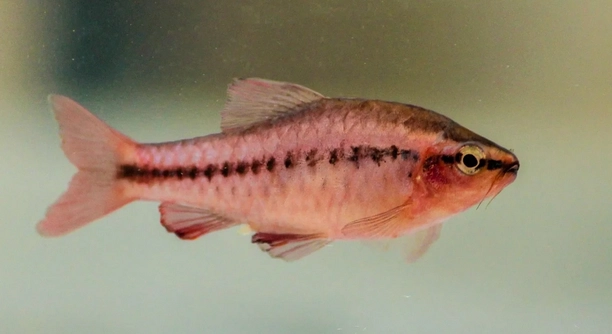
Cherry Barbs are active and social fish, and understanding their feeding needs is essential for their health. Their diet plays a crucial role in maintaining their vibrant color and overall well-being. Proper feeding practices are important.
Cherry Barbs should be fed once or twice a day, depending on their size and activity levels. Overfeeding can lead to water quality issues, while underfeeding can affect their growth and health. Consistency is key to maintaining balance.
Providing them with the right amount of food ensures their happiness and longevity. Proper feeding helps maintain their active behavior and overall well-being.
Feeding Cherry Barbs: How Often Should You Do It?
Cherry Barbs, like most fish, thrive on a balanced diet. Feeding them once or twice a day is sufficient to meet their nutritional needs. Offering small portions ensures they can consume everything without leaving excess food in the tank, which could degrade water quality. Overfeeding can lead to unhealthy water conditions and stress for the fish. The best approach is to monitor how much they eat and adjust portions as needed.
While they are not picky eaters, Cherry Barbs benefit from a varied diet. Offering both dry food and occasional live or frozen foods can provide essential nutrients and prevent boredom. Too much of one type of food may lead to imbalanced nutrition, so variety is important.
Feeding time is a great opportunity to observe their behavior and monitor their health. If you notice any changes in their eating habits, such as a lack of interest or unusual eating patterns, it could signal a health issue. Make sure to remove uneaten food within a few minutes to keep the tank clean.
How Feeding Affects Their Health
The health of your Cherry Barbs is closely tied to how well they are fed. Offering proper food and maintaining a consistent feeding schedule helps support their immune system. A stable diet leads to improved coloration and more active fish.
A lack of essential nutrients can weaken their immune system and make them more vulnerable to diseases. Fish with poor diets are also more likely to suffer from stress, which can cause other issues like fin rot or loss of appetite. Keeping their feeding habits balanced is essential for long-term health.
Overfeeding Cherry Barbs: A Common Mistake
Overfeeding can lead to serious water quality problems. When food isn’t eaten, it decomposes, raising ammonia levels and causing harmful spikes. This stress can weaken the fish’s immune system, making them susceptible to disease. It’s better to feed them small portions and remove any uneaten food after a few minutes.
Overfeeding doesn’t just affect water quality; it can also harm your Cherry Barbs’ health. Excessive food leads to obesity, which can cause swimming difficulties and impact their life expectancy. Additionally, it creates an unhealthy tank environment that leads to algae growth. For the best results, always keep portions small.
Monitoring their feeding habits and removing any uneaten food will help maintain a clean tank. Pay attention to how quickly they eat and adjust portions accordingly. Keeping their feeding consistent but controlled will promote a healthier tank and happier fish.
Feeding Cherry Barbs Different Types of Food
Offering a variety of food ensures your Cherry Barbs get the nutrients they need. A mix of flake food, pellets, and occasional frozen or live food like brine shrimp or daphnia can improve their overall health. It’s important to avoid offering too much of any one food.
Flake food is convenient and easy to use, but it’s best supplemented with other food sources. Live or frozen food offers more protein, which helps your Cherry Barbs maintain vibrant color and active behavior. Be sure to rotate the types of food to avoid nutritional imbalances. Feeding a variety supports a more rounded diet.
Providing a balance between dry food and occasional live food mimics their natural diet, which can prevent boredom and keep them engaged. Be mindful of their feeding schedule and avoid giving them the same food every day. A healthy diet contributes to the overall well-being of your fish.
The Impact of Water Quality on Feeding
Water quality directly affects how much and how often you should feed your Cherry Barbs. Poor water conditions can cause stress, affecting their appetite and digestion. Keeping the tank clean is essential to ensuring they can properly absorb nutrients from the food you provide.
High ammonia or nitrate levels can lead to loss of appetite, which in turn may cause the fish to eat less. Inconsistent water parameters can also make it harder for them to digest food properly. Regular water changes, good filtration, and maintaining stable temperatures help create an optimal feeding environment for your Cherry Barbs.
A stable, clean tank will ensure that your Cherry Barbs stay healthy and active. If you notice any change in their feeding habits, check the water quality as a possible cause. Maintaining clean water encourages healthy eating habits and prevents health issues.
Feeding Schedule: Consistency is Key
Establishing a consistent feeding schedule helps regulate your Cherry Barbs’ eating habits. Feeding them at the same times each day allows you to monitor their appetite and adjust the amount based on their needs. Regular feeding times help reduce stress.
A consistent schedule also aids in preventing overfeeding. Without a set routine, it’s easy to lose track of how much food is being offered. Stick to a feeding time that works best for you and your fish. This will help you maintain control over portion sizes.
Monitoring Their Behavior
Watching your Cherry Barbs eat gives you insight into their overall health. If they eat eagerly, it’s a good sign they are healthy. However, if they show disinterest or seem sluggish, it may indicate an issue with their feeding or environment.
Keeping an eye on their behavior also allows you to adjust feeding portions as needed. If they eat too quickly, try breaking the food into smaller portions. If they seem uninterested, reduce the amount offered. Monitoring their eating patterns will ensure they remain healthy.
FAQ
How much should I feed my Cherry Barbs?
It’s best to feed Cherry Barbs small portions once or twice a day. Only offer as much food as they can consume in a few minutes. If any food is left after a few minutes, remove it from the tank to maintain water quality. Overfeeding can cause health problems and poor water conditions.
What is the best food for Cherry Barbs?
Cherry Barbs thrive on a mix of flake food, pellets, and occasional live or frozen foods like brine shrimp or daphnia. Flake food provides essential nutrients, while live foods offer extra protein that supports their natural behavior and vibrant color. A balanced diet ensures they stay healthy and active.
Can I feed my Cherry Barbs only flake food?
Feeding your Cherry Barbs only flake food is not ideal. While it provides basic nutrition, a varied diet that includes pellets and live or frozen food is crucial for their overall health. This variety helps to prevent nutritional imbalances and keeps them engaged and active.
How often should I feed my Cherry Barbs?
Feeding your Cherry Barbs once or twice a day is sufficient. Avoid overfeeding, as it can harm their health and the water quality in the tank. Smaller, more frequent meals are better than one large feeding session. Be mindful of their appetite and adjust accordingly.
Can I overfeed my Cherry Barbs?
Yes, overfeeding can lead to several issues, including poor water quality and obesity. When food is left uneaten, it decomposes and raises ammonia levels, stressing the fish. Overfeeding can also cause your Cherry Barbs to become sluggish or lose their appetite. Stick to smaller portions to prevent these problems.
Do Cherry Barbs need live food?
While not absolutely necessary, live food can be beneficial for Cherry Barbs. It provides extra protein, which helps with their growth, color, and overall health. Live or frozen food like brine shrimp or daphnia can be given as an occasional treat or supplement to their regular diet.
How do I know if my Cherry Barbs are hungry?
Hungry Cherry Barbs will actively swim to the surface or the feeding area when food is introduced. They are social and may show excitement at feeding time. If they appear uninterested or don’t eat, it might indicate stress or a water quality issue. Pay attention to their behavior for signs of hunger or discomfort.
Can Cherry Barbs eat vegetables?
Yes, Cherry Barbs can eat vegetables, but it should be in moderation. Blanched vegetables like spinach, zucchini, or peas can be a healthy addition to their diet. However, it should not be their primary food source. They need protein-rich food to maintain their health and vibrant color.
How can I improve my Cherry Barbs’ coloration?
To improve their coloration, provide a balanced diet that includes high-quality flake food, live foods, and occasional treats like bloodworms. The variety helps them get the necessary nutrients for vibrant colors. Proper care, clean water, and a stress-free environment also contribute to healthy, bright fish.
Should I feed my Cherry Barbs different foods every day?
Feeding your Cherry Barbs a variety of foods is beneficial. Rotating between flake food, pellets, and occasional live or frozen food prevents boredom and ensures they get all the nutrients they need. Consistency is important, but variety helps maintain their health and keeps them engaged.
How do I feed my Cherry Barbs if I am on vacation?
If you are going away, consider using an automatic fish feeder or ask a trusted friend to feed them. Ensure that the feeder is set to dispense the correct portion. Avoid leaving large amounts of food in the tank to prevent overfeeding and water quality issues.
Can I feed my Cherry Barbs too much live food?
While live food is great for Cherry Barbs, it’s important to feed it in moderation. Live food is rich in protein and can cause overfeeding if given in excess. It’s best to offer live food as a supplement to their regular diet, rather than their main source of nutrition.
What happens if my Cherry Barbs don’t eat?
If your Cherry Barbs stop eating, it could be a sign of stress, illness, or poor water quality. Check the tank parameters for ammonia, nitrite, and nitrate levels, and ensure the temperature is within the appropriate range. If the problem persists, consider consulting an aquarium professional for advice.
Can I feed my Cherry Barbs during water changes?
It’s best to feed your Cherry Barbs before or after water changes. Feeding them during a water change can be disruptive and cause stress. Wait until the tank is stabilized and the water has been replaced to ensure that they are comfortable and their environment is clean.
Do Cherry Barbs need special food for breeding?
During breeding, Cherry Barbs may benefit from a higher protein diet to support their energy needs. Foods like live brine shrimp, daphnia, and specially formulated breeding foods can enhance their chances of successful reproduction. However, their regular diet will still provide the necessary nutrients for overall health.
Final Thoughts
Feeding your Cherry Barbs the right amount and type of food is essential for their overall health and well-being. By offering a balanced diet, you ensure they get the nutrients they need to stay active and vibrant. Regularly monitor their feeding habits and adjust portions as necessary, depending on their appetite and the water conditions in the tank. Overfeeding or underfeeding can lead to health problems, so it’s important to find the right balance.
Water quality plays a significant role in how well your Cherry Barbs feed and digest their food. Poor water conditions can lead to stress and loss of appetite, making it harder for them to absorb the nutrients in their food. Keeping the tank clean, performing regular water changes, and maintaining stable temperatures will help your fish thrive. If you notice any changes in your Cherry Barbs’ eating habits, it’s worth checking the water quality to identify any potential issues.
Lastly, be mindful of the variety in their diet. While flake food can provide basic nutrition, supplementing their meals with live or frozen food will help keep them engaged and improve their overall health. Feeding them once or twice a day with small portions is the best approach. As long as you pay attention to their behavior, monitor their health, and keep their environment clean, your Cherry Barbs will remain happy and healthy for a long time.

Hello,
If you enjoy the content that we create, please consider saying a "Thank You!" by leaving a tip.
Every little bit helps us continue crafting quality advice that supports the health, happiness, and well-being of pets around the world, for pets of all shapes, sizes, and species.
We really appreciate the kindness and support that you show us!