
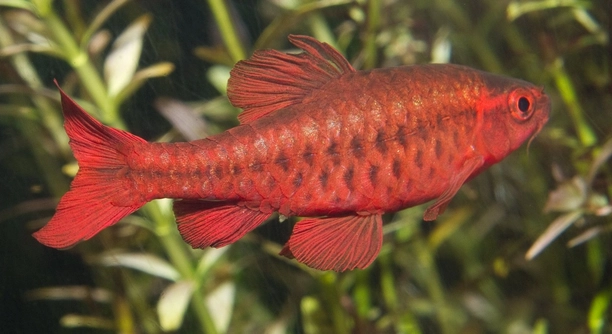
When it comes to creating the perfect aquarium setup, you may be considering mixing barbs and shrimp. These two species can have unique interactions, and it’s important to know a few things before you introduce them to each other.
Barbs are known to be active and sometimes aggressive swimmers, which can pose challenges when mixing them with shrimp. Shrimp are more delicate and can become stressed or even harmed if the barbs are too playful or territorial. Proper planning and understanding of both species’ behavior are essential for a successful mix.
Understanding their specific needs and behaviors is key to creating a peaceful tank environment. This article will provide you with essential insights to ensure both your barbs and shrimp thrive together.
Understanding the Behavior of Barbs
Barbs are known for their lively, energetic swimming patterns. They’re social fish that thrive in groups, often darting around the tank. However, their active nature can cause stress to more sensitive tank mates, like shrimp. Their constant movement and sometimes nippy behavior can pose a risk to smaller creatures. This makes it important to keep a close eye on their interactions.
Barbs can be aggressive, especially towards slower or smaller species. They tend to chase other fish and might nip at shrimp’s antennas or legs. This can lead to harm or stress, which isn’t ideal for either species.
Setting up your tank carefully and creating hiding spots for shrimp can reduce stress. Providing enough space and visual barriers will allow shrimp to feel safer. Barbs do well with plenty of swimming room, but shrimp will benefit from areas where they can retreat and avoid constant attention from the barbs.
The Role of Shrimp in a Mixed Tank
Shrimp are more fragile and less equipped to handle the fast-paced environment of a barb tank. They spend most of their time at the bottom, scavenging for food and hiding in plants or rocks.
Shrimp have a delicate nature and are often targeted by more active species. While barbs may not intentionally hunt shrimp, their active swimming and curiosity can make shrimp feel unsafe, leading to stress. Shrimp prefer calm environments, where they have enough hiding spaces to stay out of the way.
To ensure both species co-exist peacefully, creating a well-planted tank with lots of hiding places will help. Shrimp are less likely to feel threatened if they can retreat and maintain their space. It’s important to note that some shrimp species are more tolerant of fish activity, but extra precautions should still be taken. When barbs and shrimp live in harmony, it’s crucial to monitor their behavior closely and adjust their environment as needed.
Tank Size and Setup
A larger tank is always a better option when mixing barbs and shrimp. More space means less chance of territorial disputes and provides both species enough room to thrive. Ideally, a tank of at least 30 gallons is recommended.
Barbs are active swimmers and need space to move freely, while shrimp require hiding spots to stay safe from the more energetic fish. Aquascaping with rocks, plants, and driftwood will give shrimp a place to retreat, while barbs can enjoy open areas to swim. The more space you can provide, the better for maintaining harmony between the two species. Make sure to keep the water clean and well-filtered, as both barbs and shrimp need stable water conditions to stay healthy.
The key to a successful setup is balancing the needs of both species. Barbs need ample space to roam, while shrimp need safe spots where they can hide from the active movement of barbs. A well-planted tank with plenty of space ensures that both barbs and shrimp can coexist without feeling overcrowded or threatened. Using both vertical and horizontal elements in the tank design can create a more natural environment for each species to explore and thrive.
Feeding Habits and Diet
Barbs are omnivores, meaning they will eat both plant and animal matter. Their active nature makes them fast eaters, so feeding them requires attention.
Shrimp, on the other hand, are scavengers. They will sift through the substrate looking for leftover food or algae. However, because barbs eat quickly, shrimp may not always get their share of food. This can cause stress or even malnutrition for shrimp if they’re not given enough opportunity to feed. A good solution is to use sinking pellets for shrimp, which will ensure they can eat without competition. Additionally, offering a variety of food sources, such as algae wafers, vegetables, and high-quality fish food, will help both species meet their nutritional needs.
Make sure to provide food for both species in areas they can access easily. Barbs may dominate the surface or middle areas, while shrimp will appreciate food in lower spots. By creating feeding zones, both species can enjoy their meals without competition. This is especially important when feeding shrimp, as they need to eat small amounts throughout the day to maintain their health. The more thought you put into their feeding routine, the better they will fare in a mixed tank.
Water Temperature and Quality
Both barbs and shrimp require clean water to thrive, but their temperature preferences slightly differ. Barbs do well in water between 72°F and 79°F, while shrimp prefer slightly cooler water, typically around 68°F to 75°F.
Maintaining a stable water temperature is crucial for both species. Fluctuating temperatures can stress shrimp, making them more susceptible to disease. It’s important to use a reliable heater and thermometer to keep the water within a safe range. Regular water changes and a good filtration system will help keep the environment healthy for both barbs and shrimp. Water quality, especially ammonia and nitrate levels, should always be closely monitored to prevent harm.
Keeping the water clean and stable will help your fish and shrimp thrive. Regular testing of water parameters like pH, ammonia, and nitrate levels will prevent issues before they arise. A good filtration system ensures that water stays clean, and partial water changes can help maintain a balanced ecosystem.
Fish Compatibility
While barbs can generally live with peaceful species, their active behavior might make them less ideal tankmates for certain fish. The more aggressive the barb, the more careful you need to be in selecting tankmates.
Some types of barbs, such as tiger barbs, are known to nip at fins of slower, more docile species. If you plan to include shrimp, ensure that they are hardy enough to withstand the fast movements of barbs. Opting for shrimp species like Amano shrimp or cherry shrimp, which are more resilient, can help improve compatibility.
A little research goes a long way in ensuring the safety and comfort of both barbs and shrimp in your tank.
Monitoring Tank Behavior
After introducing barbs and shrimp to the tank, it’s important to observe their behavior closely. Barbs may initially show interest in the shrimp, which can lead to chasing or nipping. If the shrimp seem stressed or hurt, adjustments need to be made.
Providing more hiding spaces or separating the species into different sections of the tank can help. Additionally, ensuring that barbs are well-fed can reduce their aggression. If the behavior continues, consider rehoming the shrimp or adding more plants to provide a more secure environment.
FAQ
Will barbs eat my shrimp?
Barbs are not typically predatory, but their active nature can lead to issues with shrimp. Some barbs may nip at shrimp’s legs or antennas, which can cause stress or even harm. While they may not intentionally hunt the shrimp, their playful behavior can make shrimp feel threatened. Providing plenty of hiding places for shrimp and creating a larger tank space can help reduce this risk. Additionally, choosing hardier shrimp species, like Amano shrimp, can increase the chances of a peaceful cohabitation.
How do I prevent barbs from chasing my shrimp?
To reduce chasing, ensure that the barbs have enough space to swim freely and are not stressed. Overcrowding can lead to increased aggression. Providing plenty of hiding spots in the form of plants, rocks, and decorations for the shrimp to retreat to is important. These hiding spots help the shrimp feel safe and avoid the attention of the barbs. Regular feeding will also prevent barbs from getting overly excited about food and may reduce their tendency to chase.
Are there certain types of barbs that are better with shrimp?
Yes, some types of barbs are less aggressive and better suited for tankmates like shrimp. Species like the cherry barb or the rosy barb tend to be less nippy compared to tiger barbs, which are known for their fin-nipping behavior. The calmer types of barbs are more likely to coexist peacefully with shrimp. However, even with less aggressive barbs, it’s always a good idea to monitor interactions to ensure the shrimp are not stressed.
Can I mix barbs with other species of shrimp?
Yes, you can mix barbs with other species of shrimp, but it’s important to choose hardy shrimp that can tolerate the more active nature of barbs. Amano shrimp, cherry shrimp, and ghost shrimp are some of the best choices because they can adapt well to active environments. Avoid very small or delicate shrimp species, as they may become easy targets for barbs. Regardless of the shrimp species, always provide plenty of hiding spots to keep them safe.
How can I tell if my shrimp are stressed by the barbs?
Shrimp stress can be caused by physical harm, but also by the constant presence of barbs. Signs of stress in shrimp include hiding more frequently, a loss of color, sluggish movement, or even a refusal to eat. If you notice these behaviors, consider adjusting the tank setup by adding more plants or creating separate areas where the shrimp can retreat. If stress continues, you may need to reconsider the tankmates or separate the barbs and shrimp.
What is the best way to feed barbs and shrimp together?
To ensure both barbs and shrimp get enough food, try offering food at different levels in the tank. Barbs tend to feed at the surface or mid-water, while shrimp prefer scavenging on the bottom. Sinking pellets or wafers can be great for shrimp, ensuring they get their share without competition. It’s important to feed both species multiple times a day, especially shrimp, as they tend to nibble on small amounts throughout the day. Avoid overfeeding, as this can lead to water quality issues.
How often should I change the water in a tank with barbs and shrimp?
Water changes are crucial in maintaining a healthy tank for both barbs and shrimp. For a tank with these species, change 20-30% of the water every week. Regular water changes help keep ammonia, nitrate, and nitrite levels in check, which is vital for shrimp health. Barbs are more resilient to water quality changes, but shrimp are more sensitive. Consistent water changes also help maintain stable water parameters, which reduce stress for both species.
Can I use a filter in a tank with barbs and shrimp?
Yes, a good filtration system is essential for any aquarium, including tanks with both barbs and shrimp. A filter helps maintain water quality by removing excess waste and keeping the water oxygenated. However, be careful with the filter’s current strength. Strong currents can stress shrimp, so it’s important to use a filter that creates gentle water movement. Consider using sponge filters or adjustable flow filters to ensure that the shrimp aren’t overwhelmed by the water flow.
What temperature should the water be for barbs and shrimp?
Barbs generally thrive in warmer temperatures, between 72°F and 79°F, while most shrimp species prefer slightly cooler water, usually between 68°F and 75°F. To keep both species comfortable, aim for a stable temperature around 74°F to 75°F. Use a reliable heater and thermometer to ensure the water remains consistent. Sudden temperature fluctuations can stress both the barbs and the shrimp, so a controlled, stable environment is crucial.
What are the signs that my tank is not suitable for barbs and shrimp?
If your barbs and shrimp are constantly fighting, hiding, or showing signs of stress, it’s a sign that the tank setup may not be suitable. Barbs that chase shrimp frequently, shrimp that hide constantly or lose their color, and water parameters that are unstable are all indicators of a problem. If these signs persist, you may need to reconsider the tank size, filtration system, or even tankmates. A peaceful aquarium requires constant monitoring, especially when mixing species with different temperaments.
Final Thoughts
Mixing barbs and shrimp in the same aquarium can be a rewarding experience, but it does require some careful consideration. Barbs are active fish that love to swim, and their behavior can sometimes be overwhelming for shrimp. Shrimp are more delicate and prefer calm environments, which can make them vulnerable to the fast-moving barbs. However, with the right precautions, it’s possible to create a peaceful tank where both species can thrive. The key is understanding their needs and making adjustments to the tank environment to accommodate both barbs and shrimp.
One of the most important factors to consider is tank size. Barbs, being active swimmers, require plenty of space to move around. Shrimp, on the other hand, need areas where they can hide and feel safe. By providing ample space and creating hiding spots with plants, rocks, or driftwood, you can ensure that both species have their own space. It’s also essential to monitor their behavior closely. Barbs may not intentionally harm the shrimp, but their curious nature and fast swimming can make shrimp feel stressed. If you notice any signs of stress in the shrimp, it may be necessary to make changes to the setup.
Feeding and water quality are also critical for a successful mixed tank. Barbs and shrimp have different feeding habits, so it’s important to provide food at different levels in the tank. Sinking pellets or wafers are great for shrimp, while barbs can eat floating food or mid-level food. Regular water changes and a good filtration system will help keep the water clean and stable. Stable water conditions are important for both species, but shrimp are more sensitive to poor water quality. With the right setup and careful monitoring, barbs and shrimp can coexist peacefully in a shared aquarium.

Hello,
If you enjoy the content that we create, please consider saying a "Thank You!" by leaving a tip.
Every little bit helps us continue crafting quality advice that supports the health, happiness, and well-being of pets around the world, for pets of all shapes, sizes, and species.
We really appreciate the kindness and support that you show us!