
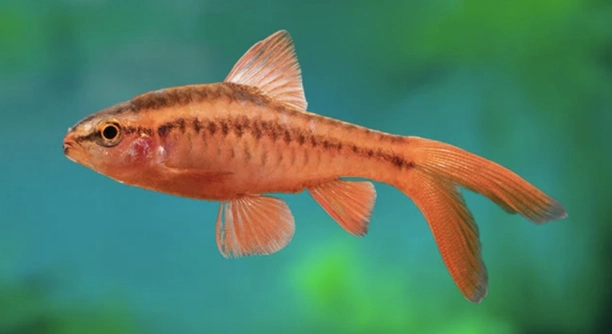
Cherry Barbs are colorful and lively fish, often admired for their bright, vibrant hues. Their coloration can vary depending on several water conditions. Understanding how to adjust the environment for the best results can enhance their beauty.
The color of Cherry Barbs can be influenced by factors such as water temperature, pH levels, hardness, and lighting. Maintaining optimal conditions for these elements can result in the fish displaying more intense and vibrant colors, especially in males.
By carefully adjusting their habitat, you can enhance the natural colors of your Cherry Barbs. Proper care and environment setup are key to keeping them looking their best.
Water Temperature and Its Effect on Cherry Barb Color
Water temperature is one of the most important factors in bringing out the vivid colors of Cherry Barbs. When kept at a consistent, warm temperature between 74-80°F (23-27°C), Cherry Barbs tend to show their most vibrant hues. If the water temperature fluctuates too much, it can stress the fish, leading to dull colors or even health issues. By maintaining stable conditions, the fish are more likely to exhibit the rich reds and oranges that they are known for, especially in males during breeding seasons.
Warmer water conditions help promote the metabolism of Cherry Barbs, which can intensify their color. A temperature that’s too low will result in sluggish behavior, and they may appear less colorful.
Keeping a reliable aquarium heater can be helpful in maintaining the correct temperature. Pay attention to the fish’s overall behavior and health, as this will often indicate if the water is too hot or cold. With proper temperature management, you can encourage your Cherry Barbs to show their best side.
Water pH and Its Role in Color Vibrancy
The pH level in your tank can also impact how bright or dull your Cherry Barbs look.
Cherry Barbs thrive in slightly acidic to neutral water, with a pH range of 6.0 to 7.5. A pH level that is too high or too low can result in stress and prevent them from showing their full color potential. Keeping the pH in this range helps maintain a stable environment for the fish, allowing them to stay healthy and vibrant.
Adjusting pH levels can be done using pH buffers or regular water changes, but it’s essential to test the water regularly to ensure it stays within the ideal range. Too much fluctuation in pH levels can confuse your fish and cause them to lose their color, even leading to health complications. Maintaining steady pH is a simple but effective way to keep your Cherry Barbs looking their best.
Water Hardness and Its Impact on Cherry Barbs
Water hardness plays a significant role in the overall health and coloration of Cherry Barbs. Soft water with a low mineral content can cause them to lose their vibrancy, while harder water can enhance their colors. Maintaining a water hardness level between 4-12 dGH (degrees of general hardness) is ideal for promoting the best coloration.
Water hardness directly affects the fish’s ability to absorb essential nutrients and minerals, which influences their physical appearance. Cherry Barbs in soft water may appear dull and lack the bright reds and oranges typically seen in males. On the other hand, hard water provides the necessary minerals to keep the fish healthy, making their colors more prominent.
Regular testing is important to ensure that your water hardness falls within the appropriate range. If your water is too soft, you can increase hardness by adding minerals such as calcium or magnesium. A stable hardness level will encourage your Cherry Barbs to show their best color.
Proper Lighting and Its Effect on Cherry Barb Coloration
The type of lighting you use in your aquarium can influence the way Cherry Barbs appear. Strong lighting can enhance their colors, but it needs to be balanced. Overly bright lights can stress the fish, causing them to lose their vibrancy, while dim lighting can make them appear dull.
LED lights with a color temperature between 6,500 to 10,000 Kelvin tend to bring out the most natural and vibrant colors in your Cherry Barbs. A proper light cycle of 8-10 hours a day is essential for their well-being, as too much light can lead to algae growth, which can, in turn, stress the fish. It’s also important to provide periods of darkness for the fish, mimicking their natural environment.
In addition to choosing the right light, be mindful of the tank’s placement. Direct sunlight can lead to overheating and increased algae growth. Adjusting your lighting and ensuring a stable light cycle will help your Cherry Barbs thrive and showcase their full color potential.
Tank Size and Its Effect on Cherry Barb Color
The size of your tank can have an indirect effect on how vibrant your Cherry Barbs appear. In smaller tanks, water quality can degrade quickly, leading to stress and dull colors. A larger tank allows for better water stability, promoting healthy fish.
Fish in a spacious tank generally have more room to swim and express natural behavior, which reduces stress. Stress-free Cherry Barbs are more likely to show their true colors, with males displaying brighter reds and oranges. A tank with good filtration and regular maintenance will support these conditions, helping your fish thrive.
The Role of Diet in Enhancing Cherry Barb Coloration
A well-balanced diet is essential for maintaining vibrant colors in Cherry Barbs. High-quality flakes or pellets, supplemented with live or frozen foods like brine shrimp, can enhance the health and color of the fish.
Proper nutrition provides the necessary vitamins and minerals that promote vibrant colors. Feeding your Cherry Barbs a variety of foods, rich in carotenoids like spirulina and krill, can help intensify their reds and oranges. Regular feeding, paired with a balanced diet, will allow your Cherry Barbs to show their most vibrant colors over time.
FAQ
How can I make my Cherry Barbs’ colors brighter?
To brighten your Cherry Barbs’ colors, you should focus on their environment and diet. Ensure the water temperature is between 74-80°F (23-27°C) and maintain a slightly acidic to neutral pH (6.0-7.5). The right water hardness (4-12 dGH) and quality lighting also play a big part in bringing out their colors. Supplementing their diet with foods rich in carotenoids, such as brine shrimp and spirulina, will also help intensify their color.
Do Cherry Barbs’ colors change over time?
Yes, Cherry Barbs can change color throughout their life. Males, in particular, can display more vibrant colors during breeding seasons, with their reds and oranges becoming more intense. However, their color can also fade if the environment isn’t ideal, such as when the water conditions fluctuate or the fish are stressed. With proper care, the colors will remain vibrant.
Can poor water quality affect the color of Cherry Barbs?
Absolutely. Poor water quality is one of the leading factors in dull or faded coloration in Cherry Barbs. If ammonia, nitrites, or nitrates are high, the fish will experience stress, leading to less vibrant colors. Regular water changes, proper filtration, and water testing can help maintain optimal conditions to keep the colors vivid.
Does tank size affect the coloration of Cherry Barbs?
Yes, tank size plays a role in the overall well-being of your Cherry Barbs. A cramped, small tank can cause stress, which may lead to dull colors. Providing a larger tank with adequate swimming space and good water quality will allow your Cherry Barbs to thrive, helping them display their best colors.
Can I use artificial lighting to enhance the colors of my Cherry Barbs?
Yes, proper lighting can help bring out the natural beauty of your Cherry Barbs. LED lights with a color temperature between 6,500 to 10,000 Kelvin tend to show off their vibrant colors best. Just ensure you follow a stable light cycle of 8-10 hours a day to avoid stressing the fish.
Are Cherry Barbs hardy enough to tolerate changes in water conditions?
Cherry Barbs are relatively hardy fish, but they still prefer stable water conditions. Sudden fluctuations in temperature, pH, or hardness can cause stress and dull their colors. Regular water changes and monitoring of parameters will ensure that your Cherry Barbs stay healthy and vibrant.
How often should I feed Cherry Barbs to improve their color?
Feed your Cherry Barbs 2-3 times a day with a balanced diet. A mix of high-quality flakes, pellets, and live or frozen foods like brine shrimp will help maintain their health and color. Overfeeding should be avoided, as it can lead to water quality problems.
Can I add live plants to the tank to help Cherry Barbs show better color?
Yes, live plants can improve the environment for Cherry Barbs and help them feel more comfortable, which in turn can enhance their coloration. Plants help maintain water quality by absorbing excess nutrients and providing hiding spots, which reduces stress and supports vibrant color development.
Is there any specific food I can give my Cherry Barbs to help with their coloration?
Yes, foods rich in carotenoids, such as spirulina, krill, and live or frozen brine shrimp, are great for enhancing the color of Cherry Barbs. These foods contain natural pigments that promote the red and orange tones in their bodies. Supplementing their regular diet with these foods will help achieve the brightest possible coloration.
How can I tell if my Cherry Barbs are stressed, and does stress affect their colors?
Stressed Cherry Barbs may exhibit signs such as hiding, reduced activity, or pale coloration. Stress from poor water quality, aggressive tankmates, or fluctuating water parameters can cause them to lose their vibrant colors. By maintaining stable water conditions and minimizing stress, you’ll help your Cherry Barbs stay colorful and healthy.
Final Thoughts
Cherry Barbs are beautiful fish that can display vibrant colors, but achieving their full potential requires attention to several factors. The most important aspects include maintaining stable water conditions such as temperature, pH, and hardness. These elements directly impact the health and appearance of the fish. Keeping the water temperature between 74-80°F (23-27°C), a slightly acidic to neutral pH (6.0-7.5), and the right water hardness (4-12 dGH) will encourage your Cherry Barbs to show their brightest colors. Inconsistent water conditions, on the other hand, can cause stress and lead to dull colors.
Lighting also plays a crucial role in bringing out the best in your Cherry Barbs. Proper lighting, such as LED lights with a color temperature between 6,500 to 10,000 Kelvin, will enhance their natural hues. It’s also important to ensure a proper light cycle, with around 8-10 hours of light each day, to keep your fish comfortable. Too much light can lead to algae problems, which can negatively affect both water quality and fish health. A balanced lighting setup paired with regular maintenance will help keep your Cherry Barbs vibrant.
Finally, diet is a key factor in maintaining the vibrant coloration of your Cherry Barbs. Providing a varied diet that includes high-quality flakes or pellets, along with live or frozen foods like brine shrimp, will supply the necessary nutrients to keep them healthy and colorful. Foods rich in carotenoids, such as spirulina, will help bring out the reds and oranges in their coloration. Regular feeding with a mix of these foods will allow your Cherry Barbs to show their best colors, giving you a beautiful and thriving aquarium.

Hello,
If you enjoy the content that we create, please consider saying a "Thank You!" by leaving a tip.
Every little bit helps us continue crafting quality advice that supports the health, happiness, and well-being of pets around the world, for pets of all shapes, sizes, and species.
We really appreciate the kindness and support that you show us!