
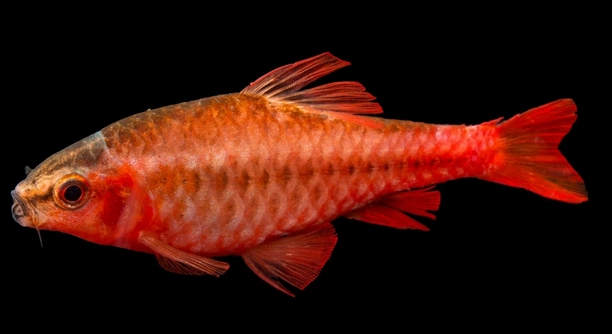
Cherry Barbs are popular aquarium fish, admired for their vibrant colors and active nature. Many aquarists wonder whether these fish can learn from other species in their environment, particularly from those with similar social behaviors or needs.
Research suggests that while Cherry Barbs may not possess the same advanced learning capabilities as some other fish species, they can observe and mimic certain behaviors. This ability to learn from their surroundings is often seen in response to environmental cues and interactions with tank mates.
Understanding how Cherry Barbs interact with other fish can provide insight into their learning processes and social behaviors. Keep reading to learn more about their unique interactions and what this means for your aquarium setup.
Can Cherry Barbs Learn from Other Fish Species?
Cherry Barbs are often found in community tanks due to their peaceful nature. They are social creatures that interact well with other species, but can they learn from them? In some cases, they may mimic the behavior of other fish. For example, if a different species in the tank is taught to associate a specific cue with food, the Cherry Barbs might pick up on this behavior. Their ability to learn through observation seems limited, but the environment and social interactions play a significant role in how they adapt.
Fish in general have been known to learn through observation. Studies show that fish like Cherry Barbs can recognize and replicate behaviors that are beneficial for survival. However, this learning is not always a high-level cognitive function. Cherry Barbs tend to focus on simpler tasks, like associating actions with rewards. The idea of complex learning is still being explored.
Cherry Barbs are not entirely dependent on other fish to survive or thrive. They may benefit from being kept with other species that encourage social learning. Their ability to learn from other fish could be enhanced by the presence of species with more advanced behaviors. This can make for an engaging tank setup. Knowing how different species influence each other can help you create a more dynamic environment that encourages positive behaviors in your Cherry Barbs.
What Factors Impact a Cherry Barb’s Ability to Learn?
While Cherry Barbs can sometimes mimic behavior, their learning process is influenced by several factors. These include tank conditions, the species they are housed with, and the frequency of interactions with their environment. They are more likely to learn from fish that exhibit clear, repeatable actions. A peaceful, stable tank setup can encourage such learning. Additionally, the age of the fish matters. Younger Cherry Barbs may be more receptive to learning behaviors, while older fish tend to stick to established routines.
To maximize learning opportunities, it’s helpful to introduce Cherry Barbs to a variety of tank mates that display consistent behaviors. For example, if you have a species that knows how to trigger feeding time through a specific motion, the Cherry Barbs might pick up on this habit. Furthermore, adding stimulating objects to their environment can provide extra learning cues. A well-rounded environment with plenty of interaction can help Cherry Barbs develop observational learning, even if their cognitive abilities are limited. By creating an interactive tank, you encourage Cherry Barbs to engage more with their surroundings, helping them adapt to different conditions.
How to Encourage Cherry Barbs to Learn
To encourage Cherry Barbs to learn from other fish, it’s important to provide a stable, enriching environment. Keeping them with species that display clear, repetitive behaviors can help them pick up on new actions. The more consistent the actions of their tank mates, the easier it will be for the Cherry Barbs to learn.
Fish learn best when they can observe behaviors that lead to rewards. Placing food at a consistent time or in a specific manner allows the Cherry Barbs to observe these routines. Over time, they may start associating particular behaviors with food or other tank activities. Interaction with other peaceful fish can encourage them to mimic behaviors like swimming patterns or feeding times. This kind of environmental enrichment helps Cherry Barbs develop habits based on their observations.
Tank setup also plays a role in how well Cherry Barbs learn. A well-organized tank with clear zones for hiding, feeding, and exploring gives them the chance to engage more with their surroundings. When Cherry Barbs feel safe and stimulated, they are more likely to take notice of their tank mates’ behaviors. Keeping the tank clean and providing consistent stimuli will make it easier for them to pick up on repetitive actions. By making the tank environment as interactive as possible, you set the stage for increased learning opportunities.
The Role of Tank Mates in Learning
Tank mates can have a significant influence on a Cherry Barb’s learning abilities. Peaceful, active species like Corydoras or Tetras can encourage Cherry Barbs to mimic behaviors. This can include swimming patterns, exploring new areas of the tank, or engaging in feeding rituals. By keeping them in a community tank, the Cherry Barbs benefit from observing these species and picking up new habits.
However, it’s important to keep in mind that not all fish will have the same learning impact on Cherry Barbs. Species with more complex behaviors, such as aggressive or territorial fish, may distract or stress them, which can hinder their ability to observe and learn. It’s crucial to choose tank mates that support the Cherry Barbs’ natural behaviors while also promoting learning through observation. When paired with the right species, Cherry Barbs will feel less threatened and more open to engaging with their environment, leading to more effective learning.
Can Cherry Barbs Learn Through Repetition?
Cherry Barbs, like many fish, can benefit from repetition when it comes to learning. Consistently placing food in the same spot or using a specific action to signal feeding time can help them make connections. Repetition helps them understand the routine, making it easier for them to learn.
While their cognitive abilities may be limited, repetitive actions are crucial in establishing learning patterns. Cherry Barbs are more likely to repeat behaviors that have positive outcomes, like being fed. Repetition provides them with the opportunity to learn simple tasks, and over time, they start associating specific actions with rewards, such as feeding.
By creating a consistent environment, you can make it easier for Cherry Barbs to understand their surroundings. This will help them form routines, which can contribute to learning how to behave in their tank. Repetitive actions, even if simple, can improve their overall adaptation to their environment.
How Socializing Affects Learning
Socializing is an important part of a Cherry Barb’s development. When they interact with other peaceful fish, they have the opportunity to learn behaviors like feeding habits or swimming patterns. These social interactions help them adapt and improve their behavior over time.
Cherry Barbs tend to mimic the actions of other fish, especially those they are closely housed with. Observing the feeding routines of other species or following the swimming patterns of tank mates can lead to better adaptation and improved behavior. Social interactions help develop habits that are beneficial in their environment, making them more capable of thriving in the tank.
Can Environmental Changes Aid in Learning?
Environmental changes can also play a role in how well Cherry Barbs learn. Introducing new objects or changing tank conditions can provide stimulation and help them adapt to new routines. When fish face small challenges or changes, they are forced to observe and react, encouraging learning.
FAQ
Can Cherry Barbs learn from other fish species?
Yes, Cherry Barbs can learn by observing the behaviors of other fish, although their learning capabilities are relatively limited. They can mimic simple actions, like associating a particular cue with feeding time. They are more likely to learn from peaceful, social fish that demonstrate consistent behaviors. However, Cherry Barbs are not as capable of complex learning as some other species.
How do Cherry Barbs learn in a community tank?
In a community tank, Cherry Barbs have the opportunity to observe other fish. If a tank mate performs repetitive actions, such as swimming in a specific area or reacting to feeding cues, Cherry Barbs may begin to mimic those behaviors. The more consistent the actions, the easier it is for them to learn and adapt.
Can Cherry Barbs learn through environmental cues?
Yes, Cherry Barbs can learn from environmental cues. For example, if food is always placed in the same spot, they will learn to go to that spot when they are hungry. Environmental changes, such as the introduction of new tank decorations, can stimulate curiosity and help Cherry Barbs adapt by observing how their tank mates respond to the changes.
Do Cherry Barbs need specific tank mates to learn?
Cherry Barbs benefit from being housed with peaceful, active species that display consistent behaviors. Tank mates that follow a regular routine, like certain species of Tetras or Corydoras, can encourage Cherry Barbs to mimic actions like swimming patterns or feeding behaviors. Aggressive or territorial species may cause stress, hindering their ability to learn.
How long does it take for Cherry Barbs to learn from other fish?
The learning process for Cherry Barbs can take some time. It depends on the species they are interacting with and the consistency of the behavior being observed. It may take days or even weeks for them to recognize a routine or action. Repetition is key to reinforcing the learning process.
Can Cherry Barbs learn from humans?
Yes, Cherry Barbs can learn basic behaviors from humans, especially when it comes to feeding. If you use a specific motion, like tapping on the glass before feeding, they may begin to associate that action with food. However, their learning abilities are not as advanced as those of other animals, so this process may take some time.
Do younger Cherry Barbs learn faster than older ones?
Generally, younger Cherry Barbs tend to learn faster than older ones. They are more curious and adaptable, making them more receptive to new behaviors and environmental changes. Older Cherry Barbs, on the other hand, may have established routines and are less likely to change their behavior based on new observations.
What factors influence a Cherry Barb’s ability to learn?
Several factors influence how well Cherry Barbs learn. These include the consistency of their environment, the behavior of their tank mates, and their age. A stable, well-structured tank with a variety of peaceful, consistent species will offer the best opportunities for learning. Environmental changes and repetitive actions also contribute to their learning process.
How can I help my Cherry Barbs learn faster?
To help Cherry Barbs learn faster, maintain a consistent environment. Feed them at the same time and place each day, and introduce tank mates that display predictable behaviors. Keep the tank clean and enrich it with hiding spots and objects that encourage exploration. Repetition and positive reinforcement through food can also speed up the learning process.
Can Cherry Barbs learn complex tasks?
Cherry Barbs are limited in their ability to learn complex tasks. They are better suited to learning simple behaviors, like associating a specific action with food. Their learning is mostly based on repetition and environmental cues. More advanced tasks, such as navigating mazes or performing tricks, are beyond their capabilities.
What happens if Cherry Barbs don’t have other fish to learn from?
If Cherry Barbs are kept alone or in a tank without other species, their learning opportunities are limited. They may still learn basic behaviors like feeding cues, but they won’t benefit from social learning with other fish. A lack of interaction with other species can result in less stimulation and slower adaptation to their environment.
Do Cherry Barbs recognize their owners?
Yes, Cherry Barbs can recognize their owners over time, especially if they associate you with feeding. They may start to swim to the front of the tank when they see you, anticipating food. However, this recognition is based on visual and environmental cues, not emotional attachment.
How does tank size affect a Cherry Barb’s learning?
The size of the tank can impact a Cherry Barb’s ability to learn. A larger tank with more areas to explore encourages curiosity and interaction with the environment. In a smaller tank, their space is limited, and they may not have as many opportunities to observe and learn from their surroundings.
Can Cherry Barbs learn from their own species?
Yes, Cherry Barbs can learn from their own species, particularly when it comes to social behaviors. They may mimic swimming patterns or feeding habits if they observe their tank mates doing the same. This type of learning is more common when they are housed in groups, as they tend to interact more.
How important is social interaction for Cherry Barbs’ learning?
Social interaction is essential for Cherry Barbs’ learning. Interacting with tank mates allows them to observe and imitate behaviors, such as feeding routines or swimming patterns. The more social they are, the more they are exposed to different behaviors and learning opportunities, helping them adapt to their environment more effectively.
Can Cherry Barbs be trained to do tricks?
Cherry Barbs are not capable of being trained to perform tricks like more intelligent fish species, such as bettas or goldfish. Their learning is limited to simple behaviors that are associated with rewards, like swimming to a specific location for food. Complex tasks or tricks are beyond their capabilities.
How can I tell if my Cherry Barbs are learning?
You can tell if your Cherry Barbs are learning by observing their behavior. If they start to associate certain actions with food, such as swimming to the front of the tank when they see you, they are likely learning. Similarly, if they begin mimicking the behavior of other fish, this is a sign they are picking up on new routines.
Final Thoughts
Cherry Barbs are relatively simple fish when it comes to learning. While they may not possess the complex cognitive abilities of some other species, they can still learn basic behaviors through repetition and observation. These fish are likely to pick up simple tasks, such as associating specific actions with food or following the routines of their tank mates. Their ability to learn is influenced by several factors, including the consistency of their environment, the social dynamics within the tank, and the species they are housed with. It’s important to understand that their learning is more focused on basic survival skills, like feeding and adapting to their surroundings, rather than performing complex tasks.
The social aspect plays a significant role in their learning process. Cherry Barbs tend to mimic the behavior of other fish, especially those with similar temperaments. They learn by watching the actions of peaceful, active fish, which helps them adjust to life in a community tank. In the absence of other fish or consistent social interaction, Cherry Barbs may struggle to learn as effectively. For this reason, it’s recommended to house them with compatible species that display regular behavior patterns, giving them the chance to observe and learn. The more stable the environment, the better they can adapt to their routines and behaviors.
Overall, while Cherry Barbs may not be the fastest learners in the fish world, they can still adjust and thrive in the right conditions. A predictable environment, social interaction, and routine feeding times all contribute to their ability to learn simple behaviors. The process may take time, but with patience and consistency, they can grow comfortable in their tank and interact more effectively with their environment. If you keep these factors in mind, Cherry Barbs can live a happy, healthy life while learning the essential skills needed to survive and adapt to their surroundings.

Hello,
If you enjoy the content that we create, please consider saying a "Thank You!" by leaving a tip.
Every little bit helps us continue crafting quality advice that supports the health, happiness, and well-being of pets around the world, for pets of all shapes, sizes, and species.
We really appreciate the kindness and support that you show us!