
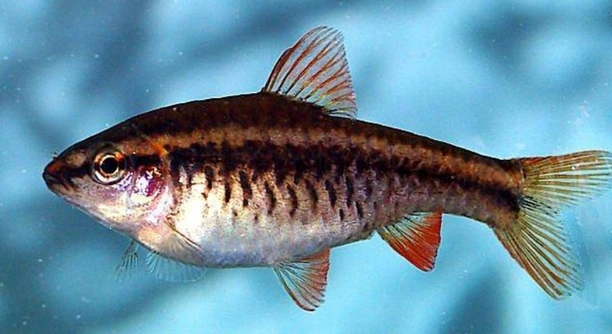
Leaf litter is often used in aquariums, especially for species like barbs. It not only enhances the tank’s aesthetics but also benefits the health of the fish and plants. This natural addition creates a more balanced environment for aquatic life.
Using leaf litter in barb tanks provides multiple benefits. It helps maintain water quality, promotes natural behaviors, offers hiding spots for fish, and encourages beneficial bacteria growth. It also mimics the fish’s natural habitat, reducing stress and improving overall health.
Leaf litter is an easy, effective way to enhance your tank. In the following sections, we will explain its many advantages for your barbs and how it contributes to a healthy, thriving aquarium environment.
1. Natural Water Filtration
Leaf litter plays a crucial role in improving water quality in a barb tank. As the leaves break down, they release tannins and organic compounds into the water. These compounds help lower pH levels, making the water slightly acidic, which is ideal for many fish species, including barbs. They also help remove excess nutrients, reducing the chances of algae overgrowth. The decomposition process promotes the growth of beneficial bacteria, which in turn breaks down harmful substances like ammonia and nitrates. This results in cleaner water and a healthier environment for your fish.
Adding leaf litter can significantly reduce the need for frequent water changes. As the leaves decompose, they naturally filter and purify the water. The beneficial bacteria that form on the leaves further break down organic waste, preventing the build-up of harmful toxins. The overall effect is a more stable, well-balanced ecosystem in your tank.
By using leaf litter, you create a more self-sustaining environment in your aquarium. It helps maintain water quality with minimal effort, offering a long-term solution to keeping your barbs happy and healthy.
2. Hiding Spots for Barbs
Barbs are naturally curious and active fish, but they still need places to hide. Leaf litter provides them with plenty of hiding spots, reducing stress and promoting natural behaviors.
Barbs, especially in smaller or more crowded tanks, often feel safer when they have places to retreat to. Leaf litter creates natural hiding spots that allow your fish to feel secure. This is important as it reduces aggression and stress, allowing the fish to swim more freely and live a more fulfilling life.
Additionally, leaf litter encourages barbs to forage. As the leaves break down, they release small particles and microorganisms that the fish can pick at, mimicking their natural behavior in the wild. This also helps improve their overall health by encouraging active hunting. By giving barbs a space to hide and forage, you are promoting a healthier and happier aquarium.
3. Mimics Natural Habitat
Leaf litter replicates the barbs’ natural environment, where they are commonly found in rivers and streams with fallen leaves. This helps them feel more at home in the aquarium. It offers a familiar setting that reduces stress and promotes better health for your fish.
Barbs are accustomed to swimming in environments rich in leaf litter, where they can find food and shelter. By adding leaf litter to the tank, you provide a more natural setting, which encourages their natural behaviors. This makes them more comfortable, and they will adapt more quickly to the aquarium, leading to less stress.
Additionally, the presence of leaf litter promotes natural water conditions. The decomposition of leaves mimics the organic breakdown that happens in the wild. It helps maintain a healthy environment with a more stable ecosystem. This small change can significantly improve the well-being of your barbs.
4. Encourages Beneficial Bacteria
Leaf litter helps boost the growth of beneficial bacteria in the tank. These bacteria break down organic waste, preventing toxic buildup that could harm your fish. As the leaves decompose, they become a breeding ground for these helpful microorganisms.
When leaf litter is introduced into the tank, it creates a surface for bacteria to thrive. The bacteria consume waste such as uneaten food and fish excrement, turning it into less harmful substances. This improves overall water quality and reduces the frequency of water changes. As a result, your aquarium stays healthier for a longer period.
These bacteria are vital for maintaining a balanced aquarium ecosystem. They work alongside the natural filtration system, ensuring that harmful compounds like ammonia and nitrates are broken down. With this added layer of filtration, you don’t need to rely as heavily on mechanical filters, making it a more sustainable and natural way to keep the tank clean.
5. Provides Additional Food Sources
Leaf litter releases nutrients as it decomposes, offering a food source for barbs. The breakdown of leaves encourages the growth of microorganisms that your fish can feed on. These natural food sources supplement their diet, promoting healthier fish.
As the leaves decompose, they release small particles and organic matter. This provides an additional food source that helps keep your barbs active and engaged. They will naturally forage on the microorganisms, improving their overall diet and well-being. It’s a simple way to enrich their environment without additional feeding.
Leaf litter helps mimic the natural food chain that barbs would encounter in the wild. This foraging behavior is a key aspect of their health, and leaf litter helps to replicate that experience. By adding leaves to your tank, you offer a more balanced and enriching diet for your fish.
6. Reduces Stress
The presence of leaf litter can help lower stress levels in barbs by providing them with areas to hide and explore. This increases their sense of security and comfort.
Stress is a common problem for aquarium fish, especially when they don’t have enough hiding spots or enrichment. Leaf litter provides the perfect environment for barbs to retreat to when they need some space. This makes them feel safer and more at ease, reducing the risk of health issues caused by stress.
Leaf litter also offers a way to break up the aquarium’s open spaces, creating a more natural, peaceful environment. The cluttered tank gives the fish a sense of privacy, which is essential for reducing anxiety.
FAQ
Can I use any type of leaf in my barb tank?
Not all leaves are suitable for aquariums. It’s important to choose leaves that are safe for aquatic life. Some common options are Indian almond leaves, oak leaves, and beech leaves. These types break down slowly and release beneficial tannins. Avoid using leaves from trees that might have been treated with chemicals or are toxic to fish. You can collect leaves from your yard, but ensure they haven’t been exposed to pesticides or pollutants.
How do I prepare the leaves before adding them to the tank?
Before adding leaves to your tank, it’s a good idea to rinse them thoroughly. This helps remove dirt and debris. You can also soak them in boiling water for a few minutes to sterilize them. Soaking them helps prevent unwanted pests from entering your aquarium. If you are using dried leaves, it’s also useful to weigh them down initially so they don’t float to the surface.
How long do leaf litter benefits last in my tank?
The benefits of leaf litter can last for several months. Over time, the leaves will decompose and release tannins and nutrients. As they break down, they promote the growth of beneficial bacteria, but eventually, the leaves will break down completely and need replacing. You can add new leaves when the old ones have fully decomposed to keep up the benefits. You’ll also notice the water’s color change slightly, which is normal.
Do I need to remove the leaves once they start decomposing?
It’s not necessary to remove the leaves immediately once they start decomposing. In fact, decomposing leaves continue to provide nutrients and help sustain the bacterial growth that keeps the tank healthy. However, if the leaves start to look excessively slimy or produce foul odors, you may want to remove them to maintain good water quality. Regular tank maintenance, including water changes and checking for any buildup, will ensure the health of your aquarium.
Will leaf litter change the water’s pH level?
Yes, leaf litter can lower the pH of the water slightly. As the leaves decompose, they release tannins and organic acids, which naturally acidify the water. Barbs typically thrive in slightly acidic water, making leaf litter a good choice. However, it’s important to monitor the pH regularly to ensure it doesn’t drop too low. If you notice the pH becoming too acidic, you may want to remove some of the leaves or replace them with fresh ones.
How much leaf litter should I add to my barb tank?
The amount of leaf litter you add depends on the size of your tank and the number of fish you have. A good rule of thumb is to add a few leaves for every 10-20 gallons of water. If you have a smaller tank, start with a handful of leaves and adjust as needed. The leaves should cover the bottom of the tank but not overwhelm the space. This will give your barbs enough space to swim and forage.
Do the leaves affect my filter system?
Leaf litter can sometimes clog filters if the leaves are not properly maintained. However, this is usually only a concern if the leaves are left too long without being replaced. To avoid this, make sure to clean your filter regularly and replace leaves when they have fully decomposed. Leaf litter can help reduce the amount of waste in the tank, but you’ll still need to keep an eye on your filter to ensure it runs efficiently.
Is leaf litter beneficial for all types of barbs?
Leaf litter is generally beneficial for most types of barbs, as they tend to thrive in environments that mimic their natural habitats. Barbs in the wild often live in areas with a lot of plant matter and organic debris. Leaf litter provides natural hiding spots, helps reduce stress, and offers a food source. However, if you have a species that prefers different water conditions, such as hard water, you should monitor the water parameters carefully and make adjustments as needed.
Can leaf litter help with algae growth?
Leaf litter doesn’t directly prevent algae growth, but it can contribute to better overall water quality, which can reduce the likelihood of algae problems. The tannins released by decomposing leaves help lower nitrate levels and control excess nutrients in the tank, which are often the primary contributors to algae blooms. Additionally, the leaf litter provides an environment for beneficial bacteria, which can help keep algae at bay by outcompeting them for nutrients.
Will the tannins released by the leaves stain the water?
Yes, the tannins from decomposing leaves will often turn the water a yellow or brownish color. This is perfectly safe for your barbs and many fish actually thrive in this type of water. The tannins can also have a calming effect on the fish. If you don’t like the color change, you can reduce the amount of leaf litter or perform more frequent water changes to keep the water clearer. Some aquarists enjoy the tinted water as it mimics the soft, natural environments where barbs and other tropical fish are found.
How often should I replace the leaf litter in my tank?
You should replace the leaf litter every 2 to 3 months or when you notice that most of it has broken down. This will ensure that your tank continues to reap the benefits of leaf litter. When you replace it, try to mix in some fresh leaves to maintain a constant supply of nutrients. You can also keep the decomposing leaves in the tank for a while if the water parameters are still good and your fish are healthy.
Final Thoughts
Leaf litter can be a simple and natural addition to your barb tank that offers several benefits. It helps maintain water quality by breaking down and releasing tannins and beneficial nutrients. These tannins lower the pH of the water, which is ideal for many species of fish, including barbs. In addition, leaf litter supports the growth of beneficial bacteria that help break down waste and reduce harmful toxins in the tank. This process creates a healthier and more balanced environment for your fish without requiring a lot of extra effort or equipment.
While leaf litter may not be necessary for every tank, it can be a helpful tool for those looking to create a more natural environment for their fish. Barbs, like many other fish, thrive in conditions that closely resemble their natural habitats. The presence of leaf litter not only mimics their environment but also offers hiding spots, promotes foraging behavior, and reduces stress. These factors can help your barbs feel more secure and active in their tank, which ultimately contributes to their well-being and longevity.
Overall, incorporating leaf litter into your barb tank can lead to a healthier ecosystem and a more natural, enriching environment for your fish. As long as you choose the right type of leaves and maintain the tank properly, the benefits are well worth it. By providing a more stable and sustainable environment, you’ll enjoy a thriving aquarium with happy, healthy barbs.

Hello,
If you enjoy the content that we create, please consider saying a "Thank You!" by leaving a tip.
Every little bit helps us continue crafting quality advice that supports the health, happiness, and well-being of pets around the world, for pets of all shapes, sizes, and species.
We really appreciate the kindness and support that you show us!