
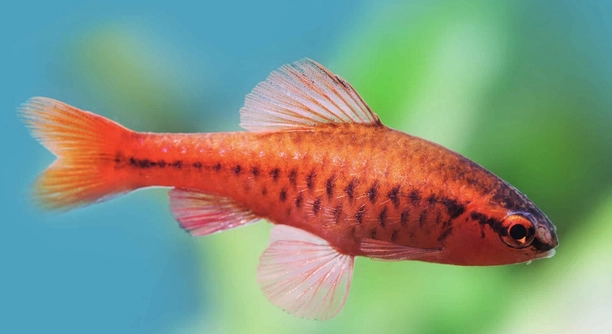
Is your cherry barb’s tail looking frayed, discolored, or slightly torn despite regular tank maintenance and care routines?
Cherry barb tail damage can result from poor water quality, aggressive tank mates, nutrient deficiencies, infections, or injuries during handling or decor interactions. Identifying the cause is essential for effective treatment and long-term prevention.
Spotting the issue early and understanding each possible cause can help you support your fish’s health and avoid future problems.
Poor Water Quality
Cherry barbs are sensitive to changes in water conditions. Ammonia spikes, high nitrites, or unbalanced pH levels can stress their immune systems and lead to tail damage. Even subtle imbalances may weaken fin tissue and make it more prone to tears or fraying. A lack of routine water changes or an overcrowded tank can cause waste buildup, increasing toxicity and encouraging bacterial growth. It’s also important to check for temperature fluctuations, as unstable temperatures can further stress your fish. Keeping the water clean and stable, using a reliable filter, and regularly testing parameters are simple steps that help prevent damage.
Check your tank conditions weekly to catch issues before they affect your cherry barbs. Even minor problems can lead to visible tail changes over time.
Consistency is key. Stick to a water change schedule of about 25% each week, and vacuum the substrate to remove debris. Replace filter media as needed and avoid overfeeding. Leftover food can quickly increase ammonia, especially in smaller tanks. Keep the water temperature between 74°F and 80°F, and make sure the pH stays around 6.0 to 7.5. A test kit helps you monitor things closely. Avoid sudden changes in water chemistry to reduce stress. Stable, clean water supports fin regrowth and keeps your cherry barbs thriving.
Aggressive Tank Mates
Aggression from other fish can lead to tail injuries in cherry barbs. Even short chasing or nipping episodes can cause fraying or splits.
Cherry barbs are generally peaceful, but they do best in tanks with similarly calm fish. If they’re housed with aggressive species like tiger barbs, bettas, or some cichlids, they can become targets. Repeated fin-nipping not only damages the tail but also increases the chance of infection. Keep an eye on your tank’s social dynamics. If you see torn fins and frequent chasing, it may be time to separate the fish or rehome the aggressive species. Adding more cherry barbs—at least six—can also reduce stress by encouraging schooling behavior. They feel safer in groups and tend to focus less on others. Provide plenty of hiding spaces like plants or caves to give them room to escape if needed. Calm tank mates and a peaceful environment are essential for fin health.
Nutritional Deficiencies
Cherry barbs need a balanced diet to support tissue repair and fin strength. A lack of essential nutrients like vitamin C, vitamin B, or quality proteins can slow healing and weaken their tail structure over time.
Feeding only one type of food, especially low-quality flakes, can lead to nutritional gaps. Include a variety of high-protein foods such as brine shrimp, bloodworms, and quality pellets. Adding vegetables like blanched zucchini or spinach can also support overall health. Vitamins and minerals help maintain strong fins and improve the fish’s ability to recover from minor injuries. Supplementing with a liquid vitamin additive a few times a week may help, especially if your fish already shows signs of tail wear. Be mindful of portion sizes to avoid water quality issues caused by uneaten food, which could make the problem worse.
Tail recovery is slower in fish lacking proper nutrients, even when the water is clean. A diverse diet helps improve color, energy, and tissue resilience. Offer small feedings twice daily to encourage better digestion and absorption. Rotate between protein-rich and plant-based foods to ensure full coverage of their dietary needs. If you’re unsure about food quality, choose brands with whole ingredients listed first, not fillers. Balanced nutrition plays a major role in preventing long-term damage and promoting healthier tails.
Injury from Decor
Sharp or rough decorations in the tank can easily tear a cherry barb’s delicate tail. Even plastic plants with stiff edges may cause harm if the fish brush against them during normal swimming or sudden movements.
Choose decorations made of smooth, fish-safe materials. Avoid anything with sharp corners, wire frames, or textured surfaces that can snag fins. Live plants like java fern or anubias are gentler and double as hiding places. Sand or rounded gravel is better than rough substrates. Examine all items in the tank closely, especially if your cherry barbs show sudden tears without any signs of aggression or illness. Rearranging the tank layout may also help reduce injuries by creating more open swimming space. Taking the time to inspect and adjust decor can prevent ongoing damage and give the tail a better chance to heal without repeated stress.
Bacterial or Fungal Infections
Tail rot and frayed edges are common signs of bacterial or fungal infections. These conditions often follow stress or injury and can spread quickly without treatment. Look for white edges, discoloration, or ragged tissue along the tail.
Start treatment with a separate hospital tank if possible. Use antibacterial or antifungal medications based on the symptoms. Maintain perfect water quality during recovery, as poor conditions make healing harder. Remove any activated carbon from the filter when medicating. Clean the tank regularly and monitor for improvement. Isolate any affected fish to avoid spreading the infection to the rest of the group.
Overcrowded Tank Conditions
A crowded tank increases stress, competition for food, and waste buildup. These conditions weaken immunity and make it easier for tail damage to occur or worsen.
Stick to a proper stocking ratio. Allow at least one to two gallons of water per cherry barb and avoid keeping too many fish in a small tank. Overcrowding limits swimming space, raises aggression, and causes faster water quality drops. Add more plants or decor to create barriers and reduce tension between fish. More space means less stress and fewer injuries.
FAQ
How can I prevent cherry barb tail damage?
The best way to prevent tail damage is to maintain good water quality, provide a balanced diet, and avoid aggressive tank mates. Regular water changes, proper filtration, and monitoring water parameters like pH, ammonia, and temperature are essential. Also, ensure that decorations in the tank are smooth and free from sharp edges. Feeding a variety of high-quality foods will help keep your fish strong and healthy. If your cherry barbs are housed with aggressive species, consider separating them to avoid bullying and fin damage.
What should I do if my cherry barb’s tail is fraying?
If you notice fraying, the first step is to check the water quality. Perform a water change, test the parameters, and ensure they are within the recommended range. Next, inspect the tank for any aggressive fish or sharp decorations. If the damage is severe or showing signs of infection, such as discoloration or tissue breakdown, quarantine the affected fish and begin medicating with an antibacterial or antifungal treatment. Keeping the tank clean and stress-free will help promote healing.
Can cherry barbs heal from tail damage?
Yes, cherry barbs can heal from tail damage, but the recovery depends on the cause and extent of the injury. Minor injuries, like a small tear from a tank decoration, can heal quickly in a stable, clean environment. However, if the damage is caused by a bacterial or fungal infection, healing may take longer and require treatment. Providing proper nutrition, clean water, and minimizing stress will speed up the healing process. If the tail is severely damaged or infected, it may take several weeks or longer for full recovery.
What are the signs of a bacterial infection in cherry barbs?
Signs of a bacterial infection in cherry barbs include discolored or rotting fins, especially around the tail, frayed or ragged edges, and white or fuzzy patches on the damaged areas. In more severe cases, the infection may cause lethargy, loss of appetite, and increased mucus production. If you notice these symptoms, act quickly by quarantining the affected fish and using an appropriate treatment.
How can I treat tail rot in cherry barbs?
Tail rot in cherry barbs is often caused by a bacterial infection. To treat it, remove the infected fish to a quarantine tank and begin medication with antibacterial treatments designed for fin rot. Keep the water clean and stress levels low to support healing. Increase the water temperature slightly to encourage recovery, but make sure it remains within the safe range for cherry barbs. If necessary, treat the whole tank with medication to prevent the infection from spreading.
Can poor water quality cause tail damage in cherry barbs?
Yes, poor water quality is a common cause of tail damage in cherry barbs. Ammonia spikes, high nitrite levels, or improper pH can stress your fish, making them more susceptible to injuries or infections. Always monitor the water quality regularly and perform weekly water changes to keep conditions stable. Poor water quality weakens the immune system, and even small injuries can become infected and cause long-term damage.
Can aggressive tank mates cause tail damage in cherry barbs?
Yes, aggressive tank mates can cause tail damage by nipping or chasing cherry barbs. Some fish species, such as tiger barbs or bettas, are known to be more territorial and may target the fins of smaller, peaceful fish like cherry barbs. If you notice that your cherry barb’s tail is fraying or torn, it may be due to bullying or chasing. It’s important to keep cherry barbs with peaceful fish and avoid overstocking to reduce aggression. Adding more hiding spots or plants can also give your fish a safe space to retreat.
How often should I change the water in my cherry barb tank?
Water changes should be done regularly to maintain good water quality. It’s recommended to change about 25% of the tank water each week. If you have a heavily stocked tank or if the water parameters show signs of poor quality, you may need to increase the frequency of water changes. Regular cleaning, including vacuuming the substrate to remove waste, will help keep the water clean and prevent issues like ammonia spikes, which can stress your fish and lead to tail damage.
What is the ideal water temperature for cherry barbs?
Cherry barbs thrive in water temperatures between 74°F and 80°F. Keeping the temperature within this range promotes their overall health and prevents stress. Sudden temperature fluctuations can weaken their immune system, making them more vulnerable to infections and injuries. Invest in a reliable heater and thermometer to maintain a stable environment for your fish.
Are live plants better for preventing tail damage?
Yes, live plants can help reduce the risk of tail damage in cherry barbs. They provide hiding spots and reduce the likelihood of aggression, as fish are less likely to fight when there are areas to retreat to. Plants also improve water quality by absorbing excess nutrients and providing oxygen. Additionally, live plants are much gentler on fish fins than plastic plants with sharp edges. By adding plants like java fern, anubias, or Amazon swords, you can create a more natural and safer environment for your cherry barbs.
How do I know if my cherry barb is healing properly?
If your cherry barb’s tail is healing properly, you should see the damaged area gradually regenerating. The frayed or torn edges should begin to smooth out, and new tissue may appear. The color of the tail should return to its natural hue, with no signs of infection such as white patches or swelling. Keep monitoring the water quality and feed a well-balanced diet to support recovery. If the tail is not improving or the damage worsens, consider consulting a vet or applying additional treatment.
Final Thoughts
Maintaining the health of your cherry barbs is essential for their overall well-being and longevity. Tail damage can often be prevented through simple measures, such as providing a clean, stable environment and avoiding overly aggressive tank mates. Regular water changes, proper filtration, and monitoring water parameters will ensure your fish remain stress-free and healthy. Offering a balanced diet and keeping the tank clean will help reduce the chances of infections or injuries that lead to tail damage.
If tail damage does occur, it’s important to address the issue promptly. Healing can be slow, but with the right care, cherry barbs can recover from most injuries. Always begin by checking the water quality, as poor water conditions are one of the main causes of stress and injury. If the damage appears to be caused by an infection, quarantine the affected fish and treat with the appropriate medications. Keeping the water pristine, isolating the injured fish, and ensuring proper nutrition will all support the recovery process. If the damage is severe, however, consult with an aquarium specialist for more advanced treatment options.
Overall, keeping cherry barbs healthy requires a balance of prevention, observation, and care. These fish are resilient, but their health is closely tied to their environment. By maintaining good tank conditions, monitoring for signs of stress, and treating injuries or infections early, you can ensure that your cherry barbs live a long, healthy life. While occasional tail damage may happen, staying proactive in your tank maintenance and providing a supportive, calm environment will reduce the risk and help your fish thrive.

Hello,
If you enjoy the content that we create, please consider saying a "Thank You!" by leaving a tip.
Every little bit helps us continue crafting quality advice that supports the health, happiness, and well-being of pets around the world, for pets of all shapes, sizes, and species.
We really appreciate the kindness and support that you show us!