
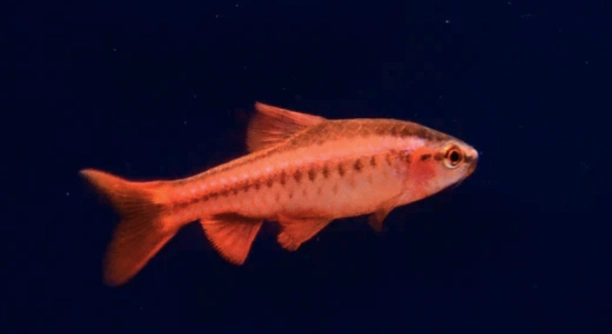
Do you ever find yourself wondering if your cherry barbs are truly happy with just decorations and gravel in their tank?
Cherry barbs do not strictly require live plants to survive, but having them in the tank significantly benefits their health and behavior. Live plants improve water quality, reduce stress, and support natural habits like hiding and foraging.
Understanding how live plants affect your cherry barbs can help you create a more natural and balanced tank environment.
Why Live Plants Make a Difference
Cherry barbs are peaceful fish that feel more at ease in planted aquariums. Live plants help recreate their natural habitat, giving them places to hide, rest, and explore. This reduces their stress and helps maintain their bright coloring and calm behavior. Live plants also improve the water quality by absorbing ammonia and producing oxygen, making the tank healthier for all its inhabitants. Unlike fake plants, live plants grow and change, creating a more natural setting over time. When cherry barbs feel safe, they are more likely to be active and show social behaviors. Plant cover also helps during breeding, as the eggs can stick to leaves and be hidden from other fish. If you want to give your cherry barbs a home that suits their needs, live plants are a helpful choice. It doesn’t need to be complicated—easy plants like Java fern or Anubias can do the job well.
Fake plants can offer shelter, but they don’t support the water quality or grow along with your tank’s needs.
If you’re aiming to keep your cherry barbs active, healthy, and stress-free, live plants offer both practical benefits and comfort. They make your tank look more alive while supporting your fish in simple but powerful ways.
Picking the Right Plants
Not all plants are hard to care for. In fact, many beginner-friendly species grow well in low light and don’t need extra CO₂.
Java fern, Anubias, and hornwort are great for cherry barb tanks. They require minimal upkeep and don’t need planting in substrate, which is helpful if you use gravel or sand. Java moss is another good option and works well for breeding because it gives eggs a place to hide. These plants grow slowly, so they don’t take over your tank too quickly. Most also tolerate the same water conditions cherry barbs prefer—slightly warm and a bit soft. You won’t need to spend much time trimming or adjusting them. If you’re worried about lighting, even standard aquarium lights are enough for most of these plants. When you pick the right ones, your tank becomes both easy to care for and more natural-looking. Over time, your cherry barbs will start to use the plants in interesting ways.
Common Concerns About Live Plants
Some people avoid live plants because they think they’re hard to care for or worry about algae problems. Others feel unsure about lighting, plant food, or trimming needs.
The truth is, most beginner-friendly plants are very low maintenance. Java fern and Anubias, for example, don’t need special soil or fertilizers. You can attach them to rocks or driftwood and they’ll grow slowly without taking over your tank. Algae can happen in any tank, but regular water changes and not overfeeding your fish help control it. If you’re using standard lighting, that’s usually enough. The key is picking plants that match your tank setup and being consistent with basic care. A little weekly upkeep goes a long way. You don’t have to be an expert to keep live plants healthy and looking good.
Live plants can also die if placed in the wrong spot or planted incorrectly. Some need water flow, while others prefer still areas. It’s also important not to bury rhizome plants like Java fern too deep in the substrate—they’ll rot. Choosing slow-growing species helps reduce trimming and makes the tank more stable. Once established, these plants create a steady environment. It’s helpful to start with just one or two types until you feel comfortable. Simple adjustments can solve most issues.
Balancing Plants and Equipment
It’s normal to wonder how live plants fit in with filters, heaters, and other equipment in the tank. Luckily, many plants adjust easily to your setup.
Make sure your equipment doesn’t create too much current, especially near delicate plants. Use sponge filters or adjust flow settings to avoid uprooting. Place taller plants near the back of the tank to leave open swimming space in front. Try to keep plants away from heaters to avoid damage to their leaves. Lighting should be steady but not too strong; a standard aquarium light works well for most low-light plants. If needed, a basic timer can keep the light on for 6–8 hours a day. Avoid placing equipment where it blocks light or crushes plants. Over time, the tank becomes more balanced as plants and equipment work together. A little planning makes everything function more smoothly.
What to Avoid with Live Plants
Avoid using sharp decorations or rough gravel near plant roots. These can damage stems or limit growth.
Don’t use plant-killing medications or dyes in your water. Some treatments meant for fish can harm or kill live plants quickly.
Watching Your Cherry Barbs Interact
When live plants are added, cherry barbs tend to become more active and colorful. They’ll weave through leaves, rest in shaded areas, and explore more of the tank. During breeding, they often choose leafy spots to lay eggs. This natural behavior becomes easier to observe with the right setup.
Final Thoughts Before Adding Plants
Start with one or two easy species, and give them time to adjust. Most beginner plants don’t need much effort but bring noticeable benefits.
FAQ
Do cherry barbs need live plants to survive?
No, cherry barbs do not need live plants to survive, but they benefit a lot from having them. Live plants help improve water quality, reduce stress, and support natural behavior. A tank with real plants feels more like their native environment, which helps them stay healthier and act more naturally. While plastic plants can offer some cover, they don’t give the same level of support in terms of water quality or comfort. If you want your cherry barbs to thrive and show their best colors and behavior, adding live plants is a good idea.
Are live plants hard to care for?
Not really. Many live plants are low-maintenance and perfect for beginners. Java fern, Anubias, hornwort, and Java moss are all easy to care for and don’t need much beyond basic lighting and occasional trimming. You don’t need to add fertilizers or CO₂ unless you’re growing more demanding plants. Most low-light plants grow slowly, which means you won’t be trimming all the time. If you stick to the simpler types, caring for live plants is often just as easy as managing decorations or fake plants in the tank.
Will I need a special light for live plants?
In most cases, no. Many beginner-friendly plants grow well with a basic aquarium light. If your tank came with a light fixture, that’s often enough for plants like Java fern and Anubias. You don’t need to buy expensive lighting systems unless you plan on keeping more demanding plants. Make sure the light is on for about 6 to 8 hours a day. Using a simple timer can help with this. Too much light can cause algae, so don’t leave the light on all day. Balance is key.
What if I get algae in my tank?
Algae can show up in any tank, with or without live plants. It’s usually caused by too much light, too many nutrients, or overfeeding fish. You can manage algae by limiting the light to a set schedule, not overfeeding, and doing regular water changes. Live plants can even help reduce algae by absorbing extra nutrients. If algae still becomes a problem, you can add algae-eating fish like snails or shrimp, or gently clean the affected areas with a soft sponge. Just make sure not to scrub the plants too hard.
Do I need to use fertilizers or CO₂ with live plants?
Not always. For easy plants like Java fern, Anubias, or hornwort, fertilizers and CO₂ aren’t necessary. These plants grow well in standard conditions and don’t need much help. If you want to try slightly more advanced plants later, you can consider adding liquid fertilizers or root tabs. But in most beginner setups, this step can be skipped. Focus on keeping your tank clean, providing enough light, and giving the plants space to grow. That alone is enough for many types of live plants to thrive.
How do I plant live plants properly?
It depends on the plant. Some, like Anubias and Java fern, should not be buried in the gravel. Their rhizomes need to stay above the substrate and can be tied to rocks or driftwood. Stem plants like hornwort can be anchored in gravel, or left floating. Mosses can be attached to decorations with thread or glue. Always research each plant before placing it in the tank. Improper planting can cause rot or poor growth. Give your plants space and try not to crowd them too close together.
Can I mix live plants with fake ones?
Yes, you can mix both types in your tank. Some people use fake plants for decoration and add live plants for their benefits. Just make sure the fake ones don’t have sharp edges that can harm your fish or damage delicate live plant leaves. This combination can still give your cherry barbs hiding spots and visual interest while keeping some of the tank maintenance easy. Over time, you might find yourself favoring live plants more, especially as you see how much your fish enjoy them.
How long do live plants last in a fish tank?
With proper care, many live plants can last for years. Slow-growing types like Anubias and Java fern are especially hardy and don’t need to be replaced often. As long as they’re not being damaged, deprived of light, or overcrowded, they’ll continue to grow and add value to your tank. Some plants might need trimming or thinning out if they grow too large, but you won’t need to replant them constantly. A healthy tank setup supports plant life for the long term.
Can live plants spread too much?
Some fast-growing plants can spread if not managed. Plants like hornwort or water wisteria can grow quickly and take up space if left unchecked. However, most beginner plants grow slowly and are easy to trim. It’s a good idea to choose slow growers if you want less maintenance. Even if a plant spreads a bit, trimming it back is simple. Just remove the extra growth with clean scissors and discard or replant it. Watching your plants grow can be rewarding, and a little trimming now and then keeps your tank looking neat.
Final Thoughts
Cherry barbs are peaceful, active fish that enjoy a calm and natural environment. While they don’t need live plants to survive, adding them makes a big difference. Live plants offer a safer, more comfortable space that helps reduce stress. They also help clean the water by absorbing waste and providing oxygen. Over time, live plants can help your tank become more balanced and stable. Your cherry barbs will have places to explore, hide, and even breed. Even one or two plants can change the feel of your aquarium.
You don’t have to be an expert to get started with live plants. There are many easy-to-care-for options that do well in basic tank setups. Java fern, Anubias, and mosses grow slowly and don’t need special lights or added nutrients. With just a little attention, these plants can thrive and grow alongside your fish. They don’t need much trimming, and they’re tough enough to handle changes in the tank. You also won’t need to buy new decorations all the time because these plants continue to grow and shape the tank naturally.
If you’ve been thinking about trying live plants, it’s worth giving it a try. They improve your tank’s look, support your fish’s health, and make everything feel more natural. Start small and see how things go. As you become more comfortable, you can always add more plants or try different types. Watching your cherry barbs interact with their new environment can be fun and rewarding. Live plants are a simple upgrade that brings many benefits without adding a lot of extra work. With a little planning and care, they’re a great way to improve your tank.

Hello,
If you enjoy the content that we create, please consider saying a "Thank You!" by leaving a tip.
Every little bit helps us continue crafting quality advice that supports the health, happiness, and well-being of pets around the world, for pets of all shapes, sizes, and species.
We really appreciate the kindness and support that you show us!