
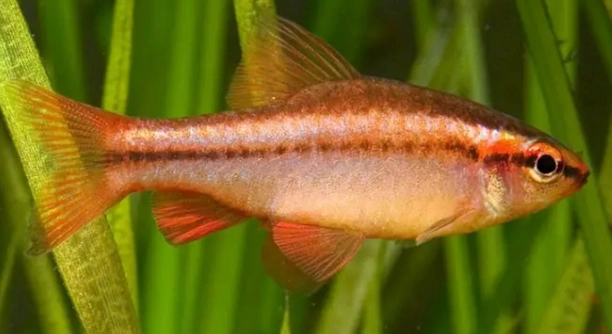
Cherry barbs are active and colorful fish, but sometimes you may notice them hanging near the surface of the tank. This behavior can be concerning, but it is often a sign of underlying factors affecting their well-being.
Cherry barbs may hang near the surface of the water due to low oxygen levels, poor water quality, or stress. Inadequate filtration, overpopulation, or improper temperature can also contribute to this behavior. It is essential to address these conditions to restore balance.
Ensuring your tank has proper water flow and quality will help your cherry barbs feel comfortable and healthy. By making small adjustments, you can encourage them to return to their usual swimming behavior.
Low Oxygen Levels in the Tank
If the water in your tank lacks oxygen, your cherry barbs may hang near the surface to get more air. Fish rely on oxygen dissolved in water to breathe, and when levels are low, they struggle to get enough. This can happen if there’s not enough water movement or aeration in the tank. Stagnant water can prevent proper oxygen exchange, leading to stressed fish. If you notice your cherry barbs spending more time near the surface, this is a clear sign that they’re seeking oxygen.
One way to increase oxygen levels is to add a filter with a stronger flow or install an air pump. These simple additions can improve water circulation and oxygenation. Be mindful of how you place equipment to avoid strong currents that may stress your fish further.
To make sure oxygen levels stay stable, monitor the temperature and check if the water is changing properly. Hot water holds less oxygen, and a tank without proper filtration can quickly deplete what little oxygen it has. Adding plants can also help oxygenate the water while providing a more natural environment for your fish.
Poor Water Quality
Water quality issues like high ammonia or nitrite levels can cause stress for your cherry barbs. These toxins affect fish health and make them more likely to stay near the surface, where they might feel safer. Regular water changes are essential to maintaining a healthy environment. Monitoring water parameters, such as pH and hardness, can also ensure that the tank remains in optimal condition for your fish.
If your tank has a buildup of waste, uneaten food, or decaying plants, it’s important to remove it right away. Poor water quality can affect not just your cherry barbs but all the fish in the tank. Proper filtration and a routine cleaning schedule will keep toxins in check and reduce the chances of your fish feeling stressed. Regular testing of your tank’s water can help catch any issues early on, preventing long-term problems for your fish.
Temperature Fluctuations
Temperature changes can cause stress for your cherry barbs, pushing them toward the surface. If the water is too warm or too cold, they may instinctively seek out an area with better conditions. Fish prefer stable environments, and sudden shifts can disrupt their comfort.
Inconsistent temperature is often caused by the location of your tank, nearby heaters, or external factors like drafts. Ensure the temperature stays within the ideal range for cherry barbs, typically between 74°F and 80°F. A reliable heater and thermometer can help maintain stability. Avoid placing the tank near windows or vents, as external temperature changes can cause fluctuations.
Frequent temperature shifts may weaken your fish’s immune system, leaving them more vulnerable to disease. This is why maintaining a stable water temperature is essential for overall fish health. You can prevent extreme fluctuations by using a thermometer regularly and adjusting heaters as needed.
Overcrowding
When there are too many fish in a tank, the water becomes more polluted and oxygen levels decrease. Overcrowding can make your cherry barbs anxious and cause them to swim near the surface in search of more oxygen. It’s important to provide enough space for all your fish to thrive.
Each cherry barb needs about 10 gallons of water to feel comfortable, but overcrowding also affects the overall water quality. Overcrowded tanks experience higher waste levels, which can quickly reduce oxygen and increase harmful substances like ammonia and nitrates. A good rule of thumb is to avoid more than one inch of fish per gallon of water.
Adding extra filtration and ensuring proper water flow can help combat the effects of overcrowding. However, the best solution is to reduce the number of fish or upgrade the tank to provide ample swimming space. This helps prevent stress and ensures your fish remain healthy.
Stress from Tank Mates
Cherry barbs can become stressed by aggressive or territorial tank mates, causing them to swim near the surface. Fish that feel threatened will often seek refuge in higher water levels, away from potential bullying.
Aggressive fish or species that are too large can intimidate your cherry barbs. This behavior can lead to them hiding or staying near the top of the tank to avoid confrontation. It’s important to choose tank mates that are peaceful and have similar needs.
To create a harmonious environment, ensure your cherry barbs are housed with non-aggressive fish. Providing hiding spots can also help reduce stress, allowing your fish to retreat when needed. Regularly observe their interactions to ensure a peaceful tank.
Inadequate Diet
A poor diet can affect the overall health of your cherry barbs and lead them to exhibit unusual behaviors like staying near the surface. Fish need a balanced diet to maintain energy and health.
Cherry barbs thrive on a varied diet of high-quality flakes, pellets, and occasional live or frozen foods. A lack of essential nutrients can weaken their immune systems, making them more susceptible to stress and illness. Inadequate nutrition may also cause changes in behavior, such as staying at the water’s surface in search of food.
Ensuring your fish are fed regularly with nutritious meals will promote overall health and help them feel more secure in their environment.
Poor Water Circulation
Without proper water circulation, your cherry barbs may swim near the surface. Water movement helps distribute oxygen and nutrients throughout the tank, which is crucial for fish health.
Stagnant water can make it harder for your fish to get oxygen, leading them to seek out areas with better flow, typically near the surface. A lack of circulation can also cause waste and toxins to build up, further stressing your fish.
Adding a filter or water pump to improve circulation will help distribute oxygen evenly. This simple step can improve the overall water quality and make your cherry barbs feel more comfortable.
FAQ
Why are my cherry barbs swimming at the surface?
Cherry barbs swim at the surface primarily due to low oxygen levels or stress. They may seek the surface to access more oxygen if it’s lacking in the water. Other reasons include water temperature fluctuations, poor water quality, or overcrowding. It’s essential to check the water parameters and make sure there’s enough oxygen in the tank. Adding a filter or an air pump can help. Additionally, ensuring stable water conditions and avoiding aggressive tank mates can reduce stress and encourage normal swimming behavior.
How do I fix low oxygen levels in my tank?
To increase oxygen levels in your tank, you can add an air pump or adjust the filter’s flow to improve water movement. Proper aeration is key, as stagnant water holds less oxygen. Adding live plants to the tank can also help oxygenate the water. Regular water changes ensure that the tank remains clean and oxygen-rich. It’s also important to avoid overfeeding, as uneaten food can decay, further reducing oxygen levels.
What temperature should my cherry barbs’ tank be?
The ideal temperature for cherry barbs is between 74°F and 80°F (23°C to 27°C). Temperatures outside this range can cause stress and lead your fish to seek the surface for better conditions. Using a reliable heater and thermometer ensures that the water remains stable and within the proper range. Avoid placing the tank near windows, heaters, or air conditioning units, as temperature fluctuations can harm your fish.
What can I do if my cherry barbs are stressed by tank mates?
If your cherry barbs are stressed by tank mates, consider moving any aggressive fish to a separate tank or adding more hiding spaces like plants or rocks. Cherry barbs are peaceful and thrive in calm environments with other non-aggressive species. Ensure that the tank isn’t overcrowded, as this can also cause stress. Observing your fish regularly will help you notice any signs of aggression or bullying.
How often should I feed my cherry barbs?
Feed your cherry barbs once or twice a day with a varied diet, including high-quality flakes, pellets, and occasional live or frozen foods. Overfeeding can pollute the water and harm your fish. Only give them as much food as they can consume in 2-3 minutes, and remove any leftover food to maintain water quality. A balanced diet helps keep your fish healthy and active.
Can cherry barbs survive in cold water?
Cherry barbs are tropical fish and prefer warmer water, between 74°F and 80°F. While they can tolerate slightly cooler temperatures, they won’t thrive in cold water. Prolonged exposure to temperatures below 70°F can weaken their immune system and cause stress. It’s best to maintain the temperature within the recommended range to keep your cherry barbs healthy and happy.
How do I prevent overcrowding in my tank?
To prevent overcrowding, ensure that you provide at least 10 gallons of water per cherry barb. Overcrowding leads to poor water quality and can stress your fish. Regularly monitor the number of fish in your tank and avoid adding too many. If you need to, upgrade to a larger tank or rehome some fish to ensure that each one has enough space to swim freely.
Why are my cherry barbs swimming in circles?
Swimming in circles is often a sign of stress or discomfort. It could be caused by poor water quality, insufficient oxygen, or water temperature fluctuations. Check the water parameters, including pH, ammonia, and nitrate levels, and ensure that the tank is properly filtered. Stress from aggressive tank mates can also lead to circular swimming, so make sure your fish are in a peaceful environment. Providing more hiding spots or rearranging the tank layout might help.
Can cherry barbs live with other types of fish?
Yes, cherry barbs are peaceful and get along with many other species, especially small and non-aggressive fish. They do well in community tanks with species such as tetras, guppies, and rasboras. Avoid keeping them with large or aggressive fish that may bully them. It’s best to house them with similar-sized, calm species to reduce stress.
How can I improve water quality in my tank?
To improve water quality, perform regular water changes, remove uneaten food, and ensure the filter is working properly. Test the water for ammonia, nitrites, and nitrates, and adjust as needed. Adding live plants can help absorb excess nutrients and improve oxygen levels. Maintain a clean tank to prevent the buildup of harmful substances and keep your cherry barbs healthy.
What should I do if my cherry barbs are constantly at the top of the tank?
If your cherry barbs are constantly near the top, it’s usually a sign that they are seeking oxygen due to poor water quality, low oxygen levels, or high temperatures. Ensure the tank is well-aerated with proper filtration. Check the water parameters, including pH, ammonia, and nitrate levels, and make any necessary adjustments. If the issue persists, try adding an air pump or rearranging the tank for better water circulation. Regular water changes are also crucial for maintaining healthy conditions.
Final Thoughts
Cherry barbs are generally easygoing and peaceful fish, but when they swim near the surface, it can be a sign of underlying issues that need attention. Stress, poor water quality, low oxygen levels, or even a lack of proper diet can lead to this behavior. Understanding the root cause of why your cherry barbs are acting this way is the first step in resolving the issue. Regular tank maintenance and keeping an eye on water parameters are key to maintaining a healthy environment for your fish.
To prevent further issues, make sure to keep the water clean and well-oxygenated. Regular water changes, proper filtration, and aeration can improve water conditions, making it more comfortable for your cherry barbs. Maintaining a stable temperature within their preferred range also helps reduce stress. Monitoring the behavior of your fish and observing any signs of aggression from tank mates can also help create a more peaceful environment. Stress from other fish or improper living conditions often leads to cherry barbs seeking refuge at the surface, so these factors should be addressed promptly.
By focusing on the overall health of your tank and the needs of your cherry barbs, you’ll not only help reduce surface-swimming behavior but also ensure their long-term well-being. A proper diet, stress-free tank environment, and good water quality are all important aspects of keeping your cherry barbs happy and healthy. Paying attention to these factors will allow your fish to thrive and exhibit natural, healthy behaviors, making your aquarium a more peaceful and vibrant space.

Hello,
If you enjoy the content that we create, please consider saying a "Thank You!" by leaving a tip.
Every little bit helps us continue crafting quality advice that supports the health, happiness, and well-being of pets around the world, for pets of all shapes, sizes, and species.
We really appreciate the kindness and support that you show us!