
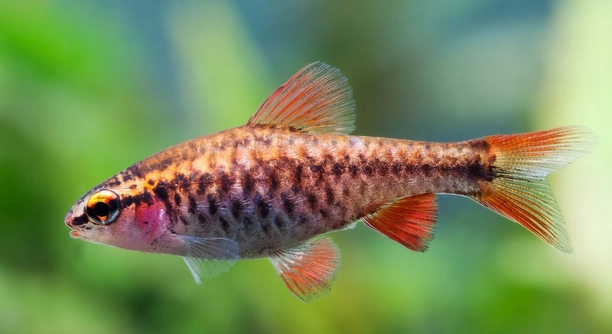
Wild and captive cherry barbs are both unique, but they differ in various ways. Understanding these differences can help fish owners care for them more effectively, ensuring the best possible environment for these beautiful fish.
Wild cherry barbs typically exhibit brighter colors and larger sizes than their captive counterparts. They also tend to be more active and agile in their natural habitats. Captive cherry barbs are usually smaller and less vibrant due to controlled breeding.
These differences influence how they behave and thrive in different environments. Understanding them can help optimize the care and setup needed for both types of cherry barbs in your aquarium.
Differences in Behavior: Wild vs. Captive Cherry Barbs
Wild cherry barbs are often more energetic and bold compared to their captive counterparts. In the wild, they have the freedom to swim vast distances, which keeps them active and engaged. Their natural habitat provides them with more opportunities for foraging and interaction with other species. Captive cherry barbs, however, may not have the same level of stimulation. Their movement is often confined to a smaller aquarium, which can result in less activity. This difference in space can impact their physical health and behavior. Wild cherry barbs are also more territorial, whereas captive fish may adapt to a more peaceful environment due to the smaller space.
Captive cherry barbs can become less active if they don’t have enough space to explore. In some cases, they may also become more reliant on the owner for food.
These differences mean that wild cherry barbs need more space and stimulation to thrive. If you’re keeping captive cherry barbs, it’s important to create a setup that mimics their natural environment as much as possible. Providing hiding spots and plenty of swimming space can help reduce stress and encourage natural behaviors.
Differences in Appearance: Wild vs. Captive Cherry Barbs
Wild cherry barbs typically have brighter, more vibrant colors compared to those kept in captivity. This is mainly due to the natural selection process that favors stronger, more visible colors for mating and survival. Wild conditions offer a range of environments that support this vibrancy.
Captive cherry barbs, however, often appear duller. The colors are less intense due to controlled breeding practices and the lack of natural environmental factors. In captivity, they are not exposed to the same variety of light conditions or opportunities for natural selection. While still colorful, they do not possess the same range of hues as their wild counterparts.
Lighting and water quality in captivity also influence how a cherry barb’s colors appear. Under proper conditions, such as ideal water temperature and a balanced diet, captive cherry barbs can become more colorful, though they may still not reach the same level of vibrancy as those in the wild.
Habitat Preferences: Wild vs. Captive Cherry Barbs
Wild cherry barbs thrive in dense aquatic vegetation with slow-moving streams. Their natural environment offers plenty of hiding spots, places to forage, and interactions with various species. This helps to maintain their natural behavior and instincts.
Captive cherry barbs are often kept in smaller tanks with less variety in the landscape. While they still appreciate plants and hiding spots, their environment typically lacks the complexity found in the wild. Without access to wide, flowing waters or varied temperatures, they may not behave as naturally as they would in the wild. It’s important to replicate their environment as closely as possible to keep them healthy.
In a tank, you can create a more natural environment by adding live plants and rocks, which will help reduce stress and encourage behaviors such as foraging. A varied and enriched environment is key for their well-being.
Feeding Habits: Wild vs. Captive Cherry Barbs
Wild cherry barbs are opportunistic feeders, consuming a variety of natural foods like small insects, plant matter, and algae. They forage continuously in their natural habitat, adapting to whatever food is available. Their diet is more diverse compared to what is typically provided in captivity.
In captivity, their diet is more controlled and often includes commercially available pellets or flakes. While these foods are formulated to meet nutritional needs, they lack the variety found in the wild diet. This can lead to less stimulation for the fish, as they don’t need to search for food.
Feeding captive cherry barbs a variety of foods, including frozen or live options, can help replicate their natural feeding habits and encourage more active behavior. A diverse diet also supports their overall health and appearance.
Reproductive Differences: Wild vs. Captive Cherry Barbs
In the wild, cherry barbs breed during specific seasons, with environmental cues such as water temperature and rainfall triggering spawning. The natural conditions allow for a more spontaneous and vigorous breeding process. They lay eggs in well-planted areas, and the community environment aids in protection and fertilization.
Captive cherry barbs may not breed as readily. Breeding can be influenced by tank conditions, such as water temperature, lighting, and tank mates. In captivity, they might need a little extra help, like separating males and females or altering the water temperature to trigger spawning. Ensuring proper water quality and conditions is key.
Though breeding is possible in captivity, the lack of natural environmental cues means the process can be less frequent and may require more intervention to encourage.
FAQ
How can I tell if my cherry barb is wild or captive?
Wild cherry barbs tend to have brighter, more vibrant colors compared to captive ones. They also exhibit more active and natural behavior due to their exposure to a wider environment. Captive cherry barbs may appear duller and less energetic, often due to the limited space and controlled conditions in their tanks. You can also consider where you obtained the fish – if it was from a local pet store, it’s likely a captive cherry barb.
Do cherry barbs need a lot of space?
Yes, cherry barbs do best in larger tanks, as they are naturally active swimmers. In the wild, they roam through larger bodies of water, often with other species. In captivity, giving them enough space helps reduce stress and encourages more natural behaviors, such as foraging and schooling. A tank of at least 20 gallons is recommended for a small group of cherry barbs.
What is the ideal water temperature for cherry barbs?
Cherry barbs thrive in temperatures ranging from 74°F to 80°F (23°C to 27°C). They are tropical fish and require a stable temperature within this range. Fluctuations in temperature can cause stress and even illness. It’s essential to use a reliable heater to maintain consistent water conditions.
Are cherry barbs easy to breed?
Breeding cherry barbs in captivity can be challenging compared to their wild counterparts. In the wild, their breeding cycle is triggered by changes in water conditions, such as temperature or rainfall. In captivity, you may need to adjust the water temperature, lighting, or even separate males and females to encourage spawning. While breeding is possible, it may require additional effort.
What should I feed my cherry barb?
Cherry barbs are omnivores, meaning they eat both plant and animal matter. In the wild, they forage for small insects, algae, and plant matter. In captivity, you can feed them a varied diet that includes high-quality flake or pellet food, live or frozen foods like brine shrimp, and algae-based snacks. A well-balanced diet will help maintain their health and color.
Can cherry barbs live with other fish?
Yes, cherry barbs are peaceful and can coexist with other non-aggressive species. They are best kept with small, peaceful fish that won’t bully them. Avoid placing them with large or territorial species, as this could cause stress. They enjoy the company of their own kind, so it’s best to keep them in groups of at least five.
How long do cherry barbs live?
Cherry barbs typically live for around 3 to 5 years in captivity, although with proper care, they can sometimes live longer. Their lifespan can be influenced by factors such as water quality, diet, and tank conditions. Regular water changes and a balanced diet can help extend their life.
What size tank is best for cherry barbs?
A tank of at least 20 gallons is recommended for a small group of cherry barbs. A larger tank is better if you plan to keep them with other fish. They prefer a well-planted tank with hiding spots, which can help reduce stress and mimic their natural habitat.
Why is my cherry barb swimming erratically?
Erratic swimming can be a sign of stress, illness, or environmental issues. Poor water quality, incorrect temperature, or inadequate tank mates can cause this behavior. It’s important to check the water parameters and ensure the tank conditions are optimal. If the behavior persists, it might be necessary to check for signs of disease.
Can cherry barbs tolerate hard water?
Cherry barbs prefer soft to moderately hard water. While they can tolerate some level of hardness, they do best in slightly acidic to neutral pH levels. Hard water with high mineral content can affect their health over time, so it’s important to monitor the water quality regularly and adjust it as needed.
How often should I feed my cherry barbs?
Cherry barbs should be fed once or twice a day. It’s essential not to overfeed, as excess food can lead to poor water quality and health problems. A varied diet is best, but be sure to only offer what they can consume in a few minutes. Remove any uneaten food to prevent contamination.
Can I keep cherry barbs with shrimp?
Yes, cherry barbs can generally coexist with shrimp. However, they may nibble on smaller shrimp, especially if the shrimp are newly introduced to the tank. It’s best to keep cherry barbs with larger or more resilient shrimp species, or provide plenty of hiding spots for the shrimp to escape to if needed.
How can I improve the color of my cherry barbs?
Improving the color of your cherry barbs can be achieved through a healthy, varied diet and proper water conditions. High-quality food rich in carotenoids, such as live or frozen foods like brine shrimp, can enhance their colors. Additionally, ensuring stable water temperature and proper lighting can help bring out their natural vibrancy.
What are the signs of illness in cherry barbs?
Signs of illness in cherry barbs include loss of color, reduced activity, and erratic swimming. You may also notice lesions, white spots, or unusual growths on their body. If you observe any of these symptoms, it’s essential to quarantine the affected fish and check the water parameters to ensure they are within the proper range.
Final Thoughts
Cherry barbs, whether wild or captive, offer a unique and colorful addition to any aquarium. Their vibrant appearance and peaceful nature make them ideal for community tanks, and they are relatively easy to care for. While their behaviors and physical characteristics may vary between wild and captive environments, understanding their natural needs and replicating those conditions can significantly improve their overall well-being in a tank. By focusing on providing a varied diet, appropriate tank size, and stable water conditions, you can ensure that your cherry barbs live a healthy and fulfilling life.
Caring for cherry barbs is not overly complicated but requires attention to detail. Unlike some other species, they thrive in smaller groups and benefit from having tank mates that complement their peaceful nature. By maintaining proper water temperature and ensuring their diet is balanced with both plant and animal-based foods, cherry barbs can live happily and exhibit their beautiful colors. Breeding may require extra effort in a captive setting, but with patience and proper environmental adjustments, it is possible to encourage reproduction.
Ultimately, whether you choose to keep wild-caught or captive cherry barbs, the key to a successful tank setup lies in replicating their natural environment as closely as possible. Monitoring their health, providing suitable tank conditions, and ensuring their diet is rich and varied will help you create a thriving home for these beautiful fish.

Hello,
If you enjoy the content that we create, please consider saying a "Thank You!" by leaving a tip.
Every little bit helps us continue crafting quality advice that supports the health, happiness, and well-being of pets around the world, for pets of all shapes, sizes, and species.
We really appreciate the kindness and support that you show us!