
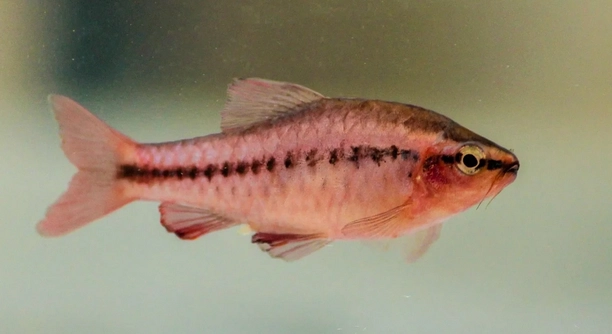
Cherry barbs are a popular and colorful fish that can thrive in various aquarium setups. Their peaceful nature makes them an appealing choice for many hobbyists, but proper tank conditions are important for their well-being.
Cherry barbs can live in bare-bottom tanks as long as the water quality is well-maintained. These tanks require consistent cleaning and filtration to avoid any buildup of waste, which could negatively impact the health of the fish.
Understanding how to maintain a clean and healthy environment for cherry barbs in a bare-bottom tank can make a significant difference in their overall well-being.
Benefits of Bare-Bottom Tanks for Cherry Barbs
Bare-bottom tanks are often preferred for their ease of cleaning. Without a substrate, there’s less debris to accumulate, making maintenance straightforward. This can be especially useful for keeping the water quality high, which is essential for cherry barbs. These fish are sensitive to water conditions, and in a clean environment, they are more likely to thrive.
However, bare-bottom tanks don’t provide hiding spots or natural hiding places, so you’ll need to add some decorations. Plants or rock structures can help cherry barbs feel secure. This is key because, despite their peaceful nature, they still enjoy areas where they can retreat if needed.
Another benefit is that the bare-bottom setup allows for better water flow, ensuring that water circulates freely throughout the tank. This is important for keeping the water fresh and oxygenated, providing a healthier environment for your cherry barbs. With proper care, they can thrive in this minimalist setup.
Maintaining Water Quality in Bare-Bottom Tanks
Maintaining good water quality is critical when keeping cherry barbs in bare-bottom tanks. Regular water changes and efficient filtration are key factors in keeping the environment healthy.
Proper filtration ensures that the water remains clean, removing waste and uneaten food. With a bare-bottom tank, debris is easier to spot, so it’s simpler to clean. However, the water quality depends on your tank’s filtration system, so be sure it’s adequate. Inadequate filtration will lead to poor water conditions, which can stress your cherry barbs.
Monitoring water parameters such as pH, ammonia, and nitrate levels is essential to ensure the tank is safe for your fish. Additionally, testing the water regularly can help prevent any sudden changes that could harm your cherry barbs. Keeping the tank stable and balanced is crucial for their health and longevity.
Potential Drawbacks of Bare-Bottom Tanks for Cherry Barbs
While bare-bottom tanks are easier to maintain, there are some potential drawbacks for your cherry barbs. One issue is the lack of natural substrate, which can lead to stress. In a wild environment, fish like cherry barbs typically live in areas with soft, sandy bottoms. The bare surface might make them feel exposed or uncomfortable.
You can reduce this stress by adding decorations like live plants or driftwood. These additions provide hiding spots and create a more natural environment for your fish. Additionally, bare-bottom tanks may lack the biological filtration provided by substrate, which could lead to an increase in harmful substances in the water.
Despite these challenges, many hobbyists find that cherry barbs adapt well to bare-bottom tanks, as long as the conditions are maintained properly. A balance of good filtration, regular water changes, and adequate tank decorations can create a suitable environment for them to thrive.
Tank Size Considerations for Cherry Barbs
When setting up a bare-bottom tank for cherry barbs, it’s important to choose the right size. A tank that is too small can lead to overcrowding, which increases stress. A minimum of 20 gallons is ideal for a small group of cherry barbs.
The extra space helps maintain stable water parameters. In a larger tank, waste is more diluted, making it easier to manage water quality. It also allows your cherry barbs room to swim freely and establish territories if needed. A bigger tank also provides more flexibility in adding plants and decorations for security.
A well-sized tank can prevent problems like aggression or fin nipping, common in overcrowded tanks. The increased space ensures that each fish has its own area to swim without feeling confined. By choosing the right size, you’ll create a more balanced environment for your cherry barbs.
Filtration Requirements for Bare-Bottom Tanks
Filtration is a key component of maintaining water quality in bare-bottom tanks. Without substrate to trap debris, it’s essential to have a powerful filter that can process the tank’s waste efficiently.
A good filter ensures that ammonia, nitrates, and other harmful substances are removed, keeping the environment safe for your fish. Choose a filter that can handle the size of your tank. For bare-bottom tanks, a hang-on-back or canister filter is often the best option. These types provide strong water circulation, which is important for oxygenating the tank.
Be sure to clean the filter regularly to prevent any clogs or blockages. A filter that’s functioning properly will help prevent algae growth and keep the tank from becoming dirty. Proper filtration is vital for your cherry barbs’ health.
Adding Plants and Decorations to Bare-Bottom Tanks
Adding plants and decorations to a bare-bottom tank is essential for creating a comfortable environment for your cherry barbs. While the bottom of the tank may be bare, adding plants provides hiding spots and creates a more natural feel.
Live plants also help maintain water quality by absorbing excess nutrients. This can reduce algae growth and help stabilize the tank’s ecosystem. Additionally, plants can offer some shade, giving cherry barbs a place to retreat when they feel stressed. Plastic decorations can also work, but they should be smooth to avoid injuring the fish.
Temperature and Lighting for Cherry Barbs
Cherry barbs prefer a stable water temperature between 72°F and 80°F. It’s important to use a reliable heater to maintain this range in your tank.
Lighting should mimic their natural habitat, with a gentle, low to moderate light intensity. Too much light can cause stress and algae growth, while too little light may affect plant growth. A 10 to 12-hour light cycle is ideal.
Regular Water Testing
Regular water testing is crucial to maintaining a healthy tank for cherry barbs. Testing water for ammonia, nitrates, nitrites, pH, and hardness ensures that your fish are living in a safe environment.
Keeping track of water parameters allows you to make adjustments as needed. For example, if the pH shifts too much, you can use water conditioners to stabilize it. Consistent water testing is a proactive approach to preventing issues before they arise.
FAQ
Can cherry barbs live in a bare-bottom tank long-term?
Yes, cherry barbs can live in a bare-bottom tank as long as the water quality is maintained. Regular water changes, efficient filtration, and monitoring of tank conditions are essential. With the right care, they can thrive in this setup.
What are the benefits of bare-bottom tanks for cherry barbs?
Bare-bottom tanks are easy to clean, which helps maintain better water quality. Without substrate, waste and uneaten food don’t get trapped in the gravel, making maintenance simpler. Additionally, bare-bottom tanks provide clear visibility of your cherry barbs and any debris that needs to be cleaned.
Do cherry barbs need hiding spots in a bare-bottom tank?
Yes, cherry barbs are peaceful but still need areas to hide and feel secure. Adding plants, driftwood, or rocks can provide these hiding spots. While cherry barbs aren’t overly shy, having the option to retreat to a safe space is beneficial, especially during times of stress.
How do I maintain water quality in a bare-bottom tank for cherry barbs?
Maintaining good water quality requires a reliable filtration system and regular water changes. In a bare-bottom tank, debris is easier to spot, but you still need to remove waste promptly. Regular testing for ammonia, nitrate, and pH levels helps ensure that the water remains safe for your fish.
Can I add other fish to a bare-bottom tank with cherry barbs?
Yes, you can add other peaceful species to a bare-bottom tank with cherry barbs. However, it’s essential to ensure that the other fish have similar water requirements. Avoid aggressive species that might stress or harm your cherry barbs. Smaller, non-territorial fish make the best tankmates.
Do cherry barbs need a filter in a bare-bottom tank?
Yes, a filter is essential for any tank, including bare-bottom setups. Without substrate to trap debris, a filter helps remove waste, excess food, and toxins from the water. A good filter keeps the tank clean and oxygenates the water, both of which are vital for cherry barbs’ health.
What temperature do cherry barbs prefer in a bare-bottom tank?
Cherry barbs prefer a water temperature between 72°F and 80°F. You’ll need a reliable heater to maintain this range. It’s crucial to avoid drastic temperature fluctuations, as they can stress your cherry barbs. A stable temperature ensures a healthy, thriving tank environment.
Can I use live plants in a bare-bottom tank with cherry barbs?
Yes, live plants work well in a bare-bottom tank. They not only add natural beauty but also help absorb excess nutrients, improving water quality. Plants like Java moss, Anubias, and Vallisneria are ideal. Be sure to provide them with proper lighting and nutrients for optimal growth.
How often should I clean a bare-bottom tank for cherry barbs?
Regular maintenance is necessary to keep the tank clean. You should perform partial water changes every 1-2 weeks, depending on the tank’s size and the number of fish. Cleaning the filter and removing debris from the bottom should be done weekly or as needed.
What size tank is ideal for cherry barbs in a bare-bottom setup?
A 20-gallon tank is a good starting point for a small group of cherry barbs. Larger tanks provide more space and help dilute waste, making it easier to maintain water quality. The larger the tank, the more stable the environment will be, and your cherry barbs will have more room to swim.
Do cherry barbs need special lighting in a bare-bottom tank?
Cherry barbs do best under moderate lighting. Bright lights can stress them and promote unwanted algae growth. A gentle 10-12 hour light cycle is recommended. If you have live plants in the tank, you may need to adjust the light to meet their needs, ensuring both the fish and plants thrive.
How long do cherry barbs live in a bare-bottom tank?
Cherry barbs typically live for 3 to 5 years, depending on water quality and overall care. In a well-maintained bare-bottom tank, they can live out their full lifespan, but poor water quality, improper temperature, or lack of proper care can reduce their life expectancy.
Is it okay to use plastic decorations in a bare-bottom tank with cherry barbs?
Plastic decorations can be used, but they must be smooth and free of sharp edges. Rough decorations could damage your cherry barbs’ delicate fins. You can also use silk plants or soft decorations to provide hiding places and improve the overall tank environment.
Can cherry barbs eat algae in a bare-bottom tank?
Cherry barbs will nibble on algae if available, but they are not considered efficient algae eaters. While they may help control minor algae growth, you will likely need other algae-eating species like snails or shrimps to keep the tank clean.
Do I need a substrate if I have cherry barbs in a bare-bottom tank?
No, a substrate isn’t necessary for cherry barbs in a bare-bottom tank. In fact, a bare-bottom tank can be easier to maintain. However, you can add a small amount of substrate or use decorations to simulate a more natural environment if desired.
Are cherry barbs good for beginners in bare-bottom tanks?
Yes, cherry barbs are an excellent choice for beginners, including those setting up bare-bottom tanks. They are hardy and adaptable to various conditions. As long as you maintain proper water quality and tank conditions, cherry barbs will do well in a bare-bottom setup.
Final Thoughts
Cherry barbs are a great choice for aquarium enthusiasts, especially in bare-bottom tanks. They are hardy fish that can adapt to different environments when provided with proper care. Although they can live in a bare-bottom setup, it’s important to focus on water quality, proper filtration, and providing the right conditions for them to thrive. Bare-bottom tanks can make maintenance easier, as debris is more visible and easier to remove. However, they still require careful attention to ensure that the environment remains stable and comfortable for the fish.
While cherry barbs are relatively low-maintenance, ensuring a balanced habitat is key to keeping them healthy. Adding plants, decorations, and hiding spots will make the tank feel more natural and provide your fish with the opportunity to explore. Live plants can help maintain water quality by absorbing nutrients, which reduces the risk of algae growth. Having a stable temperature and proper filtration is also crucial to creating a healthy environment. Regular water testing and maintenance will help you keep track of the tank’s conditions and adjust as needed.
In conclusion, a bare-bottom tank can be a good option for cherry barbs as long as you manage the water quality and provide enough hiding spots. They are an excellent fish for beginners, offering a beautiful and peaceful addition to your aquarium. By paying attention to their needs, like temperature, lighting, and filtration, you can ensure they thrive in this type of setup. A bare-bottom tank may require a bit more effort in terms of maintaining water quality, but with the right care, your cherry barbs will enjoy a happy and healthy life.

Hello,
If you enjoy the content that we create, please consider saying a "Thank You!" by leaving a tip.
Every little bit helps us continue crafting quality advice that supports the health, happiness, and well-being of pets around the world, for pets of all shapes, sizes, and species.
We really appreciate the kindness and support that you show us!