
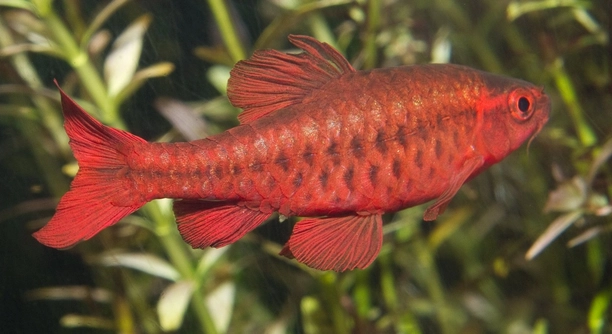
Cherry barbs are generally peaceful fish, but at times, they may show aggression. Understanding the triggers behind this behavior can help you provide a more harmonious environment for your tank. Let’s explore these potential causes.
Aggression in cherry barbs can be triggered by factors like overcrowding, territorial disputes, poor water conditions, or stress from sudden changes. A lack of hiding spaces or compatible tank mates can also contribute to this behavior.
Identifying and addressing these triggers can help keep your cherry barbs calm. With a better understanding of these factors, you can create a peaceful environment where your fish thrive.
Overcrowding in the Tank
When there are too many fish in the tank, cherry barbs can become stressed and territorial. They may feel the need to defend their space, which can lead to aggression. Fish often need personal space to feel secure, and overcrowding removes that.
Fish in a crowded tank might fight for resources like food and space, which triggers stress. Cherry barbs are particularly sensitive to these conditions. This stress can escalate into aggression, causing fights between the fish. If you’re planning to add more fish to your tank, make sure there is enough room for everyone.
To avoid overcrowding, consider the size of your tank and the number of fish. A good rule of thumb is to allow 1 inch of fish per gallon of water. Keeping fewer fish in the tank can lead to less competition and more peaceful interactions. Proper filtration and regular water changes are also crucial to maintaining a healthy environment for your fish.
Territorial Behavior
Cherry barbs are territorial, especially when they feel their space is being invaded.
Fish will defend their territory, and this behavior can lead to aggression. Cherry barbs are no exception. Males, in particular, may act aggressively toward each other when competing for the best spots. Setting up hiding spaces or plants can help reduce these territorial disputes.
Poor Water Quality
Bad water conditions are a major cause of stress for cherry barbs, which leads to aggression. Poor water quality can trigger health issues, making the fish more irritable and likely to fight. Regular testing and maintenance are essential for their well-being.
Cherry barbs thrive in clean water with stable temperature, pH, and hardness levels. When the water gets too dirty or the conditions fluctuate too much, it can cause distress. This stress results in heightened aggression, as the fish struggle to adapt to unfavorable environments. To keep your fish calm, monitor the water closely and perform regular water changes.
To maintain healthy water quality, invest in a good filtration system. This will help remove waste and excess food that pollute the water. Make sure to test the water regularly, especially if you notice changes in your fish’s behavior. When conditions improve, aggression will often decrease, helping your cherry barbs feel more at ease.
Stress from Changes in the Environment
Sudden changes in the environment can stress out cherry barbs, making them more likely to act aggressively.
When you move the tank, change the water temperature drastically, or introduce new decorations, it can unsettle your fish. Cherry barbs are sensitive to these changes and might become defensive or irritable. Avoid making sudden changes that could trigger unnecessary stress. Always introduce new elements gradually and make sure the tank’s conditions remain stable.
If you need to rearrange the tank or make changes, give your fish time to adjust. Keep the lighting and water conditions steady, and avoid overfeeding, which can make the situation worse. A stable, familiar environment will help your cherry barbs feel safe and reduce aggression. Make adjustments slowly and observe their behavior closely.
Incompatible Tank Mates
Cherry barbs can become aggressive when paired with incompatible fish. Certain species may provoke stress or territorial behavior, leading to fights. Choosing the right tank mates is key to preventing aggression in your cherry barbs.
Fish that are too large or too aggressive will often cause stress for cherry barbs. Species like cichlids or fast-moving fish might bully your cherry barbs, making them feel threatened. This can result in increased aggression or hiding behavior. To avoid this, choose peaceful, small fish that get along well with barbs, ensuring a calm environment.
Lack of Hiding Spaces
Without enough places to hide, cherry barbs can become more stressed and defensive.
Adding plants, rocks, and decorations to the tank gives the fish options to retreat when feeling threatened. These hiding spots help reduce stress and promote a more peaceful atmosphere. Providing these spaces allows cherry barbs to feel secure, leading to fewer conflicts.
Mating Behavior
Cherry barbs can show aggression when males compete for females during breeding.
Mating can trigger territorial behavior, especially among males. They might chase or nip at each other to win the attention of a female. To reduce the intensity of this aggression, try keeping a higher ratio of females to males, as it helps spread the competition.
FAQ
What are common signs of aggression in cherry barbs?
Cherry barbs show aggression through behaviors like chasing, nipping, or hiding. When they feel threatened, males might act more aggressively toward other males. The aggression could also include constant flaring of fins, or territorial displays. If these signs are frequent, it’s a sign of stress or discomfort.
How can I reduce aggression in cherry barbs?
To reduce aggression, start by ensuring the tank is not overcrowded. Provide hiding spots like plants and decorations, which allow the fish to feel secure. Also, make sure the water quality is good and avoid drastic changes. A stable environment can go a long way in calming aggressive behavior.
Can cherry barbs live with other types of fish?
Yes, cherry barbs are peaceful but can become aggressive with certain fish. Choose tank mates that are peaceful and similar in size. Avoid large or aggressive species, as they can intimidate cherry barbs. Species like tetras, rasboras, and small catfish are great companions.
What is the ideal tank size for cherry barbs?
A tank of at least 20 gallons is recommended for a small group of cherry barbs. More space gives them room to swim and reduces stress, which can lead to aggression. Larger tanks also help maintain better water quality and provide more hiding spots, creating a calmer environment.
Can water temperature affect cherry barb aggression?
Yes, sudden changes in water temperature can cause stress and aggression. Cherry barbs prefer water temperatures between 72°F to 80°F. Keeping the temperature stable within this range helps keep them calm. Avoid fluctuations, as they can create an uncomfortable environment, leading to aggressive behavior.
How often should I change the water in my cherry barb tank?
It’s important to do partial water changes every week, especially in smaller tanks. Change about 20-30% of the water weekly to maintain good water quality. This will help reduce stress and aggression caused by poor water conditions. If your tank has a good filtration system, you may need fewer changes.
Do cherry barbs need specific water conditions?
Cherry barbs prefer soft to medium-hard water with a slightly acidic to neutral pH, typically between 6.0 and 7.5. They thrive in stable water conditions, so avoid drastic shifts in pH or hardness. Regular testing of water parameters will help ensure your barbs are comfortable and less likely to show aggression.
Can the diet affect aggression in cherry barbs?
Yes, a poor or unbalanced diet can contribute to stress and aggression. Feeding cherry barbs a varied diet of high-quality pellets, flakes, and occasional live foods helps keep them healthy and happy. Overfeeding can also lead to water quality issues, which can increase aggression. Keep feeding portions controlled to avoid stress.
How can I tell if my cherry barbs are stressed?
Stressed cherry barbs may show signs like hiding, reduced activity, faded colors, or erratic swimming. They might also become more aggressive toward other tank mates. If you notice these signs, check water quality, temperature, and tank conditions, as stress is often caused by environmental factors.
Will adding more females reduce aggression among male cherry barbs?
Yes, keeping a higher ratio of females to males can help reduce aggression. In a group of males, competition for females can trigger fighting. If you add more females, the males will have less competition, which can lower aggression. A ratio of two or three females per male is ideal.
Can I prevent aggression by adding more cherry barbs?
Adding more cherry barbs can help, but only if your tank has enough space. Having a larger group can reduce aggression by spreading out any territorial behavior and promoting natural schooling behavior. However, overcrowding can have the opposite effect, so ensure you stay within the tank’s capacity.
Do cherry barbs get along with other types of barbs?
Cherry barbs can get along with other types of barbs, but it depends on the species. Some barbs can be more aggressive than others. When mixing different species, always ensure that they are peaceful and not territorial. Avoid mixing with aggressive barbs like tiger barbs, as this can lead to fighting.
Final Thoughts
Cherry barbs are generally peaceful fish, but certain factors can trigger aggression. Overcrowding, poor water quality, and incompatible tank mates are some of the most common causes. It’s essential to create an environment where these triggers are minimized to help your cherry barbs stay calm and comfortable. A little attention to tank conditions and the way you set up your aquarium can go a long way in preventing unnecessary stress and aggression.
To keep your cherry barbs happy, make sure the tank is spacious enough to avoid overcrowding. Ensure proper filtration and maintain good water quality with regular water changes. Adding plenty of hiding spaces in the form of plants, rocks, or decorations helps give your fish a sense of security. A well-maintained environment promotes a peaceful atmosphere, allowing the fish to feel safe and interact in a more harmonious way. Remember, cherry barbs also need compatible tank mates. Choose peaceful species that are of similar size to avoid causing stress among the fish.
While aggression is a natural behavior in fish, it can often be avoided with simple adjustments. Monitoring water quality, providing ample space, and creating a comfortable, low-stress environment are key to keeping your cherry barbs calm. If you notice any signs of aggression, it’s important to address the root causes quickly. By doing so, you’ll create a better environment for your cherry barbs to thrive, reducing the chances of fights and ensuring they stay healthy and happy.

Hello,
If you enjoy the content that we create, please consider saying a "Thank You!" by leaving a tip.
Every little bit helps us continue crafting quality advice that supports the health, happiness, and well-being of pets around the world, for pets of all shapes, sizes, and species.
We really appreciate the kindness and support that you show us!