
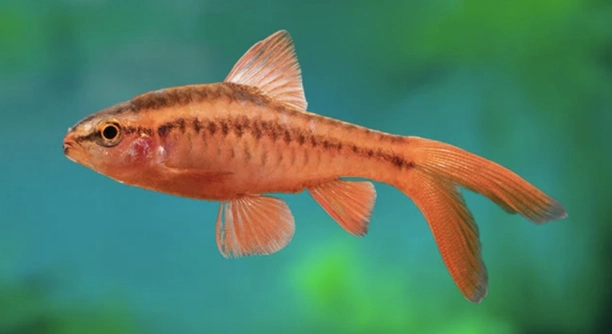
Cherry barbs and shrimp can coexist in a tank, but their interaction may not always be harmonious. The key is understanding their behavior and ensuring the right environment for both species.
Cherry barbs and shrimp can form a peaceful bond if provided with enough space and suitable tank conditions. However, cherry barbs may sometimes nip at smaller shrimp, particularly if the shrimp are not well-hidden or protected.
Ensuring their comfort and safety is crucial to fostering a healthy relationship in your aquarium.
Tank Conditions for Cherry Barbs and Shrimp
Creating the right environment for both cherry barbs and shrimp is essential to ensuring they live peacefully together. Cherry barbs, known for their lively nature, can be territorial at times, so it’s crucial to give them enough space to swim. Shrimp, on the other hand, prefer hiding spots to stay safe from potential threats. To avoid conflicts, ensure the tank is well-planted with plenty of hiding spaces. The water temperature should be consistent, ranging from 72-78°F (22-26°C), and the pH should stay between 6.5 and 7.5. A well-maintained tank with proper filtration will also help reduce stress on both species.
A balanced aquarium setup will support the health of both cherry barbs and shrimp. Without this, stress can lead to aggression or weakened immune systems.
Maintaining stable water parameters and providing hiding spots for shrimp will reduce any potential conflicts with cherry barbs. Adding plants, rocks, or caves can provide shrimp with necessary cover, allowing both species to thrive.
Feeding Behavior in a Shared Tank
When it comes to feeding, cherry barbs and shrimp have different needs. Cherry barbs are omnivores and will scavenge for a variety of food, including flakes, pellets, and live foods. Shrimp, however, are detritivores, meaning they primarily feed on algae, biofilm, and leftover food. To prevent competition, make sure that food reaches all areas of the tank. You can use sinking pellets or wafers for the shrimp while floating foods or flakes will cater to the barbs. This ensures that both species have access to the appropriate food without interfering with one another.
Both species benefit from the natural cleanup process in the tank. Leftover food that falls to the bottom of the tank will be consumed by shrimp, helping to keep the environment clean. Cherry barbs will also graze on algae and other detritus, but they might not be as efficient as shrimp in this regard. It’s important to avoid overfeeding, as excess food can pollute the water, affecting both the shrimp and the fish.
Proper feeding practices will keep your cherry barbs and shrimp healthy while preventing them from becoming territorial over food.
Compatibility Between Cherry Barbs and Shrimp
Cherry barbs can generally coexist with shrimp if the environment is right. While the fish may not actively hunt the shrimp, their curiosity can lead them to investigate. This can be stressful for the shrimp, particularly smaller ones. Proper tank setup with plenty of hiding spaces helps reduce such stress.
Shrimp are typically peaceful, but their small size makes them vulnerable in a tank with active swimmers like cherry barbs. To improve compatibility, ensure that your tank has dense plants and decorations where shrimp can retreat. A larger tank will also help by providing more space for both species to coexist without feeling crowded. Cherry barbs usually won’t bother shrimp unless they are hungry or feel threatened, making a peaceful relationship more likely with the right precautions.
Understanding the behavior of both species is key to fostering a peaceful environment. Cherry barbs are generally social fish, but their tendency to nip when hungry can lead to conflict. By maintaining a balanced setup, you can minimize risks and help both thrive.
Tank Size and Space Considerations
Providing enough space is crucial for both species. Cherry barbs are active fish that need room to swim freely. A tank that is too small can cause stress and territorial issues, especially in a setup that also includes shrimp. A 20-gallon tank is the minimum size recommended for a small group of cherry barbs and shrimp.
In a larger tank, the barbs have more room to swim and establish territories, which reduces aggression. Additionally, the increased space allows shrimp to find better hiding spots, helping them feel more secure. The overall goal is to create a tank that allows both species to coexist comfortably, reducing the chances of stress or conflict.
A spacious tank promotes a healthier environment. Without proper space, both species may feel confined, leading to territorial disputes or stress. By investing in a larger tank, you’re ensuring a more harmonious living situation for both the shrimp and the cherry barbs.
Potential Risks to Shrimp from Cherry Barbs
While cherry barbs are generally peaceful, their active nature can sometimes pose a risk to shrimp. The main concern is that they may chase or nip at the shrimp, especially if the shrimp are small or slow-moving. This behavior could cause stress or injury to the shrimp.
Smaller shrimp are more likely to be seen as prey by cherry barbs, particularly if they are in a smaller tank with limited hiding spots. Cherry barbs may also get curious and chase the shrimp, especially during feeding times. A well-planted tank can mitigate these risks by giving shrimp places to retreat when necessary.
Avoiding Aggression in a Shared Tank
To avoid aggression, ensure your cherry barbs are well-fed and not overly hungry. If they are constantly seeking food, they might harass the shrimp in their search for a snack. Feeding them regularly will reduce the chances of them bothering the shrimp out of hunger.
Another way to minimize aggression is by providing plenty of plants, rocks, and hiding places where shrimp can retreat when needed. This not only keeps the shrimp safe but also allows the cherry barbs to enjoy their space. By setting up the tank carefully, you can create a peaceful environment for both species.
Proper Tank Maintenance for Both Species
Maintaining a clean and well-filtered tank is essential for both cherry barbs and shrimp. Regular water changes and good filtration will help ensure that the water remains healthy and free from harmful toxins. Shrimp are particularly sensitive to poor water quality, so proper maintenance is key to their survival.
Keeping the tank free from debris and uneaten food also reduces the chance of algae or bacteria build-up, which can affect both species. Regular monitoring of water parameters, such as temperature, pH, and ammonia levels, is important for preventing any issues that could harm the inhabitants.
FAQ
Can cherry barbs harm shrimp?
Cherry barbs can sometimes harm shrimp, especially if the shrimp are small or slow-moving. Although cherry barbs are generally peaceful, their active nature may lead them to chase or nip at shrimp. This behavior can stress the shrimp, causing injury or even death. The risk is higher when shrimp have limited hiding spaces or if the tank is overcrowded. However, in a well-planted tank with ample hiding spots for the shrimp, the risk of harm is significantly reduced.
Are shrimp safe from cherry barbs in a large tank?
A larger tank can provide more space for both cherry barbs and shrimp, which reduces territorial behavior and aggression. In a spacious tank, the shrimp can find better hiding spots to avoid the barbs’ attention. However, it’s important to keep in mind that cherry barbs are still active fish that might chase smaller shrimp, particularly during feeding times. While the risk decreases in a larger tank, it’s not eliminated entirely. Proper tank setup and care are essential to ensure the safety of the shrimp.
Do cherry barbs eat shrimp?
Cherry barbs typically do not eat fully grown shrimp, but they may attempt to eat smaller or younger shrimp, especially if the shrimp are weak or unable to find cover. In nature, cherry barbs are omnivores, feeding on a variety of plant material and small invertebrates. While they are not natural predators of shrimp, their curiosity and active nature can lead them to chase and bite small shrimp. The best way to protect shrimp is by providing a tank with plenty of hiding spots and by maintaining a proper feeding schedule for the barbs.
How can I prevent cherry barbs from attacking shrimp?
To prevent cherry barbs from attacking shrimp, create a tank environment that minimizes stress and provides ample hiding spots for shrimp. Dense plants, rocks, and caves can help shrimp feel safe. A tank with a minimum of 20 gallons allows enough space for both species to thrive without feeling crowded. Regularly feeding the cherry barbs can also prevent them from becoming overly hungry and potentially aggressive. Additionally, you can consider adding more shrimp to the tank to disperse any attention the barbs might direct at individual shrimp.
Can shrimp and cherry barbs live together peacefully?
Shrimp and cherry barbs can live together peacefully if certain precautions are taken. The key is providing enough space, hiding spots, and proper care for both species. Cherry barbs are generally peaceful but may become curious or territorial. Shrimp, especially smaller ones, are more vulnerable to being chased or nipped. By ensuring your tank is large enough, well-planted, and well-maintained, you can reduce potential conflicts and encourage peaceful cohabitation. Monitoring their behavior regularly and adjusting the setup if necessary will also help.
How many shrimp should I keep with cherry barbs?
The number of shrimp you can keep with cherry barbs depends on the size of your tank and the number of cherry barbs. In a 20-gallon tank, a small group of cherry barbs (about 4-6) and 6-8 shrimp can coexist without major issues. Keeping a larger number of shrimp can help reduce individual stress, as there will be more opportunities for them to find refuge. However, the more shrimp you have, the more you should focus on tank maintenance, as the increased bioload can affect water quality.
What types of shrimp are best suited for a tank with cherry barbs?
The best types of shrimp for a tank with cherry barbs are those that are small but capable of hiding when necessary. Species like the Cherry Shrimp (Neocaridina davidi) and Amano Shrimp (Caridina multidentata) are commonly kept with cherry barbs. Both of these species are hardy and adaptable, but they still require the protection of plants and decorations in the tank. Avoid keeping very small shrimp, such as Ghost Shrimp, as they may be more vulnerable to cherry barbs’ curiosity and occasional nipping.
Will cherry barbs attack adult shrimp?
Cherry barbs are less likely to attack adult shrimp, especially if the shrimp are well-established in the tank and have plenty of hiding spaces. However, they may still display curious behavior and nip at shrimp, particularly if the shrimp are new to the tank or are smaller in size. Adult shrimp are less likely to be seen as prey, but their movement and activity might still attract the barbs. Ensuring that your tank setup includes plenty of cover for the shrimp can help reduce the likelihood of aggression from the barbs.
How can I keep the shrimp safe from cherry barbs?
To keep shrimp safe from cherry barbs, focus on providing a tank with dense plant life, rocks, and decorations where shrimp can hide. The more hiding spots available, the better chance shrimp have of avoiding unwanted attention from the barbs. Keeping the cherry barbs well-fed is also important, as they are less likely to harass shrimp when they are not hungry. Additionally, using a tank divider or separate sections of the tank for smaller shrimp can give them a safe area away from the more active cherry barbs.
Do cherry barbs and shrimp compete for food?
Cherry barbs and shrimp can compete for food in a shared tank, but their feeding habits differ. Cherry barbs are opportunistic feeders, eating a variety of foods that float or sink in the tank. Shrimp, however, feed mostly on algae, biofilm, and detritus, with occasional supplementation from sinking pellets or food scraps. To prevent competition, it’s important to provide foods that cater to both species. You can use sinking pellets for the shrimp while floating flakes or pellets for the cherry barbs. This way, both species can access their preferred food without conflict.
Final Thoughts
When keeping cherry barbs and shrimp together, the key to a successful tank setup lies in careful planning and understanding the needs of both species. Cherry barbs are generally peaceful fish but can be active and curious. This may lead them to chase or nip at shrimp, especially smaller ones. By providing ample hiding spots, plants, and rocks, you can help the shrimp feel secure and reduce the chances of any aggression. A larger tank size can also help by offering enough space for both species to thrive without feeling crowded or stressed.
Although shrimp and cherry barbs can live together peacefully, the relationship largely depends on tank setup and maintenance. Ensuring that the water quality remains optimal and feeding both species properly can minimize competition and reduce the risk of aggression. Cherry barbs are less likely to bother shrimp when they are well-fed and occupied with their own activities. It’s also important to choose the right type of shrimp, as some species are more resilient and able to handle the presence of active fish. Shrimp like Amano or Cherry Shrimp are more suitable for a tank with cherry barbs due to their ability to handle stress better than more delicate species.
Ultimately, the success of keeping cherry barbs and shrimp together relies on providing an environment where both species can coexist without harm. This includes creating a tank with plenty of hiding places, maintaining proper water conditions, and ensuring that both species have enough food and space. Regular monitoring of their behavior and tank conditions will help address any issues early. With the right setup, cherry barbs and shrimp can live together harmoniously, allowing both species to enjoy the benefits of a well-balanced tank.

Hello,
If you enjoy the content that we create, please consider saying a "Thank You!" by leaving a tip.
Every little bit helps us continue crafting quality advice that supports the health, happiness, and well-being of pets around the world, for pets of all shapes, sizes, and species.
We really appreciate the kindness and support that you show us!