
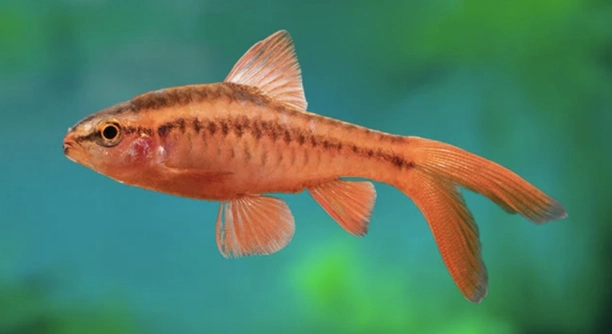
Have you ever wondered how cherry barbs react when their tank is left in darkness for extended periods of time? These small, active fish rely on light to regulate their behavior and maintain their health and routines.
When cherry barbs are left in darkness, they may experience increased stress, disrupted circadian rhythms, and a decline in overall health. Prolonged darkness can alter feeding habits, reduce activity levels, and impair the immune system over time.
Understanding the effects of darkness helps ensure your cherry barbs stay healthy, active, and comfortable in their environment every day.
How Darkness Affects Cherry Barb Behavior
When cherry barbs are kept in darkness for long periods, their behavior starts to change. These fish are naturally active during the day and rely on a consistent light-dark cycle to regulate their daily routines. Without light, they may become less active, showing reduced interest in swimming or exploring their environment. Over time, this inactivity can lead to weight loss and lethargy. In some cases, they may also exhibit signs of anxiety, such as erratic swimming or hiding more than usual. A consistent lighting schedule is essential to help them feel safe and stay active in their tank.
A lack of light affects their ability to distinguish between day and night. This confusion disrupts their internal rhythm, leading to inconsistent activity and feeding patterns.
Without proper lighting, cherry barbs may miss feeding times or stop eating altogether. Their metabolism slows, and their immune system becomes weaker, making them more prone to illness or infection. In a dark environment, they may no longer interact with tank mates as they usually would, which could create stress and territorial tension. These issues can build up over time, affecting both individual fish and the group dynamic. Ensuring regular exposure to light each day helps maintain their overall health and social behavior.
Long-Term Consequences of Darkness
Cherry barbs that remain in darkness too often may become sick more frequently. A lack of stimulation, irregular sleep, and poor feeding habits all contribute to a weakened body.
Over extended periods, darkness can cause significant health decline in cherry barbs. Their immune systems become compromised, making them vulnerable to infections, parasites, and poor wound healing. Eye health can also suffer, especially if the fish strain to adjust in low-light conditions for too long. Stress from the absence of natural rhythm affects their hormones, which may cause further complications in digestion and organ function. Reproductive behaviors may also be disrupted, leading to fewer or no breeding attempts in community tanks. Additionally, the tank may become imbalanced without regular light, leading to changes in algae levels and water chemistry that harm their habitat. By keeping lighting consistent, you help reduce health risks and support your cherry barbs’ physical and behavioral well-being.
Adjusting Light for Healthy Cherry Barbs
Cherry barbs do best with 8 to 12 hours of light per day. A consistent lighting schedule helps them feel safe, encourages natural behaviors, and supports their feeding and rest patterns in a stable environment.
Using a timer on your aquarium light is one of the easiest ways to maintain consistency. This helps simulate a natural day-night cycle without needing to remember to switch lights manually. Try to place the tank away from direct sunlight to avoid temperature fluctuations and algae growth. If your home gets dark early, a timer can provide steady light until bedtime. Always check that the light intensity is not too harsh, as strong lighting can stress the fish. A standard LED aquarium light works well for most setups. These are energy-efficient and provide a gentle brightness that mimics daylight without overwhelming the tank environment.
Avoid turning the tank light on and off randomly throughout the day. This can confuse your cherry barbs and lead to irregular behavior. Sudden shifts between dark and light may cause them to dart or hide, thinking there’s danger. Keep changes gradual and predictable. If needed, add live plants to help soften light and create shaded spots. This gives the fish more control over how much light they’re exposed to, reducing stress and creating a more comfortable environment.
Signs Your Cherry Barbs Need More Light
Cherry barbs that stay hidden, eat less, or lose their bright color may not be getting enough light. Their behavior and appearance often show early signs of stress caused by inconsistent lighting.
Lack of light often leads to dull coloration, especially in males who usually show vibrant red tones. If the tank appears dim for most of the day, cherry barbs might lose interest in their environment and remain inactive. A drop in activity can cause missed feeding times, resulting in weight loss and overall poor health. Another sign to watch for is erratic swimming, which may happen when their sleep and waking cycles are disrupted. You might also notice increased hiding or a sudden change in social behavior, such as aggression or isolation. These are all indicators that your lighting setup might need adjusting. A steady light routine helps restore their rhythm and keeps their tank life peaceful and healthy.
Best Lighting Setup for Cherry Barbs
A full-spectrum LED light is ideal for cherry barbs. It provides balanced brightness without creating too much heat. Make sure the light reaches all corners of the tank so every fish benefits from the exposure.
Keep the light on a timer for consistency. Avoid placing the tank in dark corners or areas with flickering lights. Sudden changes can startle the fish and disrupt their routine.
Impact of Darkness on Tank Environment
Darkness affects more than just the fish. Without light, live plants stop photosynthesizing, which means they produce less oxygen for the tank. Algae growth may slow down, but the water quality can drop if waste is not balanced by plant life. In darker tanks, beneficial bacteria may also be less effective. Over time, this can lead to cloudy water, poor filtration, and more frequent cleanings. Light plays a role in maintaining a healthy ecosystem, not just for cherry barbs but for everything inside the tank. Even artificial plants look better under gentle lighting, making the tank more attractive and easier to monitor.
How to Make Gradual Lighting Changes
Start with shorter light periods and increase them slowly. Sudden bright lights can overwhelm cherry barbs, so easing into a routine helps reduce stress.
FAQ
What is the ideal light cycle for cherry barbs?
Cherry barbs thrive on a consistent 8 to 12-hour light cycle. This mimics their natural environment, where they are active during the day and rest at night. It is important to maintain regularity to avoid confusing them. A timer can be a helpful tool to ensure consistency in the light cycle. Make sure to avoid exposing the tank to abrupt changes in light.
Can cherry barbs live in complete darkness?
While cherry barbs can survive without light for a short time, it’s not ideal for their health. Darkness for extended periods can disrupt their natural behavior, increase stress, and weaken their immune systems. Over time, they may become lethargic, lose their appetite, and even show signs of depression. It is crucial to ensure they receive enough light each day to maintain their natural activity patterns and overall well-being.
Do cherry barbs need a light source at night?
No, cherry barbs don’t need light at night. In fact, they require darkness for a portion of the day to rest and recover. Like all fish, cherry barbs have an internal clock that works with a natural light-dark cycle. A period of darkness helps them sleep and maintain their circadian rhythm.
Can cherry barbs live in low light conditions?
Cherry barbs can tolerate low light, but prolonged exposure can lead to negative effects. Low light can cause them to become inactive, reduce their feeding behavior, and weaken their immune system. If your tank has low light, consider adding live plants that can help with oxygen production and water quality.
How does light affect cherry barb breeding?
Lighting plays a significant role in breeding behavior. If cherry barbs don’t receive enough light or their light schedule is inconsistent, it can disrupt their mating rituals. They may become less interested in breeding and show no desire to court or spawn. Providing a steady and natural light cycle can help trigger breeding behaviors in both males and females.
How do cherry barbs react to sudden changes in light?
Cherry barbs can become stressed when there are sudden changes in light, such as turning the light on or off abruptly. This can lead to erratic swimming, hiding, and even refusal to eat. It’s best to gradually increase or decrease the light levels to allow them time to adjust. A timer will help in avoiding sudden changes.
What type of light is best for cherry barbs?
Full-spectrum LED lights are ideal for cherry barbs. These lights provide the right balance of brightness and color, mimicking natural daylight. They are also energy-efficient and do not generate too much heat, making them suitable for most aquarium setups. Avoid overly bright or harsh lights, as they may cause stress to the fish.
Can cherry barbs tolerate fluorescent lighting?
Yes, cherry barbs can tolerate fluorescent lighting as long as it isn’t too harsh. Fluorescent lights can provide a steady light source, but it’s important to avoid overexposure. A low to medium-intensity fluorescent light works well for creating a natural environment that supports healthy fish behavior.
How does lighting affect the growth of plants in a cherry barb tank?
Lighting is crucial for the growth of plants in your tank, especially if you have live plants. Without sufficient light, plants can’t photosynthesize properly, leading to stunted growth and poor water quality. Providing proper lighting supports plant health, which in turn helps maintain the overall ecosystem of the tank, including oxygen levels and water filtration.
Are there any lighting conditions that can stress out cherry barbs?
Yes, lighting that is too bright, erratic, or inconsistent can stress cherry barbs. They prefer soft, steady light that mimics natural sunlight. Excessively bright lights or constant fluctuations in light intensity can cause them to become anxious and disrupt their feeding and social behaviors. A consistent and moderate light cycle is best for their well-being.
How can I help my cherry barbs adjust to new lighting?
Start by introducing gradual changes to the lighting. Begin with short light periods and increase the duration slowly over time. Avoid sharp transitions, like turning the lights on or off suddenly. Providing dimmer light initially can help ease the transition without overwhelming the fish. You can also add plants to the tank to provide shaded areas for the barbs to retreat if they feel stressed.
How long should cherry barbs be exposed to light each day?
Cherry barbs should be exposed to light for about 8 to 12 hours each day. This mimics the natural day and night cycle and helps them maintain a healthy rhythm. Too much light can cause algae growth and stress the fish, while too little light can lead to inactivity and poor health.
Is natural sunlight okay for cherry barbs?
Natural sunlight can be beneficial but needs to be controlled. Direct sunlight can cause temperature fluctuations, leading to an unstable tank environment. It can also encourage excessive algae growth. If you choose to use natural light, place the tank in an area with indirect sunlight and monitor the water temperature to avoid extremes.
What happens if cherry barbs don’t get enough light?
If cherry barbs don’t get enough light, their activity levels decrease, and they become more vulnerable to stress and illness. They may stop eating, lose their vibrant colors, and start hiding more. Insufficient light can also disrupt their sleep-wake cycles, leading to more serious health issues over time.
Can cherry barbs survive without light for a day or two?
Cherry barbs can survive without light for short periods, like a day or two. However, it’s not ideal, especially if the tank is in darkness consistently. Extended periods of darkness can disrupt their internal clock, cause stress, and affect their feeding and social behaviors. Regular light exposure is important for their health.
How do I fix cherry barbs losing their color?
If your cherry barbs are losing their color, it may be due to stress caused by improper lighting. Ensure that they have a steady and natural light cycle, as erratic lighting can lead to dull colors. Providing proper nutrition and a balanced environment also helps restore their bright hues.
Final Thoughts
Cherry barbs are resilient fish, but their environment plays a significant role in maintaining their health and well-being. Lighting is a crucial factor that often gets overlooked. It influences their behavior, growth, and overall quality of life. Consistent and proper lighting allows them to thrive, promotes their natural patterns, and ensures they remain active and healthy. Without it, they may experience stress, reduced activity, and health problems. A balanced light cycle with proper intensity can go a long way in keeping your cherry barbs happy.
When setting up lighting for your tank, it’s essential to consider both the needs of the fish and the plants. Natural-looking light can mimic the environment cherry barbs are used to, which helps them adjust more easily. Choosing the right type of light—whether LED or fluorescent—depends on your tank’s size, the amount of natural light available, and the plants you have. Avoiding harsh lighting, sudden changes, and ensuring the light cycle is consistent will prevent stress. This simple adjustment can make a noticeable difference in their behavior and appearance.
In the end, providing an optimal light environment for your cherry barbs is key to keeping them healthy and vibrant. They rely on a balanced combination of light and dark to regulate their sleep and activity. Making small adjustments to their lighting conditions can enhance their quality of life, boost their immune systems, and reduce the risk of stress-related health issues. With careful attention, your cherry barbs will thrive in their aquatic home, bringing color and life to your tank.

Hello,
If you enjoy the content that we create, please consider saying a "Thank You!" by leaving a tip.
Every little bit helps us continue crafting quality advice that supports the health, happiness, and well-being of pets around the world, for pets of all shapes, sizes, and species.
We really appreciate the kindness and support that you show us!