
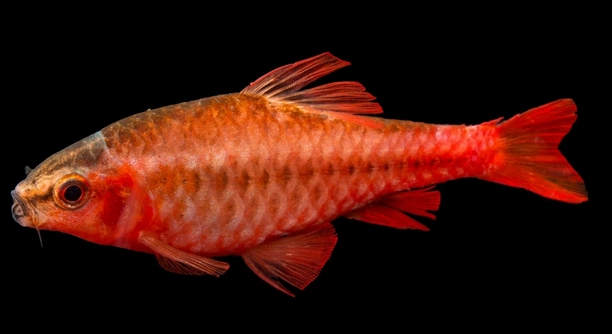
Cherry barbs are popular freshwater fish, but sometimes they stop eating, which can be concerning for their health. If you’ve noticed this change, you’re not alone. It’s important to understand the reasons behind this behavior and how to address it.
When cherry barbs stop eating, it’s usually due to water quality issues, stress, or illness. Ensuring proper tank conditions, reducing stressors, and monitoring their health are key to resolving the problem. Regular tank maintenance is essential for their well-being.
Maintaining good water quality and reducing stress are essential steps in getting your cherry barbs back to healthy eating habits. Understanding these factors will help you keep them happy and thriving in their aquatic home.
Water Quality Issues
One of the most common reasons why cherry barbs stop eating is poor water quality. These fish are sensitive to changes in their environment, especially in terms of ammonia, nitrite, and nitrate levels. If these levels rise too high, it can cause stress and make them less interested in food. It’s important to regularly test the water and perform partial water changes to keep these levels in check. Water temperature is also crucial; it should stay between 74°F and 80°F (23°C to 27°C) to keep the cherry barbs comfortable and active. If the water is too dirty or the temperature fluctuates too much, the fish will likely lose their appetite.
Make sure to use a good filter that removes excess waste and debris from the tank. This will help prevent water quality issues from becoming a long-term problem.
To ensure your fish are thriving, maintain a clean tank and perform water changes every week or two. You may also want to invest in a water testing kit to monitor the health of the water more effectively. Keeping your tank clean and stable will help cherry barbs feel safe and more willing to eat.
Stress Factors
Stress can play a major role in why your cherry barbs aren’t eating. These fish tend to shy away from noisy or overly bright environments. Overcrowding in the tank can also cause stress, leading to a lack of appetite. It’s essential to ensure there are enough hiding spots for them to retreat to if they feel threatened. Additionally, any sudden changes in their environment can make them uneasy and cause a loss of appetite.
Consider adjusting the lighting and making sure the tank has plants or decorations that offer cover. Reducing external disturbances, such as loud noises or excessive movement around the tank, can help reduce stress. Keeping their environment calm and stable encourages healthy eating habits.
Make sure your cherry barbs feel secure and calm by adjusting their environment. Stress can have a lasting effect on their health and well-being. So, small changes to reduce stress might make a big difference in getting them back to their regular feeding routine.
Illness and Parasites
If your cherry barbs aren’t eating, they could be suffering from a health issue. Parasites and illnesses can cause fish to stop feeding. Look for signs like faded colors, abnormal swimming, or unusual spots on their bodies. These symptoms may indicate a bacterial or parasitic infection. Treating the tank with the appropriate medication can help, but it’s essential to diagnose the illness correctly before proceeding.
Isolating the sick fish is a good idea to prevent other fish from getting infected. You can use a quarantine tank for this purpose. Ensure that the quarantine tank has proper filtration and a similar water temperature to reduce additional stress. If a parasite or illness is suspected, consult an aquarium specialist for the best treatment options.
In the case of parasites, some medications can target specific types of infections, while others might be more general. It’s essential to follow the instructions carefully to avoid harming the fish. Regularly check all tank inhabitants for signs of illness and keep the water clean to reduce the likelihood of disease. A healthy environment can prevent many health issues.
Overfeeding or Wrong Food Type
Overfeeding or offering the wrong type of food can also make cherry barbs stop eating. If there’s too much food in the tank, it can create an unhealthy environment that may discourage fish from eating. Leftover food can pollute the water, leading to poor water quality, which, as mentioned earlier, is a common issue for cherry barbs. Make sure to remove uneaten food after 10–15 minutes to maintain a clean tank.
Offering food that’s not suitable for cherry barbs can also be a problem. These fish are omnivores, so they require a balanced diet that includes both plant and protein-based foods. Offering a variety of foods, like high-quality flakes, frozen foods, and occasional live foods, ensures they receive the right nutrition.
If you’re unsure whether the food is appropriate, try switching to a different type or brand. If your cherry barbs continue to refuse food, it could be a sign of stress or illness, and further investigation into their environment may be needed. The right balance of food and feeding schedule can encourage healthy eating habits in your fish.
Tank Mates
Cherry barbs can be sensitive to the behavior of other fish in the tank. Aggressive or overly dominant tank mates might stress them out, leading to a loss of appetite. If other fish are constantly chasing or nipping at your cherry barbs, they may feel threatened and stop eating.
If aggression is the problem, try separating the aggressive fish or moving them to another tank. Ensure that your cherry barbs are kept with peaceful tank mates that won’t cause unnecessary stress. Pay attention to the dynamics of your tank and adjust accordingly to create a peaceful environment for all fish.
Consider species that are naturally more compatible with cherry barbs, such as other peaceful fish like rasboras, tetras, or small catfish. This can help reduce stress and improve your cherry barbs’ eating habits. Keeping the tank balanced and peaceful promotes healthy interactions and a happy feeding routine.
Tank Size
The size of your tank can impact your cherry barbs’ well-being. A tank that’s too small can create stress due to overcrowding, and limited space can lead to difficulty finding food or hiding spots. Make sure your tank provides enough room for your fish to swim freely.
Cherry barbs are small fish, but they still need space to thrive. A tank that’s too small may not allow them to exhibit their natural behaviors, which can lead to stress and eating problems. Ensure that your tank is large enough to house them comfortably, with appropriate filtration and space for them to swim.
If you find that your fish seem restless or less active, it might be a sign that the tank is too cramped. Consider upgrading to a larger tank, ideally at least 20 gallons for a small school of cherry barbs, to give them more room to thrive.
Temperature Fluctuations
Temperature fluctuations can affect the feeding habits of cherry barbs. These fish prefer stable temperatures within the range of 74°F to 80°F (23°C to 27°C). If the water temperature fluctuates too much, it can stress the fish and make them less likely to eat.
Keep the temperature in the ideal range and avoid sudden changes. This can be done by using a reliable heater and thermometer. Consistency is key for maintaining your fish’s appetite and overall health. Avoid placing the tank in areas with direct sunlight or drafts, as these can cause temperature swings.
FAQ
What should I do if my cherry barbs aren’t eating?
If your cherry barbs aren’t eating, the first step is to check the water quality. Poor water conditions, such as high levels of ammonia, nitrites, or nitrates, can cause fish to lose their appetite. Perform a water change to restore clean conditions, and test the water regularly to ensure the parameters are within the ideal range. If the water is in good condition, check for other factors like stress, illness, or tank mates that could be affecting their eating habits. Once these factors are addressed, your cherry barbs should return to normal eating patterns.
How often should I feed my cherry barbs?
Cherry barbs should be fed small amounts of food once or twice a day. It’s important not to overfeed them, as excess food can pollute the tank, leading to poor water quality. Feed them only as much as they can consume within 3–5 minutes to avoid leftover food decaying in the water. A balanced diet that includes both plant-based and protein-based foods is crucial for their health and appetite.
Can cherry barbs go without food for a few days?
Yes, cherry barbs can survive without food for a few days, but it’s not ideal for their long-term health. Fish can tolerate short periods of fasting, especially if they’re in a healthy environment with clean water and stable conditions. However, prolonged fasting can weaken their immune system and cause stress. If you plan to be away for a few days, it’s best to have a friend or automatic feeder provide food during your absence.
Why are my cherry barbs not eating after introducing new tank mates?
Cherry barbs can become stressed when new fish are introduced to their tank. Stress from territorial disputes or aggression from other fish can cause them to stop eating. It’s important to monitor the interactions between the fish and ensure that the new tank mates are peaceful and compatible with cherry barbs. Adding hiding spots and plants can help reduce stress by giving your fish places to retreat and feel safe. If the issue persists, you may need to remove the aggressive tank mates.
Is it normal for cherry barbs to stop eating during breeding?
Yes, it’s normal for cherry barbs to lose interest in food during breeding. When preparing to spawn, they can become more focused on mating behaviors than on eating. During this time, they might appear less active and refuse food temporarily. After the breeding process is complete, they should resume their normal eating habits. If they are not eating for an extended period, however, it’s important to check their environment for other stressors or health issues.
Can water temperature affect my cherry barbs’ appetite?
Yes, water temperature plays a significant role in the appetite and overall health of cherry barbs. These fish prefer temperatures between 74°F and 80°F (23°C to 27°C). If the water temperature is too low or fluctuates too much, it can cause stress and decrease their appetite. Keeping the temperature stable within the ideal range will help keep them comfortable and encourage normal eating habits. Use a reliable heater and thermometer to monitor the tank’s temperature.
How do I know if my cherry barbs are sick?
Signs that your cherry barbs may be sick include faded or discolored scales, abnormal swimming behavior, clamped fins, or noticeable spots or lesions on their bodies. A loss of appetite is often an early sign of illness. If you notice these symptoms, it’s important to isolate the sick fish in a quarantine tank to prevent the spread of disease to other tank mates. Consult an aquarium professional for advice on the proper treatment for specific illnesses or parasites.
Can overfeeding cause cherry barbs to stop eating?
Yes, overfeeding can cause cherry barbs to stop eating. If too much food is added to the tank, it can lead to poor water quality, which may cause your fish to lose their appetite. Overfeeding also increases the risk of uneaten food decaying and creating toxins in the tank. It’s essential to feed cherry barbs in moderation and remove any leftover food after 3–5 minutes. This will prevent overfeeding and maintain a healthy tank environment for your fish.
What do cherry barbs like to eat?
Cherry barbs are omnivores and enjoy a varied diet. A high-quality flake food or pellet designed for tropical fish should be their staple diet. They also appreciate occasional live or frozen foods like brine shrimp, daphnia, or bloodworms. Offering them a mix of plant-based foods, such as algae wafers or blanched vegetables, will also ensure they get the necessary nutrients. Be sure to vary their diet to keep them healthy and stimulate their appetite.
Can I add live plants to my cherry barb tank?
Yes, adding live plants to your cherry barb tank is a great idea. Not only do plants help improve water quality by absorbing excess nutrients, but they also provide hiding spots and reduce stress for your fish. Cherry barbs enjoy swimming among plants, and the natural environment can help them feel more secure and comfortable. Plants like Java Fern, Anubias, and Amazon Swords are great choices for cherry barb tanks. Just be sure to maintain the plants and remove any dead or decaying leaves regularly.
Should I use a quarantine tank for sick cherry barbs?
Yes, using a quarantine tank for sick cherry barbs is highly recommended. When one fish becomes ill, isolating them in a separate quarantine tank helps prevent the spread of disease to other fish. The quarantine tank should have similar water conditions and temperature as the main tank to reduce additional stress. It’s also easier to monitor and treat the sick fish in a separate tank. Make sure to avoid adding any new fish to the main tank until the sick fish has recovered completely.
Final Thoughts
Cherry barbs are relatively easy to care for, but like all fish, they can experience issues that affect their health and eating habits. If your cherry barbs have stopped eating, it’s important to consider a few key factors like water quality, stress, tank mates, and illness. Poor water conditions are often the root cause, so regularly testing the water and performing water changes is essential. A clean, stable environment is crucial for keeping your fish happy and healthy. Monitoring the temperature and ensuring it remains within the right range also plays a big role in maintaining their appetite and overall well-being.
Stress is another common issue for cherry barbs. If they feel threatened by aggressive tank mates or changes in their environment, they may stop eating. Ensuring that your tank is peaceful and that your cherry barbs have plenty of hiding spots can reduce stress and encourage normal feeding behavior. It’s also important to consider the other fish in the tank. While cherry barbs are generally peaceful, they can become stressed by overly dominant or aggressive species. If you notice this behavior, you might need to adjust the tank layout or remove the aggressive fish.
In most cases, cherry barbs should return to eating once the underlying issue is addressed. It may take some time for them to feel comfortable again, so patience is key. Offering a varied diet, maintaining proper water conditions, and reducing stress can go a long way in getting your fish back on track. If problems persist, it’s always best to consult with an aquarium expert or veterinarian to rule out any underlying health issues. With the right care, your cherry barbs will resume their healthy eating habits and thrive in their aquatic home.

Hello,
If you enjoy the content that we create, please consider saying a "Thank You!" by leaving a tip.
Every little bit helps us continue crafting quality advice that supports the health, happiness, and well-being of pets around the world, for pets of all shapes, sizes, and species.
We really appreciate the kindness and support that you show us!