
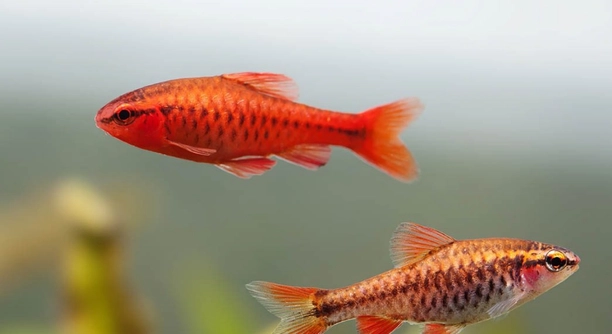
Cherry barbs are popular freshwater fish known for their peaceful nature. They are commonly kept in aquariums, but some fish enthusiasts may wonder if they can adapt to brackish water environments.
Cherry barbs are primarily freshwater fish, but they can tolerate brackish water in certain conditions. However, long-term exposure to brackish water can be detrimental to their health. They require stable salinity levels to thrive and should be monitored carefully.
Understanding how to maintain proper water conditions for your cherry barbs is essential for their wellbeing. Keep reading to learn more about their care requirements in different water environments.
Cherry Barbs and Freshwater Environments
Cherry barbs are commonly found in freshwater aquariums, thriving in stable, clean water. They enjoy temperatures between 72°F to 80°F and a slightly acidic to neutral pH range. Their peaceful nature makes them a great addition to community tanks, often coexisting well with other species. In a well-maintained freshwater environment, these fish flourish, displaying their vivid red coloring.
They are also quite adaptable to various water conditions but can suffer if water quality drops. Regular water changes, proper filtration, and the right temperature range are crucial. Cherry barbs will display their best colors when kept in conditions that mimic their natural habitat.
While cherry barbs can tolerate slight changes in water parameters, consistent, optimal conditions are necessary for long-term health. A balanced aquarium setup with live plants and a gentle water flow will ensure your cherry barbs remain active and healthy for years to come.
What Happens in Brackish Water?
Brackish water, a mixture of freshwater and saltwater, presents challenges for freshwater fish like cherry barbs. While they can tolerate low levels of salinity, their long-term health can be compromised if exposed to it regularly. Salt may irritate their skin and gills, causing stress and weakening their immune systems.
Keeping cherry barbs in brackish water requires careful monitoring of salinity levels. Too much salt can cause dehydration, leading to illness. It’s best to limit their exposure to brackish conditions, especially over extended periods, to avoid stressing the fish. A proper salinity balance must be maintained to prevent harm.
If you’re considering placing cherry barbs in brackish water, consider their limited tolerance. Provide them with freshwater environments most of the time and only introduce salt gradually. This approach ensures they can adapt without facing severe health risks.
Tolerating Brackish Water for Short Periods
Cherry barbs can tolerate brackish water for short periods, but it’s important to monitor their health closely. Exposure to low salinity levels doesn’t immediately harm them but can cause stress over time. If you need to introduce them to brackish conditions, make the transition gradual.
When introducing cherry barbs to brackish water, ensure the salinity is at a manageable level, around 1.005 specific gravity. You should monitor their behavior closely for signs of stress or discomfort. Symptoms like rapid gill movement, faded colors, or lethargy could indicate they’re struggling with the water conditions. Regular water testing will also help you keep track of salinity levels.
Maintaining a stable and gentle environment during their brief stay in brackish water is essential. It’s best not to leave them in these conditions for too long, as it could have lasting effects on their health. Keeping their exposure to a minimum will reduce the chance of health issues.
How to Maintain Ideal Water Conditions
Cherry barbs thrive in stable, clean environments with minimal fluctuations in water parameters. Regular water changes and proper filtration are key to maintaining water quality. Aim for a weekly water change of 25–30% to remove waste and prevent harmful toxins from building up.
Keeping the water temperature between 72°F to 80°F will help cherry barbs feel at home. A gentle filter with soft water flow is best suited to replicate their natural habitat. Make sure to check the pH levels, keeping them within the neutral range of 6.5 to 7.5.
Healthy plants in the aquarium can also support water quality by absorbing excess nutrients. If your barbs are housed in a planted tank, they’ll benefit from the natural filtration process plants provide, helping keep the water clean and stable. Healthy plants also provide hiding spots, reducing stress for the fish.
The Role of Salinity Levels
Maintaining proper salinity is crucial for cherry barbs. They can handle low salinity, but high salt levels cause stress. Gradual introduction and careful monitoring help ensure they don’t suffer. Salinity must be stable for their overall health and longevity.
In brackish water, salinity should stay between 1.002 and 1.005 specific gravity for cherry barbs. Sudden changes in salinity can be harmful, so it’s important to avoid quick shifts. Consistent water tests will help keep the salinity levels in check, preventing fluctuations that could lead to stress or illness.
Signs of Stress in Cherry Barbs
Cherry barbs exhibit clear signs of stress when exposed to unsuitable water conditions. These signs include faded colors, rapid gill movements, and unusual swimming behavior. If these occur, it’s time to adjust the environment.
Providing an appropriate environment and maintaining stable water parameters can reduce stress. Keeping cherry barbs in their ideal freshwater habitat will prevent these symptoms from showing up. If they do appear, it may be necessary to remove them from brackish conditions promptly.
Importance of a Stable Aquarium Environment
Consistency is essential for cherry barbs. They feel secure in an environment that doesn’t fluctuate much. Changes in water temperature, pH, or salinity should be minimal and gradual. This helps maintain their overall well-being.
Creating a stable environment for cherry barbs not only reduces stress but encourages healthy growth and vibrant colors. Regularly monitor water parameters, including temperature and salinity, to ensure the fish remain in optimal conditions.
FAQ
Can cherry barbs live in saltwater?
Cherry barbs are not suited for saltwater environments. They are freshwater fish, and while they can tolerate low levels of salinity, they cannot thrive in full saltwater. Extended exposure to high salinity levels can weaken their immune system and lead to health issues. If you plan to introduce them to saltwater, make sure the salinity level is kept low and monitor their health closely. They should not stay in these conditions for long.
How much salt can cherry barbs tolerate?
Cherry barbs can tolerate low levels of salt, but only for short periods. A salinity level of around 1.002 to 1.005 specific gravity is safe for them. Anything beyond this range can stress the fish and negatively impact their health. If you want to add salt, it’s best to do so gradually and ensure they are not exposed to higher salinity levels for extended periods. Regular water testing will help you maintain safe levels.
What is the ideal water temperature for cherry barbs?
The ideal water temperature for cherry barbs is between 72°F and 80°F (22°C to 27°C). Maintaining this temperature range ensures they stay healthy and active. Extreme temperature fluctuations can stress the fish and make them more vulnerable to disease. A stable environment is key for their well-being, so it’s important to monitor the water temperature regularly.
Can cherry barbs tolerate brackish water for long periods?
While cherry barbs can tolerate brackish water, they should not be kept in it long-term. Exposure to brackish conditions for extended periods can lead to stress and illness. These fish are best suited to freshwater environments, and keeping them in brackish water should only be done for short durations. Always monitor their behavior and health during this time and return them to freshwater conditions as soon as possible.
What should the pH level be for cherry barbs?
Cherry barbs thrive in a pH range of 6.5 to 7.5, which is slightly acidic to neutral. Consistently maintaining this pH level is important to ensure their health. Sudden changes in pH can cause stress and make the fish more susceptible to illness. Test the water regularly to ensure it stays within this range.
Can cherry barbs live with other fish in a community tank?
Yes, cherry barbs are peaceful fish and can live well with many other species in a community tank. They are non-aggressive and tend to do well with other similarly sized and temperamented fish. However, it’s important to avoid keeping them with aggressive species that may stress them or nip at their fins. When choosing tank mates, consider other peaceful fish like tetras or rasboras.
How often should I change the water in a cherry barb tank?
Water changes are essential for keeping cherry barbs healthy. It is recommended to change 25–30% of the water in their tank every week. This helps remove excess waste and toxins from the water and maintains proper water quality. If the tank has a larger fish load, more frequent water changes may be necessary. Regular cleaning and maintenance are crucial to avoid poor water conditions that could harm your fish.
Do cherry barbs require a lot of space?
Cherry barbs don’t need a large tank, but they do benefit from having enough space to swim and explore. A tank of at least 20 gallons is a good starting point for a small group of cherry barbs. The more space they have, the less stressed they will be. Adding plants and decorations can also provide hiding spots, making them feel more secure. Keeping a small group of at least six cherry barbs is ideal, as they are social fish and thrive in schools.
What are the signs of a stressed cherry barb?
Stressed cherry barbs may show several signs, such as faded colors, erratic swimming behavior, rapid gill movement, or hiding excessively. If you notice any of these symptoms, check the water parameters immediately for any imbalances. Stress in cherry barbs can result from poor water quality, inappropriate temperature, or incompatible tank mates. Resolving the underlying issue will help reduce stress and improve their overall health.
How do I introduce cherry barbs to a new tank?
When introducing cherry barbs to a new tank, it’s important to acclimate them slowly to prevent shock. Start by floating the bag with the fish in the tank to equalize the temperature. Then, gradually add small amounts of tank water to the bag over 30 minutes to help the fish adjust to the water conditions. Once they’ve acclimated, gently release them into the tank. Avoid placing too many fish in the tank at once, as this can disrupt the ecosystem.
What are the best tank conditions for cherry barbs?
For cherry barbs to thrive, they need clean, stable water conditions with temperatures between 72°F and 80°F, a pH range of 6.5 to 7.5, and low to moderate salinity if you’re experimenting with brackish water. A good filtration system is essential, as it helps remove waste and maintain water clarity. Additionally, the tank should have plenty of live plants and hiding spots to reduce stress and encourage natural behavior. Regular water changes and careful monitoring of the water parameters will ensure the best conditions for your cherry barbs.
Final Thoughts
Cherry barbs are adaptable fish that can thrive in various water conditions, but they do best in freshwater environments. While they can tolerate brackish water for short periods, it’s essential to remember that they are primarily freshwater fish. Keeping them in brackish water for too long can cause stress and health issues. If you’re considering brackish water for your cherry barbs, it’s important to monitor the salinity levels closely and only expose them to these conditions briefly.
In any case, the most important factor for their well-being is maintaining a stable environment. Regular water changes, keeping the temperature between 72°F and 80°F, and ensuring proper filtration are key to keeping cherry barbs healthy. They thrive in well-maintained tanks with plenty of space and hiding spots, as well as consistent water parameters. If you’re new to keeping cherry barbs, start with a smaller tank and a few fish to get familiar with their needs before expanding.
Overall, cherry barbs can make great additions to peaceful community tanks, as they are non-aggressive and easy to care for once you understand their needs. If you plan to experiment with brackish water, remember that consistency and careful monitoring are crucial. With the right setup and attention to detail, cherry barbs can thrive and bring vibrant colors and peaceful energy to your aquarium for a long time.

Hello,
If you enjoy the content that we create, please consider saying a "Thank You!" by leaving a tip.
Every little bit helps us continue crafting quality advice that supports the health, happiness, and well-being of pets around the world, for pets of all shapes, sizes, and species.
We really appreciate the kindness and support that you show us!