
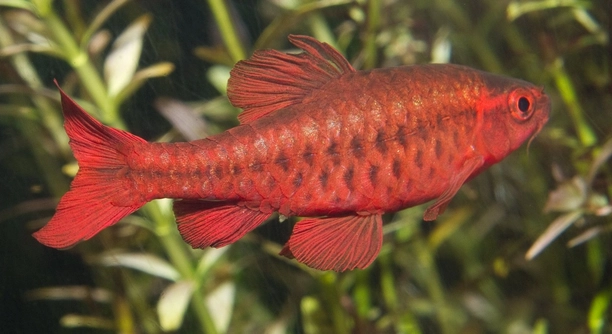
Cherry Barbs are active fish that require careful observation to ensure they are healthy and ready for relocation. Knowing when to move them can prevent stress and help them thrive in their new environment. This article will outline key signs to watch for.
When a Cherry Barb is ready to be moved, signs of health, maturity, and environmental adjustment should be evident. Look for active swimming, steady growth, proper coloration, and consistent feeding habits. These indicators confirm that the fish is prepared for a new environment.
Recognizing the right time to move your Cherry Barb is essential for their well-being. Understanding these signs ensures a smooth transition for your fish to its new home.
Key Signs Your Cherry Barb is Ready for Relocation
A Cherry Barb is a hardy and social fish that typically adjusts well to different environments, but it’s important to monitor specific signs before moving them. One of the most notable signs that a Cherry Barb is ready to be relocated is their behavior. Healthy fish will actively swim, interact with tank mates, and maintain a steady swimming pattern. In contrast, lethargy or hiding for extended periods often indicates stress, illness, or an unsuitable environment. Ensuring that your Cherry Barb is displaying these positive behaviors is essential for their health during the move.
When you observe these healthy behaviors, it’s a good sign that they are ready for a change of scenery. It’s crucial to assess if their current environment is suitable for long-term health. Fish who have settled into their surroundings and exhibit these signs are usually in good condition to handle relocation.
Before moving your Cherry Barb, consider the size of their current tank and their growth stage. As the fish matures, its environment must accommodate its growing size. A cramped tank or lack of swimming space can lead to stress and health issues. Ensuring that they have enough room to swim comfortably and that their tank conditions (like water quality and temperature) are optimal is essential for a smooth transition.
Consistent Eating Habits
A Cherry Barb’s feeding habits also play a crucial role in determining if they are ready to be moved. Healthy fish will show interest in food, eat regularly, and display a healthy appetite. If they seem uninterested or refuse to eat, it’s best to delay their relocation until they’ve regained their usual eating habits.
Once the Cherry Barb begins to eat consistently and shows no signs of stress or illness, it is likely ready for the move. Ensure that their diet includes the necessary nutrients, and avoid overfeeding, as this can cause water quality issues. A well-fed fish is more resilient during relocation.
Stable Water Conditions
Cherry Barbs thrive in stable water conditions. If the water parameters in the tank—like temperature, pH, and ammonia levels—are consistent, your fish will show healthier, more active behavior. An unstable environment can stress the fish, making them less likely to be ready for a move.
Test the water regularly to ensure that the levels remain optimal. Changes in water chemistry or sudden shifts in temperature can harm your fish, causing them to become inactive or sick. Maintaining consistent water conditions for your Cherry Barb will help them stay healthy and better prepared for relocation.
Before relocating, make sure the new tank also offers stable conditions similar to the current one. Fish that have adapted well to the current environment will experience less stress if their new home is equally stable. This transition is key to ensuring their health during the move.
Growth and Size
As your Cherry Barb grows, its space needs increase. A small tank might have been sufficient when they were younger, but as they grow, the need for more space becomes evident. If the tank is too small, it can hinder their natural growth and cause stress.
A well-maintained tank that accommodates their size will help your Cherry Barb grow to its full potential. Ensure that the new tank has enough space to support the growing fish comfortably. It’s important to provide them with room to swim freely, as this contributes to their overall health and behavior.
If your Cherry Barb has reached a size where it’s becoming cramped in its current space, it’s time to consider moving it. A larger tank with proper filtration will support the fish’s continued growth and help it adapt more easily to the new environment. The right tank size is essential for their well-being.
Healthy Coloration
A Cherry Barb’s vibrant coloration is a key indicator of its health. If the fish displays its natural, bright hues, it’s typically a sign that it is thriving. Dull or faded colors can indicate stress or poor health, which suggests that the fish isn’t ready for relocation yet.
Healthy Cherry Barbs should exhibit a deep, rich red or orange color depending on their specific variety. If the fish shows signs of fading or discoloration, it’s best to wait until its health improves before considering a move. The coloration is a reflection of their overall condition.
Active Behavior
Active swimming is another sign that your Cherry Barb is ready for relocation. Healthy fish are generally active and engaged in their environment, constantly swimming around. If your Cherry Barb seems lethargic, spends too much time hiding, or moves sluggishly, it may not be ready for a move.
Cherry Barbs are naturally curious fish and will usually explore their environment. They are social creatures that thrive in a community tank, so if your fish is active, it’s a positive sign. If their behavior remains sluggish, it could be a warning to delay relocation until they are more energetic.
Tank Compatibility
Before moving your Cherry Barb, ensure that the new tank has compatible tank mates. Cherry Barbs are peaceful fish but can become stressed in aggressive or territorial environments. Choosing a tank with peaceful species will help reduce stress and ease their transition into the new setup.
Make sure that the new tank offers a balanced environment. Aggressive fish can cause harm to Cherry Barbs, so it’s important to choose tank mates that won’t stress them. Stress-free, peaceful cohabitation will make the move smoother for your Cherry Barb.
FAQ
How do I know when my Cherry Barb is stressed?
A stressed Cherry Barb will exhibit certain behaviors like hiding more than usual, swimming erratically, or staying at the bottom of the tank. You may also notice a loss of appetite or changes in coloration, such as dullness or fading. Stress can be caused by various factors, including poor water quality, incompatible tank mates, or sudden changes in the environment. If these signs are present, it’s important to address the stressors before attempting to relocate your fish.
Can I move my Cherry Barb to a new tank if it’s not fully grown?
While Cherry Barbs can be moved at any stage of their growth, it’s best to wait until they’ve reached a reasonable size for the new environment. Moving them too early can lead to stress, as they may not yet be accustomed to the new space. Ensure that the new tank has enough room for growth and a comfortable space for swimming. It’s essential to consider their health and size before making the move.
What are the ideal water conditions for Cherry Barbs?
Cherry Barbs prefer slightly acidic to neutral water with a pH level between 6.5 and 7.5. The water temperature should range between 72°F and 80°F (22°C to 27°C), and the tank should have a good filtration system. Consistent water quality is vital to their well-being, as fluctuating conditions can stress them out. Regular water changes are necessary to keep the environment stable, and ammonia or nitrite levels should be kept at zero to prevent harm.
How can I reduce the stress when moving my Cherry Barb?
To reduce stress, make sure that both the current and new tanks have similar water parameters. Gradually acclimate your Cherry Barb to the new water conditions by floating the bag in the new tank for 15–20 minutes. This allows the fish to adjust to the temperature. Move the fish gently into the new tank, avoiding sudden movements that could cause stress. Ensure the new tank has proper hiding places and peaceful tank mates to further minimize stress.
Do Cherry Barbs need a filter in their tank?
Yes, Cherry Barbs benefit from a filtered tank to maintain water quality. A filter helps remove excess waste, food, and other debris that can degrade water conditions and harm the fish. It’s essential to select a filter with a gentle flow, as Cherry Barbs do not like strong currents. Proper filtration will keep the tank clean and provide a stable environment for your fish.
How long can a Cherry Barb live in a small tank?
While a Cherry Barb can survive in a smaller tank for a time, it will not thrive in the long term. A tank that is at least 20 gallons is recommended for a group of Cherry Barbs to allow enough space for swimming and reduce stress. Smaller tanks can cause overcrowding and poor water quality, leading to health issues. If you have a smaller tank, consider upgrading to a larger one to promote their long-term health and well-being.
Can Cherry Barbs live with other species?
Cherry Barbs are peaceful fish and can live with a variety of other species. They do well in community tanks with non-aggressive fish. It’s important to avoid pairing them with overly territorial or aggressive species that might stress them. Suitable tank mates include other peaceful fish like tetras, rasboras, and livebearers. Always research the compatibility of any potential tank mates to ensure a harmonious environment.
How do I prepare the new tank for my Cherry Barb?
Before moving your Cherry Barb, ensure the new tank is properly set up and cycled. The water parameters should match the current tank’s conditions to avoid stressing the fish. Add appropriate substrate, decorations, and plants to create a comfortable environment. It’s also crucial to establish a good filtration system and ensure the tank is large enough for the fish to swim freely. A well-prepared tank will help ease the transition for your Cherry Barb.
What size tank do I need for a group of Cherry Barbs?
For a group of Cherry Barbs, a minimum of 20 gallons is recommended. This gives them enough space to swim and interact with each other. Cherry Barbs are social fish and do best in groups, so make sure to have at least 3–5 fish to ensure they feel secure. A larger tank also helps maintain stable water conditions, which is vital for their health.
Can I move my Cherry Barb if it’s showing signs of illness?
It’s not recommended to move a Cherry Barb if it’s showing signs of illness. Moving a sick fish can cause additional stress, which could worsen its condition. It’s better to treat the illness first and wait until the fish has fully recovered before relocating it to a new tank. Always monitor the fish’s health closely and seek advice from an aquarium specialist if necessary.
What is the lifespan of a Cherry Barb?
Cherry Barbs typically live for around 3 to 5 years, though some can live longer with proper care. Providing a stable environment, a balanced diet, and good water conditions can help your Cherry Barb live a long, healthy life. Regular tank maintenance and observing the fish’s behavior are essential to ensuring their well-being throughout their lifespan.
Final Thoughts
When it comes to moving your Cherry Barb, careful attention to its health and environment is key. Understanding when your fish is ready for relocation is essential to ensure a smooth transition. Monitoring signs of stress, such as changes in behavior or coloration, helps to determine whether it’s the right time to move your fish. A healthy Cherry Barb is an active and vibrant fish, and its readiness to relocate should align with its overall well-being. It’s important to not rush the process and make sure the conditions are right before making any changes.
Proper water conditions, including temperature and pH levels, play a major role in the success of moving your Cherry Barb. If the water in the new tank is significantly different from what they are used to, it can cause stress or health issues. Acclimating the fish to the new environment slowly and carefully will help avoid these problems. Gradual adjustments, such as slowly mixing water from the new tank into the bag, allow your fish to adapt without too much shock. This approach ensures that your Cherry Barb remains healthy throughout the process.
Lastly, be mindful of the tank’s compatibility and size. Cherry Barbs thrive in peaceful environments with plenty of space to swim. A tank that’s too small or crowded can lead to stress and illness. Moving your Cherry Barb into a tank with appropriate tank mates and ample swimming space will ensure that it stays comfortable and happy in its new home. By paying attention to the signs and making the necessary preparations, you can give your Cherry Barb the best chance for a successful relocation and a long, healthy life.

Hello,
If you enjoy the content that we create, please consider saying a "Thank You!" by leaving a tip.
Every little bit helps us continue crafting quality advice that supports the health, happiness, and well-being of pets around the world, for pets of all shapes, sizes, and species.
We really appreciate the kindness and support that you show us!