
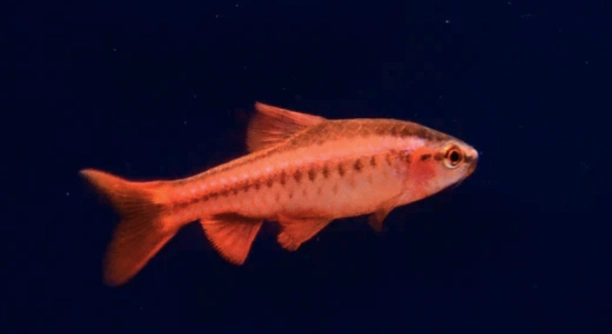
When shopping for Cherry Barbs, it’s essential to know how to identify a healthy one. These fish are vibrant, but their health can easily be overlooked in busy stores. Learning what to look for ensures you choose the best.
To spot a healthy Cherry Barb, examine its color, activity level, and overall appearance. A healthy Cherry Barb will have bright, vibrant colors, be active and alert, and have no visible injuries or signs of disease, such as faded patches or bloating.
Knowing how to choose a healthy Cherry Barb helps ensure you bring home a fish that thrives in your aquarium. With a few simple tips, you can confidently select one that will stay vibrant and healthy for years.
Look for Vibrant Color
A healthy Cherry Barb has bright and lively colors. The male Cherry Barb, in particular, displays a striking red hue that stands out in any aquarium. Females are typically less vibrant but should still show some color, especially around their fins and body. A dull or faded appearance may indicate stress, illness, or poor water conditions.
When examining the fish in the store, make sure to check if the colors are uniform. Discoloration or patches can suggest disease or inadequate care. If the fish appears too pale or has uneven pigmentation, it’s best to choose another one. Vibrant color is often the first indicator of a Cherry Barb’s overall health. Healthy fish will maintain their natural coloring, while sick fish may display odd shades or dullness. Keep an eye out for fish with a healthy shine, as it shows they are in good condition.
Color is an easy way to quickly assess the health of a Cherry Barb before making your purchase. Always remember that any fish that looks unusually dull or faded may have underlying health problems, so it’s better to choose one that looks bright and healthy.
Check for Active Behavior
When looking for a healthy Cherry Barb, observe its activity level. Healthy Cherry Barbs are active swimmers and will often be seen darting around their tank. They are social fish and enjoy interacting with others of their kind. If you notice the fish staying still at the bottom of the tank or hiding in corners, it may be unwell.
Healthy Cherry Barbs should not be lethargic. When you watch them in a store tank, pay attention to their movements. If they swim fluidly and seem curious about their environment, it’s a good sign that they are in good health. A Cherry Barb that’s slow-moving or spends too much time hiding may be stressed or sick.
Take the time to observe the Cherry Barb for a few minutes before making a decision. Active behavior is an important sign of a healthy fish that will likely adjust well to your aquarium setup.
Look for Clear Eyes and Skin
Clear eyes are another sign of a healthy Cherry Barb. When examining the fish, ensure that its eyes appear bright and clear, without cloudiness or swelling. Swollen or cloudy eyes can indicate a bacterial infection or a more serious health issue.
Additionally, pay attention to the skin and scales of the fish. Healthy Cherry Barbs should have smooth, undamaged skin. Look for any unusual bumps, lesions, or parasites, such as white spots. These can be signs of diseases like ich or external fungal infections. A healthy fish should have no visible cuts, scars, or patches on its skin, which can indicate prior injury or poor health. If the scales appear to be missing or lifting, it’s often a sign of a parasitic infestation or other health issue.
Even small signs of damage or abnormalities on the skin and eyes of a Cherry Barb can point to serious problems, so it’s important to choose one that appears free from these issues. A fish with healthy skin and eyes is likely to thrive in your aquarium environment.
Evaluate the Body Shape
The body shape of a Cherry Barb is an important factor when checking for health. A healthy Cherry Barb should have a sleek and well-defined body. Its belly should not appear bloated or sunken, as this can signal internal problems or poor nutrition. Check for any lumps, which could indicate infection, parasites, or other health issues.
The fish’s fins should also be symmetrical and intact, without any signs of damage or fin rot. Fins that are torn or frayed can suggest the fish has been exposed to stressful conditions or has been in contact with aggressive tank mates. A well-formed body and intact fins are signs of a Cherry Barb’s good health. Also, note that the fish should not be excessively thin or overly large, as these signs can indicate malnutrition or overfeeding.
Looking at the fish’s body shape can give you insight into its overall health. A well-formed and balanced body indicates a Cherry Barb that is likely to live a healthy life in your tank.
Watch for Healthy Fins and Tail
The condition of a Cherry Barb’s fins and tail is another clear indicator of its health. Healthy Cherry Barbs will have fins that are evenly spread, intact, and free of tears or signs of infection. The fins should be fully developed, without any ragged edges or discoloration. Any signs of fin rot, which is a condition where the fins begin to break down or discolor, can indicate poor care or an unhealthy environment.
The tail should also be vibrant and without any signs of fraying or discoloration. A healthy tail fin should look strong and symmetrical. If you notice any abnormal growth or signs of wear, it might mean the fish has been exposed to stress or disease. Fish with damaged fins or tails are more vulnerable to further infections, making them harder to care for.
Choosing a Cherry Barb with healthy fins and tail ensures that it has not been subjected to stress or injury, and will adapt better to life in your aquarium.
Avoid Overcrowded Tanks
Overcrowded tanks are a major red flag when shopping for Cherry Barbs. If there are too many fish in a tank, it can lead to stress, poor water quality, and competition for food, all of which impact the fish’s health. Healthy Cherry Barbs should be swimming freely, not squeezed between other fish.
An overcrowded tank often leads to unhealthy conditions that could affect the Cherry Barbs, making it difficult to assess their true health. Look for tanks with only a few fish, as this shows the store is taking care of their stock. If you see overcrowded tanks, the fish may have been stressed or poorly cared for.
If the tank looks cramped or there are too many fish crammed into one small space, it’s a good idea to walk away. The fish you choose might have been exposed to unsanitary conditions, which could lead to disease or stress. Healthy fish should have enough space to move around and thrive.
Check Water Conditions
The water quality in the tank is crucial for Cherry Barb health. Healthy fish can only thrive in water that’s clean and properly maintained. If the water is murky or smells bad, this is a sign that the fish may not be receiving proper care. Clear water is essential for their well-being.
When shopping, try to get a glimpse of the water conditions. Clear, clean water indicates that the store is keeping up with regular maintenance and water changes. Cloudy or dirty water can be harmful to the Cherry Barbs, leading to diseases or skin issues. Poor water conditions often cause the fish to become stressed, which makes them more vulnerable to infections.
Be cautious about purchasing any Cherry Barb from a tank with dirty water. Even if the fish looks healthy, poor water quality may have compromised its immune system, making it more likely to get sick. Clear water is a key indicator that the store is taking good care of the fish.
Look for Healthy Gills
Healthy gills are a sign of a Cherry Barb’s overall well-being. The gills should appear bright and pinkish, not pale or swollen. If the gills are discolored, inflamed, or showing signs of mucus buildup, it can indicate respiratory problems or infection. Healthy fish will have clear, open gills.
When you observe the gills, make sure they are moving regularly and not labored. Labored breathing can be a sign of stress, poor water conditions, or illness. Healthy gills should appear symmetrical, and the fish should not be struggling to breathe. If the gills appear abnormal, it’s best to avoid that fish.
Pay attention to the color and movement of the gills as they are an easy way to spot signs of stress or illness. Healthy gills allow the fish to take in oxygen properly, so any visible issues here can indicate underlying health concerns.
Observe Tankmates’ Behavior
Observing the other fish in the tank can give you insight into the environment and the health of the Cherry Barbs. If you notice that the tankmates are overly aggressive or the Cherry Barbs are constantly hiding, it may indicate that the fish are stressed.
In a healthy tank, fish should coexist peacefully. Watch how the Cherry Barbs interact with the other species. If they are swimming freely and calmly alongside their tankmates, it’s a good sign that the environment is healthy. Stress from aggressive or incompatible fish can lower the Cherry Barb’s immune system, making them more prone to illness.
Healthy Cherry Barbs will typically swim actively and socialize without fear of their neighbors. A good tankmate setup will reflect the peaceful nature of these fish. Look for signs of harmony when choosing your Cherry Barb.
FAQ
What should I look for when choosing a Cherry Barb at a store?
When choosing a Cherry Barb, focus on the color, activity level, and overall appearance. Healthy Cherry Barbs will have bright, vibrant colors, with males showing a striking red hue. They should be swimming actively, with no signs of injury, disease, or stress. Look for clear eyes, intact fins, and a smooth body. Avoid fish that appear lethargic, dull, or have visible damage to their skin or fins. It’s also important to check that the tank water is clean and well-maintained.
How can I tell if a Cherry Barb is sick in a store?
Sick Cherry Barbs often show signs like faded color, slow movements, or erratic swimming. Their eyes may become cloudy or swollen, and they may appear listless or spend time hiding. Additionally, check for any visible lesions, bumps, or sores on their skin, or damaged fins. If the fish is rubbing against objects or showing signs of difficulty breathing, it’s a clear indication of illness. Avoid any fish that exhibits these symptoms.
Can Cherry Barbs live with other fish?
Yes, Cherry Barbs are generally peaceful and can live with a variety of other species. They do well in a community tank with other non-aggressive fish. However, avoid placing them with larger, more aggressive species that might stress them out or outcompete them for food. Tankmates such as tetras, rasboras, and other small, peaceful species are ideal.
How long do Cherry Barbs live in captivity?
Cherry Barbs can live up to 5 years in a well-maintained aquarium. Their lifespan depends on water quality, tank conditions, and diet. Keeping them in a clean tank with proper filtration, regular water changes, and a balanced diet can help them reach their full lifespan. Stress and poor water conditions can shorten their life expectancy.
What water conditions do Cherry Barbs need?
Cherry Barbs thrive in slightly acidic to neutral water (pH 6.5-7.5) and a temperature range of 72-80°F (22-27°C). The water should be well-filtered, and it’s important to do regular water changes to maintain good water quality. They do not require hard water but prefer soft to medium hardness. Regular monitoring of ammonia, nitrite, and nitrate levels is essential to keep your fish healthy.
How often should I feed Cherry Barbs?
Feed Cherry Barbs once or twice a day with a balanced diet of high-quality fish flakes, pellets, or live/frozen foods such as brine shrimp, bloodworms, or daphnia. Avoid overfeeding, as this can lead to poor water quality and health issues. Only give them as much food as they can eat within a few minutes, and remove any uneaten food to prevent waste buildup.
Do Cherry Barbs need a lot of space?
Cherry Barbs don’t require a large tank but do best in a tank of at least 20 gallons. They are active swimmers and enjoy having space to explore. A small tank can cause them stress and lead to poor health. A larger tank also provides better water stability, which is essential for their well-being.
Are Cherry Barbs good for beginners?
Yes, Cherry Barbs are great for beginners. They are hardy, peaceful fish that adapt well to a variety of tank conditions. As long as you provide them with a clean tank, a balanced diet, and compatible tankmates, they are easy to care for. Their small size and peaceful nature make them ideal for new aquarium owners.
How do I breed Cherry Barbs?
Breeding Cherry Barbs is relatively easy. To encourage breeding, set up a separate breeding tank with soft, slightly acidic water. Provide dense plants for the female to lay her eggs on. Male Cherry Barbs will display vibrant colors and chase females during the breeding process. After spawning, remove the adults, as they may eat the eggs. The eggs will hatch in a few days, and the fry will begin swimming once they are ready.
What diseases affect Cherry Barbs?
Like other fish, Cherry Barbs can suffer from common fish diseases like ich, fin rot, and velvet disease. Ich appears as white spots on the fish’s body, while fin rot can cause the fins to deteriorate. Velvet disease causes a gold or yellowish coating on the fish’s skin. Regular water changes, good tank hygiene, and quarantining new fish can help prevent these issues.
Can Cherry Barbs tolerate low oxygen levels?
Cherry Barbs prefer well-oxygenated water and do best in tanks with proper filtration and aeration. While they are fairly adaptable, low oxygen levels can lead to stress and breathing difficulties. Make sure your tank has good water movement and consider adding an air pump if your tank is heavily stocked or lacks sufficient filtration.
Do Cherry Barbs get along with each other?
Yes, Cherry Barbs are peaceful towards one another, especially when kept in groups. It’s a good idea to have at least 3-5 Cherry Barbs in a tank, as they feel more secure in schools. This helps reduce stress and promotes natural behavior. Males may display more vibrant colors to attract females, but aggression is minimal.
How do I prevent stress in Cherry Barbs?
To prevent stress in Cherry Barbs, ensure they have enough space to swim and that the tank has suitable water parameters. Avoid overcrowding, provide plenty of hiding spots, and choose tankmates that are peaceful. Maintaining stable water temperature and quality is key to keeping your Cherry Barbs healthy and stress-free.
Are Cherry Barbs compatible with shrimp?
Cherry Barbs are usually compatible with shrimp, as long as the shrimp are large enough to avoid being eaten. Cherry Barbs tend to ignore adult shrimp but might snack on baby shrimp or smaller species. If you want to keep shrimp with your Cherry Barbs, choose larger shrimp like Amano or Ghost shrimp to prevent them from being harassed.
Final Thoughts
Choosing a healthy Cherry Barb for your aquarium is not difficult if you know what signs to look for. By paying attention to factors like vibrant color, active behavior, and clear eyes, you can easily identify a healthy fish. Healthy Cherry Barbs should be swimming freely and show no signs of stress or illness. If a fish looks dull, lethargic, or has any visible injuries, it’s best to move on and look for another one. These simple observations can help ensure that the Cherry Barb you bring home will thrive in your tank.
In addition to appearance, checking the water quality and tank environment is essential. Clean, well-maintained water is crucial for the health of your fish. An overcrowded tank or poor water conditions can stress out the fish and make them vulnerable to diseases. Before purchasing a Cherry Barb, take a moment to observe its tankmates and surroundings. A peaceful tank with healthy, active fish is a good indication that the store is maintaining proper care. This small step can save you from bringing home a fish that might struggle due to poor living conditions.
Lastly, Cherry Barbs are easy to care for, making them a great choice for both beginners and experienced fish keepers. With proper care, a suitable environment, and the right tankmates, they can live happily in your aquarium for years. By following these guidelines and staying attentive to their needs, you can ensure that your Cherry Barb will thrive and bring vibrant color to your tank.

Hello,
If you enjoy the content that we create, please consider saying a "Thank You!" by leaving a tip.
Every little bit helps us continue crafting quality advice that supports the health, happiness, and well-being of pets around the world, for pets of all shapes, sizes, and species.
We really appreciate the kindness and support that you show us!