
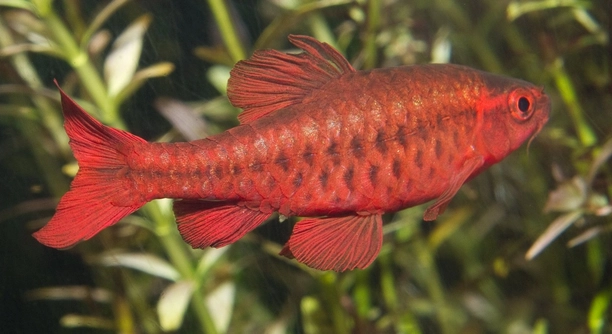
Cherry barbs are a popular aquarium fish, known for their striking colors and peaceful nature. They are often kept in indoor setups, but some aquarium hobbyists wonder if they can thrive in outdoor environments as well.
Cherry barbs can indeed thrive in outdoor setups, provided the conditions are ideal. They require stable water temperatures, good filtration, and a well-maintained environment. In outdoor setups, it is important to protect them from extreme weather fluctuations and predators.
Outdoor environments can offer more space and natural lighting for your cherry barbs. Proper care and setup are essential for their well-being in these conditions.
Cherry Barbs and Outdoor Aquariums: What You Need to Know
Cherry barbs can be an excellent addition to an outdoor aquarium, especially if you live in a mild climate. They thrive in temperatures ranging from 70 to 80°F, which makes it important to ensure that your outdoor setup maintains this range. If the temperature fluctuates too much, the fish might struggle to adapt. A well-planted outdoor aquarium is perfect for cherry barbs, as they enjoy swimming through plants and finding hiding spots. The setup should include clean, dechlorinated water, and the fish should be monitored regularly for any signs of stress or disease.
Outdoor environments can also offer more natural lighting, which cherry barbs appreciate. This is important for their health as it can enhance their color and overall well-being. However, it’s necessary to ensure that the tank isn’t exposed to too much direct sunlight, as this can cause algae growth and temperature spikes. When keeping cherry barbs outdoors, proper filtration is essential for maintaining water quality.
Cherry barbs also do well in outdoor ponds, especially if you can provide a few shaded areas. They naturally prefer swimming in calm water, so a gentle filtration system is recommended. During the warmer months, these barbs can thrive outdoors, but in cooler climates, it’s important to bring them inside when the temperatures drop too low. Some fishkeepers use heaters to maintain the proper water temperature in the cooler months. Regular water changes are also necessary to keep the fish healthy, especially in an outdoor pond, where organic waste can build up faster than in an indoor tank.
Conditions for Cherry Barbs in Outdoor Setups
When it comes to outdoor aquariums, cherry barbs need a stable environment. Fluctuating water temperatures or poor water quality can lead to stress and illness. It’s essential to keep an eye on water parameters such as pH, ammonia, and nitrate levels.
Maintaining the health of cherry barbs in an outdoor setup involves regular attention to water quality and temperature. It’s important to install a reliable filtration system and to monitor the tank for any signs of pollution. Plants in the tank help keep the water clean, and adding a few hiding spots gives the fish a sense of security. Cherry barbs are peaceful, and they will often thrive in a well-balanced setup with minimal disturbances. However, they should not be kept with larger or more aggressive fish, as they could be intimidated or outcompeted for food. Over time, as you learn what works best for your cherry barbs, you’ll see them grow more vibrant and active in their outdoor environment.
Temperature Control in Outdoor Aquariums
Maintaining a stable water temperature is crucial for cherry barbs in outdoor setups. Too much fluctuation can cause stress and even death. Consider using a heater or a temperature monitoring system to regulate the water.
While cherry barbs thrive in warm water, direct exposure to the sun can heat up the tank too quickly. You may need to place the tank in a shaded area or use a mesh cover to prevent excessive heat. During colder months, be ready to move the fish indoors or use a pond heater to ensure the water stays within their comfortable range.
If the outdoor temperature fluctuates drastically, you could also install a cooling system to help maintain the water’s stability. A steady temperature range of 70 to 80°F is ideal, and constant monitoring will help avoid any sudden temperature spikes or drops. This is particularly important if you live in a region where the weather changes quickly.
Protecting Cherry Barbs from Predators
Outdoor setups often expose cherry barbs to potential predators. Birds, larger fish, and even small mammals may pose a threat to them. Protecting the aquarium is key.
Using netting or a sturdy lid can help keep predators away from the fish. Additionally, planting dense aquatic plants can give your cherry barbs hiding spaces, reducing their exposure to potential dangers. For outdoor ponds, installing a protective cover or mesh netting is a simple but effective way to prevent birds from preying on your fish. It’s also important to ensure that your setup isn’t easily accessible to cats or other small animals.
Creating a safe and secure environment for your fish should be a priority. With these precautions, your cherry barbs can enjoy the outdoor space without the constant threat of predators. A combination of proper tank design and monitoring can keep your fish healthy and safe.
Maintaining Water Quality in Outdoor Setups
Proper filtration is essential for keeping water clean in outdoor setups. Cherry barbs are sensitive to poor water quality, which can lead to illness. Use a reliable filtration system to ensure the water remains healthy.
Regular water changes are necessary to prevent a buildup of toxins, especially in outdoor environments where debris and organic matter accumulate faster. Monitoring water parameters, such as ammonia, nitrate, and pH, will help maintain a balanced ecosystem.
Adding live plants to your setup can naturally help absorb excess nutrients, keeping the water cleaner and providing additional hiding spots for your fish. Always check the water quality before making changes to your setup to avoid any sudden stress on the fish.
Outdoor Setup and Plant Life
Plant life is important for cherry barbs as it mimics their natural habitat. Adding live plants to your outdoor setup gives them places to hide and explore. Floating plants also help provide shade and oxygenate the water, which keeps the fish healthy.
Plants help with water filtration and create a more natural, balanced environment. They can provide structure for the fish to swim through, promoting their natural behaviors. If your outdoor tank is well-planted, cherry barbs will be much more comfortable and active, enjoying a more natural lifestyle. Just be sure to monitor plant growth so it doesn’t overwhelm the tank.
Outdoor Tank Design
When designing an outdoor tank, it’s important to focus on stability and safety. Use a sturdy frame and choose materials that can withstand outdoor conditions. A balanced ecosystem is key to helping cherry barbs thrive in this setting.
FAQ
Can cherry barbs survive in cold temperatures?
Cherry barbs prefer warm water, with the ideal temperature range being 70 to 80°F. If the water gets too cold, especially below 60°F, they will struggle to survive. In colder climates, you should either move them indoors during the winter or install a pond heater to maintain a stable temperature. Sudden drops in temperature can cause stress, which makes them more vulnerable to diseases. So, it’s crucial to maintain a warm and consistent environment year-round.
What size tank is ideal for cherry barbs in outdoor setups?
For outdoor setups, cherry barbs require a tank that provides enough space for them to swim comfortably. A minimum of 20 gallons is ideal for a small group of cherry barbs. If you have a larger group or additional fish, you may want to go for a 40-gallon tank or larger. This will not only help maintain water quality but also provide enough space for the barbs to display their natural behaviors and interact with each other. More space also makes it easier to manage temperature fluctuations.
Can cherry barbs live with other fish in an outdoor aquarium?
Yes, cherry barbs are peaceful and generally get along with other non-aggressive fish. They do well in community tanks and are not known for being territorial. However, they should not be kept with larger or more aggressive species that might intimidate or outcompete them for food. In outdoor setups, be sure to select compatible fish that won’t harm or stress out the cherry barbs. Small, peaceful fish like tetras or other barb species can make great tankmates.
How often should I feed cherry barbs in an outdoor aquarium?
Cherry barbs don’t require a lot of food. Feeding them once or twice a day is usually sufficient. Overfeeding can lead to poor water quality, so be careful not to leave uneaten food in the tank. You can feed them a variety of food, including flakes, pellets, and live or frozen foods like brine shrimp or daphnia. Make sure to remove any excess food after a few minutes to prevent it from decomposing in the water, which can affect the water quality.
Do cherry barbs require special water conditions in outdoor setups?
Cherry barbs thrive in slightly acidic to neutral water with a pH range between 6.5 and 7.5. It’s important to keep the water clean by using a good filtration system. Regularly check the ammonia, nitrite, and nitrate levels to ensure they stay within safe limits. In outdoor setups, especially ponds, you should be extra vigilant about water quality because of the higher likelihood of debris and organic matter buildup. Routine water changes and maintenance will keep the cherry barbs in a healthy environment.
Are cherry barbs susceptible to any diseases in outdoor setups?
Like most fish, cherry barbs are prone to diseases like ich, fin rot, and fungal infections, especially if water quality is poor or temperatures fluctuate too much. In outdoor setups, cherry barbs are also at risk of parasites and infections from contaminated water. To prevent diseases, maintain stable water parameters, keep the tank clean, and avoid overcrowding. If you notice any signs of illness, such as lethargy, faded colors, or lesions, isolate the affected fish and treat the tank accordingly.
How do I keep cherry barbs safe from predators in an outdoor tank?
Predators like birds, larger fish, or even small animals can pose a threat to cherry barbs in outdoor tanks. To keep them safe, you should cover the aquarium with a sturdy mesh or lid. This will prevent birds from swooping in and eating the fish. Additionally, providing dense aquatic plants or hiding spots can give the barbs a safe place to retreat if they feel threatened. In outdoor ponds, you can also use netting to prevent larger animals from accessing the tank.
Can I breed cherry barbs in an outdoor setup?
Yes, cherry barbs can breed in outdoor setups. They are relatively easy to breed as long as you provide the right conditions. To encourage breeding, maintain clean water, provide plenty of hiding places, and ensure the temperature is within the ideal range. Cherry barbs usually spawn in the early morning hours, and the eggs will be fertilized externally. Once the eggs hatch, the fry can be fed infusoria or powdered fry food. If the outdoor setup is large enough, the baby fish may survive without intervention, as long as they have adequate food and shelter.
Do cherry barbs need a filter in an outdoor setup?
Yes, cherry barbs require a filter to maintain good water quality. Even in outdoor tanks or ponds, a filter helps remove debris, excess food, and waste products, preventing harmful toxins from building up. It also helps circulate the water, which is important for maintaining oxygen levels. A well-maintained filtration system will make it easier to maintain a healthy environment for your cherry barbs, especially since outdoor setups tend to have more organic matter and debris.
Can cherry barbs live in ponds?
Cherry barbs can live in ponds as long as the water conditions are right. The pond should be deep enough to prevent the water from freezing in the winter. Additionally, the pond should have a consistent water temperature in the range of 70 to 80°F. In colder climates, you will need to bring the fish indoors during the winter or provide a pond heater to keep the water temperature stable. Cherry barbs can adapt well to a pond environment as long as they have plenty of plants to swim through and sufficient hiding spots.
Final Thoughts
Cherry barbs can be a great addition to outdoor setups if the conditions are right. They thrive in warm, stable environments and enjoy the space and natural lighting that an outdoor aquarium or pond can offer. However, to ensure their health and well-being, it’s important to provide a consistent water temperature, proper filtration, and protection from predators. With the right care and attention, cherry barbs can live happily in an outdoor setup and add color and life to your garden or patio.
The key to success when keeping cherry barbs outdoors is to monitor the water conditions regularly. These fish are sensitive to changes in water quality, so checking the levels of ammonia, nitrites, and nitrates, as well as the pH and temperature, is crucial. You should also be prepared to make adjustments if the weather turns cold. Outdoor setups may require more frequent maintenance, but the benefits of having cherry barbs in a natural, outdoor environment often outweigh the extra effort.
Lastly, always ensure that your cherry barbs are safe from predators and have plenty of space to swim and explore. Providing hiding places with plants and using netting or a sturdy cover can protect them from birds, larger fish, and small mammals. With the right setup and care, your cherry barbs can thrive outdoors and bring beauty to your space for years to come. By following these simple guidelines, you’ll be able to enjoy the lively and colorful presence of cherry barbs in your outdoor aquarium or pond.

Hello,
If you enjoy the content that we create, please consider saying a "Thank You!" by leaving a tip.
Every little bit helps us continue crafting quality advice that supports the health, happiness, and well-being of pets around the world, for pets of all shapes, sizes, and species.
We really appreciate the kindness and support that you show us!