
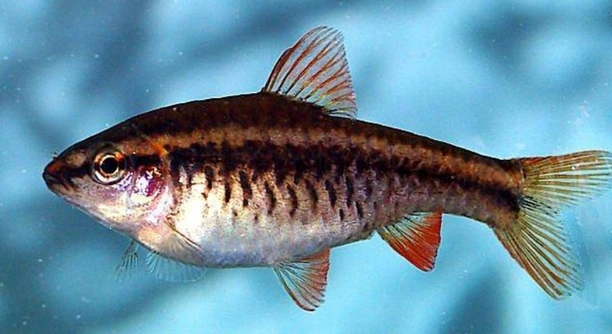
Adding enrichment to your barb tank is essential for maintaining a healthy and active environment for your fish. Whether you are a new or experienced aquarium keeper, ensuring your fish have stimulating surroundings is key to their well-being.
There are several ways to enrich a barb tank. Providing a variety of plants, hiding spots, and swimming areas promotes natural behaviors. You can also rotate decorations and offer live foods, which stimulate foraging and interaction. This helps prevent boredom.
These simple adjustments will transform your tank into a dynamic space that your barbs will thrive in. Keep reading to learn more about enhancing your barb tank for a happier, healthier environment.
Providing Hiding Spots for Your Barbs
Barbs are active fish, and like most fish, they need areas where they can hide and feel safe. Adding rocks, driftwood, or aquatic plants gives them these hiding spaces. A well-placed cave or dense plant arrangement allows the barbs to retreat when they need rest or protection from tank mates. These spots also mimic natural habitats where they would typically seek shelter.
Providing these hideouts will help your barbs reduce stress and feel more comfortable in their environment. It’s important to ensure there are multiple hiding spots for each fish, especially in a tank with several barbs. When they feel secure, they will be more active and display healthier behaviors.
Consider the layout of your tank when adding these hiding spots. Make sure they are distributed throughout the space to encourage natural exploration and provide ample opportunities for the fish to feel safe when they need it.
Rotating Decorations for Mental Stimulation
Changing up the decorations in the tank keeps things interesting for your barbs. By rotating the plants, rocks, or ornaments every few weeks, you offer a fresh environment for them to explore. This change will stimulate their curiosity and prevent them from becoming bored with the same scenery. Keeping the tank visually dynamic will encourage your barbs to stay active and engaged.
Fish, like barbs, are naturally inquisitive creatures, and adding new elements to the tank triggers their instinct to explore. This minor change can also increase their physical activity levels, helping to improve their overall health. Regularly rearranging the tank decorations can also help balance the ecosystem by introducing new hiding spaces or swim paths.
Offering Live Foods for Natural Behavior
Live foods provide a more engaging feeding experience for barbs. Offering live or frozen foods such as brine shrimp, worms, or small insects can mimic their natural diet and encourage them to forage. It stimulates their hunting instincts, promoting exercise and mental stimulation.
Feeding barbs live foods has several benefits, including improved health and increased activity. Live food has more nutritional value compared to dry pellets and encourages natural behaviors like chasing and hunting. This also supports their physical well-being by providing a variety of nutrients that are important for growth and immune function. Over time, offering live food can keep your barbs more active and engaged in their environment.
Feeding live foods can also enhance the social aspect of your tank. Barbs are known to be social fish and offering them live foods can create a more interactive atmosphere. Watching them chase after food adds entertainment value for you while benefiting their physical and mental health.
Adding Plants for a Natural Habitat
Plants not only provide hiding spots but also improve the overall aesthetic of your tank. Live plants are essential for creating a more natural, balanced environment for barbs. They provide oxygen, help with water quality, and offer a place for barbs to explore.
When choosing plants, go for species that thrive in the same water conditions as your barbs. Anubias, Java fern, and moss are all excellent options. These plants also provide surface area for beneficial bacteria, which contributes to maintaining the water quality in the tank. By allowing your barbs to interact with the plants, you create a dynamic environment that supports their natural instincts.
In addition, plants give barbs something to forage around, making their environment feel more like their natural habitat. By simulating this type of space, barbs will feel more at ease and display more natural behaviors, such as swimming through plants or nibbling on plant matter.
Introducing Varied Tankmates
Barbs enjoy being part of a community, but it’s important to choose compatible tankmates. Adding peaceful species that swim in different areas of the tank helps prevent competition. The presence of other species can also increase the barbs’ activity levels and reduce stress.
Choosing the right tankmates promotes a more balanced and engaging environment. Peaceful fish like tetras or corydoras make great companions for barbs. The variety in the tank encourages natural behaviors such as schooling and exploration. This dynamic setting will keep your barbs social, active, and less likely to show signs of aggression due to boredom.
Using Floating Decorations
Floating decorations offer your barbs new areas to explore while providing rest spots near the surface. These decorations often mimic natural floating plants, creating an environment similar to a river or lake where barbs are found in the wild.
By adding floating decorations, barbs can enjoy exploring a different dimension of the tank. It also offers a break from swimming constantly, allowing them to rest without feeling trapped at the bottom. These types of decorations enhance the tank’s structure and keep barbs active and engaged.
FAQ
What is the best tank size for barbs?
Barbs are active fish, so providing them with ample space is essential for their well-being. A minimum of a 30-gallon tank is recommended for a small group of barbs. If you plan to keep a larger school, increase the tank size accordingly. A larger tank gives them room to swim, explore, and engage in natural behaviors, which is crucial for their health and happiness. In addition, a properly sized tank makes it easier to maintain water quality, which is essential for all fish.
Can barbs live with other fish?
Yes, barbs can live with other fish, but they need compatible tankmates. Choose peaceful fish that occupy different levels of the tank. Avoid aggressive species that might cause stress or conflict. Tetras, corydoras, and peaceful livebearers are good companions for barbs. However, avoid small fish that may become targets for barbs, as they may be nipped or harassed. A balanced, diverse tank will help create a more active and stable environment.
How often should I feed my barbs?
Barbs are opportunistic feeders, meaning they will eat whenever food is available. It’s best to feed them once or twice a day. Offer a varied diet, including pellets, flakes, and occasional live foods to keep them stimulated. Ensure you only provide as much food as they can eat in a few minutes to prevent overfeeding and water quality issues. Monitor their feeding habits to avoid waste buildup in the tank.
Do barbs need a filter?
Yes, a filter is essential for maintaining water quality in your barb tank. Barbs produce waste, and a filter helps remove toxins and maintain stable water conditions. Choose a filter suitable for the size of your tank, and ensure it provides adequate water circulation. A filter also helps oxygenate the water, which is important for the overall health of your barbs and other tank inhabitants. Regularly clean the filter to prevent clogging and ensure its efficiency.
How can I reduce stress in my barbs?
Stress in barbs can be caused by a variety of factors, including poor water quality, overcrowding, or incompatible tankmates. To reduce stress, make sure the water conditions are optimal, with stable temperature, pH, and hardness. Provide hiding spots and plants for them to retreat to. Keep the tank clean and avoid sudden changes in water parameters. Choosing peaceful and compatible tankmates also plays a key role in reducing stress and creating a calm, balanced environment.
What is the best substrate for a barb tank?
Barbs are not particularly picky about substrate, but they do appreciate a soft, non-abrasive bottom for swimming and foraging. Fine gravel or sand is a good choice, as it allows barbs to dig and search for food. Avoid sharp or rough substrates, as they can cause injury. The substrate should also support plant growth if you plan to add live plants. Ensure it’s easy to clean to maintain good water quality in the tank.
Are barbs schooling fish?
Yes, barbs are schooling fish, which means they thrive in groups. Keeping at least five or six barbs together is recommended to ensure they feel secure and comfortable. In a group, barbs will exhibit natural social behaviors, such as swimming together and interacting. A school of barbs will also reduce the likelihood of aggressive behavior and encourage more active swimming. The size of the group can be increased in larger tanks, allowing the fish to feel even more confident and active.
What is the ideal water temperature for barbs?
Barbs prefer a temperature range between 72°F and 80°F (22°C to 27°C). Keeping the water temperature within this range helps maintain their health and encourages natural behavior. A consistent temperature is important, so avoid placing your tank in direct sunlight or near heat sources, which could cause fluctuations. Use a reliable aquarium heater to regulate the temperature, especially if you live in a cooler climate. Monitor the temperature regularly with an aquarium thermometer to ensure it remains stable.
How can I prevent algae in my barb tank?
Algae can quickly grow in your barb tank if the water quality is poor or the lighting is too intense. To prevent algae growth, avoid overfeeding, as excess food can contribute to nutrient buildup. Also, limit the amount of light your tank receives, as barbs don’t require as much light as some other species. Consider adding live plants, as they compete with algae for nutrients, helping to control its growth. Regular tank maintenance, including water changes and cleaning the glass, will also help prevent algae buildup.
What are common health issues in barbs?
Barbs are generally hardy fish, but they can still experience health issues. Common problems include fin rot, ich (a parasite), and dropsy (a swelling condition). To prevent these, maintain good water quality and provide a balanced diet. Quarantine new fish before adding them to the tank to avoid introducing diseases. If you notice signs of illness, such as faded colors, abnormal swimming, or lesions, consult with an aquarium professional for treatment. Regular observation and prompt action can help prevent many common health problems.
How can I breed barbs in my tank?
Breeding barbs in a tank requires specific conditions. Set up a separate breeding tank with fine gravel or a spawning mat. Ensure the water is slightly acidic and the temperature is between 75°F and 80°F. You can condition the fish with a varied diet of live and frozen foods to encourage breeding. Once the eggs are laid, remove the parents to prevent them from eating the eggs. After a few days, the eggs will hatch into fry. Care for the fry by providing infusoria or finely crushed food until they are large enough to eat regular food.
Final Thoughts
Barbs are energetic, social fish that thrive in environments that meet their natural needs. Providing them with ample space, clean water, and appropriate tankmates is essential for their well-being. A well-maintained tank with plants, hiding spots, and varied decorations not only enriches the environment for barbs but also helps reduce stress and promotes healthy behavior. By offering them a balanced diet and regular tank care, you can ensure they remain active and vibrant.
It’s important to remember that barbs need a variety of stimuli to keep them engaged. From floating plants to compatible tankmates, there are many ways to keep your barbs occupied and happy. The more enriching the environment, the less likely barbs will display signs of aggression or boredom. Creating a tank that mimics their natural habitat with proper filtration, water temperature, and substrate helps in replicating their natural behavior, resulting in a more active and healthy aquarium.
In conclusion, the key to keeping happy, healthy barbs lies in understanding their needs and making sure their environment supports them. A thoughtful tank setup that caters to their activity level and social nature will help them thrive. Regular maintenance, observation, and appropriate care are crucial for keeping your barbs in good health and ensuring they live a long, fulfilling life in your aquarium. By following these guidelines, you will create an enriching space that benefits both your fish and the overall beauty of your tank.

Hello,
If you enjoy the content that we create, please consider saying a "Thank You!" by leaving a tip.
Every little bit helps us continue crafting quality advice that supports the health, happiness, and well-being of pets around the world, for pets of all shapes, sizes, and species.
We really appreciate the kindness and support that you show us!