
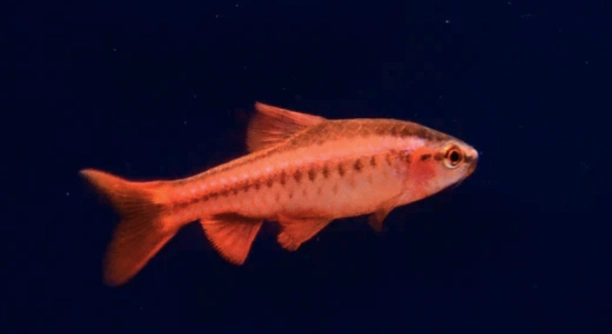
Cherry barbs are active and social fish, often found swimming in groups in aquariums. However, you may wonder how their behavior changes when kept alone. Understanding the effects of solitude on cherry barbs can offer valuable insight into their well-being.
Cherry barbs can experience stress and behavioral changes when isolated, as they are naturally social creatures. This stress may lead to signs of depression, such as reduced activity, loss of appetite, or even an increased susceptibility to disease.
Maintaining a balanced and active environment for your cherry barbs will help support their health and happiness.
Understanding Cherry Barb Behavior in Solitude
Cherry barbs, like many social fish, thrive in groups. When isolated, their behavior often changes. These fish are known to interact with others through synchronized swimming and playful movements. Without the company of other cherry barbs, they can become more subdued and less active. This lack of social stimulation can result in stress, which affects their physical and mental health. In some cases, they might even display signs of depression, such as decreased interest in food or hiding more often than usual.
Being isolated for prolonged periods is harmful to their well-being. It is essential to ensure that cherry barbs are kept in environments that provide ample space and company. Without adequate social interaction, they can exhibit these stress-induced behaviors, which might also compromise their immune system. This can lead to further health issues, including susceptibility to infections.
To keep them healthy, it’s crucial to create a tank with sufficient swimming space and include at least a few other cherry barbs. In doing so, you’ll offer them an environment that mimics their natural behavior, which helps prevent stress.
The Importance of a Group for Cherry Barbs
Cherry barbs can be kept in pairs or groups. A group allows them to express their natural social behaviors, such as schooling and interacting with each other.
When kept alone, cherry barbs often exhibit signs of isolation stress. They become less active, may stop eating, and can experience a decline in overall health. This underscores the importance of keeping them in groups, as social interaction is crucial for their well-being.
In the wild, cherry barbs live in groups where they find safety and comfort. In a tank, this social behavior translates to happier and healthier fish. Their energy levels increase when surrounded by others, and they exhibit more natural behaviors. If you want to help your cherry barbs thrive, ensuring they live in groups of at least five is a good starting point. Proper socialization is a simple yet effective way to prevent the mental and physical issues associated with solitude.
Stress Signs in Cherry Barbs Due to Solitude
Cherry barbs show clear signs of stress when alone. They may swim less, become reclusive, or stop eating altogether. These behavioral changes often signal that the fish is not adjusting well to the isolation. In extreme cases, their immune system weakens, making them vulnerable to illnesses.
The stress from being alone can be physically visible as well. For example, you may notice a reduction in their vibrant colors. Normally, cherry barbs display bright red hues, but isolation can cause their coloration to dull. This lack of activity and diminished appearance are clear indicators that they are not happy in their environment. A stressed fish may also develop unhealthy swimming habits, like erratic movements or spending more time near the bottom of the tank. These behaviors suggest that their emotional and physical needs are not being met.
Ultimately, it’s important to monitor their behavior closely. Regular observation will help detect stress early, allowing you to make changes to their living situation before more serious health issues arise.
How Social Interaction Improves Cherry Barb Health
Social interaction plays a significant role in maintaining cherry barbs’ health. These fish are naturally inclined to thrive in groups, where they can interact and swim together. When placed in a tank with several other cherry barbs, they often exhibit a higher level of activity and exhibit their natural social behaviors. This leads to a healthier, happier pet.
When cherry barbs are kept in groups, they display a more vibrant color, are more active, and engage in their natural behaviors like schooling and exploring. These social dynamics help reduce stress and prevent the physical symptoms associated with isolation. Their immune system also benefits from the positive interaction, making them less prone to diseases. Ensuring they live in a tank with at least five or more cherry barbs helps them maintain emotional well-being and leads to better physical health.
Ensuring that your cherry barbs are not isolated from their own kind will help them maintain their active, colorful nature. A group of fish offers not just companionship but also a sense of security, which reduces their stress levels. This contributes to their overall health and long-term well-being.
Impact of Solitude on Cherry Barb Eating Habits
When cherry barbs are isolated, their eating habits may change. They might become less interested in food or refuse to eat altogether. Stress from solitude leads to a lack of appetite, which can result in malnutrition if not addressed promptly.
Cherry barbs are usually eager feeders and enjoy exploring for food. However, without the presence of other fish, they may lack the motivation to eat. This behavioral shift, caused by stress, weakens their overall health. Over time, reduced food intake can lead to weight loss, making them more vulnerable to diseases. If you notice this behavior, it’s crucial to add more fish to the tank to restore their eating habits.
Signs of Depression in Cherry Barbs
Cherry barbs exhibit clear signs of depression when kept alone for too long. They may swim aimlessly, stop interacting with their surroundings, or show less interest in exploring the tank. These symptoms suggest emotional distress.
Depression can also manifest in physical ways, such as dulling of their colors or lethargy. These changes are indicators that the cherry barb’s environment is not conducive to their mental well-being. It’s essential to recognize these early signs and provide a suitable tank setup with more social interaction to help them recover.
The Role of Tank Setup in Cherry Barb Health
A well-maintained tank plays a crucial role in cherry barb health. The right setup can help alleviate stress caused by isolation. Proper water conditions, such as temperature, pH, and filtration, are essential for keeping your fish comfortable and active.
When setting up a tank for cherry barbs, ensure it offers plenty of swimming space and hiding spots for the fish to feel secure. A planted tank is ideal, as it mimics their natural environment and provides them with places to explore and interact. Additionally, keeping the water clean and well-maintained will further reduce stress and promote a healthier, happier environment for the fish.
FAQ
Can cherry barbs live alone?
Cherry barbs can technically live alone, but it’s not recommended. These fish are social creatures and thrive when kept in groups. When isolated, they can become stressed, leading to behavioral changes, lack of appetite, and a duller appearance. It’s important to house them with at least a few others to ensure they remain active and healthy.
How many cherry barbs should be kept together?
It is best to keep cherry barbs in groups of at least five. In smaller numbers, they may feel insecure and become stressed. A larger group promotes natural behaviors, such as schooling, and helps them feel more confident. This improves both their mental and physical health.
What are the signs that a cherry barb is stressed?
Stressed cherry barbs will often exhibit behaviors like erratic swimming, hiding, or swimming near the bottom of the tank. They may also stop eating or lose their vibrant colors. If you notice these signs, it’s important to assess their environment, making sure they have enough space and company.
Can cherry barbs get sick from loneliness?
Yes, loneliness can weaken a cherry barb’s immune system. Prolonged isolation leads to stress, which makes them more vulnerable to illnesses. It’s crucial to provide them with social interaction and a stable environment to prevent health issues. Group living helps keep their immune systems strong.
Do cherry barbs need plants in their tank?
While plants are not strictly necessary, they provide a more natural environment for cherry barbs. Plants offer hiding spots, which help reduce stress and give the fish a sense of security. They also encourage natural behaviors like exploring and swimming. A well-planted tank is ideal for maintaining their well-being.
How can I tell if my cherry barb is depressed?
Depression in cherry barbs often shows as a lack of activity or interest in their surroundings. They may swim aimlessly or stay in one spot for long periods. Additionally, their colors might fade, and they may stop interacting with other fish. If you notice these behaviors, it’s important to improve their environment by adding more fish or adjusting tank conditions.
What should I do if my cherry barb stops eating?
If your cherry barb stops eating, it could be a sign of stress, illness, or environmental issues. First, check the water parameters such as temperature, pH, and filtration to ensure they are within the appropriate range. If the environment is stable, adding a few more cherry barbs to the tank could encourage social behavior and restore their appetite.
Can cherry barbs live with other fish?
Yes, cherry barbs can live with many other peaceful fish. They are generally compatible with species that are not overly aggressive. Avoid housing them with large, aggressive fish that might stress or harm them. Ideal tankmates include other small, peaceful fish like tetras, rasboras, and other barb species.
How do I maintain water quality for cherry barbs?
Maintaining water quality is key to keeping your cherry barbs healthy. Regular water changes of around 20-30% every week are essential. Additionally, make sure the tank is properly filtered, and test the water regularly to ensure the pH, hardness, and temperature remain stable. Good filtration and regular maintenance help prevent stress and illness.
What is the ideal tank size for cherry barbs?
For a small group of cherry barbs, a 20-gallon tank is the minimum size recommended. A larger tank allows them more space to swim and reduces territorial stress. The more space they have, the happier and healthier they’ll be. A tank size of 30 gallons or more is ideal for larger groups.
How do I encourage cherry barbs to breed?
Breeding cherry barbs requires a stable and healthy environment. Provide a tank with clean water, a temperature between 75-80°F, and a pH of 6.5-7.5. The presence of plants offers hiding spots for the eggs. Male cherry barbs will often display vibrant colors to attract females. If conditions are right, you may see them spawning in the tank.
Can cherry barbs live in cold water?
Cherry barbs are tropical fish and need warm water to thrive. The ideal temperature range is between 75-80°F (24-27°C). They will not do well in cold water, which can cause them to become stressed or sick. Make sure your aquarium heater is functioning properly to maintain the correct water temperature.
What is the lifespan of a cherry barb?
Cherry barbs typically live for around 3 to 5 years when kept in proper conditions. Their lifespan can be affected by factors such as tank size, water quality, diet, and social environment. Keeping them in a well-maintained, peaceful tank with plenty of company will help them live a long and healthy life.
Do cherry barbs need a lot of light?
Cherry barbs do not require intense lighting, but moderate lighting is beneficial for the plants in the tank. A standard aquarium light with a 12-hour light cycle works well. Too much light can cause algae growth, while too little light can affect plant health, which is essential for the fish’s environment.
Can cherry barbs eat flakes and pellets?
Yes, cherry barbs can eat both flakes and pellets. However, a varied diet is essential for their health. Offer them high-quality fish flakes or pellets, supplemented with occasional live or frozen foods like brine shrimp or daphnia. A varied diet helps keep them active and vibrant.
Are cherry barbs good for beginners?
Cherry barbs are relatively easy to care for and are a good choice for beginner fish keepers. They are hardy, peaceful, and adaptable to a variety of tank conditions. However, it’s important to remember that they need social interaction and proper water quality to thrive.
Final Thoughts
Cherry barbs are social, peaceful fish that thrive in groups. They do best when kept with other cherry barbs, as isolation can lead to stress and health issues. These fish are active and colorful, making them an enjoyable addition to any aquarium, especially when kept in a well-maintained tank. Keeping the water quality stable and ensuring they have enough space to swim will help them stay happy and healthy. It’s also important to remember that cherry barbs are not just pretty to look at but also sensitive creatures that require attention to their environment and well-being.
The key to keeping cherry barbs healthy lies in understanding their social needs. Without company, they may become withdrawn, stop eating, or lose their vibrant color. While they can technically live alone, they will not thrive in solitude. If you are considering adding cherry barbs to your tank, be sure to create a comfortable environment with multiple tank mates to help them feel secure. A group of at least five cherry barbs is ideal for promoting natural behaviors and reducing stress. This social aspect should not be overlooked when planning your tank setup.
By maintaining proper water parameters, offering a varied diet, and paying attention to their need for companionship, you can enjoy these colorful fish for years to come. Cherry barbs are relatively low-maintenance when cared for properly, making them a great choice for both beginners and experienced aquarium owners. When housed in the right environment, cherry barbs can add both beauty and personality to your tank. Whether you’re new to fishkeeping or an experienced hobbyist, these charming fish can be a rewarding species to care for.

Hello,
If you enjoy the content that we create, please consider saying a "Thank You!" by leaving a tip.
Every little bit helps us continue crafting quality advice that supports the health, happiness, and well-being of pets around the world, for pets of all shapes, sizes, and species.
We really appreciate the kindness and support that you show us!