
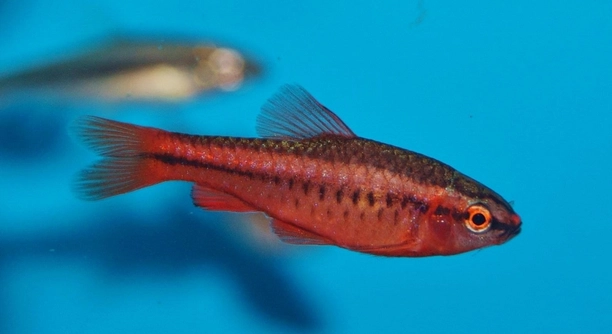
Cherry Barb fry can be tricky to care for, and many aquarium owners struggle with keeping them alive. Understanding the common reasons they don’t survive can help improve their chances of thriving in your tank.
The main reasons Cherry Barb fry fail to survive include water quality issues, improper tank conditions, lack of proper food, and aggressive tank mates. These factors disrupt their development and health, leading to high mortality rates in fry.
By addressing these factors, you can improve the survival rate of Cherry Barb fry and enjoy watching them grow into healthy adults.
Water Quality Issues
Water quality is one of the most important factors affecting Cherry Barb fry survival. If the water isn’t clean or well-maintained, the fry’s health will decline quickly. High levels of ammonia, nitrites, or nitrates in the tank can cause stress, illness, and even death. Fry are especially sensitive to these toxins, which can build up if the tank is not regularly cleaned or if the filtration system isn’t working efficiently. A stable environment with good water parameters will help ensure the fry grow strong.
Even minor fluctuations in water temperature and pH can harm the fry. To keep Cherry Barb fry healthy, it’s essential to use a reliable water testing kit. Regular water changes, maintaining proper filtration, and ensuring the water temperature remains consistent will keep your fry safe.
A water conditioner can also help remove harmful substances like chlorine or chloramine from tap water. By making water quality a priority, you’ll give the fry the best chance at surviving and thriving.
Improper Tank Conditions
Cherry Barb fry need specific tank conditions to survive. The wrong type of substrate or overcrowding can cause problems for the fry, making it difficult for them to grow. You’ll need a tank with plenty of hiding spots to give them security, as they are very vulnerable at this stage. Too many adult fish in the same tank can lead to stress and even predation.
The right tank setup will keep the fry safe and allow them to grow without too much disturbance. Avoid keeping them in a tank that’s too large or too small. An ideal tank size for fry is around 10 gallons. This gives them enough space to swim but is still easy to maintain.
Providing the fry with proper tank conditions will help them feel secure and grow healthier. It’s essential to monitor the environment consistently, making adjustments as needed to ensure their well-being. Proper care in the early stages leads to healthier Cherry Barbs in the future.
Improper Feeding
Feeding Cherry Barb fry can be tricky. They require small, frequent meals to ensure proper growth and development. If you don’t feed them the right foods or at the right intervals, they can easily starve or suffer from malnutrition. Overfeeding can also cause water quality issues, further endangering their survival.
The best food for fry includes liquid fry food or finely crushed high-quality flakes. As they grow, you can introduce live or frozen foods like baby brine shrimp. It’s important to offer food they can easily eat, as fry have tiny mouths. Feed them small amounts multiple times a day to keep them well-nourished.
Failing to provide the right food or enough of it can result in weak fry, which will struggle to survive. Ensuring they get a balanced diet from the start will give them the nutrients they need for a healthy life. Proper feeding is one of the simplest ways to increase their chances of survival.
Aggressive Tank Mates
Aggressive fish can make life difficult for Cherry Barb fry. Even if your adult fish are typically peaceful, certain species can pose a threat to the fry, either by directly attacking or by competing for food. Aggression can cause unnecessary stress, leading to poor growth or even death in the fry.
It’s essential to choose compatible tank mates for your Cherry Barbs. Avoid adding large or territorial fish, as these may prey on or chase the fry. Also, be mindful of the temperament of other smaller fish, as some can be too assertive. Keep the fry in a separate, safe area if you notice signs of aggression.
While Cherry Barbs are peaceful, other tank mates may not be. By selecting the right community for your tank, you’ll create a safer environment for the fry to grow and develop. This attention to the mix of species can make a big difference in survival rates.
Stress from Handling
Cherry Barb fry are delicate and sensitive to stress, especially during the early stages of development. Handling them too often or roughly can cause significant harm, affecting their immune system and growth. It’s best to limit direct contact with the fry as much as possible.
Even minimal stress from handling can weaken their ability to fight off infections. Fry that experience high levels of stress are more likely to succumb to illness or die prematurely. Ensuring they have a calm environment with minimal disturbance will greatly improve their chances of survival.
Taking care when moving fry or adjusting their tank will reduce stress. Simple actions like using a gentle net and maintaining a quiet space will help them grow more comfortably.
Inadequate Water Temperature
Maintaining the correct water temperature is essential for Cherry Barb fry. If the water is too cold or too warm, their growth can slow down, or they might become ill. Fry are particularly sensitive to temperature changes and need a stable environment to thrive.
The optimal temperature range for Cherry Barb fry is between 75°F and 80°F (24°C to 27°C). Consistent water temperature helps keep their metabolism balanced and promotes healthy growth. A reliable aquarium heater and thermometer are crucial tools to avoid any sudden fluctuations in the water.
Sudden temperature drops or spikes can shock the fry, leading to higher mortality rates. By keeping the water temperature steady, you’ll provide a more favorable environment for the fry to grow and develop properly.
Poor Tank Maintenance
Proper tank maintenance is key to keeping Cherry Barb fry healthy. If the tank isn’t cleaned regularly, harmful waste and bacteria can build up, leading to poor water quality. This can result in infections or poor development for the fry.
Perform regular water changes to ensure a clean environment for the fry. Clean the substrate, filter, and decorations to remove any organic buildup. A properly maintained tank supports the health of your fry and reduces the likelihood of diseases that could kill them.
By staying on top of tank maintenance, you will create a safer space for your fry to grow without the threat of harmful toxins. Consistency in maintenance is one of the easiest ways to prevent problems.
FAQ
Why are my Cherry Barb fry dying?
Cherry Barb fry are very sensitive, and their survival can be affected by a variety of factors, including poor water quality, improper feeding, temperature fluctuations, and aggressive tank mates. If any of these factors are not addressed, it can lead to high mortality rates among the fry. Ensuring your tank is clean, maintaining stable water parameters, feeding them appropriately, and keeping them safe from aggressive fish can improve their chances of survival. Pay close attention to each factor, and make sure you’re providing a calm and safe environment for the fry to grow.
How often should I feed my Cherry Barb fry?
Fry need to be fed several times a day in small portions. Since their tiny mouths can’t handle large amounts of food at once, it’s best to feed them small amounts multiple times daily. Liquid fry food or finely crushed flakes work best for the first few weeks. As they grow, you can start introducing live foods like baby brine shrimp. Overfeeding can cause water quality issues, so it’s important to give them just enough food they can consume in a short period of time. Feeding regularly ensures the fry stay healthy and grow strong.
What water temperature is best for Cherry Barb fry?
Cherry Barb fry thrive in a temperature range of 75°F to 80°F (24°C to 27°C). Fry are particularly sensitive to temperature fluctuations, and any sudden drops or spikes can be harmful. A stable, warm environment promotes healthy metabolism and growth. Be sure to monitor the temperature regularly using an aquarium thermometer and use a reliable heater if necessary. Keeping the water at a consistent temperature helps ensure the fry are comfortable and able to develop at a healthy rate.
Can I keep Cherry Barb fry with other fish?
It’s important to be cautious about the tank mates you choose for Cherry Barb fry. While adult Cherry Barbs are peaceful, other fish in the tank can pose a threat to the fry. Larger or more aggressive species may try to eat the fry or stress them out, reducing their survival chances. It’s best to either keep them in a separate tank until they grow large enough or choose tank mates that are calm and non-predatory. Smaller peaceful fish that are not aggressive towards fry will work better in a community tank.
What are the signs of unhealthy Cherry Barb fry?
Unhealthy fry often display a lack of activity, discolored bodies, or visible signs of distress such as swimming erratically or staying near the surface. They may also refuse to eat or appear weak. Additionally, any white spots, lesions, or abnormal growths could indicate a disease. If you notice any of these signs, it’s important to address the issue quickly by checking water quality, adjusting the temperature, or isolating sick fry to prevent the spread of illness. Prompt action can help save the affected fry.
How can I prevent my Cherry Barb fry from being eaten by other fish?
To protect the fry from being eaten by other tank mates, it’s a good idea to add plenty of hiding places in the tank. Use plants, rocks, or decorations that the fry can swim into for safety. Alternatively, you can use a breeding box or separate tank to keep the fry safe until they grow large enough to avoid predation. Reducing the stress on the fry is important, as well. Keeping the tank calm, with minimal disturbance, will help them feel secure and less likely to become prey.
How long does it take for Cherry Barb fry to grow?
Cherry Barb fry grow quickly but can take a few months to reach a size where they are no longer considered “fry” and are more like juvenile fish. It typically takes around 2 to 3 months for them to reach a size where they can be safely introduced into a community tank without the risk of being eaten by other fish. The growth rate depends on factors like food quality, water conditions, and temperature. If everything is optimal, you should start seeing noticeable growth within the first few weeks.
What is the best type of food for Cherry Barb fry?
For Cherry Barb fry, it’s important to feed them small, nutritious food that is easy for them to consume. Liquid fry food, finely crushed flake food, or powdered pellets are ideal for very young fry. As they grow, you can introduce more varied foods like baby brine shrimp, micro-worms, or daphnia. These live foods offer higher nutritional value, helping to boost the fry’s growth. Always be careful not to overfeed, as excess food can pollute the tank and harm the fry.
Should I change the water for my Cherry Barb fry tank?
Yes, regular water changes are essential for the health of your Cherry Barb fry. Fry produce waste, which can quickly build up and deteriorate water quality. Perform small water changes (about 10-20%) every couple of days to maintain clean water. Ensure that the new water matches the temperature and parameters of the tank to prevent stress or shock. Regular water changes help remove harmful toxins and keep the fry’s environment healthy, which is key to their survival and growth.
What can I do if my Cherry Barb fry are not eating?
If your Cherry Barb fry are not eating, it could be due to water quality issues, incorrect temperature, or improper food. First, check the water parameters to make sure everything is in order. Ensure the temperature is within the optimal range and the food is small enough for the fry to eat. You may also need to try offering different types of food, such as live foods or newly hatched brine shrimp, which may be more enticing. If the fry are still not eating, it could be a sign of stress or illness that needs to be addressed.
Final Thoughts
Caring for Cherry Barb fry requires attention to detail and patience. They are small and delicate, and any changes in their environment can have a big impact on their health. It’s important to keep their tank clean, maintain proper water conditions, and feed them the right food at the right times. By addressing their specific needs and providing a stable environment, you can greatly increase the chances of your fry surviving and growing into healthy adult fish.
One of the most crucial aspects of raising Cherry Barb fry is maintaining water quality. The fry are highly sensitive to toxins like ammonia and nitrites, so regular water changes and monitoring of water parameters is essential. In addition, ensuring the right temperature and stability in the tank will help prevent stress. It’s easy to overlook these details, but they are vital for the fry’s survival. Keeping the water conditions in check will go a long way toward ensuring that your fry grow strong and healthy.
Finally, choosing the right tank mates and being mindful of their growth rate is also essential. The fry need a safe, secure environment with plenty of hiding places to avoid predation from adult fish or aggressive tank mates. Keeping the fry in a separate tank or breeding box until they grow large enough will provide them with the space they need to thrive. With the right care and attention, your Cherry Barb fry can grow into beautiful, vibrant fish that add life to your aquarium.

Hello,
If you enjoy the content that we create, please consider saying a "Thank You!" by leaving a tip.
Every little bit helps us continue crafting quality advice that supports the health, happiness, and well-being of pets around the world, for pets of all shapes, sizes, and species.
We really appreciate the kindness and support that you show us!