
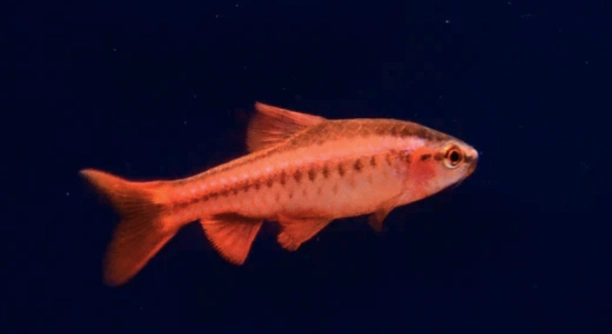
New cherry barbs are a beautiful addition to any aquarium, but introducing them to your tank requires a bit of caution. Proper quarantine procedures are essential to ensure their health and the safety of your existing fish.
To quarantine new cherry barbs safely, set up a separate tank with stable water conditions and no substrate. Monitor for any signs of illness for at least two weeks, ensuring that the water temperature, pH, and filtration are appropriate.
By following a few simple steps, you can provide the best environment for your new fish. Keep reading to learn more about how to manage the quarantine process effectively.
Why Quarantining Is Important for Cherry Barbs
Quarantining new cherry barbs is essential to ensure they don’t bring in any harmful diseases or parasites that could spread to your other fish. Even if the fish appear healthy, hidden illnesses may not show symptoms right away. A separate quarantine tank helps prevent the spread of potential issues and allows you to closely observe the new fish. During this period, they can also adapt to the water conditions in your tank before being introduced. Without quarantine, any diseases or infections that may arise could infect all your fish, causing stress and even death in some cases.
Setting up a quarantine tank for new fish is a simple process, but it requires attention to detail. You should ensure the quarantine tank is equipped with proper filtration and a heater to keep the water stable. Avoid using substrate to make cleaning easier. By quarantining your new fish, you’re giving them the best start in their new home.
A quarantine tank helps keep your established tank safe while giving your new cherry barbs time to adjust. It is a small step that makes a big difference in maintaining a healthy, thriving aquarium.
Setting Up the Quarantine Tank
The quarantine tank doesn’t need to be fancy, just functional. You can use a small tank, but it should be well-maintained.
Start by setting up the quarantine tank with clean water that mirrors your main tank’s conditions. This includes the right temperature, pH level, and hardness. Adding a filter to keep the water clean is important, but avoid any substrate as it makes the tank harder to clean. A sponge filter works well because it keeps things simple while still providing necessary filtration. A heater may be needed to maintain a stable temperature, especially if the room temperature fluctuates. It’s also a good idea to keep the lighting low and add a few decorations to help reduce stress on the new fish.
During the quarantine period, monitor the new cherry barbs for any unusual behavior, like lethargy or skin changes. These could indicate underlying health issues. It’s important to stay vigilant during the two-week observation period. The filter should be cleaned regularly to prevent any waste buildup, and the water should be changed at least once a week to keep things fresh. By keeping the quarantine tank as simple as possible, you reduce the chances of complications while giving your fish the best chance to thrive in their new environment.
Monitoring Health and Behavior
Once your new cherry barbs are in the quarantine tank, keeping a close eye on their health is crucial. Look for any signs of illness, such as faded colors, abnormal swimming patterns, or unusual marks on their skin. These can be early signs of disease or stress.
Monitor their behavior daily. Cherry barbs are typically active swimmers, so if you notice they’re staying in one spot or swimming erratically, it might indicate a problem. Check for signs of fin rot, ich, or external parasites. If they appear lethargic or have loss of appetite, it’s best to address the issue promptly. A careful observation will help catch any problems before they affect your entire tank. If you notice any troubling symptoms, it’s recommended to treat the fish in quarantine before introducing them to your main aquarium.
Adding a small amount of aquarium salt can sometimes help alleviate minor stress or external parasites, but be sure to research treatment options before using anything. Keep the tank clean, remove any uneaten food, and maintain stable water conditions to reduce stress and promote recovery.
Water Changes and Maintenance
Regular water changes are vital for keeping the quarantine tank in top condition. Aim to change about 25% of the water each week to remove waste and keep the water clean.
Clean water will prevent any buildup of harmful substances like ammonia or nitrates, which can stress out the fish and hinder their health. During water changes, use a gravel vacuum to clean the tank bottom if there is any waste accumulation. Make sure to match the water temperature and pH with the original water in the tank to avoid shocking the fish. This process will keep your quarantine tank stable and free from harmful contaminants, which is essential for the health of your cherry barbs.
Maintaining proper water quality is a key factor in preventing infections and diseases. If the water quality deteriorates, your new cherry barbs may show signs of illness. Keep the filter running and clean it regularly.
Feeding the New Cherry Barbs
Feeding the new cherry barbs properly during quarantine is important for their health. Stick to a light feeding schedule, offering them small amounts of food once or twice a day. This helps avoid water contamination from leftover food.
Cherry barbs will eat most types of fish flakes, but try offering a variety of foods like frozen or live brine shrimp, daphnia, or bloodworms to keep them healthy and well-fed. Avoid overfeeding, as this can lead to waste buildup and poor water quality. If you notice uneaten food, remove it to prevent water pollution.
Dealing with Stress and Adjusting to the Tank
New fish can experience stress while adjusting to their quarantine tank. Keeping things calm is essential to their recovery.
Try to minimize disturbances around the tank. Avoid loud noises or sudden movements, as this can stress the fish further. Providing a few plants or decorations can also help them feel more secure. Ensure the lighting is not too bright, as strong light may cause additional stress. A calm environment will allow your cherry barbs to feel more comfortable during their time in quarantine.
Observation Period
The observation period is critical before introducing your cherry barbs to the main tank. Make sure you wait for at least two weeks.
During this time, you can observe any potential symptoms that might appear. Keep the quarantine tank well-maintained to avoid unnecessary stress, and monitor the fish closely. If no issues arise after two weeks, it may be safe to introduce them to the main tank.
FAQ
How long should I quarantine new cherry barbs?
The quarantine period for new cherry barbs should be at least two weeks. This allows time for any potential diseases or parasites to show up, giving you the chance to treat them before they spread to your main tank. It’s essential to stick to this time frame even if the fish seem healthy, as some illnesses may not show symptoms immediately.
Can I quarantine cherry barbs in a smaller tank?
Yes, you can quarantine cherry barbs in a smaller tank, but it’s still important to maintain the same water quality and temperature as your main tank. A 5-10 gallon tank is usually sufficient for one or two cherry barbs. Just make sure the tank has proper filtration and a heater if necessary.
Do I need a filter in the quarantine tank?
Yes, you need a filter in the quarantine tank. A filter helps maintain water quality by removing waste and preventing harmful substances like ammonia and nitrates from building up. It’s important to choose a filter that provides good circulation but isn’t too strong, as it might stress out the fish. A sponge filter is a good option because it’s gentle and provides both mechanical and biological filtration.
What should the water temperature be during quarantine?
The water temperature in the quarantine tank should be maintained between 75°F and 80°F (24°C to 27°C). This temperature range is ideal for cherry barbs and will keep them comfortable. Avoid temperature fluctuations, as sudden changes can cause stress and weaken their immune system.
Can I add plants or decorations to the quarantine tank?
Yes, adding a few plants or decorations to the quarantine tank is a good idea. It helps reduce stress by providing hiding places for the cherry barbs. However, keep it simple—avoid anything too complicated to clean, and make sure all decorations are disinfected before placing them in the quarantine tank to prevent introducing contaminants.
Should I treat the fish with medications during quarantine?
Medications are generally not necessary unless you notice signs of illness or parasites. If the cherry barbs show any unusual symptoms such as skin lesions, abnormal swimming behavior, or loss of appetite, then you may need to treat them with a suitable medication. Always research the specific illness before administering any treatments.
How often should I feed cherry barbs in quarantine?
Feed your cherry barbs small amounts of food once or twice a day during quarantine. Overfeeding can cause water quality issues, so only give them as much food as they can consume within a few minutes. Be sure to remove any uneaten food to prevent it from decomposing in the tank.
Do I need to monitor the water quality in the quarantine tank?
Yes, monitoring the water quality in the quarantine tank is crucial. Test the water regularly for ammonia, nitrites, and nitrates. You should aim for zero ammonia and nitrites, and low levels of nitrates (under 20 ppm). If the water quality deteriorates, perform a water change and adjust as necessary to keep the fish comfortable.
Can I add other fish to the quarantine tank with the cherry barbs?
It’s not recommended to add other fish to the quarantine tank with your new cherry barbs unless they are also being quarantined. Mixing different species increases the risk of cross-contamination if one of them carries an illness. It’s better to keep each fish separate during quarantine to ensure any potential diseases don’t spread.
What are common signs of illness in cherry barbs?
Common signs of illness in cherry barbs include faded color, clamped fins, unusual swimming behavior, or lesions on the body. You might also notice increased gill movement, reduced appetite, or scratching against objects in the tank. If you observe any of these symptoms, it’s important to act quickly and isolate the fish for treatment.
How do I know when it’s safe to move the cherry barbs to the main tank?
It’s safe to move the cherry barbs to the main tank once the two-week quarantine period has passed without any signs of illness. Ensure that they are eating well, swimming actively, and showing no symptoms of disease. If there’s any doubt, it’s better to wait longer to avoid introducing sick fish into your main tank.
Can I use aquarium salt in the quarantine tank?
Aquarium salt can be used in the quarantine tank, but only in moderation. It can help treat minor skin issues or parasites and can reduce stress in some cases. Be sure to follow the recommended dosage based on your tank’s size and the specific needs of your cherry barbs. Avoid using salt with plants or in freshwater setups that aren’t tolerant to it.
Should I run the quarantine tank’s filter 24/7?
Yes, you should keep the quarantine tank’s filter running 24/7 to maintain water quality. Turning off the filter can lead to water stagnation, which increases the risk of harmful toxins building up. It also helps maintain stable oxygen levels in the tank, which is important for the health of the fish.
What’s the best way to handle stress in cherry barbs during quarantine?
To minimize stress in cherry barbs during quarantine, avoid excessive handling or disturbance. Keep the lighting dim, and avoid sudden movements or loud noises around the tank. Providing hiding spots with plants or decorations can help them feel more secure. A calm environment is key to keeping stress levels low and promoting a healthy quarantine period.
Final Thoughts
Quarantining new cherry barbs is a necessary step to keep your aquarium healthy and safe. While it may seem like an extra task, taking the time to properly isolate and observe your new fish can prevent the spread of diseases to your established tank. By setting up a separate quarantine tank, monitoring the water quality, and watching for any signs of illness, you are ensuring that your cherry barbs stay healthy. This small effort can save you from dealing with bigger problems down the line, such as treating a widespread disease or dealing with the loss of your other fish.
The quarantine process also allows the cherry barbs to adjust to the specific conditions in your tank, like water temperature and pH. While they may appear healthy at first, it’s important to remember that some illnesses don’t show up immediately. By keeping the new fish isolated for at least two weeks, you give yourself time to catch any potential issues before they affect the rest of your aquarium. The quarantine period is your opportunity to see how they behave, ensuring they’re eating well and showing no signs of stress or disease.
Finally, maintaining a quarantine tank doesn’t require a lot of effort, but it does require attention to detail. You don’t need to add a lot of decorations or complex equipment; a simple tank with basic filtration and stable water conditions is enough. Regular water changes, proper feeding, and careful observation will help ensure that your cherry barbs remain healthy and stress-free. Once the quarantine period is over, and you’re confident they’re free from illness, you can confidently introduce them to your main tank, knowing they will be a welcome and healthy addition to your aquarium.

Hello,
If you enjoy the content that we create, please consider saying a "Thank You!" by leaving a tip.
Every little bit helps us continue crafting quality advice that supports the health, happiness, and well-being of pets around the world, for pets of all shapes, sizes, and species.
We really appreciate the kindness and support that you show us!