
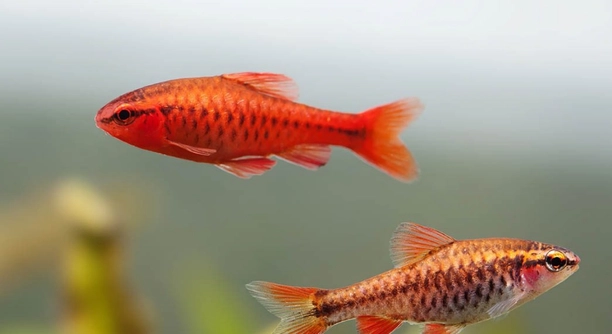
Cherry barbs are delightful and peaceful fish that thrive in well-maintained tanks. As a responsible keeper, it’s essential to have the right tools to ensure they stay happy and healthy. This article will cover seven must-have tools for any Cherry Barb enthusiast.
The essential tools for Cherry Barb keepers include a quality filtration system, water testing kits, an aquarium heater, a reliable fish net, a gravel vacuum, a tank thermometer, and an algae scraper. These tools help maintain a clean and stable environment for your fish.
With these tools, you can create a thriving aquatic environment for your Cherry Barbs. Each tool plays a vital role in ensuring their comfort and overall well-being.
1. A Quality Filtration System
A good filtration system is one of the most important tools for any Cherry Barb keeper. Filtration keeps the water clean by removing debris, toxins, and waste that can build up quickly in a tank. This ensures your fish have a healthy and stable environment. It’s crucial to choose a filter that’s suitable for the size of your tank. Cherry Barbs prefer water that’s clean but not too turbulent, so look for a filter with adjustable flow settings.
The right filter can also help maintain the proper water chemistry, ensuring that harmful substances like ammonia, nitrites, and nitrates stay at safe levels. Without a proper filtration system, water quality can deteriorate rapidly, leading to poor health for your Cherry Barbs. A filter also helps oxygenate the water, benefiting your fish in the long run.
When choosing a filtration system, think about your tank’s size and the specific needs of your Cherry Barbs. It’s essential to pick one that doesn’t produce excessive currents, as these can stress the fish. You should also make sure the filter is easy to clean and maintain.
2. Water Testing Kits
Water testing kits help you monitor the health of your tank. By testing for ammonia, nitrites, nitrates, and pH levels, you can ensure the water is safe for your Cherry Barbs.
Regular testing will allow you to make any necessary adjustments before problems arise. Monitoring water quality is key to keeping your fish healthy.
3. Aquarium Heater
An aquarium heater is essential for maintaining the right water temperature for Cherry Barbs. These fish thrive in temperatures between 74-80°F (23-27°C), and a stable, warm environment keeps them active and healthy. Without a heater, the water temperature may fluctuate, leading to stress.
A good heater will keep the water temperature consistent, even in cooler months. Be sure to choose one with an adjustable thermostat, so you can fine-tune the temperature. It’s also important to get a heater that is appropriate for the size of your tank. A heater that is too powerful for a small tank could overheat the water, which is equally harmful.
Check the heater regularly to ensure it’s functioning properly. A reliable heater will help prevent temperature-related health issues, such as lethargy or weakened immune systems. It’s worth investing in a quality heater to keep your Cherry Barbs comfortable and stress-free.
4. Fish Net
A fish net is a basic tool but vital for handling your Cherry Barbs safely. It helps move them without causing stress or injury. Choosing the right size and type is crucial for their comfort.
Using a soft, fine mesh net ensures your fish don’t get scratched or caught. It’s also helpful for cleaning the tank or moving your fish for water changes. A good fish net can make a simple task much easier and safer for your fish.
5. Gravel Vacuum
A gravel vacuum is an essential tool for cleaning the substrate of your aquarium. It helps remove debris, uneaten food, and fish waste from the gravel without disturbing the tank too much. Regular use keeps your water clear and reduces the risk of harmful buildups.
Using a gravel vacuum during water changes helps maintain water quality. Simply place the siphon in the gravel, and it will suck up waste while leaving the gravel undisturbed. Over time, this helps keep the tank looking clean and ensures the health of your Cherry Barbs.
6. Tank Thermometer
A tank thermometer allows you to monitor the water temperature accurately. Knowing the temperature is key to ensuring your Cherry Barbs live in a stable environment. Temperature fluctuations can cause stress or illness.
Regularly check the thermometer to make sure the water remains within the ideal range. Adjust the heater accordingly to maintain consistent warmth for your fish.
FAQ
How often should I clean my Cherry Barb tank?
You should clean your Cherry Barb tank at least once every two weeks. During these cleanings, remove debris, uneaten food, and fish waste. Perform a water change of about 25-30% to ensure good water quality. However, if you notice a drop in water clarity or an increase in algae growth, you might need to clean it more often. Regular maintenance will help keep your fish happy and prevent illness.
What is the ideal water temperature for Cherry Barbs?
Cherry Barbs thrive in temperatures between 74-80°F (23-27°C). It’s important to keep the water temperature stable to avoid stressing your fish. Extreme temperature fluctuations can weaken their immune system, making them more susceptible to diseases. Use a reliable aquarium heater and thermometer to maintain the right conditions for your fish.
Do Cherry Barbs need a specific type of substrate?
No, Cherry Barbs don’t require a specific type of substrate. They are adaptable and can live with a variety of substrates, including gravel, sand, or a mix of both. However, fine gravel or sand is often better since it prevents buildup of waste. This can make cleaning easier and maintain better water quality.
Can I keep Cherry Barbs with other fish?
Yes, Cherry Barbs are peaceful and do well with many other species. They make great community fish. However, avoid keeping them with aggressive or fin-nipping species. Some good tankmates for Cherry Barbs include other small, peaceful fish like Corydoras, tetras, and rasboras. Always ensure that the tankmates are of similar size and temperament.
How many Cherry Barbs should I keep together?
Cherry Barbs are social fish and should be kept in groups of at least five or six. Keeping them in a small group will help them feel secure and reduce stress. A larger school can also encourage natural behaviors like schooling, which will help make your aquarium more dynamic.
What do Cherry Barbs eat?
Cherry Barbs are omnivores and will eat a wide variety of foods. You can feed them high-quality flakes or pellets, supplemented with occasional live or frozen foods like brine shrimp or daphnia. You can also offer them vegetables like blanched spinach or zucchini for added nutrition. Make sure to vary their diet for balanced health.
Do Cherry Barbs require special water conditions?
While Cherry Barbs are not overly demanding when it comes to water parameters, they do prefer slightly acidic to neutral water with a pH between 6.0 and 7.5. Regular water testing is important to ensure these levels stay stable. They also prefer soft to moderately hard water, but they can adapt to a variety of conditions.
Are Cherry Barbs prone to diseases?
Like all fish, Cherry Barbs can get sick if water quality is poor or if they are stressed. Common diseases include ich, fin rot, and fungal infections. To prevent illnesses, maintain regular tank maintenance, feed a balanced diet, and avoid overcrowding. If you notice any signs of illness, such as faded colors or unusual swimming behavior, quarantine the affected fish and treat them promptly.
How can I tell if my Cherry Barbs are stressed?
Stressed Cherry Barbs may display signs such as faded colors, erratic swimming, or hiding more than usual. Stress can be caused by various factors, including poor water quality, incompatible tankmates, or changes in water temperature. If you notice stress, assess the tank conditions and make adjustments as needed.
Can I breed Cherry Barbs in my aquarium?
Yes, breeding Cherry Barbs in an aquarium is possible. To encourage breeding, provide plenty of hiding spots like plants or decorations. The males will often show brighter colors to attract the females. After mating, the females will lay eggs on plants or other surfaces. Remove the parents once the eggs are laid, as they may eat them. The eggs will hatch in a few days, and the baby fish can be fed infusoria or finely crushed flakes.
How long do Cherry Barbs live?
Cherry Barbs typically live for 3-5 years in an aquarium if kept in proper conditions. Providing a stable environment with consistent water parameters, a balanced diet, and regular maintenance will help them live a long and healthy life. Keeping them in a group will also reduce stress, improving their overall longevity.
Final Thoughts
Caring for Cherry Barbs is a rewarding experience that can bring life and color to your aquarium. These fish are relatively easy to keep, but they still require attention to their environment and needs. By ensuring that you have the right tools, such as a good filtration system, water testing kits, and a reliable heater, you can create a stable environment where your Cherry Barbs can thrive. Regular maintenance and monitoring of the water quality will help prevent common issues, keeping your fish healthy and happy for years.
Cherry Barbs are peaceful and adaptable fish, making them an excellent choice for beginners or experienced aquarium owners alike. While they don’t require complicated care routines, their well-being depends on maintaining consistent water conditions and providing them with proper food and space. If you keep them in a group, as they prefer, they will feel more comfortable and show more natural behaviors, creating an enjoyable display in your tank. These small but vibrant fish can live harmoniously with other peaceful species, making them a great addition to a community tank.
Overall, with the right knowledge and tools, Cherry Barbs are a low-maintenance yet stunning choice for any aquarium. They don’t demand a lot of attention, but they still need the basic essentials to live a healthy life. By following the steps outlined in this article, you can ensure that your Cherry Barbs thrive in their environment. Creating a suitable home for them doesn’t have to be difficult, and it can be deeply satisfying to watch them grow and flourish. Taking these simple steps can lead to a rewarding aquarium experience for both you and your fish.

Hello,
If you enjoy the content that we create, please consider saying a "Thank You!" by leaving a tip.
Every little bit helps us continue crafting quality advice that supports the health, happiness, and well-being of pets around the world, for pets of all shapes, sizes, and species.
We really appreciate the kindness and support that you show us!