
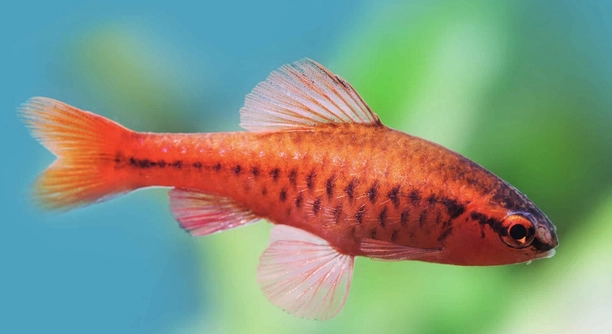
Cherry barbs are popular fish that make a great addition to any aquarium. They are active, colorful, and easy to care for, but as with any species, understanding their behavior is important. One common concern among fishkeepers is whether cherry barbs will eat baby shrimp.
Cherry barbs are omnivorous, and they may eat baby shrimp if given the opportunity. However, their primary diet consists of smaller invertebrates, plant matter, and commercial fish food, so they are not always actively predatory toward baby shrimp.
Understanding the dynamics between cherry barbs and baby shrimp will help you maintain a peaceful aquarium. This can guide you in creating the right environment for all your aquatic pets.
What Do Cherry Barbs Eat?
Cherry barbs are opportunistic eaters, which means they will consume a variety of foods. Their diet includes plant material, algae, and small invertebrates. In the wild, they might feed on smaller organisms like worms, insect larvae, and other tiny creatures. In captivity, they do well with a mix of high-quality flake food, pellets, and occasional live or frozen foods like brine shrimp or daphnia. These fish are generally peaceful and easy to feed, but their diet can vary depending on what is available in the aquarium.
While cherry barbs are not aggressive eaters, they are still opportunistic. They will not hesitate to nibble on small shrimp, particularly baby shrimp. This is part of their natural behavior of scavenging for food in the tank. However, they are not likely to actively hunt for baby shrimp unless the opportunity arises.
It’s important to feed cherry barbs a balanced diet. This helps them stay healthy and reduces the likelihood that they will go after your baby shrimp. Providing plenty of food ensures they won’t feel the need to seek out other, smaller tank mates.
Will Cherry Barbs Attack Baby Shrimp?
Cherry barbs are peaceful fish, but their feeding behavior might make them a threat to baby shrimp in certain situations. They do not typically target adult shrimp but may see baby shrimp as an easy snack.
If you have both cherry barbs and baby shrimp in your tank, it’s important to consider their interactions. Baby shrimp are small and delicate, making them more vulnerable to being eaten by other fish. Cherry barbs are known to nibble on smaller creatures, especially if they can’t find enough food elsewhere. The presence of baby shrimp may not be an issue if you provide sufficient food for the barbs, as this can reduce their temptation to go after the shrimp. Additionally, if there are plenty of hiding places in the tank, baby shrimp will have a better chance of staying safe from any fish that may want to snack on them. You can also add plants and decorations to give the shrimp more places to hide and stay out of sight from the cherry barbs.
Setting up your tank with a proper balance of food and hiding spots is key to keeping both cherry barbs and baby shrimp healthy in the same environment.
How to Protect Baby Shrimp from Cherry Barbs
The key to protecting baby shrimp from cherry barbs is ensuring that the shrimp have plenty of hiding places in the aquarium. Use plants, rocks, and decorations to create safe spots where shrimp can hide from the fish. This makes it harder for cherry barbs to find and eat them.
In addition to hiding places, maintaining a well-fed cherry barb population can reduce the chances of them hunting baby shrimp. When cherry barbs are consistently fed, they are less likely to see shrimp as a food source. Try adding live or frozen foods to keep them satisfied and avoid predatory behavior. A balanced diet will help discourage them from seeking out shrimp.
If you are especially concerned, consider separating the shrimp and the cherry barbs. This can be done by placing shrimp in a breeder box or a separate tank with a gentle filtration system. This gives the shrimp a better chance of surviving and thriving without the threat of being eaten.
Tank Setup Considerations for Both Species
When keeping both cherry barbs and baby shrimp in the same tank, the setup plays a large role in their interaction. Ensuring that your tank has plenty of plants, substrate, and hiding spots is essential for shrimp safety. A well-planted tank offers plenty of cover for shrimp, allowing them to stay hidden from the fish.
The tank should also have a proper filtration system that creates gentle water flow. Shrimp are sensitive to strong currents, and baby shrimp can be swept away if the water flow is too intense. A gentle filtration system ensures the shrimp can move freely without being carried off by the current.
For added protection, consider adding floating plants or moss to the surface of the water. This will give baby shrimp extra refuge, especially if they’re too small to hide among the larger plants. Creating a peaceful, balanced tank will help maintain a healthy environment for both cherry barbs and baby shrimp.
Feeding Cherry Barbs and Shrimp Together
Feeding both cherry barbs and baby shrimp together can be tricky. You want to make sure each species gets its fair share of food, and that the shrimp are not seen as food by the barbs. Offer enough food to prevent the barbs from hunting the shrimp.
To do this, provide a variety of foods like flakes, pellets, and live or frozen options. Scatter the food across the tank to give the shrimp a better chance to get some before the barbs can snatch it up. You might also want to feed the shrimp separately in a smaller area or in a breeder box.
The goal is to ensure that the cherry barbs are well-fed and not looking for extra snacks, while giving shrimp a chance to feed without being eaten. This will help create a balanced environment for both species.
Adding Hiding Spots for Baby Shrimp
Hiding spots for baby shrimp are crucial in a tank with cherry barbs. Adding dense plants, rocks, and decorations will give them more protection. Shrimp love to hide in these areas, especially if they’re small and vulnerable.
Consider adding moss or floating plants to the tank. These can serve as great hiding spots for baby shrimp. The more places they have to hide, the safer they will be from potential predators, like cherry barbs.
Can Cherry Barbs Live with Adult Shrimp?
Adult shrimp are generally safe from cherry barbs, as they are larger and more difficult to catch. Cherry barbs typically ignore adult shrimp if they are well-fed and don’t see them as a food source. However, it still depends on the individual fish’s behavior.
FAQ
Can cherry barbs eat baby shrimp?
Yes, cherry barbs may eat baby shrimp if they get the chance. While cherry barbs are generally peaceful, they are omnivores and will nibble on small invertebrates, including baby shrimp. If there is not enough food for the barbs, they may see baby shrimp as an easy snack. However, this behavior is not always guaranteed, and it depends on the individual fish and the tank environment. Ensuring that the barbs are well-fed and providing plenty of hiding spots for the shrimp can reduce the likelihood of this happening.
How can I stop cherry barbs from eating baby shrimp?
The best way to stop cherry barbs from eating baby shrimp is by providing a well-planted tank with plenty of hiding spots for the shrimp. Adding plants, rocks, and decorations helps create safe places where shrimp can avoid the barbs. In addition, ensure that the cherry barbs are fed adequately to reduce their interest in hunting the shrimp. A well-balanced diet, including live or frozen foods, will keep the barbs satisfied and less likely to go after small shrimp.
Do cherry barbs eat adult shrimp?
Cherry barbs typically do not eat adult shrimp. They are more likely to target smaller shrimp, such as babies, due to their size. Adult shrimp are harder to catch and less appealing as food, so cherry barbs usually ignore them. However, if a shrimp is weak, injured, or has molted and is vulnerable, the barbs may show some interest. To minimize the risk, ensure that the adult shrimp are healthy, well-fed, and have places to hide.
Can cherry barbs live peacefully with shrimp?
Cherry barbs can live peacefully with shrimp, especially if the shrimp are adults and have plenty of hiding spots. Cherry barbs are generally peaceful fish, but they may still eat baby shrimp if they get the opportunity. As long as the shrimp are provided with adequate cover and the cherry barbs are well-fed, both species can coexist in the same tank. It’s important to monitor their behavior and make adjustments as needed, like adding more plants or adjusting the diet.
Are cherry barbs aggressive toward other fish?
Cherry barbs are typically not aggressive toward other fish. They are peaceful and social, thriving in groups of at least five or six. They tend to get along well with other peaceful fish, such as tetras, gouramis, and other small community species. However, like any fish, they may become territorial during breeding times or if the tank is too small. Keeping cherry barbs with other non-aggressive fish will ensure a peaceful environment.
What is the best tank size for cherry barbs and shrimp?
For a peaceful tank that houses both cherry barbs and shrimp, a minimum tank size of 20 gallons is recommended. This size allows for plenty of space for both species to thrive. Larger tanks provide more room for plants, rocks, and hiding spots, which is especially important for shrimp. With proper filtration and regular maintenance, a 20-gallon tank can provide a stable and healthy environment for both cherry barbs and shrimp.
What other fish can cherry barbs live with?
Cherry barbs can live with a variety of other peaceful fish. Some good tankmates include tetras, guppies, rasboras, and other small, non-aggressive species. They are social fish and thrive in groups, so it’s ideal to keep them with other peaceful fish that enjoy the same water conditions. Avoid keeping cherry barbs with larger or more aggressive species, as they may intimidate or harm the barbs.
How do I know if my cherry barbs are hungry?
Cherry barbs are active and will usually come to the surface or swim near the tank’s front when they’re hungry. They may also become more aggressive in their foraging behavior if they haven’t been fed recently. A well-fed cherry barb will be calm and spend time swimming peacefully around the tank. If you notice that your cherry barbs are constantly searching for food or appear thin, it may be a sign that they are not getting enough to eat.
Do cherry barbs need live food?
Cherry barbs do not need live food, but they enjoy it as an occasional treat. They can thrive on a diet of high-quality flake or pellet food, supplemented with occasional live or frozen options like brine shrimp, daphnia, or bloodworms. Live food can help stimulate their natural hunting instincts and provide extra nutrients, but it is not necessary for their overall health. Make sure to feed them a balanced diet to keep them healthy.
What plants are best for cherry barbs and shrimp?
Cherry barbs and shrimp both benefit from a well-planted tank. Good plants for both species include java moss, anubias, hornwort, and floating plants like duckweed. These plants provide hiding spots for shrimp and help create a more natural environment for the fish. Plants also help maintain water quality by absorbing excess nutrients. A well-planted tank with a variety of plant types offers both food and protection for shrimp while giving cherry barbs a comfortable environment.
How often should I feed cherry barbs and shrimp?
Both cherry barbs and shrimp should be fed once or twice a day. For cherry barbs, offer a small amount of food that they can consume in a few minutes. Overfeeding can lead to water quality issues, so it’s better to feed smaller amounts more frequently. Baby shrimp can be fed twice a day with finely crushed food, algae wafers, or special shrimp food. Adults may only need to be fed once a day, depending on their size and activity level.
Can cherry barbs live without shrimp in the tank?
Yes, cherry barbs can live without shrimp in the tank. They are not dependent on shrimp for their diet or social behavior. Cherry barbs are active and social fish that do well in schools of their own kind. While they can coexist with shrimp, they do not require them to thrive. If you choose not to keep shrimp, cherry barbs will still be perfectly happy as long as they have other peaceful tank mates and a suitable environment.
Final Thoughts
When keeping cherry barbs and baby shrimp together, it’s important to understand their behaviors and needs. Cherry barbs are generally peaceful, but they are omnivores and might be tempted to eat small, vulnerable shrimp. Baby shrimp are more at risk because of their size, so it’s essential to create an environment that offers plenty of hiding spots. By adding plants, rocks, and decorations, you can help keep your shrimp safe from being eaten. It’s also beneficial to provide a balanced diet for the cherry barbs to reduce their urge to hunt small shrimp.
The overall success of keeping cherry barbs and shrimp together depends largely on tank setup and care. A well-fed cherry barb is less likely to target shrimp, so it’s important to ensure your fish are getting enough to eat. Feeding them regularly with a mix of high-quality food will keep them healthy and less focused on smaller creatures in the tank. Additionally, providing plenty of hiding spots for the shrimp is key. Floating plants, moss, or dense foliage can offer protection and make it harder for the fish to catch the shrimp. If you make these adjustments, the chances of peaceful coexistence increase.
Ultimately, both cherry barbs and shrimp can live harmoniously in the same tank with the right precautions. While there are risks to consider, such as baby shrimp being eaten, a well-maintained tank with a balance of food and hiding spots will support both species. If you’re setting up a community tank with these two, be mindful of the tank size, food distribution, and environment. With proper care, your cherry barbs can live peacefully alongside shrimp, creating a vibrant and diverse aquarium.

Hello,
If you enjoy the content that we create, please consider saying a "Thank You!" by leaving a tip.
Every little bit helps us continue crafting quality advice that supports the health, happiness, and well-being of pets around the world, for pets of all shapes, sizes, and species.
We really appreciate the kindness and support that you show us!