
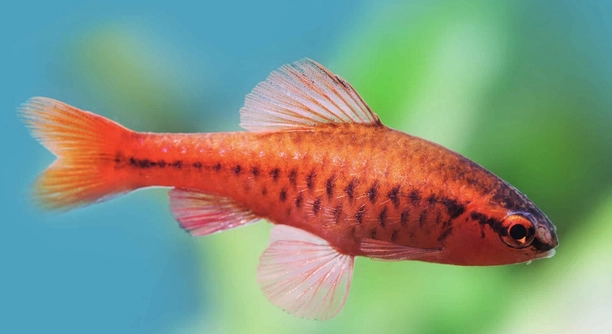
Cherry barbs are a popular species in freshwater aquariums, known for their vibrant color and playful behavior. Many aquarium enthusiasts may wonder about their cognitive abilities, particularly when it comes to learning through repetition.
Research indicates that cherry barbs, like many fish, can learn from repetition. This learning typically involves associating certain stimuli with specific outcomes. Fish are capable of recognizing patterns and forming memories based on repeated experiences, enhancing their behavior over time.
Understanding how cherry barbs learn can lead to better care and more effective training. The following information will provide insights into their cognitive abilities and behavior patterns.
How Cherry Barbs Learn: The Basics
Fish, including cherry barbs, have a surprising ability to learn from repetition. While they might not have the same complex learning capabilities as mammals, they can still form associations between specific actions and outcomes. This form of learning is often seen in aquarium setups, where fish can associate certain cues—like the sound of a feeding bell—with being fed. Over time, these behaviors become habitual.
Fish learning often happens when they are exposed to consistent patterns. For cherry barbs, repetition helps them understand what to expect in their environment. Once they recognize certain triggers, such as feeding time or changes in water conditions, they start responding accordingly. This learning process improves their behavior and adapts it to the regular routine in the tank. Understanding this can lead to a better aquarium setup and a more interactive experience with these vibrant fish.
Repetitive behaviors in cherry barbs demonstrate a simple form of learning. This pattern recognition helps them adapt to their environment and daily routines. As they continue to recognize and respond, their actions become more predictable.
The Role of Environmental Cues
Cherry barbs rely heavily on their environment for learning. Changes in light, sound, and movement can all serve as triggers for their behavior. Over time, they begin to associate these environmental cues with specific actions, like swimming towards the surface when the tank light turns on. This behavior shows how repetition is crucial for their cognitive development.
In aquariums, environmental consistency can support a cherry barb’s learning. For example, when they are fed at the same time every day, they quickly learn to anticipate food. They also start associating the presence of the aquarium filter with calmness, understanding that it signals the start of their active hours. Repetition strengthens these associations, allowing the fish to form a reliable response to their environment.
This predictable behavior, driven by repeated patterns, can be particularly useful for aquarium keepers. By maintaining a consistent routine, you can help your cherry barbs thrive and become more comfortable in their environment. Their learning habits will lead to a more stable, enjoyable tank for everyone.
How Repetition Affects Cherry Barb Behavior
Cherry barbs can form simple associations through repetition. By responding to consistent patterns, they begin to anticipate certain events. These learned behaviors help them adapt to their surroundings, making their actions more predictable. For example, they may swim to the surface when they hear a specific sound, expecting food.
This predictable behavior shows that cherry barbs can adjust based on repeated experiences. By associating cues, like feeding time or tank maintenance, with specific actions, they become more comfortable in their environment. Over time, these habits are reinforced, and they act more reliably in response to familiar patterns. This can improve their overall well-being.
Routine repetition not only helps cherry barbs feel secure but also enhances their interactions within the tank. The more they are exposed to consistent patterns, the better they can adjust to the rhythm of their environment. This is why keeping a steady schedule is crucial in promoting healthy, calm behavior.
The Impact of Training on Cherry Barbs
Training cherry barbs requires patience and consistency. While they may not be able to perform complex tricks like some other species, they can learn simple tasks. Repeating the same action, such as responding to food cues, will strengthen their ability to recognize patterns over time. This process is vital for their cognitive development.
By using consistent stimuli, aquarium keepers can encourage behaviors like swimming through hoops or following a hand. Training works best when there’s a clear, repetitive cue that the fish can associate with a reward, such as food or a change in environment. Repetition strengthens their understanding of the connection between the action and the reward.
Even with simple tasks, training cherry barbs allows for a deeper interaction between fish and keeper. With a well-established routine, they can start recognizing their keeper’s presence and behaviors. This not only enhances the tank experience but also promotes healthier, more active fish in the long run.
Repetition and Stress Reduction in Cherry Barbs
Consistent routines help reduce stress in cherry barbs. When they can predict what happens next, they feel more secure in their environment. This predictability makes them less anxious, allowing for smoother interactions within the tank. Stability plays a key role in their well-being.
Cherry barbs thrive on stability, and repetition contributes to that. By maintaining a regular feeding schedule or tank maintenance routine, they learn when to expect changes. Over time, they become more relaxed, and their behavior reflects a sense of comfort and trust in their surroundings.
The Role of Social Interaction
Social interaction can influence cherry barbs’ learning processes. These fish enjoy swimming together, and their social behavior can be enhanced through repetition. As they become more familiar with one another’s movements, they can mimic behaviors, reinforcing certain actions within the group. This social learning is crucial for their development.
Group dynamics play an important role in how cherry barbs adapt to their environment. By observing each other, they can form bonds and better respond to the tank’s cues. Repetition strengthens these social patterns, which can make them feel safer and more secure in their group.
Benefits of a Consistent Environment
A stable environment helps cherry barbs focus on learning. When their surroundings remain consistent, they’re better able to associate repetitive actions with outcomes. This sense of continuity supports their cognitive development and encourages predictable behaviors. Consistency also fosters a healthier and more active environment for the fish.
Final Thoughts
Cherry barbs, like many fish species, are capable of learning through repetition. By consistently exposing them to patterns, such as regular feeding times or changes in their environment, they can form associations that help them understand and adapt to their surroundings. While their learning process is not as complex as that of mammals, it is clear that repetition plays a significant role in their behavior and overall well-being. The ability to anticipate events reduces stress and creates a more comfortable environment for the fish, allowing them to thrive in their tank.
Creating a stable environment for cherry barbs is essential for encouraging this type of learning. When they are exposed to consistent routines, they become more familiar with the actions they need to take, whether it’s swimming to the surface for food or responding to environmental cues like the sound of a filter turning on. These predictable behaviors help them adapt to life in the tank, making them feel more secure. A sense of security reduces anxiety and allows them to focus on other aspects of their behavior, such as social interaction or exploration. By using repetition in feeding schedules, tank maintenance, and environmental changes, aquarium keepers can help their cherry barbs develop these habits over time.
While cherry barbs may not perform complex tasks, they can still benefit from consistent interaction and a reliable environment. Through repeated exposure to cues and patterns, they are able to learn what to expect and adjust their actions accordingly. This not only promotes a healthier, more active fish but also strengthens the bond between the fish and the aquarium keeper. By maintaining a consistent routine, you can ensure that your cherry barbs continue to thrive and enjoy a stable, stress-free life in their tank.

Hello,
If you enjoy the content that we create, please consider saying a "Thank You!" by leaving a tip.
Every little bit helps us continue crafting quality advice that supports the health, happiness, and well-being of pets around the world, for pets of all shapes, sizes, and species.
We really appreciate the kindness and support that you show us!