
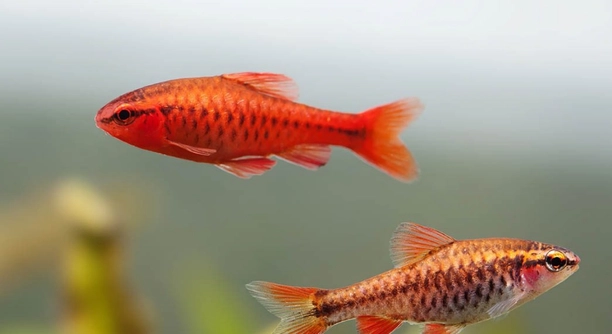
Keeping a healthy and vibrant Cherry Barb tank requires careful attention to what you add. Certain additions can harm the ecosystem and stress the fish. Understanding what not to include is key to maintaining a balanced environment.
Cherry Barbs thrive in stable environments, and introducing incompatible tank mates or improper accessories can disrupt their well-being. It’s essential to avoid items that can affect water quality, introduce aggression, or create unsafe conditions for these peaceful fish.
Some additions might seem harmless but can cause unexpected issues. Identifying these potential problems can help you maintain a thriving Cherry Barb tank.
Incompatible Tank Mates
Adding the wrong fish to your Cherry Barb tank can lead to aggression or stress. Some species might not mix well with Cherry Barbs, which are peaceful and prefer calm environments. Aggressive fish may harass your Barbs, leading to weakened health or even death. It’s important to choose tank mates that match the temperament of your Cherry Barbs. Species like tetras, guppies, or peaceful loaches can work well, as they share similar needs and are generally non-threatening.
Choosing compatible fish is essential for a harmonious tank. Keep an eye on how new fish interact with the Barbs, as even slight aggression can cause long-term stress.
When selecting tank mates, avoid any fish that are large, fast-moving, or territorial. Fish that are aggressive toward other species can create an unsafe environment for Cherry Barbs. Additionally, certain species may have different water requirements, which could affect the overall health of your tank. Mixing species that prefer different temperatures, pH levels, or water hardness can lead to instability, causing discomfort for all fish. Always research new additions before introducing them to your tank.
Excessive Decorations
It’s easy to overdo it with decorations, but they can create unnecessary stress in the tank. Too many decorations can crowd the space, making it harder for the Cherry Barbs to swim freely. Fish need space to thrive, and cramped conditions lead to poor health.
Overdecorating a tank can interfere with water flow and filtration. This can lead to poor water quality, which is harmful to all tank inhabitants. Instead of filling the tank with multiple objects, focus on keeping the environment open and natural. Simple, easy-to-clean decorations will help maintain water quality and allow your fish to move comfortably.
By carefully selecting decorations that add value to the tank without overcrowding, you ensure a better environment for your Cherry Barbs. Opt for smooth, non-abrasive items and place them strategically. Avoid sharp or large decorations that could injure your fish. A well-planned tank is healthier and more aesthetically pleasing. A clean, uncluttered tank promotes natural behavior and encourages the well-being of your fish.
Overfeeding
Overfeeding can lead to poor water quality and health issues for Cherry Barbs. Leftover food breaks down, creating ammonia, which harms the fish. It’s easy to assume they’re still hungry, but it’s better to feed smaller amounts and adjust based on how much they eat in a few minutes.
Cherry Barbs have small stomachs and can’t eat large amounts at once. Feeding them excess food increases the risk of overfeeding, which leads to higher levels of waste in the tank. This can result in a spike in toxins, which affects the water quality and stresses the fish. Regular water changes are important to maintain balance.
To avoid overfeeding, feed Cherry Barbs twice a day and only offer as much as they can consume in 2-3 minutes. Any leftover food should be removed promptly to prevent it from decomposing in the tank. A consistent feeding schedule with small portions keeps the tank clean and the fish healthy.
Poor Water Quality
Water quality is crucial for Cherry Barbs. Poor water conditions lead to stress, diseases, and even death. Cherry Barbs thrive in slightly acidic to neutral water with a temperature range of 74-79°F. It’s important to regularly check parameters like pH, ammonia, nitrate, and nitrite levels.
Routine maintenance and water testing help keep the environment safe for the fish. Ammonia and nitrite should always be at zero, while nitrate levels should stay below 20ppm. Water changes are essential, typically around 25-30% every 1-2 weeks. If you notice changes in fish behavior, it’s time to test the water.
Maintaining water quality also involves cleaning the tank’s filter, checking for dead plant matter, and ensuring the filtration system is efficient. A high-quality filter will help maintain stable water conditions by removing waste and debris. Keeping the tank clean ensures Cherry Barbs can thrive without the stress of fluctuating water conditions.
Harsh Substrates
Sharp or rough substrates can harm Cherry Barbs, causing injuries. Avoid using gravel or crushed coral with rough edges, as it can scrape their sensitive bodies and fins. Opt for smoother substrates like fine sand or rounded pebbles to ensure a safer environment for your fish.
Rough substrates also make it harder to clean the tank. Debris gets stuck between jagged rocks, creating areas where waste can accumulate. This can lead to poor water quality and stress for your Cherry Barbs. A smooth substrate helps with easier cleaning and reduces the buildup of harmful toxins.
Excessive Lighting
Too much light can stress your Cherry Barbs and encourage algae growth. While some light is necessary for a healthy tank, excessive exposure can cause unwanted issues. It’s best to limit lighting to about 8-10 hours a day to maintain a balanced environment.
Cherry Barbs prefer a dimmer environment with spots of light and shade. Excessive lighting can disrupt their natural behaviors, making them more prone to stress and illness. Consider using a timer to keep the light consistent, ensuring your fish get a healthy light cycle.
Chemical Additives
Chemical additives, like those used for water conditioning or pH control, should be used cautiously in a Cherry Barb tank. Many of these products can disrupt the natural balance of the tank and harm your fish. Use them sparingly and always follow the instructions.
Adding chemicals to alter water conditions too frequently can lead to instability, which creates stress for your Cherry Barbs. Stick to natural water conditions, and if additives are necessary, test the water first to understand what adjustments need to be made. Consistency is key to maintaining a healthy environment.
FAQ
What are the best tank mates for Cherry Barbs?
Cherry Barbs are peaceful and do best with similarly calm species. Tetras, guppies, rasboras, and peaceful loaches work well with Cherry Barbs. Avoid large or aggressive fish that might stress them out or compete for food. Consider the size and temperament of any fish before introducing them to ensure compatibility.
Can Cherry Barbs live with other barb species?
Yes, Cherry Barbs can live with other barb species, but it’s important to choose other peaceful types. Species like Tiger Barbs may be too aggressive for Cherry Barbs, so it’s best to avoid those. Smaller, calm barbs like Odessa or Rainbow Barbs make better companions.
How often should I feed my Cherry Barbs?
Feed Cherry Barbs once or twice a day, offering only as much as they can consume in a few minutes. Overfeeding can lead to water quality issues, so it’s better to offer smaller portions and adjust based on how quickly they eat. It’s important to avoid leaving leftover food in the tank.
Do Cherry Barbs need a specific type of filter?
Cherry Barbs don’t require a specific type of filter, but they do need one that provides gentle filtration. A filter with adjustable flow is ideal to prevent strong currents from stressing the fish. Ensure that the filter is capable of handling the tank’s size and maintaining water quality.
What is the ideal tank size for Cherry Barbs?
Cherry Barbs do best in tanks of at least 20 gallons. A larger tank provides more space for them to swim and helps maintain water quality. If you plan to keep a group of Cherry Barbs or other tank mates, opt for a larger tank to avoid overcrowding.
Can Cherry Barbs live with shrimp?
Yes, Cherry Barbs can live with shrimp. They are unlikely to bother larger species of shrimp, such as Amano or Ghost Shrimp. However, small shrimp or baby shrimp could be at risk of being eaten, as Cherry Barbs may view them as a snack. Make sure to provide plenty of hiding spaces.
What water conditions do Cherry Barbs prefer?
Cherry Barbs prefer slightly acidic to neutral water, with a pH between 6.0 and 7.5. The water temperature should be between 74°F and 79°F. Ensure that the water is soft to moderately hard, as extremes in water hardness can stress the fish.
How long do Cherry Barbs live?
Cherry Barbs typically live for around 3 to 5 years with proper care. Their lifespan can be influenced by water quality, diet, and tank conditions. Maintaining a stable environment with clean water and avoiding overfeeding can help extend their life expectancy.
Do Cherry Barbs breed easily?
Cherry Barbs can breed relatively easily in the right conditions. To encourage breeding, provide plenty of plants for the females to lay their eggs on. You may need to separate the parents after breeding, as they might eat their eggs or fry. Keeping the water conditions optimal is essential for successful breeding.
Are Cherry Barbs schooling fish?
Yes, Cherry Barbs are schooling fish and feel most comfortable in groups of at least 5-6 individuals. Keeping them in a group allows them to display natural behaviors, reduces stress, and makes them more active and social. A larger school of Cherry Barbs can create a more dynamic and engaging tank display.
Do Cherry Barbs need a lot of hiding places?
While Cherry Barbs are social, providing hiding spots is still important. They enjoy having areas to retreat to when they feel stressed or need privacy. Plants, rocks, or decorations offer suitable hiding places, especially when keeping them with other species. It gives them a chance to rest and feel safe.
Can Cherry Barbs tolerate salt in their tank?
Cherry Barbs do not require salt in their tank and should generally be kept in freshwater. Salt can be harmful to them, especially if used in excess. Some aquarists use salt for treating certain illnesses, but it should only be used when necessary and under specific circumstances.
How do I tell if my Cherry Barbs are stressed?
Stressed Cherry Barbs may exhibit signs like faded colors, reduced activity, or hiding more than usual. They may also swim erratically or show signs of fin damage. Poor water quality, aggressive tank mates, or improper diet can all cause stress in Cherry Barbs.
Can I keep Cherry Barbs in a planted tank?
Yes, Cherry Barbs thrive in planted tanks. Live plants help create a more natural environment and provide hiding spots, improving the overall health and happiness of the fish. Be sure to choose plants that are easy to care for and won’t overcrowd the tank.
Are Cherry Barbs active during the day or night?
Cherry Barbs are diurnal, meaning they are most active during the day. They will swim around the tank, exploring and interacting with their tank mates. At night, they become less active and may rest in plants or other hiding spots. Keep lighting consistent to maintain a healthy day-night cycle for them.
Can I use driftwood in my Cherry Barb tank?
Yes, driftwood can be a great addition to a Cherry Barb tank. It provides hiding places and creates a more natural environment. However, be aware that driftwood can lower the pH of the water over time, so monitor the water conditions regularly to ensure they stay within the safe range for your fish.
Do Cherry Barbs need a lot of oxygen in the tank?
Cherry Barbs prefer well-oxygenated water, but they do not need high levels of oxygen like some other fish. A good filter and surface agitation will provide enough oxygen for them. If you notice your Cherry Barbs gasping at the surface, it could indicate that the oxygen levels are too low.
What types of food do Cherry Barbs eat?
Cherry Barbs are omnivores and will eat a variety of foods. Offer them high-quality flake food, pellets, or live foods like brine shrimp or daphnia. They also enjoy blanched vegetables such as spinach or zucchini. A varied diet helps keep them healthy and vibrant.
Final Thoughts
Caring for Cherry Barbs can be a rewarding experience. These peaceful, small fish are well-suited for community tanks and adapt well to various water conditions. They are a good choice for both beginner and experienced aquarium owners. With the right environment, diet, and tank mates, Cherry Barbs can live for several years and thrive in a home aquarium. The key is to maintain stable water conditions, avoid overfeeding, and provide a safe, stress-free space for them to live.
Creating an ideal habitat for Cherry Barbs includes providing smooth substrates, proper lighting, and enough swimming space. They prefer plants for hiding and foraging, so a planted tank works well for them. Cherry Barbs also appreciate soft, slightly acidic water, so ensuring the right water parameters is essential. Keeping the water temperature stable and providing them with suitable tank mates will help reduce stress and allow your Cherry Barbs to thrive. A peaceful environment will encourage natural behavior and keep them healthy.
Lastly, it’s important to observe your Cherry Barbs regularly for any signs of stress or illness. Early detection of problems can prevent issues from becoming more serious. Regular water changes and maintaining good tank hygiene will help ensure your fish stay healthy. Cherry Barbs can be a vibrant and delightful addition to any tank when given the proper care and attention. With the right setup and routine maintenance, they will bring color and life to your aquarium for years to come.

Hello,
If you enjoy the content that we create, please consider saying a "Thank You!" by leaving a tip.
Every little bit helps us continue crafting quality advice that supports the health, happiness, and well-being of pets around the world, for pets of all shapes, sizes, and species.
We really appreciate the kindness and support that you show us!