
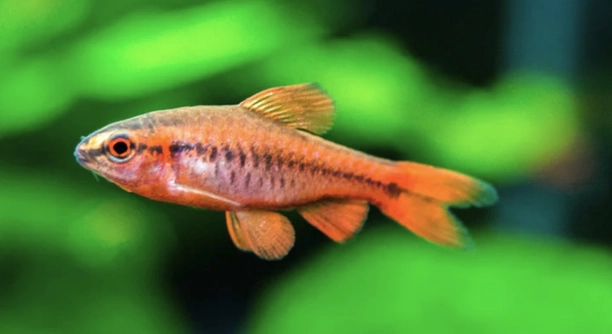
Cherry barbs are a popular fish species among aquarium enthusiasts. If you want to encourage breeding, it’s important to understand the key factors that support their spawning behavior. In this article, we’ll explore simple ways to help.
Ensuring optimal water conditions, providing proper diet, and maintaining the right tank environment are key strategies to encourage cherry barb spawning. Factors such as water temperature, lighting, and tank mates play crucial roles in stimulating breeding behavior.
By adjusting your aquarium setup and habits, you can promote a healthy and thriving environment for these vibrant fish.
Water Conditions for Cherry Barb Spawning
Water quality is crucial for encouraging cherry barb spawning. These fish thrive in soft, slightly acidic water with a pH between 6.0 and 7.5. Regular water changes and maintaining clean tank conditions are essential to keep the fish healthy and ready to breed. Cherry barbs prefer temperatures between 75°F and 80°F (24°C to 27°C), so keeping the water in this range can trigger spawning behaviors. Make sure to monitor ammonia, nitrate, and nitrite levels to avoid any disruptions in the breeding process.
In addition to maintaining good water conditions, ensure that your aquarium has a proper filtration system. A gentle filter will keep the water clean without disturbing the delicate balance that cherry barbs need for successful spawning. Avoid strong currents, as these can stress the fish, making it harder for them to breed.
Lastly, try setting up a breeding tank with dim lighting. Cherry barbs tend to spawn more easily in subdued light conditions. The right setup can make all the difference when encouraging their natural spawning behavior.
Provide the Right Diet
Providing a balanced and varied diet helps prepare cherry barbs for breeding. A healthy fish is more likely to spawn successfully.
Offering a mix of high-quality flakes, pellets, and live or frozen foods like brine shrimp can improve the chances of spawning. The added nutrients help boost the fish’s health and reproductive readiness.
Tank Setup for Cherry Barb Spawning
A proper tank setup is essential for cherry barbs to feel comfortable enough to spawn. Provide plenty of plants and hiding spots, as these will give the fish the privacy they need. Use soft, fine-leaved plants like java moss, which can help the fish feel safe. A few floating plants can also create a more natural environment, encouraging breeding.
Adding a separate breeding area or a spawning mop can also help trigger spawning. These areas allow female fish to lay eggs in a secure spot, away from other fish that might disturb the process. Make sure the tank isn’t overcrowded, as this can cause stress and hinder spawning.
Lastly, ensure there is a good balance of light and darkness. Cherry barbs are more likely to breed in low light. You can adjust the lighting schedule to mimic natural daylight hours, helping to regulate the breeding cycle.
Tank Mates for Cherry Barbs
Choosing the right tank mates is vital for a stress-free breeding environment. Avoid aggressive fish that might intimidate or harm your cherry barbs. Small, peaceful species like tetras or rasboras are great companions for cherry barbs. These fish won’t compete for resources or disrupt the spawning process.
Keep in mind that cherry barbs may spawn more easily in a tank where they feel safe and unthreatened. Having other peaceful fish around can encourage social behavior without the added stress of territorial aggression. When the barbs feel calm and secure, they are more likely to engage in spawning activities.
Temperature Control for Cherry Barb Spawning
Temperature plays a crucial role in stimulating cherry barbs to spawn. Maintaining a stable water temperature between 75°F and 80°F (24°C to 27°C) mimics their natural breeding conditions. Small fluctuations in temperature can trigger spawning behavior, signaling to the fish that it’s time to reproduce.
Heating pads or aquarium heaters can help regulate the tank’s temperature to meet these requirements. Be sure to monitor the water with a thermometer regularly to prevent temperature spikes or drops that may disrupt spawning attempts.
Water Hardness and pH
Cherry barbs thrive in soft water with a slightly acidic to neutral pH. Aim for a pH between 6.0 and 7.5 to encourage spawning. Hard water can interfere with their ability to breed.
Test the water regularly to ensure it stays within the desired range. This small adjustment can greatly influence your fish’s readiness to spawn.
Lighting Conditions for Spawning
Lighting conditions can impact cherry barb spawning. They breed better under dim lighting, mimicking their natural environment. Use low-intensity lights or a lighting timer to replicate day and night cycles. This helps regulate their biological clock and encourages them to spawn.
FAQ
How do I know when my cherry barbs are ready to spawn?
Cherry barbs often show signs of readiness when the males start displaying more vibrant colors, especially during courtship. They may also engage in swimming displays, where they chase the females around the tank. When the female is full of eggs, she may become rounder, and both sexes will exhibit increased activity.
What do I need to do to prepare the tank for cherry barb spawning?
To prepare the tank, ensure the water conditions are ideal, with a pH between 6.0 and 7.5 and a temperature around 75°F to 80°F. Add plenty of plants, particularly fine-leaved varieties like java moss, which provide hiding spots for the eggs. A separate breeding area or spawning mop is also helpful. Make sure the tank is well-filtered but without strong currents.
Can I breed cherry barbs in a community tank?
Yes, you can breed cherry barbs in a community tank, but it’s better to set up a separate breeding area to increase the chances of successful spawning. The presence of peaceful tank mates can help reduce stress, but ensure no aggressive fish that might disturb the breeding process. You may also want to remove adult fish after the eggs are laid, as they could eat the eggs or fry.
How often do cherry barbs spawn?
Cherry barbs typically spawn during their breeding season, which can occur several times a year under the right conditions. However, consistent temperature, lighting, and water quality are necessary to encourage regular spawning. In optimal conditions, you might see spawning every few weeks, especially in a dedicated breeding setup.
How long does it take for cherry barb eggs to hatch?
Cherry barb eggs usually hatch within 24 to 36 hours after being laid, depending on the water temperature. Warmer water speeds up the process, while cooler water may delay hatching. Once hatched, the fry will remain in the egg sack for another 24 to 48 hours before becoming free-swimming.
What should I feed cherry barb fry?
Once the fry are free-swimming, feed them a diet of finely crushed flake food, baby brine shrimp, or infusoria. These small foods are perfect for the young fish, helping them grow and develop. It’s important to feed the fry multiple times a day in small amounts to prevent overfeeding and maintain water quality.
Can I breed cherry barbs with other fish in the tank?
Breeding cherry barbs with other species in the tank can be difficult due to the potential for aggression and competition for space. It’s best to breed them in a separate setup with their own kind, where they can focus on courtship and spawning without disruption. If breeding in a community tank, choose peaceful tank mates that won’t interfere with the process.
Do I need to remove the male cherry barb after spawning?
After spawning, it’s a good idea to remove the male and any other adult fish from the breeding tank. The male may become aggressive towards the female after the eggs are laid, and other fish might eat the eggs or fry. Removing them ensures the best chance for the eggs to hatch and for the fry to survive.
How long does it take for cherry barbs to reach maturity?
Cherry barbs generally reach maturity in about 6 to 8 months. However, the exact time can vary depending on water conditions, diet, and the overall environment. A well-maintained tank with optimal conditions will encourage quicker growth and earlier breeding.
What should I do if my cherry barbs aren’t spawning?
If your cherry barbs aren’t spawning, check the water conditions first. Ensure the temperature, pH, and water hardness are within the ideal range. Also, provide a varied and nutritious diet. Sometimes, they may need a trigger like a slight temperature increase or a change in light cycle to spark breeding behavior.
How can I tell the difference between male and female cherry barbs?
Male cherry barbs are typically more colorful, with bright red or orange markings, particularly on their fins. Females are more subdued in color, usually a pale tan or light brown. Males also tend to be slimmer, while females are rounder, especially when full of eggs.
What is the best time of day to encourage cherry barb spawning?
Cherry barbs usually spawn in the early morning or evening when the lighting conditions are softer. Ensure that your tank’s lighting cycle simulates natural day and night patterns, with dimmer lighting in the evening to help trigger spawning behavior.
Can cherry barb eggs survive in water with high nitrate levels?
High nitrate levels can be harmful to cherry barb eggs and may prevent them from hatching. It’s crucial to maintain low nitrate levels to ensure the eggs and fry remain healthy. Regular water changes and monitoring water parameters can help avoid high nitrate levels.
How can I prevent cherry barb eggs from being eaten by other fish?
To prevent eggs from being eaten, it’s best to set up a breeding tank or a separate breeding area. Use spawning mops or fine-leaved plants to provide a safe space for the eggs. Removing adult fish after spawning can also ensure the eggs are left undisturbed.
Do I need to use a heater for cherry barb breeding?
Yes, a heater is recommended to maintain a stable water temperature between 75°F and 80°F, which is ideal for breeding. Stable temperature control helps trigger spawning behavior and keeps the eggs in the best conditions for hatching.
What other environmental factors can help with cherry barb spawning?
Aside from temperature and water quality, mimicking seasonal changes can help stimulate cherry barb spawning. For instance, changing the light cycle to reflect shorter days or adding a small amount of freshwater during water changes can simulate rainy season conditions, triggering breeding behavior.
Can cherry barbs breed year-round?
Under ideal conditions, cherry barbs can breed year-round. However, their breeding activity often peaks during specific times of the year when environmental factors, like water temperature and light intensity, align with their natural reproductive cycle. Regular care and proper environmental setup are key to encouraging consistent breeding.
Final Thoughts
Encouraging cherry barb spawning is a relatively simple process once you understand the basic needs of these fish. By focusing on their water quality, temperature, and light conditions, you can create an environment that stimulates natural breeding behavior. Regular maintenance of the tank and providing the right conditions for both males and females is key. If you’re setting up a breeding tank, consider providing enough hiding spots for the eggs, such as fine-leaved plants or spawning mops. This ensures the eggs are protected from potential predators, including the adult fish themselves.
It’s important to remember that patience plays a big role in breeding cherry barbs. Even after setting up the perfect environment, you might not see immediate results. The fish need time to adjust to their surroundings, and several attempts may be required before successful spawning occurs. Keeping the water clean and stable, while offering a nutritious diet, will help encourage your cherry barbs to breed more readily. Be sure to monitor water parameters regularly and make adjustments as needed. Temperature, pH levels, and water hardness all play a significant role in triggering the spawning behavior.
While cherry barb spawning can be a rewarding experience, it’s crucial to understand that not every attempt will result in success. Sometimes, despite all the right conditions, the fish may not spawn or the eggs may not hatch. This can happen for various reasons, from slight changes in water chemistry to the fish’s own cycles. By continually observing and adjusting the environment, you’ll improve your chances over time. With persistence and care, you’ll eventually witness the joy of watching your cherry barbs successfully spawn and their fry grow into healthy, active fish.

Hello,
If you enjoy the content that we create, please consider saying a "Thank You!" by leaving a tip.
Every little bit helps us continue crafting quality advice that supports the health, happiness, and well-being of pets around the world, for pets of all shapes, sizes, and species.
We really appreciate the kindness and support that you show us!