
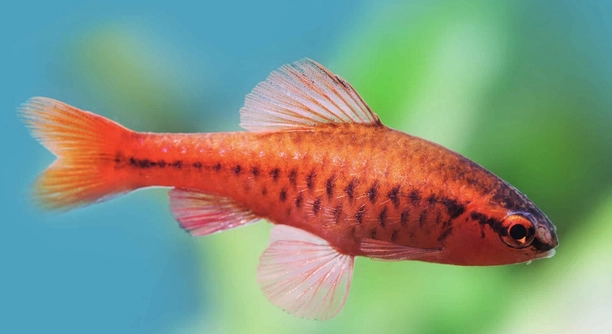
Cherry Barbs and Nerite Snails are popular aquarium choices. Both species add beauty and function to your tank, but it’s important to consider their compatibility for a peaceful environment. Knowing how they interact can help prevent conflicts.
Cherry Barbs are generally peaceful and non-aggressive, making them safe to house with Nerite Snails. However, monitoring the tank’s dynamics is essential, as individual fish may have different temperaments, potentially causing stress to the snails.
Ensuring a harmonious environment between your Cherry Barbs and Nerite Snails requires attention to their behavior and environment.
Cherry Barbs and Nerite Snails: Understanding Their Behavior
Cherry Barbs are peaceful, social fish that typically get along with other tank mates. They can live with other non-aggressive species, including Nerite Snails. However, like all fish, Cherry Barbs have individual personalities, and some may show aggression. It’s important to observe their interactions in a shared tank. These fish prefer a tank with plenty of swimming space and hiding spots. When kept in ideal conditions, Cherry Barbs are unlikely to harm Nerite Snails, as their primary focus is often on feeding and swimming.
Nerite Snails are calm creatures that rarely pose a threat to other aquarium inhabitants. They spend their time cleaning algae and debris, moving slowly across tank surfaces. This peaceful nature makes them a great companion to most fish, including Cherry Barbs.
While Cherry Barbs may not harm Nerite Snails directly, it’s important to monitor the tank. Cherry Barbs may become territorial or nip at slower-moving tank mates. Providing plenty of hiding places for the snails ensures they can avoid any unwanted attention.
Potential Conflicts and How to Avoid Them
There is a small chance of conflict between Cherry Barbs and Nerite Snails, especially if the tank conditions are not ideal. Overcrowding or a lack of hiding spaces can increase stress levels for both species, leading to tension. Ensuring a balanced environment is key to keeping peace.
One way to prevent potential issues is to ensure that your tank is spacious enough for both species. Cherry Barbs enjoy having space to swim, so a larger tank can help reduce territorial behavior. Adding plants or decorations for the snails to hide in also gives them more security. The more room your aquarium offers, the less likely it is that your Cherry Barbs will feel threatened or behave aggressively towards the Nerite Snails.
Proper tank maintenance is also crucial. Regular water changes and cleaning the tank of algae will help keep both species healthy. By staying on top of water quality, you can avoid potential stressors that could affect both the Cherry Barbs and Nerite Snails.
Tank Size and Space Requirements
Cherry Barbs do well in tanks of at least 20 gallons, which provides enough room for them to swim and explore. Nerite Snails also need space to move around and graze on algae. If your tank is too small, both species may feel cramped, leading to stress and aggression.
A tank that’s too small can limit the movement of both Cherry Barbs and Nerite Snails. This can make the fish territorial and possibly nip at the snails. It’s essential to provide a spacious environment where both species can coexist without feeling crowded. In larger tanks, they can avoid each other and maintain peaceful behavior.
Having plenty of swimming space also allows Cherry Barbs to engage in their natural behaviors, like schooling. This helps reduce stress. Additionally, giving Nerite Snails areas to hide, such as rocks or plants, allows them to move freely without being bothered. A bigger tank benefits both species, contributing to a balanced ecosystem.
Water Parameters and Their Impact
Cherry Barbs and Nerite Snails share similar water requirements, making it easier to keep them together. Both species thrive in temperatures between 72-78°F and a pH range of 6.5 to 7.5. Consistent water parameters are crucial for their well-being.
When water quality is optimal, both species tend to be more active and healthier. Poor water conditions, such as fluctuating pH or high ammonia levels, can stress out both Cherry Barbs and Nerite Snails. This stress may lead to aggression or health issues, affecting their behavior and interactions. It’s important to regularly test the water to ensure that it remains stable.
Adding a filtration system will help maintain clean water, removing toxins that can build up over time. Cherry Barbs and Nerite Snails both benefit from clear, well-filtered water. Make sure to do regular water changes to keep the tank environment as healthy as possible.
Feeding and Diet
Cherry Barbs are omnivores and enjoy a varied diet that includes flakes, pellets, and occasional live food like brine shrimp. Nerite Snails, on the other hand, are herbivores and primarily feed on algae. Their diet doesn’t overlap much, so there’s no direct competition for food.
It’s important to provide enough food for both species to prevent any issues. Overfeeding can lead to excess waste, which negatively impacts water quality. Cherry Barbs will typically eat what’s left over, but if there’s not enough algae for the snails, you may need to supplement their diet with algae wafers.
Both species benefit from a balanced diet, with Cherry Barbs needing protein for growth and snails requiring algae for essential nutrients. By offering a variety of food types, you’ll keep both healthy and content. Be mindful of any leftovers to avoid tank contamination.
Behavior Monitoring
While both Cherry Barbs and Nerite Snails are peaceful, it’s always best to observe their interactions closely. If you notice that your Cherry Barbs are consistently chasing or nipping at the snails, they might feel crowded or stressed.
Take note of any sudden behavioral changes, such as snails becoming more reclusive or stressed. If the barbs are too aggressive, you may need to rearrange the tank or add more hiding spots for the snails.
Compatibility with Other Tank Mates
If you’re considering adding other species, it’s best to stick to peaceful fish that won’t threaten the Cherry Barbs or Nerite Snails. Aggressive fish may disturb the balance in the tank, causing more stress.
FAQ
Can Cherry Barbs eat algae, and will they help with cleaning the tank?
Cherry Barbs are not known for eating algae, although they may nibble on small amounts of it occasionally. Their primary diet consists of flake food, pellets, and live or frozen options. Nerite Snails are much better equipped for algae cleaning. These snails are great at keeping the tank free from algae, especially on glass and decorations. While Cherry Barbs won’t directly help with algae control, they will still contribute to tank health by helping maintain balance in the ecosystem.
Will Cherry Barbs eat Nerite Snails?
Cherry Barbs are generally peaceful and not likely to eat Nerite Snails. They are too small to pose a threat to the snails, and their focus is typically on plants, swimming, and food. However, if a Cherry Barb feels threatened or stressed, it might become more aggressive, potentially nipping at slower-moving tank mates, including snails. Keeping an eye on tank dynamics will ensure that no aggression develops.
Are Nerite Snails safe with other fish species?
Yes, Nerite Snails are peaceful and usually safe with most fish. They do not pose a threat to fish, as they spend their time grazing on algae and debris. However, it’s important to ensure that the other fish species in the tank are not overly aggressive or territorial. In a tank with peaceful fish like Cherry Barbs, Nerite Snails can thrive without concern.
How can I tell if my Cherry Barbs are stressed?
Cherry Barbs typically show signs of stress through erratic swimming, loss of appetite, hiding, or becoming more aggressive towards other fish. If the fish are constantly chasing each other or hiding at the bottom of the tank, it’s a sign that something might be wrong. Stress can be caused by poor water quality, overcrowding, or incompatible tank mates.
Do I need to supplement the diet of Nerite Snails?
Nerite Snails primarily feed on algae, but if there is not enough algae in the tank, it’s important to supplement their diet with algae wafers. You can also offer vegetables like zucchini or spinach, which will give them the nutrients they need to stay healthy. It’s important to avoid overfeeding, as excess food can pollute the tank.
What should I do if my Cherry Barbs are nipping at my Nerite Snails?
If you notice Cherry Barbs nipping at Nerite Snails, you should provide more hiding spaces for the snails, like rocks or plants. This will give the snails places to retreat if the barbs become too aggressive. Additionally, consider increasing the tank size if it’s too small, as cramped spaces can lead to stress and aggression.
Do Nerite Snails breed in freshwater tanks?
Nerite Snails do not breed in freshwater tanks. They require brackish water to reproduce, which is not ideal for most freshwater aquariums. So, if you’re concerned about snail overpopulation, you don’t need to worry about them multiplying in a freshwater tank. Nerite Snails are also great for controlling algae without the risk of overbreeding.
What is the best tank temperature for Cherry Barbs and Nerite Snails?
Cherry Barbs and Nerite Snails thrive in temperatures between 72°F and 78°F (22°C – 26°C). This range is optimal for both species and will help ensure they remain healthy. Keep in mind that water temperature can impact their metabolism and behavior, so it’s important to keep the tank temperature stable.
How do I prevent algae overgrowth in my tank with Nerite Snails?
Nerite Snails are efficient algae eaters, but they may not be able to completely prevent algae overgrowth if the tank conditions are not ideal. Regular water changes, proper filtration, and not overfeeding the fish can help reduce the amount of nutrients available for algae growth. Additionally, ensuring good lighting management and cleaning decorations periodically will help keep the algae under control.
Can Cherry Barbs live with other types of snails?
Cherry Barbs can generally live with other types of snails, as long as the snails are not aggressive and are of similar size. They won’t typically bother snails unless the tank is overcrowded or there’s a lack of hiding spots. Snails like Apple Snails, Mystery Snails, and Ramshorn Snails can coexist peacefully with Cherry Barbs in a well-maintained tank.
How often should I clean the tank if I have Cherry Barbs and Nerite Snails?
The tank should be cleaned regularly, but not too frequently to avoid stressing the fish and snails. Perform partial water changes once a week or every two weeks, depending on tank size and water quality. Remove excess debris and vacuum the substrate during these changes to maintain a healthy environment for both species.
Do Nerite Snails eat plants?
Nerite Snails do not usually eat live plants, making them safe for planted tanks. They primarily focus on algae, detritus, and other organic matter in the tank. However, in the absence of algae, they might occasionally graze on softer plant leaves. It’s still rare for them to cause significant damage to plants.
How can I tell if my Nerite Snails are healthy?
Healthy Nerite Snails will have a shiny, intact shell and will be actively moving around the tank. If a snail is inactive, has a dull or cracked shell, or is not eating algae, it may be sick. Ensure the water quality is good, and provide them with enough food to keep them healthy.
Do I need to add a filter if I have Nerite Snails?
Yes, a filter is highly recommended in any tank with Nerite Snails. A good filtration system helps maintain water quality by removing excess food, waste, and other pollutants. Clean water is essential for both Cherry Barbs and Nerite Snails to thrive.
Final Thoughts
When it comes to keeping Cherry Barbs and Nerite Snails together, they can coexist peacefully as long as you provide the right conditions. Both species are relatively low-maintenance and can thrive in a well-balanced aquarium. Cherry Barbs are social fish that enjoy the company of other fish but require enough space to avoid territorial issues. They are peaceful, but can become stressed or aggressive if the tank is overcrowded or if there are too many competing species. Nerite Snails are gentle creatures that help keep your tank clean by grazing on algae, but they do not require much attention beyond a proper diet and clean water.
To ensure a successful aquarium, you should focus on maintaining good water quality and monitoring the behavior of both species. Water temperature and pH levels should be within the ideal range for both the Cherry Barbs and Nerite Snails, and regular water changes will help maintain a healthy environment. If you notice any signs of stress in your fish or snails, like unusual behavior or reduced appetite, it’s important to investigate the cause, which may be related to water quality or tank overcrowding. Adding hiding spots for the snails and ensuring enough space for the barbs to swim freely can help alleviate stress.
Overall, these two species are generally compatible with one another and can make for a peaceful and aesthetically pleasing tank. By providing proper care, feeding them appropriate diets, and making sure the environment is right, you can ensure a happy and healthy aquarium. Watching the snails move across the glass and the Cherry Barbs swim gracefully is a rewarding experience. Both species will add color and life to your tank, creating a harmonious aquatic environment that requires minimal intervention from you. Just be mindful of any changes in behavior, and you’ll have a thriving tank for years to come.

Hello,
If you enjoy the content that we create, please consider saying a "Thank You!" by leaving a tip.
Every little bit helps us continue crafting quality advice that supports the health, happiness, and well-being of pets around the world, for pets of all shapes, sizes, and species.
We really appreciate the kindness and support that you show us!